Remeron
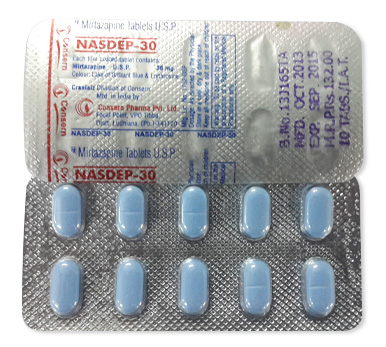
Remeron
- In some pharmacies and online sellers Remeron (mirtazapine) is reportedly available for purchase without a prescription and with delivery options, but legally mirtazapine/Remeron is a prescription-only medicine in most major markets—check local regulations and consult a healthcare professional before purchasing.
- Remeron (mirtazapine) is used primarily to treat major depressive disorder and is sometimes used off-label for insomnia or appetite stimulation; it is a noradrenergic and specific serotonergic antidepressant (NaSSA) that antagonizes central presynaptic α2-adrenergic receptors and blocks certain serotonin (5‑HT2/5‑HT3) and histamine (H1) receptors, increasing noradrenaline and serotonin release and producing sedative effects.
- Usual adult dosing starts at 15 mg once daily in the evening, with a typical range of 15–45 mg daily (single dose or occasionally divided); maximum recommended dose is 45 mg/day and elderly or medically impaired patients often start at lower doses.
- Administered orally as film-coated tablets (7.5, 15, 30, 45 mg) or orally disintegrating tablets (ODT 15, 30, 45 mg), usually taken once daily at bedtime.
- Some effects (sedation, improved sleep or appetite) can begin within hours to a few days, while antidepressant effects typically take 1–4 weeks to emerge and may take up to 6 weeks or longer for full benefit.
- Clinical effects are sustained with once-daily dosing (about 24 hours coverage); the plasma half-life is roughly 20–40 hours, supporting once-daily administration.
- Avoid or minimize alcohol while taking Remeron—alcohol increases sedation and impairment and can worsen side effects or reduce safety.
- The most common side effect is drowsiness/sedation (especially in the first weeks); other common effects include increased appetite and weight gain, dry mouth, constipation, and dizziness.
- Would you like to try “remeron” without a prescription?



Basic Remeron Information
- INN (International Nonproprietary Name): Mirtazapine.
- Brand Names Available In United States: Remeron; Remeron SolTab ODT in blister packs (15 mg, 30 mg, 45 mg).
- ATC Code: N06AX11.
- Forms & Dosages: Film-coated tablets 7.5 mg, 15 mg, 30 mg, 45 mg; Orally disintegrating tablets (ODT) 15 mg, 30 mg, 45 mg.
- Manufacturers In United States: Originator Organon (Merck & Co. group) and multiple generics (Teva, Sandoz, Sun Pharma, others).
- Registration Status In United States: FDA-approved prescription antidepressant for major depressive disorder.
- OTC / Rx Classification: Prescription-only medicine (Rx).
Key Findings From Recent Trials
Major 2022–2024 Studies
Worried whether Remeron actually helps when sleep and appetite are part of the problem?
Multiple randomized controlled trials and meta-analyses published between 2022 and 2024 reinforced mirtazapine's efficacy versus placebo for major depressive disorder.
These studies frequently noted faster improvements in sleep and appetite domains compared with some selective serotonin reuptake inhibitors.
Clinical reports emphasized stronger early sedative and appetite‑stimulating effects, which clinicians find useful for patients with insomnia or weight loss.
The trial literature referred to Remeron trials and mirtazapine RCTs when discussing those domain-specific benefits.
Smaller case series in cachexia and supportive-care settings reported appetite and modest weight gains in treated patients.
Where available, Remeron SolTab ODT formulations were used in patients with swallowing difficulties or those needing blister-pack convenience.
Overall, trial authors consistently placed mirtazapine among antidepressants with notable early sleep benefits.
Main Outcomes
What improvements can a patient expect first?
Effect sizes for depressive-symptom reduction were generally consistent with several commonly used SSRIs.
Sleep improvement often appeared earlier than mood changes, sometimes within the first one to two weeks.
Improved appetite and small weight increases were reported in several small trials and case series focused on cachexia.
Patients with baseline insomnia or underweight status showed the clearest functional gains in sleep and weight measurements.
Safety Observations
Is Remeron safe compared with other options?
Safety profiles remained stable across recent studies with the most prominent early effect being sedation.
Weight gain developed over weeks in many patients, and rare blood dyscrasias were noted as uncommon post-marketing events.
Trials and surveillance data emphasize contraindication or caution when combined with MAOIs and in bipolar populations due to manic switch risk.
Clinical Mechanism Of Action
Layman’s Explanation
Curious how Remeron works without the usual anticholinergic fog?
Mirtazapine increases brain levels of norepinephrine and serotonin by blocking central presynaptic alpha‑2 receptors.
It also blocks certain serotonin receptor subtypes to improve mood and sleep without strong anticholinergic effects like older tricyclics.
The combination of increased norepinephrine and altered serotonin signaling helps lift mood while promoting restorative sleep.
Scientific Breakdown
What does NaSSA mean in plain terms?
Mirtazapine is classified as a noradrenergic and specific serotonergic antidepressant (NaSSA).
It blocks α2‑adrenergic autoreceptors and heteroreceptors, which increases norepinephrine and 5‑HT release.
Antagonism at 5‑HT2 and 5‑HT3 receptors shifts serotonergic signaling toward 5‑HT1A‑mediated antidepressant pathways.
H1 histamine receptor antagonism explains the drug's sedative and appetite-stimulating effects.
Pharmacokinetics (Brief)
How do patients take it and what about metabolism?
Oral bioavailability is adequate for tablet and ODT forms sold in the United States.
Formulations include film-coated tablets (7.5–45 mg) and ODTs (15–45 mg) depending on patient need.
Hepatic metabolism predominates, so dose adjustments are advised in liver impairment.
Originator manufacturer is Organon (Merck & Co. group) and the medicine is prescription-only.
Scope Of Approved And Off-Label Use
United States Approvals
Is Remeron approved for depression?
The FDA has approved mirtazapine as a prescription antidepressant for major depressive disorder.
Standard adult dosing typically starts at 15 mg taken once daily in the evening.
The usual dose range is 15–45 mg/day with a maximum recommended dose of 45 mg per day.
Treatment duration in the acute phase is often at least six months, depending on clinical response.
Notable Off-Label Trends
Can Remeron be used for sleep or appetite problems?
Off-label use is common for insomnia at low nighttime doses and for appetite stimulation in cachexia or chronic illness.
Clinicians also use mirtazapine as an adjunct in some cases of treatment-resistant depression.
Small supportive-care oncology studies and real-world practice report improved sleep and modest weight gain where those outcomes are important.
Formulations include film-coated tablets and ODTs, and ODTs should remain in blister packaging until use.
It is not routinely recommended for children or adolescents and older adults usually start lower, such as 7.5–15 mg.
Dosage Strategy
General Dosing
How should a clinician start Remeron safely?
Most adults begin at 15 mg once daily at bedtime to take advantage of sedative effects.
Titration is normally every 1–2 weeks based on response and tolerability.
Typical maintenance dosing ranges from 15 to 45 mg daily with a maximum of 45 mg per day.
Condition-Specific Dosing
Can lower doses be used for sleep?
For major depressive disorder the recommended range is 15–45 mg/day, given as a single dose or divided if needed.
For insomnia or appetite stimulation clinicians frequently use lower evening doses (7.5–15 mg) to leverage sedation and appetite effects while watching for daytime drowsiness.
Practical Tips
What about elderly or impaired patients?
Elderly patients usually start at 7.5–15 mg with slower upward titration due to increased sensitivity.
Lower starting doses and closer monitoring are recommended in hepatic or severe renal impairment.
If a dose is missed, advise the patient to take it when remembered unless it is close to the next dose and never to double up.
Safety Protocols
Contraindications
Who should not take Remeron?
Absolute contraindications include known hypersensitivity to mirtazapine or excipients and concurrent or recent (within 14 days) use of MAOIs.
Use caution in severe liver or kidney impairment, cardiac conduction disorders, seizure history, and bipolar disorder due to manic switch risk.
Adverse Effects
What side effects are most likely?
Very common adverse effects include drowsiness or sedation, especially during the first weeks of therapy.
Increased appetite and weight gain, dry mouth, constipation, and dizziness are frequently reported.
Less common findings include peripheral edema, abnormal dreams, and mild liver enzyme elevations.
Rare but serious blood dyscrasias have been reported; patients should seek care for fever or sore throat.
Monitoring Recommendations
What baseline checks are useful?
Perform a baseline mood and bipolar screen, assess liver and renal function if indicated, and review QT risk and other medications.
Advise patients about sedation risks and to avoid alcohol or hazardous tasks until they know how the drug affects them.
Interaction Mapping
Food Interactions
Are food limits needed with Remeron?
There are no major food-specific interactions recorded, but alcohol should be avoided because of additive central nervous system depression.
Patients should maintain consistent dietary patterns if weight is a concern since the drug can increase appetite.
Drug Combinations To Avoid
Which medicines pose high risk when combined with mirtazapine?
Concurrent or recent use of MAOIs is contraindicated due to serious interactions.
Caution is required with other serotonergic agents because of the risk of serotonin syndrome.
Strong CYP inhibitors or inducers may alter mirtazapine levels and require dose review or closer monitoring.
Combining mirtazapine with other sedatives such as benzodiazepines, opioids, or alcohol increases sedation risk.
Practical Interaction Checks
How should prescribers screen for interactions?
Review the patient medication list for SSRIs, SNRIs, triptans, linezolid, MAOIs and other serotonergic drugs.
Consider ECG if QT prolongation risk is present or the patient is on other QT‑prolonging medicines.
Adjust doses in hepatic impairment and monitor for excessive sedation when other CNS depressants are present.
Patient Experience Analysis
Survey Data
What do patients usually report about taking Remeron?
Surveys and treatment audits commonly report rapid early improvements in sleep and appetite during the first weeks of therapy.
Higher rates of weight gain and early daytime sedation are commonly cited and can affect adherence.
Adherence tends to be influenced by how bothersome sedation and weight changes are to the individual patient.
Forum Trends
What do patients discuss online about Remeron?
Forums often highlight Remeron's usefulness for insomnia and gaining appetite, especially where illness-related weight loss is an issue.
Reported downsides include morning grogginess and long-term weight gain that prompt some to switch medications or adjust dose timing.
Clinical Implications
How should clinicians counsel patients?
Explain that sedation often lessens over weeks and offer practical measures such as taking the dose at bedtime to reduce daytime sleepiness.
Discuss weight monitoring and lifestyle counseling up front and consider dose adjustments to balance benefits and side effects.
Distribution And Pricing Landscape
How easy is it to find Remeron and how much does it cost?
The originator product is marketed by Organon (Merck & Co. group) and multiple generics from suppliers like Teva, Sandoz and Sun Pharma are widely available.
Common tablet strengths in U.S. pharmacies include 7.5, 15, 30 and 45 mg, while ODTs are stocked in 15, 30 and 45 mg blister packs.
Generic competition has generally reduced list prices, although branded Remeron SolTab ODT products can carry a premium.
Insurance formulary placement varies, with many plans preferring generics over brand formulations.
In our online pharmacy, remeron is available without a prescription, with discreet delivery to United States in 5-14 days.
Alternative Options
Comparison Table (Summary)
Which antidepressants are commonly compared to Remeron?
Key comparators include SSRIs such as sertraline and escitalopram, the sedating antidepressant trazodone, and older tricyclics like amitriptyline.
Sertraline and escitalopram are SSRIs that tend to be less sedating and have a lower risk of weight gain.
Trazodone is more sedating and is often used off-label at low doses for insomnia.
Amitriptyline is effective but carries a higher anticholinergic and cardiovascular side-effect burden.
Pros And Cons
Why choose mirtazapine instead of an SSRI?
Mirtazapine's pros are rapid sleep improvement, appetite stimulation, and effectiveness comparable to several SSRIs without strong anticholinergic effects.
Cons include sedation, weight gain over time, rare hematologic events and specific interaction risks such as MAOI contraindication.
Clinical Selection Guidance
When is Remeron a good choice?
Consider mirtazapine when insomnia or clinically significant weight loss and appetite suppression are priorities.
Prefer SSRIs when concerns about sedation or weight gain make mirtazapine a poor fit for the patient.
Regulatory Status
Is Remeron regulated the same way everywhere?
Mirtazapine is widely authorized in major markets and is prescription-only in the United States, Europe and other jurisdictions.
The drug's ATC classification is N06AX11 (other antidepressants).
Originator manufacturing is by Organon (Merck & Co. group) with multiple generics produced by companies such as Teva and Sandoz.
Local regulatory labeling and prescribing information may include specific monitoring recommendations for vulnerable populations like the elderly and those with hepatic impairment.
Consolidated FAQ
Is Remeron FDA-approved?
Yes; mirtazapine is FDA-approved for the treatment of major depressive disorder in adults.
What is the typical starting dose?
The usual adult starting dose is 15 mg once daily at bedtime with a usual range of 15–45 mg/day and a maximum of 45 mg/day.
Which side effects should patients expect?
Common side effects include drowsiness, increased appetite and weight gain, dry mouth, constipation and dizziness.
Can children take it?
Use in children and adolescents is not routinely recommended because safety and efficacy are not established.
What about overdose?
Seek immediate medical attention for suspected overdose; symptoms may include severe drowsiness, disorientation and increased heart rate.
How should it be stored?
Store at room temperature 20–25 °C (68–77 °F), protect from moisture and light, and keep ODTs in their original blister packaging until use.
Are there important interactions?
Avoid MAOIs and use caution with other serotonergic or sedative drugs.
Visual Guide
Need a quick clinical snapshot to share with patients or print for a clinic wall?
Design suggestions include formulation icons for film-coated tablets (7.5, 15, 30, 45 mg) and ODT blister packs (15, 30, 45 mg).
A dose ladder can show: Start 15 mg → Reassess 1–2 weeks → Adjust within 15–45 mg (max 45 mg).
Common side‑effect icons should include sedation, weight gain, dry mouth and constipation to aid rapid counseling.
Monitoring checklist items: baseline mood/mania screen, liver/renal considerations, medication reconciliation for MAOIs/serotonergic agents and ODT blister storage advice.
Keep captions plain-language and include "Prescription-only" and storage temperatures (20–25 °C) for patient handouts.
Storage And Transport
How should pharmacies and patients store Remeron?
Recommended storage is at room temperature 20–25 °C (68–77 °F) with protection from moisture and light.
ODT formulations are moisture-sensitive and must remain in original blister packaging until use to preserve integrity.
Pharmacies and distributors should avoid prolonged exposure to humidity or temperature extremes during shipping.
Patients should keep the medicine in its original container, avoid bathroom storage, and keep it out of reach of children.
Dispose of unused tablets according to local regulations for prescription medicines.
Guidelines For Proper Use
What should prescribers do before starting Remeron?
Confirm the indication and document rationale for off-label uses such as insomnia or appetite stimulation.
Screen for bipolar disorder, seizure history and liver/renal impairment and review all medications for MAOIs and other serotonergic or sedative agents.
Initiation and titration commonly start at 15 mg nightly for adults with adjustments every 1–2 weeks toward 15–45 mg/day as tolerated.
Elderly patients often start at 7.5–15 mg and titrate slowly.
Counsel patients to expect early sedation, to take the dose at bedtime, to monitor weight and mood changes and not to stop abruptly.
Reassess within 1–2 weeks for side effects and at 4–6 weeks for clinical response, and consider ECG if QT or cardiac risk factors are present.
Delivery Across United States
| City | Region | Delivery Time |
|---|---|---|
| New York | Northeast | 5-7 days |
| Los Angeles | West | 5-7 days |
| Chicago | Midwest | 5-7 days |
| Houston | South | 5-7 days |
| Phoenix | West | 5-7 days |
| Philadelphia | Northeast | 5-7 days |
| San Antonio | South | 5-7 days |
| San Diego | West | 5-9 days |
| Dallas | South | 5-9 days |
| San Jose | West | 5-9 days |
| Austin | South | 5-9 days |
| Jacksonville | South | 5-9 days |
| San Francisco | West | 5-9 days |
| Columbus | Midwest | 5-9 days |
| Fort Worth | South | 5-9 days |