Pharmacy Express
  • Home
  • Categories
  • About Us
  • Contact Us
  • Frequently Asked Questions
Pharmacy Express
  • Home
  • Categories
  • About Us
  • Contact Us
  • Frequently Asked Questions

+1-888-524-7141

+1-888-523-7141

[email protected]

Skin Care

A-ret
Buy Now
Acticin
Buy Now
Aczone
Buy Now
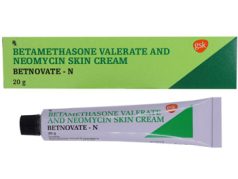
Betamethasone
Buy Now
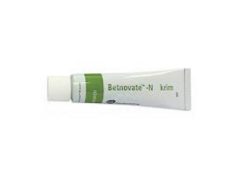
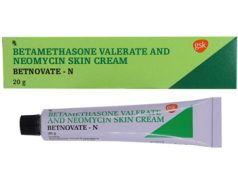
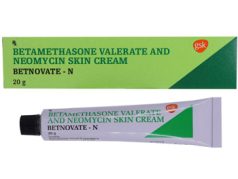
Betnovate
Buy Now
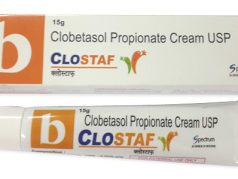
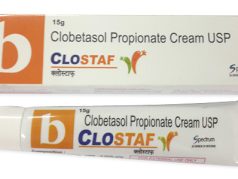
Clobetasol
Buy Now
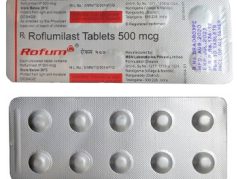
Daliresp
Buy Now
Diprolene
Buy Now
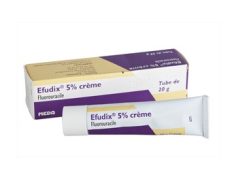
Efudex
Buy Now
Elimite
Buy Now
Elocon
Buy Now
Fluorouracil
Buy Now
Hydroquinone
Buy Now
Ilosone
Buy Now
Imiquimod
Buy Now
Isotretinoin
Buy Now
  • 1
  • 2
  • »

Acne Treatment & Prevention

Acne is one of the most common skin conditions affecting millions of Americans across all age groups. Whether you're dealing with occasional breakouts or persistent acne, understanding your treatment options is essential for achieving clear skin.

What is Acne and Why It Occurs

Acne develops when hair follicles become clogged with dead skin cells and sebum, often leading to bacterial growth. Hormonal changes, genetics, stress, and certain medications can trigger or worsen acne. The condition ranges from mild comedones to severe cystic acne requiring professional intervention.

Common Acne Treatments Available

Popular over-the-counter options include benzoyl peroxide products, which work by killing bacteria and reducing inflammation. Salicylic acid is another widely used ingredient that helps unclog pores and prevent future breakouts. Many Americans also turn to prescription treatments like tretinoin, adapalene, and isotretinoin for more severe cases. Oral antibiotics combined with topical treatments are frequently recommended by dermatologists to combat stubborn acne.

Prevention Tips

Maintaining a consistent skincare routine with gentle cleansing twice daily can significantly reduce acne occurrence. Using non-comedogenic products and avoiding touching your face helps prevent bacterial spread. Staying hydrated and managing stress levels also play important roles in preventing acne flare-ups.

Anti-Aging & Wrinkle Reduction

The quest for youthful skin is a priority for many Americans seeking to maintain a healthy, vibrant appearance as they age. Anti-aging products and treatments have become increasingly sophisticated and accessible.

Understanding Skin Aging

As we age, our skin naturally produces less collagen and elastin, leading to fine lines, wrinkles, and loss of firmness. Sun exposure, smoking, and environmental factors accelerate this aging process. Early intervention with preventative measures can help maintain skin elasticity and appearance for years to come.

Effective Anti-Aging Ingredients

Retinol and its prescription derivatives like retinoids are considered gold-standard anti-aging ingredients, proven to reduce fine lines and improve skin texture. Vitamin C serums brighten the skin and boost collagen production, while hyaluronic acid provides deep hydration essential for plump, youthful-looking skin. Peptides and niacinamide are also popular choices found in many anti-aging formulations available across U.S. pharmacies.

Key anti-aging ingredients to look for include:

  • Retinol and prescription retinoids for cell turnover and collagen stimulation
  • Vitamin C for brightening and antioxidant protection
  • Hyaluronic acid for deep hydration and plumping effects
  • Peptides for skin firmness and elasticity
  • Niacinamide for pore refinement and skin barrier support

Professional Treatments

Beyond topical products, many Americans explore professional options like Botox, dermal fillers, and chemical peels administered by qualified professionals. These treatments can provide more dramatic results for those seeking significant anti-aging benefits. Consulting with a dermatologist helps determine which approach best suits individual needs and skin type.

Moisturizers & Hydration

Proper hydration is the foundation of healthy skin, and finding the right moisturizer for your skin type is crucial for maintaining a smooth, supple complexion.

Importance of Daily Moisturizing

A quality moisturizer protects the skin barrier, preventing water loss and maintaining optimal hydration levels. Well-moisturized skin appears plumper, healthier, and less prone to irritation and sensitivity. Regular moisturizing is particularly important in dry climates or during harsh winter months when skin naturally loses moisture.

Types of Moisturizers

Lightweight lotions work well for oily and combination skin types, providing hydration without leaving a greasy residue. Rich creams are ideal for dry and sensitive skin, offering intensive nourishment and barrier protection. Gel moisturizers appeal to those preferring a light texture, while oils and serums can be layered for extra hydration. Many pharmacies stock products from trusted brands like CeraVe, Cetaphil, and Eucerin, which are dermatologist-recommended and widely available.

Humectants and Occlusives

Humectants like glycerin draw moisture into the skin, while occlusives like ceramides and petroleum-based ingredients seal in that moisture. Understanding how these components work helps you select products that address your specific hydration needs. Combining humectants with occlusives typically provides the most effective moisturizing benefits.

Sun Protection & Sunscreen

Sun protection is arguably the most important step in any skincare routine, preventing premature aging, skin cancer, and other sun-related damage.

Why SPF Matters

Ultraviolet radiation from the sun causes significant damage to skin cells, leading to wrinkles, age spots, and increased melanoma risk. Sunscreen works by either blocking UV rays physically or absorbing them chemically, protecting skin from these harmful effects. Regular sunscreen use can reduce the risk of skin cancer by up to ninety percent.

Choosing the Right Sunscreen

The FDA recommends using broad-spectrum sunscreen with at least SPF 30 for daily use, and SPF 50 or higher for extended outdoor activities. Mineral sunscreens containing zinc oxide or titanium dioxide are excellent choices for sensitive skin. Chemical sunscreens with ingredients like avobenzone and oxybenzone work well for those preferring lightweight formulations. Popular brands like Neutrogena, Coppertone, and Blue Lizard offer various options suitable for different preferences and skin types.

Application and Reapplication

Most people don't apply enough sunscreen for adequate protection. Using about one ounce or a quarter teaspoon for the face ensures proper coverage. Reapplying every two hours, or immediately after swimming or sweating, maintains continuous protection throughout the day.

Sensitive & Reactive Skin Care

Sensitive skin requires specialized care and gentle products to prevent irritation, redness, and inflammation.

Identifying Sensitive Skin

Sensitive skin reacts negatively to many products, environmental factors, and irritants, often resulting in redness, burning, or itching. Conditions like eczema, rosacea, and dermatitis make skin particularly vulnerable to irritation. Understanding your skin's specific triggers helps in selecting appropriate products and treatments.

Gentle Care Routines

Those with sensitive skin should use fragrance-free, hypoallergenic products formulated without common irritants. Patch testing new products before full application helps prevent adverse reactions. A minimalist approach using only essential products like gentle cleanser, moisturizer, and sunscreen often works best for reactive skin.

Best practices for sensitive skin include:

  • Using fragrance-free and hypoallergenic products exclusively
  • Patch testing all new products on a small area first
  • Avoiding products with dyes, parabens, and sulfates
  • Keeping your skincare routine simple and minimal
  • Consulting a dermatologist before trying new treatments

Recommended Products

Dermatologist-recommended brands like CeraVe, Vanicream, and Aveeno cater specifically to sensitive skin needs with formulations avoiding dyes, fragrance, and harsh chemicals. Products containing soothing ingredients like centella asiatica, chamomile, and colloidal oatmeal help calm irritated skin. Consulting with a dermatologist before introducing new products ensures safety and prevents unnecessary flare-ups.

Targeted Skin Concerns & Specialized Treatments

Beyond basic skincare, many Americans seek targeted solutions for specific skin issues including hyperpigmentation, texture problems, and localized concerns.

Hyperpigmentation and Dark Spots

Age spots, sun damage, and post-inflammatory hyperpigmentation affect many people seeking even skin tone. Ingredients like hydroquinone, kojic acid, and vitamin C help fade dark spots and prevent new pigmentation. Many effective treatments are available over-the-counter, though severe cases may benefit from professional procedures like laser therapy.

Texture and Pore Concerns

Rough texture and enlarged pores can be addressed through chemical exfoliants like alpha hydroxy acids and beta hydroxy acids. Regular use of these gentle exfoliants helps refine skin texture and minimize pore appearance. Products containing niacinamide also help control sebum production and improve skin texture over time.

Specialty Solutions

Eye creams target delicate under-eye skin where fine lines and dark circles develop. Lip balms and treatments address dryness and aging in this sensitive area. Spot treatments for specific concerns like acne, eczema flare-ups, or irritation provide concentrated care where needed most. Pharmacy shelves offer numerous options for these specialized concerns, with new innovations regularly becoming available to address emerging skincare needs and preferences.

Categories
  • Men's Health
  • Women's Health
  • Erectile Dysfunction
  • General health
  • Hypertension
  • Antibiotics
  • Antidepressants
  • Skin Care
  • Pain Relief
  • Asthma
Useful information
  • About Us
  • Contact Us
  • Frequently Asked Questions
  • Order status
  • Terms and conditions
  • Our policies
Customer support

Pharmacy Express

[email protected]

+1-888-524-7141

+1-888-523-7141

Shipping Methods
Payment Options

© 2026 | Pharmacy Express