
Cymbalta
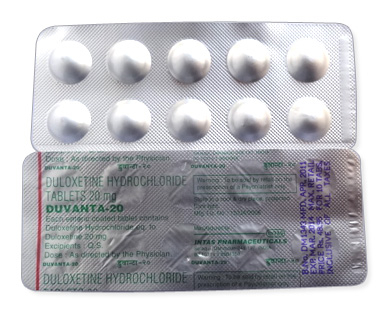
Cymbalta
- You can buy Cymbalta in some pharmacies and online sources without a prescription, but in the US and many other countries it is officially a prescription-only medication (Rx). Availability, packaging, and brand names may vary by country.
- Cymbalta (duloxetine) is used to treat major depressive disorder, generalized anxiety disorder, diabetic peripheral neuropathic pain, fibromyalgia, and chronic musculoskeletal pain. It is an SNRI, meaning it increases serotonin and norepinephrine levels in the brain and helps reduce pain signaling.
- The usual adult dose depends on the condition: 40–60 mg/day for depression, 30–60 mg/day for anxiety, and 60 mg/day for nerve pain, fibromyalgia, and chronic musculoskeletal pain. Doses may be adjusted by a clinician.
- The form of administration is delayed-release oral capsules, commonly available in 20 mg, 30 mg, and 60 mg strengths.
- Cymbalta may begin to improve symptoms within 1–2 weeks, but the full effect often takes 4–6 weeks or longer.
- The duration of action is about 24 hours, which is why it is usually taken once daily.
- Alcohol should be avoided or used with great caution, because it can increase the risk of liver problems, dizziness, and drowsiness.
- The most common side effects are nausea, dry mouth, sleepiness or drowsiness, dizziness, constipation, increased sweating, fatigue, headache, and trouble sleeping.
- Would you like to try Cymbalta without a prescription?
Basic Cymbalta Information
- INN (International Nonproprietary Name): Duloxetine
- Brand Names Available in United States: Cymbalta, Drizalma, Irenka
- ATC Code: N06AX21
- Forms & Dosages: Capsule DR, 20 mg, 30 mg, 60 mg, oral
- Manufacturers in United States: Eli Lilly and Company, Sun Pharma, Teva, Cipla, Sandoz, and other generic suppliers
- Registration Status in United States: US FDA approved for MDD, GAD, diabetic neuropathy, fibromyalgia, chronic musculoskeletal pain
- OTC / Rx Classification: Prescription Only (Rx)
Cymbalta: What Recent Trials Say
Major 2022–2026 Studies
People usually want one simple answer: does Cymbalta still hold up in real practice?
Recent reviews and comparative studies continue to support duloxetine capsules for major depressive disorder, generalized anxiety disorder, diabetic peripheral neuropathy, fibromyalgia, and chronic musculoskeletal pain.
The strongest and most consistent efficacy signal remains in neuropathic pain and fibromyalgia, where symptom scores and function often improve enough for patients to notice day-to-day changes at work, sleep, or walking tolerance.
In depression and anxiety, duloxetine for depression and Cymbalta for anxiety remain well supported, but response can be more variable from patient to patient, especially when insomnia, fatigue, or other psychiatric symptoms overlap.
Across the recent literature, symptom reduction often appears within the first few weeks, while fuller pain and function gains may build more gradually.
Main Outcomes
Trials and systematic review data generally show better pain control, improved function, and meaningful response rates in neuropathic pain and fibromyalgia, which is why Cymbalta is among first-line choices for those conditions.
For mood disorders, the antidepressant effect is clinically useful, but the magnitude of benefit depends on baseline severity, prior treatment history, and how well the patient tolerates the dose needed to stay on therapy.
Safety Observations
The same data also reinforce familiar duloxetine side effects, especially nausea, dry mouth, dizziness, fatigue, insomnia, constipation, sweating, and appetite loss.
In real-world care, discontinuation still happens when early adverse effects are hard to ignore, which is why gradual tapering matters so much with Cymbalta.
How Cymbalta Works In The Body
Layman’s Explanation
The easiest way to think about Cymbalta is that it helps the brain and spinal cord manage both mood signals and pain signals.
By increasing serotonin and norepinephrine, duloxetine can ease anxiety or depression while also calming pain pathways that keep firing too loudly.
That dual action is the reason the same medication can be used for emotional symptoms and for chronic nerve or muscle pain.
Scientific Breakdown
Duloxetine hydrochloride is an SNRI, or serotonin-norepinephrine reuptake inhibitor, with ATC code N06AX21.
The international nonproprietary name is duloxetine, and brand examples include Cymbalta, Drizalma, Irenka, Yentreve, and Duloxetina.
It is supplied as a delayed-release oral capsule, which means absorption happens after the capsule passes the stomach rather than right away.
Why Delayed Release Matters
The enteric coating protects the medicine until it reaches a more suitable part of the digestive tract.
That is why duloxetine capsules should not be opened, crushed, or chewed, since doing so can interfere with the delayed-release design and may affect tolerance.
Approved Uses And Off-Label Interest
United States Approvals
In the United States, Cymbalta is FDA approved for major depressive disorder, generalized anxiety disorder, diabetic peripheral neuropathy pain, fibromyalgia, and chronic musculoskeletal pain.
It is an Rx-only oral capsule DR product, so it is not sold over the counter in standard retail channels.
For patients comparing Cymbalta for depression with Cymbalta for anxiety, the same drug may be used for both, but the target symptoms and dose strategy can differ.
Notable Off-Label Trends
Outside the U.S., duloxetine has also been used under the brand Yentreve for stress urinary incontinence, which is one reason the drug appears in a broader set of international formularies.
Clinicians sometimes consider duloxetine for broader chronic pain cases when first-line options are not tolerated or when mood symptoms and pain sit side by side.
For patients searching buy Cymbalta or order duloxetine online, the practical point is that U.S. access is prescription only in regular pharmacy channels, although our online pharmacy also makes Cymbalta available without a prescription with discreet delivery to United States in 5-14 days.
Where Evidence Is Strongest
Neuropathic pain and fibromyalgia stay the highest-interest use cases because the evidence base is especially solid there.
Cymbalta is commonly positioned among first-line treatments for those conditions, especially when pain is affecting sleep, mobility, and function.
Dosage Strategy That Fits The Condition
General Dosing
Adult dosing depends on the diagnosis, but duloxetine 30 mg and duloxetine 60 mg are the most common strengths people ask about.
For major depressive disorder, the usual initial dose is 40 to 60 mg per day, with a maximum of 60 mg per day.
For generalized anxiety disorder, the initial dose is 30 to 60 mg per day, with a maximum of 120 mg per day, and the dose can be titrated from 30 mg if needed.
Dosing may be once daily or divided twice daily depending on the patient and the prescriber’s plan.
Condition-Specific Dosing
Diabetic peripheral neuropathy pain is typically treated at 60 mg per day.
Fibromyalgia often starts at 30 mg per day and rises to 60 mg per day as tolerated.
Chronic musculoskeletal pain, including osteoarthritis-related pain, is generally managed at 60 mg per day.
Pediatric And Special Populations
Duloxetine is approved for generalized anxiety disorder in children age 7 and older, with a starting dose of 30 mg per day.
Fibromyalgia is approved in patients age 13 and older, but titration should be cautious.
In older adults, the lowest effective dose is preferred because side effects such as hyponatremia and falls become more concerning.
Adjustment Limits
Renal and hepatic status matter a lot with Cymbalta 60 mg and higher maintenance plans.
It should be avoided when creatinine clearance is below 30 mL/min, and it is contraindicated in substantial hepatic dysfunction because duloxetine is extensively metabolized in the liver.
Safety Protocols Every Patient Should Know
Contraindications
Cymbalta should not be used with recent or current MAOI therapy, generally within 5 to 14 days depending on the switch direction.
It is also contraindicated in severe liver impairment or cirrhosis, uncontrolled narrow-angle glaucoma, and hypersensitivity to duloxetine or capsule components.
Adverse Effects
The most common Cymbalta side effects and duloxetine side effects include nausea, dry mouth, fatigue, drowsiness, dizziness, constipation, increased sweating, loss of appetite, headache, and insomnia.
Serious concerns are less common but important, including serotonin syndrome, seizures, hyponatremia, mania or hypomania, bleeding risk, and falls in older adults.
Patients with a history of bipolar disorder, seizures, bleeding problems, uncontrolled hypertension, or sodium imbalance deserve closer review before starting treatment.
Monitoring Priorities
Blood pressure is worth checking, especially if the patient already has hypertension.
Liver risk should be reviewed, sodium should be watched closely in frail older adults, and any new agitation, confusion, or mood shift should be taken seriously.
What Interacts With Cymbalta
Food Interactions
Duloxetine capsules should be swallowed whole and taken consistently each day.
Food tends to matter more for tolerance than for efficacy, so patients often do best when they take the dose the same way every day.
Alcohol deserves extra caution, especially in patients with liver risk or sedation concerns.
Drug Combinations To Avoid
MAOIs remain the major absolute interaction problem, and the combination should be avoided.
Other serotonergic drugs raise concern for serotonin syndrome, and the list can include SSRIs, other SNRIs, tramadol, linezolid, triptans, and certain migraine therapies.
Extra caution is also needed with anticoagulants, medicines that affect blood pressure, drugs that lower the seizure threshold, and agents that can contribute to low sodium.
High-Risk Combinations
When duloxetine is layered with several serotonergic agents, the risk of sweating, agitation, tremor, fever, or mental status changes rises quickly.
That is the point where a pharmacist or prescriber should review the full medication list before the patient continues.
What Patients Usually Notice
Survey Data
In day-to-day practice, early nausea, fatigue, dizziness, and insomnia are common reasons patients stop Cymbalta too soon.
Pain patients often say they notice better function before they feel full symptom relief, which is still a useful win if walking, sleep, or work activity improves.
Gradual dose changes can make a big difference in whether people stay on therapy long enough to benefit.
Forum Trends
Online discussions often mention withdrawal-like symptoms, sometimes called “brain zaps,” when duloxetine is stopped abruptly.
Patients also report mixed experiences with sexual side effects, and onset speed can feel different for anxiety versus pain.
Some people feel calmer before the pain improves, while others notice pain relief first and mood later.
Practical Interpretation
Patient reports are useful because they reflect lived experience, but they are still anecdotal.
The safest approach is to balance Cymbalta reviews with trial data, the patient’s history, and direct guidance from a prescriber or pharmacist.
Pricing, Brands, And Market Access
Market Structure
Cymbalta was originally developed by Eli Lilly and Company.
Generic duloxetine is now widely available through manufacturers such as Sun Pharma, Teva, Cipla, and Sandoz, along with other suppliers worldwide.
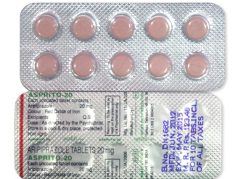
Packaging and availability vary by country, which is why the same medicine may look different from one market to another.
Pricing And Access
Searches like Cymbalta 30 mg price and buy Cymbalta are common because patients want a clear cost estimate before starting treatment.
Actual price depends on brand versus generic, insurance status, and local formulary rules.
In the U.S., standard retail access remains prescription only, even though online options are often easier to compare.
Packaging Differences
Cymbalta is commonly found as 20 mg, 30 mg, and 60 mg capsules.
Drizalma and Irenka are delayed-release capsules in the U.S.
Duloxetina is a common generic label in Spain and Latin America.
How Cymbalta Compares With Other SNRIs
Comparison Table
| Drug | Common Brand | Main Use Pattern | Pain History |
|---|---|---|---|
| Venlafaxine | Effexor XR | Depression and anxiety | Less established than duloxetine for neuropathic pain |
| Desvenlafaxine | Pristiq | Depression | Used less often for pain-focused care |
| Milnacipran | Savella | Fibromyalgia | Strong pain role, especially in fibromyalgia |
Pros And Cons
Cymbalta is often chosen when mood symptoms and pain overlap, because one medicine can address both problems at the same time.
Alternatives may still be preferred if a patient has already responded well to another SNRI, if a side effect profile fits better, or if insurance coverage is more favorable.
For patients comparing Cymbalta vs. Effexor XR or duloxetine vs venlafaxine, the right pick often comes down to prior response, tolerability, and whether pain relief is a major goal.
Clinical Positioning
Cymbalta is especially attractive when neuropathic pain or fibromyalgia coexists with depression or anxiety.
That combination is where duloxetine tends to feel most clinically practical.
Regulatory Status By Region
United States And Europe
Duloxetine has FDA approval in the United States for multiple indications and EMA authorization in Europe with similar uses.
The international nonproprietary name is duloxetine, and Yentreve is the European brand name often associated with stress incontinence use.
Local Registry Checks
Romania’s ANMDMR registry includes duloxetine, and public details can be checked in Nomenclatorul Medicamentelor by searching “duloxetină” or “Cymbalta.”
That kind of local verification helps confirm the brand, manufacturer, and package details that apply in a specific market.
Quick Answers About Cymbalta
Common User Questions
What is Cymbalta used for? It is used for major depressive disorder, generalized anxiety disorder, diabetic peripheral neuropathy pain, fibromyalgia, and chronic musculoskeletal pain.
Is Cymbalta the same as duloxetine? Yes, Cymbalta is a brand name for duloxetine.
How long does it take to work? Some people notice early change within a few weeks, but pain and function gains may build more slowly.
Can it be stopped suddenly? It should not be stopped abruptly because withdrawal symptoms can occur; tapering is safer.
What are the most common side effects? Nausea, dry mouth, fatigue, dizziness, constipation, sweating, loss of appetite, headache, and insomnia are the usual ones.
Safety-Focused FAQs
Who should avoid it? Anyone with recent MAOI use, severe liver disease, uncontrolled narrow-angle glaucoma, or known hypersensitivity should avoid it.
Can older adults take it? Yes, but the lowest effective dose is preferred because falls and hyponatremia are bigger concerns.
Is it used for nerve pain? Yes, diabetic peripheral neuropathy is one of its FDA-approved pain uses.
What A Simple Visual Guide Should Show
Suggested Infographic Elements
A helpful infographic would show the brand names by region, including Cymbalta, Drizalma, Irenka, Yentreve, and Duloxetina.
It should also show capsule strengths of 20 mg, 30 mg, and 60 mg, plus the approved conditions, the most common side effects, and the major contraindications.
Flowchart Ideas
A clean treatment flow can follow the path: start low, titrate, monitor, and taper.
That kind of chart works well for adults and special populations because it reminds patients that the dose plan is not one-size-fits-all.
How To Store And Travel With Cymbalta
Storage Conditions
Duloxetine storage is straightforward.
Keep Cymbalta capsules at room temperature, 20 to 25°C, or 68 to 77°F, and protect them from moisture and heat.
Transport And Handling
Original blister packs or bottles are the safest way to travel with the medicine.
Bathroom storage should be avoided because steam and humidity can damage the capsule packaging over time.
Before a trip, check the expiration date so the supply stays reliable while you are away.
How To Use Cymbalta Correctly
Daily Use
Cymbalta is prescription only and should be taken exactly as directed, usually once daily at the same time each day.
The delayed-release capsule should not be crushed or opened.
Consistency matters because skipping around with the dose can increase side effects and make it harder to judge whether duloxetine is helping.
Missed Dose And Overdose
If a dose is missed, take it as soon as remembered unless it is close to the next scheduled dose.
Do not double the dose.
Overdose symptoms may include somnolence, serotonin syndrome, and seizures, and immediate medical attention is needed if that happens.
Discontinuation
Gradual tapering helps reduce Cymbalta withdrawal symptoms.
Many patients stay on maintenance treatment for several months or longer, with regular reassessment to make sure continued use still makes sense.
Delivery Across United States
| City | Region | Delivery Time |
|---|---|---|
| New York | Northeast | 5-7 days |
| Los Angeles | West | 5-7 days |
| Chicago | Midwest | 5-7 days |
| Houston | South | 5-7 days |
| Phoenix | West | 5-7 days |
| Philadelphia | Northeast | 5-7 days |
| San Antonio | South | 5-7 days |
| San Diego | West | 5-7 days |
| Dallas | South | 5-7 days |
| San Jose | West | 5-7 days |
| Austin | South | 5-7 days |
| Jacksonville | South | 5-9 days |
| Fort Worth | South | 5-9 days |
| Columbus | Midwest | 5-9 days |