{{ __('Your cart') }}0
0,00 $
0
items
0,00 $
Asthma is a chronic respiratory condition that affects millions of Americans, causing inflammation and narrowing of the airways that carry air to the lungs. This condition makes it difficult to breathe and can trigger coughing, wheezing, chest tightness, and shortness of breath. Asthma can develop at any age, though it often begins in childhood. The severity varies greatly from person to person—some experience mild symptoms while others face life-threatening attacks. Understanding asthma is the first step toward managing it effectively and maintaining a healthy, active lifestyle despite the condition.
The impact of asthma extends beyond physical symptoms. It can limit daily activities, affect school or work performance, and cause anxiety about potential attacks. However, with proper treatment and management strategies, most people with asthma can control their symptoms and live normal lives. Identifying personal triggers—whether environmental factors like pollen and pet dander, or lifestyle factors like exercise and stress—helps individuals take preventive measures. Regular monitoring and working closely with healthcare providers ensures that treatment plans remain effective and adjusted as needed.
Asthma medications fall into two main categories: quick-relief medications and long-term control medications. Quick-relief inhalers, also known as rescue inhalers, provide immediate relief during asthma attacks by rapidly opening airways. Albuterol is the most commonly prescribed rescue medication in the United States, delivering fast-acting bronchodilators directly to the lungs.
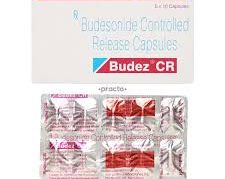
Long-term control medications are taken daily to prevent symptoms and reduce airway inflammation. Inhaled corticosteroids like Fluticasone and Budesonide are among the most effective preventive treatments available. These medications reduce swelling in the airways and decrease mucus production, making attacks less frequent and severe. Combination inhalers that contain both corticosteroids and long-acting bronchodilators offer added convenience for many patients.
Other prescription medications include leukotriene modifiers such as Montelukast, which block inflammatory substances in the body. Long-acting beta-agonists like Salmeterol provide extended airway opening over twelve hours or more. Theophylline is an older medication still used by some patients, while newer biologic drugs like Omalizumab target specific immune responses in certain asthma types. The choice of medication depends on asthma severity, frequency of symptoms, and individual patient response.
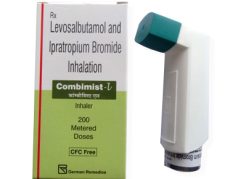
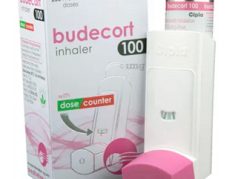
Inhalers are the primary delivery method for asthma medications in the United States. Metered-dose inhalers (MDIs) are the most common type, releasing a measured dose of medication with each spray. These portable devices allow medication to reach the lungs quickly and effectively. Many patients use spacers—attachment devices that make inhalers easier to use correctly and increase medication delivery to the lungs.
Dry powder inhalers (DPIs) like Turbuhaler and Ellipta require patients to inhale forcefully to draw powder into the lungs. These work well for patients who can coordinate the necessary breathing technique. Nebulizers convert liquid medication into a fine mist that patients breathe in through a mask or mouthpiece over several minutes. This method suits young children, elderly patients, or those with difficulty using handheld inhalers.
Proper inhaler technique is crucial for medication effectiveness. Many patients don't use their inhalers correctly, reducing the amount of medication reaching their airways. Pharmacists and healthcare providers can demonstrate proper technique, ensuring maximum benefit from prescribed medications. Regular technique checks help maintain effectiveness and prevent worsening asthma control. Common inhaler types and their characteristics include:
Identifying personal asthma triggers is essential for reducing attack frequency and severity. Common environmental triggers include pollen, dust mites, pet dander, mold, and air pollution. Indoor air quality management—using air purifiers, maintaining proper humidity levels, and regular cleaning—significantly helps many asthma sufferers. Outdoor triggers can be minimized by checking air quality reports and planning activities accordingly.
Exercise-induced asthma affects many active individuals but shouldn't prevent physical activity. Warm-up periods before exercise, using rescue medication before activity, and choosing appropriate activities all help manage exercise-related symptoms. Cold air, respiratory infections, and sudden weather changes also trigger asthma in susceptible people.
Allergen avoidance strategies include washing bedding frequently in hot water, using mattress covers, removing carpeting, and controlling pet exposure. For work-related asthma triggers, environmental modifications at the workplace may be necessary. Stress management techniques like deep breathing exercises, meditation, and regular physical activity help prevent stress-triggered symptoms. Maintaining a healthy diet, staying hydrated, and getting adequate sleep strengthen overall respiratory function and reduce asthma severity.
Every person with asthma should have a written action plan developed with their healthcare provider. This plan clearly outlines daily medications, when to use rescue inhalers, what constitutes warning signs of attacks, and when to seek emergency care. Color-coded zones—green, yellow, and red—help patients understand their asthma status and appropriate responses. The green zone indicates good control with no symptoms. Yellow zones signal caution with increased symptoms requiring medication adjustments. Red zones represent medical emergencies requiring immediate professional help.
Keeping rescue inhalers readily available is critical—at home, work, school, and during travel. Emergency contact information should be easily accessible. Patients should recognize severe attack warning signs including difficulty speaking, blue lips or fingernails, extreme anxiety, and no improvement after using rescue medication. These situations require immediate emergency medical attention.
Regular follow-up appointments with healthcare providers ensure asthma remains well-controlled and medication adjustments occur when needed. Peak flow meters help monitor lung function at home, providing objective data about asthma control. Keeping a symptom diary identifies patterns and potential triggers. Family members should understand the asthma action plan and know how to help during attacks.
Modern asthma management enables most people to live active, fulfilling lives with minimal restrictions. Many athletes and active individuals have asthma, demonstrating that the condition doesn't prevent achievement of personal goals. Key success factors include consistent medication use, trigger avoidance, and maintaining regular healthcare appointments. Insurance coverage helps make medications affordable, and many pharmaceutical companies offer assistance programs for patients with financial concerns.
Educating yourself and family members about asthma promotes better self-management and faster recognition of problems. Reliable resources like the American Lung Association and CDC provide evidence-based information. Support groups, whether in-person or online, connect patients with others managing similar challenges. Building strong relationships with healthcare providers creates partnerships supporting long-term health.
Seasonal adjustments to asthma management help prevent flare-ups during high pollen seasons or cold months when respiratory infections spread. Keeping vaccinations current, particularly flu and pneumonia vaccines, protects against infections that complicate asthma. With proper treatment, most asthma patients enjoy excellent quality of life while effectively controlling their condition.