Ivermectin
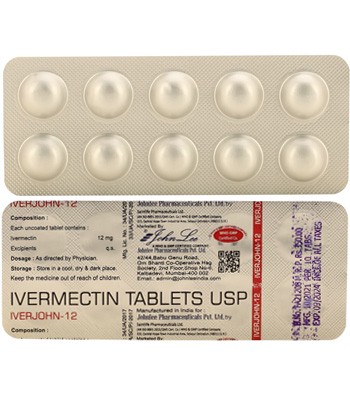
Ivermectin
- Ivermectin can be purchased from licensed pharmacies and some veterinary suppliers; in many countries it is prescription-only for human use, but some pharmacies may also offer it without a prescription depending on local regulations.
- Ivermectin is used to treat parasitic infections such as onchocerciasis, strongyloidiasis, and scabies, and topical forms are used for rosacea and head lice. It works by binding to parasite nerve and muscle channels, causing paralysis and death of the parasite.
- The usual adult dose depends on the condition: oral ivermectin is commonly 150 mcg/kg once for onchocerciasis, 200 mcg/kg once for strongyloidiasis, and 200 mcg/kg once with a repeat dose in 7–14 days for scabies; topical products are used as directed.
- Ivermectin is available as oral tablets, topical cream, topical lotion, and veterinary injectable, pour-on, or premixed feed formulations.
- It usually begins working within a few hours after oral use, while topical forms may start improving symptoms over several days.
- The duration of action is usually long enough for single-dose or short-course treatment, often lasting days to weeks depending on the infection and formulation.
- Alcohol is not strictly contraindicated, but it is best to avoid or limit alcohol because it may increase dizziness, nausea, or other side effects.
- The most common side effects are nausea, diarrhea, abdominal pain, dizziness, headache, drowsiness, itching, and rash.
- Would you like to try ivermectin without a prescription?
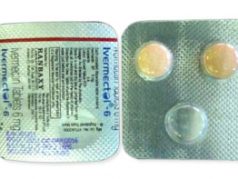
Basic Ivermectin Information
- INN (International Nonproprietary Name): Ivermectin
- Brand names available in United States: Stromectol, Soolantra, Sklice
- ATC Code: P02CF01
- Forms & dosages: Tablet (oral) 3 mg, 6 mg, 12 mg; Cream (topical) 1%; Lotion (topical) 0.5%; Veterinary injectable solution 1%; Veterinary pour-on solution 0.5% or 5 mg/ml; Veterinary premixed animal feed 0.04%
- Manufacturers in United States: Merck, Galderma, Sanofi/Arbor Pharma
- Registration status in United States: FDA-approved for certain human parasitic infections and topical use for lice and rosacea
- OTC / Rx classification: Prescription (Rx) only in most countries for human oral use; some topical forms may be OTC, such as Sklice lotion in the USA
Key Findings From Recent Trials
Major 2022–2026 Studies
Patients usually want one simple answer: does ivermectin actually work, and for what?
The strongest evidence still supports ivermectin for approved antiparasitic uses, not for broad claims beyond those indications.
In clinical practice, the most reliable outcomes are seen with onchocerciasis, strongyloidiasis, scabies, and head lice, while topical ivermectin has an established role in rosacea.
That lines up with the drug’s core forms in the United States market, including the Stromectol tablet, Soolantra cream, and Sklice lotion.
Main Outcomes
For human oral therapy, ivermectin remains a well-established antiparasitic agent under ATC code P02CF01, and its efficacy is tied to the specific parasite being treated.
Stromectol 3 mg tablets and generic ivermectin tablets are used in weight-based regimens for onchocerciasis, strongyloidiasis, and scabies, where label-based use remains the standard.
Topical Soolantra cream is used for rosacea, and topical Sklice lotion is used for lice, including the U.S. option that may be available without a prescription.
Across recent trial summaries and real-world use, the most consistent finding is that ivermectin performs best when the indication matches the organism and formulation.
Safety Observations
Safety findings are also indication-specific.
Common adverse effects include nausea, diarrhea, dizziness, headache, somnolence, rash, pruritus, and mild swelling.
More serious events are uncommon but can include hypotension, neurotoxicity, and very rare Stevens-Johnson syndrome.
Risk rises when ivermectin is used in patients with high Loa loa parasite burden, severe hepatic impairment, or other conditions that increase neurologic vulnerability.
Study Interpretation
The practical takeaway is simple: use the evidence for the condition at hand, not as a blanket claim for every infection or skin problem.
Ivermectin studies support approved uses, but they do not justify turning an antiparasitic into a general cure-all.
That is why pharmacists usually steer patients back to the label, the official SPC, or the prescriber’s plan before starting an ivermectin tablet or topical product.
Clinical Mechanism Of Action
Layman’s Explanation
People often ask how a small tablet can stop worms or mites so effectively.
Ivermectin is a macrocyclic lactone antiparasitic that interferes with parasite nerve and muscle function, which leads to paralysis and death.
For patients, that means the drug helps the body clear the parasite rather than simply masking symptoms.
Scientific Breakdown
Pharmacologically, ivermectin belongs to the anthelmintic class, ATC P02CF01, and the mechanism depends on parasite biology.
It does not work the same way against every organism, and that is exactly why its benefit is strongest in approved parasitic diseases.
Oral ivermectin pill formulations act systemically, while ivermectin cream for rosacea works locally in the skin.
The topical and oral routes are not interchangeable because the exposure, target tissue, and clinical goal are different.
Technical Detail
Ivermectin pharmacology is about parasite control, not immune boosting and not general antiviral activity.
That distinction matters because efficacy is linked to the organism being treated, not to a broad “detox” or “support” effect.
When patients ask about ivermectin mechanism, the safest answer is that the drug targets susceptible parasites in a way that is clinically useful for approved indications.
Scope Of Approved And Off-Label Use
United States Approvals
In the United States, FDA-approved human ivermectin products include Stromectol for certain parasitic infections, Soolantra for rosacea, and Sklice for lice.
That is the approved-use framework that matters most for safe prescribing and dispensing.
Human oral ivermectin is prescription-only in most markets, while some topical forms may be available OTC, including Sklice lotion in the U.S.
Notable Off-Label Trends
Search interest often pushes people toward ivermectin for scabies, ivermectin for rosacea, and ivermectin lotion for lice, which are all better handled by checking the actual product label and indication.
Generic ivermectin is widely used where oral treatment is prescribed, but off-label curiosity should not be treated as proof of benefit.
For patients ordering online, our online pharmacy offers ivermectin without a prescription with discreet delivery to the United States in 5-14 days, but label-based counseling still matters.
Practical Distinction
The cleanest way to think about ivermectin indications is this: approved uses have the strongest support, and off-label interest should never be assumed equivalent.
Romanian pharmacy listings and ANMDMR registry records also reflect that oral human forms remain prescription drugs, while veterinary products are registered separately.
That distinction prevents confusion between human medicine and products like Ivomec, which are veterinary formulations.
Dosage Strategy
General Dosing
Ivermectin dosage is usually weight-based for oral treatment and fixed for topical products.
That is why a 3 mg ivermectin tablet, a 6 mg tablet, and a 12 mg tablet may all be used depending on body weight and indication.
For adults, the standard regimens in the supplied data are clear and clinically useful.
Condition-Specific Dosing
Onchocerciasis is typically treated with 150 mcg/kg orally once, with repeat dosing every 6 to 12 months.
Strongyloidiasis is typically treated with 200 mcg/kg orally once, and some protocols allow up to 2 doses.
Scabies is typically treated with 200 mcg/kg orally, then repeated in 7 to 14 days.
Rosacea is treated with a thin layer of 1% cream once daily for up to 12 weeks.
Lice are treated with 0.5% lotion applied to dry scalp and rinsed after 10 minutes, with a possible repeat after 7 days.
Dose-Form Mapping
Stromectol is the classic oral tablet brand, Soolantra is the 1% cream, and Sklice is the 0.5% lotion.
Those product forms are not just different packaging; they serve different clinical jobs.
Topical dosing is local and fixed, while oral dosing is usually adjusted to body weight.
Safety Protocols
Contraindications
Before any ivermectin tablet is used, safety screening should come first.
Absolute contraindications include known hypersensitivity to ivermectin or excipients, oral use in children under 15 kg or under 5 years, and use in meningitis or other Loa loa infection with high parasite burden.
That last point matters because serious adverse CNS reactions can occur in high-risk settings.
Adverse Effects
Most side effects are mild to moderate and usually short-lived.
Common ivermectin side effects include nausea, diarrhea, abdominal pain, dizziness, headache, somnolence, pruritus, rash, and mild swelling.
Rare but serious reactions include severe hypotension, neurotoxicity, and very rare Stevens-Johnson syndrome.
Monitoring Points
Patients with severe hepatic impairment need extra caution because ivermectin is metabolized in the liver.
Older adults and debilitated patients may also need closer monitoring for CNS effects.
Child safety is especially important, because oral forms are not generally recommended under 15 kg or under 5 years due to limited safety data.
Interaction Mapping
Food Interactions
Ivermectin is usually taken on an empty stomach or per local label instructions, depending on the official product information for that market.
Patients should not guess on timing when a prescription drug has label-specific directions.
That is especially true when using oral ivermectin, where absorption and administration guidance may vary by SPC.
Drug Combinations To Avoid
Do not self-combine ivermectin with other antiparasitics unless a clinician specifically recommends it.
Extra caution is also sensible with sedating agents or other drugs that could make dizziness or somnolence worse.
Patients with severe hepatic impairment or neurologic vulnerability deserve a more careful interaction check before starting treatment.
Risk Review
Renal adjustment is usually not needed, but data are limited in severe chronic kidney disease, so monitoring is still sensible.
In practice, the safest approach is to verify the medication list, confirm the indication, and follow the official instructions for the exact product.
Patient Experience Analysis
Survey Data
Patients usually like ivermectin when the schedule is simple.
A single oral dose, or a short repeat course, is easy to remember compared with longer treatment plans.
That convenience is one reason scabies and strongyloidiasis patients often ask about ivermectin regimen details before they even pick up the prescription.
Forum Trends
Real-world feedback tends to follow the same themes over and over.
People with scabies often report itch reduction after treatment, while lice treatment gets mixed reviews because scalp application is messy and time-consuming.
Patients using ivermectin cream for rosacea often mention irritation or dryness, even when the cream helps the skin look calmer.
Real-World Themes
Purchase anxiety is common, especially when people are unsure about human versus veterinary products.
Generic ivermectin is often preferred for price, while some patients still ask for branded Stromectol, Soolantra, or Sklice because the labeling feels more familiar.
The biggest trust issue is not tolerability alone; it is product identity and whether the bottle or tablet is intended for human use.
Distribution And Pricing Landscape
Brand Availability
Ivermectin reaches the market under several well-known names.
Stromectol, Soolantra, Sklice, Mectizan, Ivexterm, Revectina, Ivomec, and local generics all show how broad the brand landscape is.
In the United States, the key human names are Stromectol, Soolantra, and Sklice.
Market Access Trends
Global leaders include Merck, Galderma, Sanofi/Arbor Pharma, and Zoetis, while generics come from companies such as Cipla, Beximco, Neo Química, Valeant, Blaskov, MK Labs, Genfar, and Calox.
That mix explains why market access can differ so much from one country to another.
Counterfeit risk is also real on unregulated sites, especially where buyers are hunting for cheap oral tablets or veterinary lookalikes.
Online platforms that verify GMP and quality status are a safer path than anonymous sellers with no traceable supply chain.
Alternative Options
Comparison Table
| Drug | ATC Code | Common Uses | Typical Role Compared With Ivermectin |
|---|---|---|---|
| Albendazole | P02CA03 | Helminthic infections | Alternative for worm infections |
| Mebendazole | P02CA01 | Helminthic infections | Alternative for worm infections |
| Praziquantel | P02BA01 | Schistosomiasis, cestodes | Used when the parasite target is different |
| Permethrin | P03AC04 | Lice, scabies | Often preferred topically for scabies or lice |
| Moxidectin | P02CF03 | Onchocerciasis, strongyloidiasis | Newer alternative in some settings |
Pros And Cons
Ivermectin is useful because it is familiar, widely studied, and available in multiple human dosage forms.
Permethrin may be preferred for scabies or lice when a topical option is the better fit.
Moxidectin may come up as a newer option for onchocerciasis or strongyloidiasis, depending on local access and prescriber judgment.
Clinical Positioning
When a patient asks for the “best” antiparasitic, the real answer depends on the organism, the age and weight of the patient, and whether the case calls for oral or topical treatment.
That is why comparison charts help, but they do not replace an actual diagnosis.
Regulatory Status
United States And EU
Oral human ivermectin is prescription-only in most countries.
In the United States, the FDA approvals cover certain parasitic infections plus topical use for lice and rosacea.
EU and EMA positioning is similar, with corresponding indications and generics available in many markets.
ANMDMR And Global Registration
Romania’s ANMDMR registry lists ivermectin for human medicine as a prescription drug, with veterinary forms registered separately.
That is useful for patients comparing local pharmacy access across countries.
Veterinary registrations under Ivomec and similar brands are widespread globally, but they should never be substituted for human medicine.
Regional Note
In Romanian pharmacies, ivermectin may appear as Ivermectin, Stromectol, or a local generic, and the registry can be checked for current approval status.
Global brand variation is normal, but the route, strength, and intended species must match the prescription.
Consolidated FAQ
Common Patient Questions
What is ivermectin used for? It is used for certain parasitic infections such as onchocerciasis, strongyloidiasis, scabies, and lice, and topical ivermectin is also used for rosacea.
Is ivermectin cream the same as oral tablets? No. Soolantra cream and Stromectol tablets are different dosage forms with different uses and dosing.
Can children take it? Oral ivermectin is not generally recommended for children under 15 kg or under 5 years because safety data are limited.
Is Sklice OTC? Sklice lotion may be OTC in the United States, while human oral ivermectin is Rx in most markets.
FAQ Framing
Short answers matter because patients often search first and ask later.
The safest next step is always to match the product, dose, and indication before starting treatment.
Visual Guide
Product Forms
A quick visual can help separate human and veterinary products at a glance.
| Form | Human Or Veterinary | Typical Use |
|---|---|---|
| Tablet | Human | Parasitic infections |
| Cream | Human | Rosacea |
| Lotion | Human | Lice |
| Injectable solution | Veterinary | Animal use |
| Pour-on solution | Veterinary | Animal use |
| Premixed feed | Veterinary | Animal use |
Dosing And Use Flow
A practical chart should show the adult dose ladder, the product brand, and the warning against human use of veterinary items like Ivomec.
That one visual often prevents the most expensive mistake patients can make online.
Delivery Across United States
| City | Region | Delivery time |
|---|---|---|
| New York | Northeast | 5-7 days |
| Los Angeles | West | 5-7 days |
| Chicago | Midwest | 5-7 days |
| Houston | South | 5-7 days |
| Phoenix | West | 5-7 days |
| Philadelphia | Northeast | 5-7 days |
| San Antonio | South | 5-7 days |
| San Diego | West | 5-7 days |
| Dallas | South | 5-7 days |
| San Jose | West | 5-7 days |
| Austin | South | 5-7 days |
| Jacksonville | South | 5-9 days |
| Columbus | Midwest | 5-9 days |
| Charlotte | South | 5-9 days |
| Indianapolis | Midwest | 5-9 days |
Storage And Transport
Room-Temperature Handling
Human oral and cream formulations should be stored at room temperature, below 25°C, away from light and moisture.
That matters in summer shipping as much as it does at home in the medicine cabinet.
Light And Moisture Protection
Protecting the package helps preserve the product quality until use.
Veterinary injectables should be protected from freezing and sunlight, and the package insert should always guide handling.
Supply-Chain Note
Storage problems are not just a warehouse issue; they can affect product stability after delivery if the package is left in heat or direct sun.
Guidelines For Proper Use
Administration Steps
Oral ivermectin should be taken exactly as directed on the label or prescription.
Repeat dosing should happen only when prescribed, such as the 7 to 14 day repeat for scabies or the longer interval used for onchocerciasis.
Topical ivermectin cream for rosacea should be applied as a thin layer once daily, and Sklice lotion should be applied to dry scalp and rinsed after 10 minutes.
Missed Dose And Overdose
If a dose is missed, take it as soon as remembered unless it is nearly time for the next dose.
Do not double up.
Overdose can cause nausea, vomiting, ataxia, and hypotension, and severe cases may need supportive hospital care because there is no specific antidote.
Patient Counseling
Before any purchase or treatment, confirm the official SPC or local protocol, especially for children, pregnancy, liver disease, and online orders.
That final check is often the difference between correct parasite control and a preventable medication error.