Birth control options help women prevent unwanted pregnancies and plan their families according to their needs and lifestyle. There are many different types of contraceptive methods available in the United States, each with varying effectiveness rates, benefits, and potential side effects. Finding the right contraception method is a personal decision that should be made in consultation with a healthcare provider.
Oral contraceptives are among the most popular birth control methods in America. These pills contain hormones that prevent ovulation and thicken cervical mucus to block sperm. Common brands include Yaz, Ortho-Cyclen, Levora, and Seasonique. Some pills are designed to reduce the frequency of periods, while others maintain a regular monthly cycle. Birth control pills must be taken daily at the same time for maximum effectiveness. Many women choose oral contraceptives for their reliability and additional benefits like clearer skin and lighter periods.
Intrauterine devices (IUDs) and implants offer extended protection without daily maintenance. Popular IUD brands in the U.S. market include Mirena, Skyla, and Paragard. The contraceptive implant Nexplanon is placed in the arm and provides three years of protection. These methods are highly effective and reversible, making them excellent choices for women seeking long-term contraception without the need for daily management.
Menstrual health is an important aspect of women's wellness, and managing menstrual symptoms can significantly improve quality of life. Many women experience discomfort during their cycles, and various products and medications can help ease these symptoms and support overall well-being.
Over-the-counter pain relievers are commonly used to manage menstrual cramps and discomfort. Ibuprofen-based products like Advil and Motrin are effective anti-inflammatory options that reduce prostaglandins responsible for cramping. Naproxen sodium, found in Aleve, provides longer-lasting relief for some women. Acetaminophen products like Tylenol offer an alternative for those who cannot take NSAIDs. Many women find that taking these medications at the first sign of cramping provides the best relief.
Women experiencing heavy menstrual bleeding have several treatment options available. Tranexamic acid, marketed as Lysteda, helps reduce bleeding by up to fifty percent in some cases. Hormonal birth control methods like the Mirena IUD can also significantly decrease menstrual flow. Iron supplements are often recommended for women with heavy periods to prevent anemia and maintain energy levels throughout the month.
Monitoring menstrual cycles helps women understand their bodies better and identify any irregularities. Many women use tracking apps and methods to predict their periods and plan accordingly. Regular tracking can also help identify patterns related to mood, energy, and other health changes throughout the cycle. This awareness supports better overall health management and communication with healthcare providers.
Menopause is a natural life transition that typically occurs between ages forty-five and fifty-five. During this time, women experience significant hormonal changes that can cause various symptoms affecting daily comfort and quality of life. Understanding available treatment options helps women navigate this transition with greater comfort and confidence.
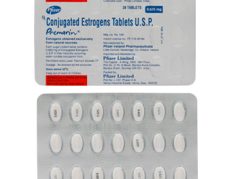
Hot flashes, night sweats, and mood changes are common menopause symptoms that medications can help manage. Hormone replacement therapy (HRT) medications like Premarin and Estrace contain estrogen to reduce hot flashes and vaginal dryness. Non-hormonal options such as Effexor (venlafaxine) and Pristiq (desvenlafaxine) are SSRIs that help many women manage hot flashes without hormones. Black cohosh supplements are a natural alternative that some women find helpful for symptom management.
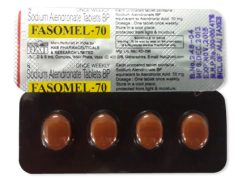
The decrease in estrogen during menopause increases osteoporosis risk in women. Calcium supplements combined with vitamin D support bone density maintenance. Medications like Fosamax (alendronate) are prescribed to strengthen bones and prevent fractures. Regular exercise and dietary adjustments also play important roles in maintaining bone health during this transition.
Vaginal dryness and discomfort are common menopause symptoms that affect many women. Vaginal moisturizers like Hyalo Gyn and Hyavive provide daily hydration relief. Vaginal estrogen products such as Vagifem tablets and Estrace cream offer localized hormone therapy specifically for vaginal tissues. These treatments help restore comfort and improve intimate wellness during menopause.
Urinary tract health is an important concern for many women, as they are more prone to urinary tract infections and bladder issues than men. Proper prevention and treatment help maintain comfort and quality of life while supporting overall wellness.
Antibiotics are the primary treatment for urinary tract infections in the United States. Commonly prescribed medications include Cipro (ciprofloxacin), Levaquin (levofloxacin), and Bactrim (sulfamethoxazole-trimethoprim). Phenazopyridine (Pyridium) is an over-the-counter pain reliever specifically designed to soothe bladder irritation and burning during UTI symptoms. Most uncomplicated UTIs clear within three to five days of antibiotic treatment when addressed promptly.
Several natural approaches support urinary tract health and may help reduce infection frequency:
Women with overactive bladder symptoms benefit from medications like Detrol (tolterodine) and Vesicare (solifenacin). These medications reduce bladder muscle contractions and help women regain control and confidence. Behavioral modifications and pelvic floor exercises often complement medication for optimal results.
Vaginal infections are extremely common in women and can cause significant discomfort. Multiple effective treatment options are available over-the-counter and by prescription to address these issues quickly and effectively.
Over-the-counter antifungal medications are highly effective for treating yeast infections. Monistat, available in one-day, three-day, and seven-day formulations, contains miconazole and provides flexible treatment options. Diflucan (fluconazole) is an oral prescription medication taken as a single dose that treats yeast infections systemically. Clotrimazole creams and suppositories are another popular OTC option for topical treatment. Most yeast infections clear within several days of starting appropriate treatment.
Bacterial vaginosis requires antibiotic treatment to restore vaginal flora balance. Metronidazole gel (MetroGel) is applied vaginally for five to seven days. Clindamycin cream is another prescription option that effectively treats this condition. Maintaining vaginal pH balance through proper hygiene and avoiding douching helps prevent recurrence.
Probiotic supplements containing lactobacillus strains support healthy vaginal flora and may reduce infection frequency. Gentle, fragrance-free cleansing products protect the vaginal environment and maintain natural balance. Regular healthcare visits help identify and treat infections early before symptoms worsen.
Breast health is a fundamental aspect of women's overall wellness. Regular self-examination, clinical exams, and appropriate screening help ensure early detection of any concerns and support long-term health.
Caffeine reduction often helps women with cyclical breast pain and tenderness. Over-the-counter pain relievers like ibuprofen and acetaminophen provide temporary relief when needed. Some women benefit from wearing supportive bras designed to minimize movement and discomfort. Evening primrose oil supplements are used by some women for breast health support.
Regular mammograms are recommended for women starting at age forty or fifty, depending on individual risk factors and healthcare provider recommendations. Clinical breast exams during routine healthcare visits help identify any changes or abnormalities. Women should perform self-examinations monthly to become familiar with their normal breast tissue and report any changes to healthcare providers immediately.
Benign breast lumps and cysts are extremely common in women and usually require no treatment. Supportive measures like proper bra fitting and pain management are often sufficient. Healthcare providers may recommend imaging or biopsy only when changes are concerning or new symptoms develop. Regular monitoring helps ensure any changes are appropriately evaluated.