{{ __('Your cart') }}0
0,00 $
0
items
0,00 $
Motion sickness is a common condition that occurs when there's a disconnect between the movement your eyes perceive and the motion your inner ear senses. This sensory conflict causes symptoms like dizziness, nausea, and vomiting. It typically happens during car rides, airplane flights, boat trips, or amusement park rides. Some people are more susceptible than others, with children between ages 2 and 12 and pregnant women being at higher risk. Understanding the causes and triggers can help you take preventive measures before traveling or engaging in activities that might provoke symptoms.
The most common trigger for motion sickness is travel by car, plane, or boat. Other risk factors include reading while traveling, sitting in seats where motion is most noticeable, not focusing on a fixed point, and anxiety about the journey. Genetics play a role too, as motion sickness tends to run in families. Women are more likely to experience motion sickness than men, and the condition is more prevalent in people with migraines. Certain medical conditions like inner ear problems can also increase your susceptibility.
Several effective over-the-counter medications are available in the United States to prevent and treat motion sickness. These medications work by blocking signals in the brain that trigger nausea and vomiting. Taking medication before your trip is more effective than waiting until symptoms appear. Most over-the-counter options are safe for adults and children, though dosages vary by age and product.
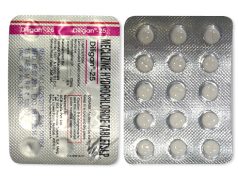
Dimenhydrinate, commonly known by brand names like Dramamine, is one of the most popular over-the-counter motion sickness medications. It works by reducing the sensitivity of the inner ear to motion. Meclizine, found in products like Bonine and Travel Eze, is another effective antihistamine that provides longer-lasting relief. These medications typically begin working within 30 minutes and can be taken before traveling. Cyclizine is another antihistamine option available in various formulations. Most antihistamines cause drowsiness, which some travelers find helpful for sleeping during trips.
Many people find relief with ginger supplements and ginger candies, which have been used traditionally for centuries. Ginger tablets are available over-the-counter and can reduce nausea without causing drowsiness. Peppermint aromatherapy and peppermint candies also provide relief for some individuals. Vitamin B6 supplements are another natural option that may help reduce motion sickness symptoms. These natural remedies are particularly appealing for travelers who prefer to avoid medications with potential side effects or drowsiness.
When over-the-counter medications aren't sufficient, doctors can prescribe stronger options for motion sickness. These prescription medications are typically reserved for people with severe symptoms or those who don't respond to non-prescription treatments. A healthcare provider can help determine if prescription medication is right for your situation.
Scopolamine is a prescription medication available as a patch that delivers medication through the skin. The Transderm Scop patch is worn behind the ear and provides protection for up to three days. This option is ideal for people taking extended trips or cruises. Another prescription option includes stronger antihistamines or anti-nausea medications that doctors may recommend. These medications are typically prescribed only when other treatments have failed or for individuals with particular medical needs.
Beyond medications, several practical strategies can help prevent and reduce motion sickness symptoms. These methods work well alone or combined with medication for maximum effectiveness. Many travelers find that using these techniques means they can reduce medication usage or avoid it entirely.
Sitting in the front seat of a car or middle section of a plane helps reduce motion perception. Focus your eyes on a fixed point on the horizon or straight ahead rather than objects moving past you. Avoid reading, using phones, or looking at screens while traveling, as these activities can worsen symptoms. Keeping your head still and supported against a headrest reduces inner ear confusion. Increasing ventilation and keeping the environment cool also helps, as stuffiness can trigger nausea. Sitting facing the direction of travel rather than sideways is another helpful positioning technique.
Deep breathing exercises can calm your nervous system and reduce nausea. Practice slow, deliberate breathing before and during your trip. Progressive muscle relaxation helps decrease tension that can worsen symptoms. Staying hydrated and eating light, bland foods before traveling supports your system. Avoiding heavy meals, caffeine, and alcohol prevents additional triggers. Mental distraction techniques like listening to music, podcasts, or audiobooks can help redirect your attention away from motion sensations.
Beyond medications, various products and accessories are designed to help manage motion sickness. These items offer practical solutions that work well alongside other prevention methods. Many travelers use combinations of these tools for optimal symptom management.
Sea-Bands and similar acupressure wristbands apply gentle pressure to specific points on your wrist believed to help reduce nausea. These bands are drug-free and safe for all ages, including children and pregnant women. Many travelers find them effective when used consistently throughout their journey. Another option includes specialized pillows designed to support proper head positioning and reduce motion perception. Sunglasses or special glasses that reduce peripheral vision can also help by limiting visual input that triggers symptoms. These products work by addressing the sensory conflicts that cause motion sickness.
While motion sickness is usually temporary and harmless, certain situations warrant professional medical advice. A healthcare provider can help determine the best treatment plan tailored to your specific needs. They can also rule out other conditions that might cause similar symptoms.
Consult a doctor if motion sickness severely impacts your quality of life or prevents you from traveling. If over-the-counter medications aren't working, prescription options might be appropriate. People with heart conditions, high blood pressure, or taking multiple medications should discuss motion sickness treatment with their healthcare provider before using any new medication. Pregnant women should consult their doctor before starting any new medication. If nausea persists after travel ends or is accompanied by other symptoms like fever or severe headache, medical evaluation is necessary.
Key situations when you should seek professional guidance include:
Keeping a record of what works best for you helps guide future treatment decisions and provides valuable information to share with your healthcare provider.