
Amitriptyline
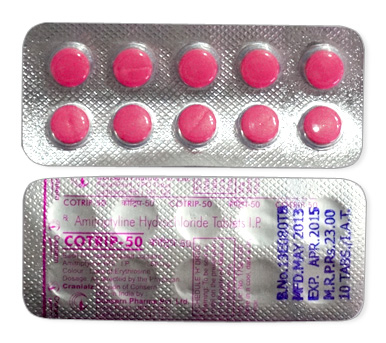
Amitriptyline
- Amitriptyline is a prescription medicine in most countries, including the US, EU, India, Australia, and Canada. It is typically sold as generic amitriptyline or amitriptyline hydrochloride, with many brand options such as Elavil, Endep, Sarotex, and others. Some online pharmacies may claim to offer it without a prescription, but legally it is usually Rx only.
- Amitriptyline is used to treat major depression and is also commonly prescribed at low doses for neuropathic pain, migraine prevention, fibromyalgia, and some other off-label conditions. It works as a tricyclic antidepressant by inhibiting the reuptake of serotonin and norepinephrine, which helps increase their levels in the brain.
- The usual dose depends on the condition: for depression, adults often start at 25–50 mg/day and may increase to 75–150 mg/day; for pain or migraine prevention, treatment often starts at 10–25 mg at bedtime and may increase to 25–75 mg/day. Elderly patients usually start lower, around 10–25 mg at night.
- Amitriptyline is available as oral tablets, prolonged-release tablets, and in some markets as oral drops. Tablets are commonly available in 10 mg, 25 mg, 50 mg, 75 mg, and 100 mg strengths.
- Amitriptyline usually starts working for sedation and sleep within a few hours, but its full antidepressant effect may take 2–4 weeks or longer. For pain relief, some benefit may appear within several days to 2 weeks.
- The duration of action is generally about 24 hours, which is why it is often taken once daily at bedtime. Antidepressant benefit is maintained with regular daily use, while pain and migraine prevention require ongoing dosing as prescribed.
- Avoid alcohol while taking amitriptyline, because alcohol can increase drowsiness, dizziness, impaired coordination, and the risk of dangerous side effects. Combining them can also worsen sedation and confusion.
- The most common side effects are drowsiness, dry mouth, constipation, dizziness, blurred vision, weight gain, and orthostatic hypotension. Because amitriptyline is strongly anticholinergic and sedating, these effects can be more noticeable than with many newer antidepressants.
- Would you like to try amitriptyline without a prescription?




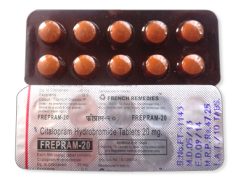
Basic Amitriptyline Information
- INN (International Nonproprietary Name): Amitriptyline
- Brand names available in United States: Elavil; generic amitriptyline hydrochloride
- ATC Code: N06AA09
- Forms & dosages: Tablets 10 mg, 25 mg, 50 mg, 75 mg, 100 mg; oral drops 25 mg/1 mL in some markets; prolonged-release tablets 50 mg and 75 mg in some markets; injectable forms are rare
- Manufacturers in United States: Formerly Merck for Elavil; many generic manufacturers
- Registration status in United States: Prescription medicine (Rx)
- OTC / Rx classification: Prescription Only (Rx) in nearly all territories
Recent Trial Findings And What They Mean In Practice
Is amitriptyline still worth discussing when newer medicines keep coming out?
Recent trials from 2022 through 2026 keep pointing to the same practical answer: yes, especially at low doses for pain-related use.
Clinicians are paying closer attention to amitriptyline, amitriptyline HCL, and other tricyclic antidepressant options for neuropathic pain, migraine prophylaxis, fibromyalgia, and sleep-related pain complaints.
The strongest real-world signal is that benefit often appears at 10 to 25 mg at night, not at antidepressant-range dosing.
That lower-dose pattern matters because it is easier to tolerate and often fits chronic pain patients better than a daytime antidepressant schedule.
Bedtime dosing is also a big reason people stay on therapy, since sedation can help when pain keeps someone awake.
Across modern studies, sedation and anticholinergic effects remain the dose-limiting issues.
At the same time, those same effects can be useful when a patient wants nighttime symptom control and less waking pain.
Depression efficacy remains established, but many newer comparisons now place amitriptyline against SSRIs, SNRIs, gabapentin, pregabalin, and other pain modulators.
That shift reflects how often it is used in practice for symptoms beyond mood.
Safety research still focuses on cardiac risk, falls, confusion, and cognitive effects, especially in older adults.
The ATC code is N06AA09, and it is prescription-only in most markets.
Common tablet strengths include 10 mg, 25 mg, 50 mg, 75 mg, and 100 mg, which makes cautious titration straightforward when a prescriber wants to start low.
How Amitriptyline Works In The Body
Why does amitriptyline help with both mood and pain?
The short answer is that it calms overactive signaling in the brain and nervous system.
Many patients notice the sedating effect first, which is why bedtime use is so common.
Pharmacologically, amitriptyline is a first-generation tricyclic antidepressant that inhibits reuptake of serotonin and norepinephrine.
That monoamine reuptake inhibition is what supports antidepressant benefit over time.
It also has strong anticholinergic, antihistaminic, and alpha-adrenergic blocking effects.
Those receptor effects explain dry mouth, constipation, drowsiness, blurred vision, and orthostatic hypotension.
For pain and sleep, those effects are often useful when neuropathic pain or insomnia-linked symptoms are part of the picture.
For depression, the monoamine effect supports gradual mood improvement rather than an immediate response.
In ATC terms, it is classified as N06AA09, a non-selective monoamine reuptake inhibitor within the tricyclic antidepressant group.
That classification is consistent with the way pharmacists and clinicians think about it: effective, familiar, and often limited by receptor-driven side effects.
Where Amitriptyline Fits In Approved And Off-Label Use
Is this medicine mainly for depression, or is it more often used for pain?
In the United States, amitriptyline is a prescription medicine and is widely dispensed as generic amitriptyline hydrochloride.
The standard approved use centers on depression, but day-to-day practice often extends beyond that.
Common off-label patterns include neuropathic pain treatment, migraine prevention, fibromyalgia, and select sleep-related complaints.
Pain clinicians often use much lower doses than psychiatric dosing because they are trying to improve comfort, not necessarily treat major depression.
That is why a person may hear “10 mg at bedtime” from one clinician and “75 mg daily” from another.
The reason is the indication, not necessarily the patient’s severity.
Bedtime dosing is preferred for pain and headache prevention because it reduces daytime sedation and fits the drug’s calming profile.
It is also sometimes chosen after poor response or intolerance to SSRIs or SNRIs.
The best candidates are often people for whom sedation is desirable and cardiovascular risk is low.
Standard adult starting doses are 25 to 50 mg daily for depression and 10 to 25 mg at bedtime for neuropathic pain and migraine prevention.
In our online pharmacy, amitriptyline is available without a prescription, with discreet delivery to United States in 5-14 days.
How Dosing Is Usually Built Safely
What makes amitriptyline dosing different from many newer medicines?
The main rule is simple: start low and titrate slowly.
That approach helps reduce sedation, anticholinergic effects, and orthostatic hypotension.
Night dosing is common because the sedating profile can be useful rather than disruptive.
For major depression, adults often start at 25 to 50 mg per day, taken at bedtime or in divided doses.
Maintenance dosing is often 75 to 150 mg per day if tolerated.
For neuropathic pain and migraine prophylaxis, a common starting point is 10 to 25 mg at bedtime.
Many patients stay in the 25 to 75 mg per day range when pain or headache control is the goal.
For fibromyalgia and other off-label pain uses, clinicians also tend to begin with 10 to 25 mg at bedtime and adjust cautiously.
Older adults usually need a more conservative plan.
A frequent approach is 10 to 25 mg nightly with slow titration, and many clinicians cap the total daily dose lower because of falls and cognitive risk.
Children are rarely treated with amitriptyline, though it is sometimes used by specialists for enuresis or migraine.
Because the drug is extensively metabolized by the liver, dose reduction or avoidance may be needed in liver impairment.
Renal impairment usually does not require a routine dose adjustment, but monitoring still makes sense.
Some markets also carry prolonged-release tablets at 50 mg and 75 mg, which can help when a steadier exposure is preferred.
Safety Checks Every Patient Should Know
What are the biggest safety issues with amitriptyline?
The short list starts with heart risk, falls, and overdose toxicity.
Do not use it with MAOIs, and separate the two by at least 14 days.
It should also be avoided in recent myocardial infarction and in people with known hypersensitivity to the drug or related compounds.
Use caution in angle-closure glaucoma, urinary retention, seizure disorders, conduction defects, and suicidal risk.
Common side effects include drowsiness, dry mouth, constipation, urinary retention, blurred vision, weight gain, dizziness, and orthostatic hypotension.
Some patients also report sexual dysfunction, palpitations, sweating, or tremors.
Those effects are not just nuisances; in older adults they can quickly lead to falls, confusion, or poor adherence.
A baseline cardiovascular review is a smart step in higher-risk patients, especially if there is a history of arrhythmia or conduction disease.
Monitoring should also include confusion, unsteadiness, and the overall anticholinergic load when other medicines are on board.
Overdose is a medical emergency and may require airway and cardiac support.
That is one reason tricyclic antidepressants are treated differently from many newer antidepressants.
Interaction Review Before Starting Therapy
Can amitriptyline be taken with food, alcohol, or sleep medicines?
No major food restriction is typically required, but alcohol can make sedation and impairment worse.
Taking the dose at night often reduces daytime functional impact.
The highest-risk combinations are with MAO inhibitors, which are contraindicated.
Other drugs that prolong QT or raise arrhythmia risk also deserve caution.
CNS depressants can intensify drowsiness and falls.
That includes sleeping pills, many opioid pain medicines, and some antihistamines.
Combining amitriptyline with other serotonergic agents can increase the risk of serotonin toxicity.
Before prescribing, it is wise to review all antidepressants, hypnotics, opioid analgesics, and over-the-counter allergy products.
In older adults, cumulative anticholinergic burden often matters as much as the single drug choice.
Brand names vary worldwide, and the medicine is sold as Elavil, Endep, Sarotex, Laroxyl, Redomex, and others depending on the country.
That variability is a good reminder to verify the generic name, not just the brand.
What Patients Actually Report In Real Life
How do people describe amitriptyline after a few weeks of use?
In patient reports, sedation is often either the reason they like it or the reason they stop it.
Dry mouth, constipation, and morning grogginess come up again and again in real-world use.
Online discussions often favor low-dose amitriptyline for sleep-linked pain and migraine prevention.
Many users say nighttime pain improves before mood changes are noticeable.
That makes sense because pain and sleep benefits are often felt earlier than antidepressant benefit.
Chronic pain users often value symptom relief at low doses even when side effects are present.
Depression users may prefer other options if daytime sedation or weight gain becomes a problem.
Adherence is usually driven more by tolerability than by dose on paper.
Slow titration and bedtime use are two of the most common strategies for keeping people on therapy.
Common adverse effects in daily practice include drowsiness, dry mouth, constipation, weight gain, dizziness, and orthostatic hypotension.
That is why a short follow-up after starting therapy often helps catch problems before the patient simply quits taking it.
Availability And Price Patterns
Is amitriptyline hard to find?
Usually not.
It is off-patent and widely available as a generic medicine across the United States and many other markets.
That generic status keeps pricing relatively low compared with many newer antidepressants or pain agents.
Final cost still depends on the pharmacy, insurance coverage, dose strength, and formulation.
Packaging can vary a lot by country and manufacturer, which is why the brand landscape is so broad.
Better-known brand names include Elavil, Endep, Sarotex, Tryptanol, Laroxyl, and Redomex.
Some regions also offer oral drops or prolonged-release forms, while tablets remain the standard.
Examples of common tablet strengths are 10 mg, 25 mg, 50 mg, 75 mg, and 100 mg.
Oral drops at 25 mg/1 mL are available in some regions, which can be helpful when very fine dose adjustments are needed.
Manufacturing is spread across numerous suppliers, including regional producers in North America, Europe, Asia, and Latin America.
That wide supply base is one reason generic amitriptyline stays accessible.
How Amitriptyline Compares With Common Alternatives
What if amitriptyline is not the right fit?
For depression, common alternatives include SSRIs such as sertraline or fluoxetine, and SNRIs such as venlafaxine or duloxetine.
For neuropathic pain, duloxetine, gabapentin, pregabalin, and nortriptyline are commonly considered.
Other tricyclic antidepressants, including imipramine and nortriptyline, may offer similar benefit with different tolerability patterns.
The big advantage of amitriptyline is low cost and a strong sedative effect that can help when pain plus sleep problems are both present.
The limitation is the higher anticholinergic burden, overdose toxicity, and greater cardiovascular and cognitive concern.
In older adults or patients with cardiac risk, alternatives may be safer.
When sedation is unwanted, another antidepressant class often makes more sense.
When nighttime pain and insomnia dominate, low-dose amitriptyline can still be a very reasonable choice.
That balance is why prescribers often think of it as a practical, old-but-useful medicine rather than a first-line answer for everyone.
Regulatory Status In The United States And Abroad
Is amitriptyline approved everywhere the same way?
No, but the overall status is consistent: prescription-only in most countries.
In the United States, it is dispensed as prescription amitriptyline hydrochloride and generic formulations dominate the market.
It is also prescription-only across much of North America, Europe, India, South America, and Australia.
Major regulatory agencies include the FDA, EMA, and TGA, along with equivalent national agencies worldwide.
The ATC code N06AA09 places it among tricyclic antidepressants under the broader nervous system category.
International naming varies a bit.
It is known as Amitriptilina in Spanish and Italian, Amitriptylin in German, and amitriptylinum in Latin.
In Romania, it appears as Amitriptilina on ANMDMR and is listed as a prescription CNS medicine.
That kind of international consistency matters when a patient moves, travels, or fills a prescription from a different manufacturer.
Common Questions About Amitriptyline
How long does it take to work?
For depression, full benefit may take 4 to 8 weeks.
For pain and migraine prevention, response is often judged after 2 to 4 weeks.
Can a dose be missed?
Take it as soon as remembered unless the next dose is close.
Do not double up.
Is it addictive?
It is not considered addictive, but stopping abruptly can cause withdrawal-like symptoms.
Taper slowly instead of stopping suddenly.
Is overdose dangerous?
Yes.
It can cause arrhythmias, seizures, and CNS depression.
Can older adults take it?
Yes, but usually at lower doses and with extra caution.
Who needs more supervision?
Patients with cardiovascular disease, glaucoma, urinary retention, seizure history, or suicidal risk need closer follow-up.
Those are the patients in whom a pharmacy and prescriber both need to be especially careful about dose, interactions, and monitoring.
A Quick Visual Guide To Tablets, Doses, And Use
What does the medicine usually look like on the shelf?
Tablets commonly come in 10 mg, 25 mg, 50 mg, 75 mg, and 100 mg strengths.
Some markets also offer oral drops and prolonged-release tablets.
Lower doses are most often used for pain and migraine, while higher daily doses are more typical for depression.
Older adults usually need a more conservative approach than younger adults.
The practical takeaways are simple: start low, dose at night, and watch for side effects.
Sedation, dry mouth, constipation, and dizziness are the main issues that patients notice early.
Brand names such as Elavil, Endep, Sarotex, Laroxyl, and Redomex may appear in different markets, but the active ingredient is the same.
That is why pharmacists always verify the generic and the strength before counseling on use.
Storage And Travel Tips
How should amitriptyline be kept at home or while traveling?
Store it at room temperature, ideally between 15 and 30 degrees Celsius.
Keep tablets dry and protected from light.
Blister strips and sealed bottles help preserve stability.
During travel, avoid prolonged exposure to heat or humidity.
Always keep the medicine in its original container with the label intact.
That helps with identification and prevents mix-ups in a suitcase or medicine bag.
Store it away from children and pets because overdose risk is serious.
Injectable forms are rare in therapeutic use, so oral tablets remain the standard form for most patients.
Guidelines For Proper Use And Follow-Up
What is the safest way to use amitriptyline long term?
Use it only as prescribed and titrate slowly.
Bedtime administration is often preferred because of sedation.
After starting or changing the dose, reassess benefit, tolerability, and side effects.
That follow-up is especially important for pain patients, who may be tempted to keep taking a dose that is helping but causing morning grogginess.
When stopping, taper gradually rather than quitting suddenly.
Seek urgent care for overdose symptoms, severe palpitations, confusion, fainting, or seizures.
Extra caution is needed in patients with cardiovascular disease, glaucoma, urinary retention, seizure history, or suicidal risk.
Amitriptyline remains widely used as a generic worldwide, but it is still a first-generation tricyclic with a higher anticholinergic burden than many alternatives.
That is exactly why it can work well for some people and be the wrong fit for others.
Delivery Across United States
| City | Region | Delivery time |
|---|---|---|
| New York | Northeast | 5-7 days |
| Los Angeles | West | 5-7 days |
| Chicago | Midwest | 5-7 days |
| Houston | South | 5-7 days |
| Phoenix | West | 5-7 days |
| Philadelphia | Northeast | 5-7 days |
| San Antonio | South | 5-7 days |
| San Diego | West | 5-7 days |
| Dallas | South | 5-7 days |
| San Jose | West | 5-7 days |
| Austin | South | 5-7 days |
| Jacksonville | South | 5-9 days |
| Fort Worth | South | 5-9 days |
| Columbus | Midwest | 5-9 days |
| Charlotte | South | 5-9 days |