{{ __('Your cart') }}0
0,00 $
0
items
0,00 $
Cholesterol is a waxy substance found in your blood and cells that plays an important role in building hormones, vitamin D, and bile acids. While your body needs cholesterol to function properly, high cholesterol levels can increase your risk of heart disease and stroke. There are two main types of cholesterol: LDL (low-density lipoprotein), often called "bad cholesterol," and HDL (high-density lipoprotein), known as "good cholesterol." Understanding the difference between these types helps you manage your cardiovascular health effectively.
Many Americans have high cholesterol without experiencing any symptoms, making regular blood tests essential for early detection and prevention. Your doctor can recommend appropriate lifestyle changes or medications based on your cholesterol levels and overall health profile. Taking control of your cholesterol today can significantly reduce your risk of serious health complications in the future.
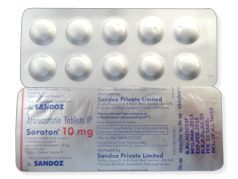
Statins are the most commonly prescribed cholesterol-lowering medications in America. These drugs work by blocking an enzyme your liver needs to make cholesterol. Popular statin options include atorvastatin, simvastatin, rosuvastatin, and pravastatin. Statins not only reduce LDL cholesterol but also provide anti-inflammatory benefits that help protect your heart. Most patients tolerate statins well, though some may experience muscle pain or weakness. Your pharmacist can explain potential side effects and help you find the right dosage for your needs.
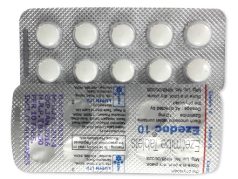
Ezetimibe works differently than statins by reducing cholesterol absorption in your intestines. This medication is often used alongside statins for additional LDL reduction. It's particularly useful for patients who cannot tolerate high doses of statins or need additional cholesterol control. Ezetimibe is available as a standalone medication or combined with statin therapy in single-pill formulations for added convenience.
PCSK9 inhibitors represent a newer class of cholesterol medications for patients with very high cholesterol or those who cannot reach their cholesterol goals with statins alone. These injectable medications work by helping your liver remove more LDL cholesterol from your blood. Common options include alirocumab and evolocumab, administered through regular injections at home. These medications are particularly effective for patients with familial hypercholesterolemia or those requiring aggressive cholesterol reduction.
Managing cholesterol extends beyond medication. A heart-healthy diet rich in fruits, vegetables, whole grains, and lean proteins significantly impacts your cholesterol levels. Reducing saturated fats and avoiding trans fats helps lower LDL cholesterol naturally. Regular physical activity, such as brisk walking, swimming, or cycling for at least 150 minutes weekly, improves your HDL cholesterol and overall cardiovascular health.
Maintaining a healthy weight, quitting smoking, and limiting alcohol consumption are crucial steps in cholesterol management. Many pharmacists offer consultation services to help you develop personalized prevention strategies alongside your medications. These lifestyle modifications often allow patients to reduce medication doses or achieve better overall results. Consider implementing these changes:
Regular cholesterol testing is fundamental to managing your health. A lipid panel measures total cholesterol, LDL, HDL, and triglycerides, providing a complete picture of your cardiovascular risk. Most doctors recommend cholesterol screening every four to six years for adults, or more frequently if you have risk factors such as diabetes, high blood pressure, or a family history of heart disease.
After starting cholesterol medication, your doctor will monitor your levels to ensure the medication is working effectively. Home testing kits are also available for convenient monitoring between doctor visits. Understanding your cholesterol numbers empowers you to make informed decisions about your treatment plan and lifestyle choices. Work with your healthcare provider to establish target cholesterol levels that are appropriate for your individual health situation.
Certain populations require special attention when managing cholesterol. Pregnant women, children, and patients with liver disease need personalized approaches to cholesterol management. Some cholesterol medications interact with other drugs you might be taking, including blood thinners, certain antibiotics, and antifungal medications. It's essential to inform your pharmacist about all medications and supplements you're taking.
Grapefruit and grapefruit juice can interfere with statin metabolism, potentially increasing side effects. Your pharmacist serves as an important resource for identifying potential interactions and ensuring safe medication use. Regular communication with your healthcare team helps prevent complications and optimizes your cholesterol management strategy. Always disclose your complete medication history and any over-the-counter products you use regularly.
Many patients wonder if they need lifelong medication for cholesterol management. In most cases, once you start cholesterol medication, you'll continue taking it long-term because cholesterol naturally returns to higher levels when treatment stops. People often ask whether diet alone can control cholesterol, and while healthy eating helps significantly, many patients require medication to reach therapeutic goals.
Some patients worry about statin side effects and whether alternatives exist. Your doctor can discuss various options and find the best approach for your individual situation. Questions about cost, generic versus brand-name medications, and insurance coverage are common concerns that your pharmacy team can address. Generic cholesterol medications are often just as effective as brand-name versions at a lower cost. Our pharmacy staff can help you navigate insurance requirements and find the most affordable options for your specific medication needs.
Don't hesitate to ask your pharmacist or doctor any questions about your cholesterol management plan. Your pharmacy team is dedicated to helping you achieve optimal health outcomes and supporting you throughout your cholesterol management journey. Whether you're just beginning cholesterol treatment or have been managing it for years, we're here to provide professional guidance, medication counseling, and ongoing support.