{{ __('Your cart') }}0
0,00 $
0
items
0,00 $
Alcoholism, also known as alcohol use disorder (AUD), is a chronic medical condition characterized by an inability to control alcohol consumption despite negative consequences. This serious condition affects millions of Americans and can impact physical health, mental well-being, relationships, and professional life. Understanding the nature of alcoholism is the first step toward recovery and seeking appropriate treatment.
Alcoholism develops when regular alcohol consumption leads to dependence, where the body and mind become reliant on alcohol. The condition exists on a spectrum from mild to severe, with symptoms including increased tolerance, withdrawal symptoms when not drinking, failed attempts to cut down, and continued use despite awareness of problems. Recognizing these signs early can be crucial for intervention and treatment success.
The causes of alcoholism are complex and multifactorial. Genetic predisposition plays a significant role, as individuals with family histories of alcoholism face higher risks. Environmental factors such as stress, trauma, peer pressure, and easy access to alcohol also contribute. Mental health conditions like depression and anxiety frequently co-occur with alcoholism and may serve as underlying causes or consequences of alcohol abuse.
Several FDA-approved medications are available in the United States to help manage alcohol use disorder and support recovery. These medications work through different mechanisms to reduce cravings, block the rewarding effects of alcohol, or manage withdrawal symptoms, making them valuable tools in comprehensive treatment programs.
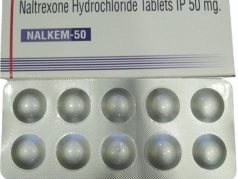
Naltrexone is one of the most commonly prescribed medications for alcoholism treatment. Available in oral form (ReVia, Depade) and extended-release injection (Vivitrol), naltrexone works as an opioid antagonist that blocks the pleasurable effects of alcohol. This medication helps reduce cravings and decreases the likelihood of relapse. Patients typically take oral naltrexone daily, while the injection form is administered monthly for improved compliance.
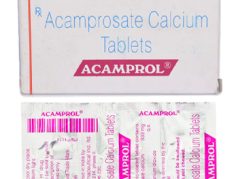
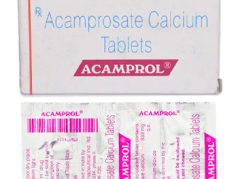
Acamprosate (Campral) is another FDA-approved medication that helps maintain abstinence by restoring balance to neurotransmitter systems disrupted by chronic alcohol use. This medication is particularly useful for patients who have already stopped drinking and want to prevent relapse. Acamprosate has minimal side effects and does not interact significantly with alcohol, making it a safe option for many patients.
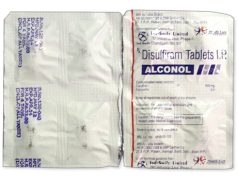
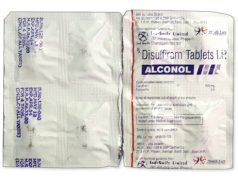
Disulfiram (Antabuse) takes a different approach by causing unpleasant physical reactions when alcohol is consumed. This medication creates a deterrent effect by producing flushing, nausea, vomiting, and chest pain if alcohol is ingested while taking the drug. Disulfiram requires strong motivation and commitment, as it works through negative reinforcement rather than addressing underlying cravings.
Alcohol withdrawal can be a serious and potentially dangerous medical condition that occurs when someone with alcohol dependence suddenly stops drinking. Proper medical management of withdrawal symptoms is essential to ensure safety and comfort during the detoxification process.
Benzodiazepines are commonly prescribed to manage acute withdrawal symptoms. Medications like diazepam (Valium), lorazepam (Ativan), and chlordiazepoxide (Librium) help reduce anxiety, tremors, seizure risk, and other withdrawal symptoms. These medications require careful monitoring due to their own potential for dependence, but they are essential for managing severe withdrawal safely.
Thiamine (Vitamin B1) supplementation is crucial during alcohol withdrawal and treatment, as chronic alcohol use depletes this essential nutrient. Thiamine deficiency can lead to serious neurological complications, including Wernicke-Korsakoff syndrome. Healthcare providers typically prescribe high-dose thiamine supplementation to prevent these complications and support neurological recovery.
Additional supportive medications may address specific withdrawal symptoms. Anti-nausea medications, blood pressure regulators, and sleep aids help manage discomfort during detoxification. Magnesium supplementation can help reduce tremors and muscle weakness. A comprehensive approach to withdrawal management ensures patient comfort and encourages continued engagement with treatment.
Successful alcoholism treatment typically requires a multifaceted approach combining medication, behavioral therapy, and support systems. While medications address the biological aspects of addiction, psychological and social interventions address underlying issues and behavioral patterns.
Cognitive behavioral therapy (CBT) helps patients identify triggers, develop coping strategies, and change thought patterns that lead to alcohol use. This evidence-based therapy focuses on building skills to manage stress, resist cravings, and maintain sobriety. Many patients benefit from individual or group CBT sessions as part of their treatment plan.
Support groups such as Alcoholics Anonymous (AA), SMART Recovery, and other peer-led programs provide community, accountability, and shared experiences. These groups offer free, accessible support that complements professional treatment. Many members find the fellowship and structured program helpful for long-term recovery maintenance.
Treatment options available include:
Long-term recovery from alcoholism requires significant lifestyle modifications and the development of healthy coping mechanisms. These changes support medication effectiveness and address the root causes and triggers of alcohol use.
Stress management techniques including exercise, meditation, yoga, and mindfulness help reduce anxiety and improve overall mental health. Regular physical activity releases endorphins, improves sleep quality, and boosts mood naturally. These activities provide healthy outlets for managing emotions that previously led to alcohol use.
Social support is critical for sustained recovery. Patients benefit from spending time with supportive friends and family, avoiding high-risk environments, and establishing new social connections through support groups or recreational activities. Strong relationships and positive social influences significantly increase the likelihood of successful long-term recovery.
Professional counseling addresses underlying psychological issues such as depression, anxiety, or trauma that often accompany alcoholism. Addressing co-occurring mental health conditions is essential, as they often underlie and perpetuate alcohol use disorder. Mental health treatment integrated with alcoholism recovery improves overall outcomes and reduces relapse risk.
Numerous resources are available to help individuals struggling with alcoholism access treatment and support. Taking the first step toward recovery involves reaching out to healthcare providers, treatment facilities, or support organizations.
Insurance coverage for alcoholism treatment varies by plan, but most insurance companies cover medications and rehabilitation services. Medicare and Medicaid provide coverage for qualifying individuals. Community health centers and public health departments offer treatment options for uninsured and underinsured patients.
The SAMHSA National Helpline provides free, confidential referrals to local treatment facilities and support groups. Healthcare providers can assess individual needs and recommend appropriate treatment options. Treatment facilities range from hospital-based programs to private clinics and community organizations, offering flexibility to meet different needs and circumstances. Recovery is possible with proper treatment, support, and commitment to sustainable lifestyle changes.