
Paxil
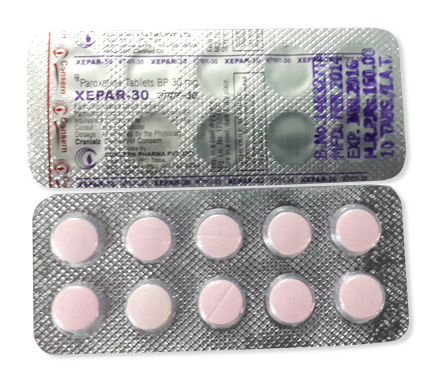
Paxil
- Paxil (paroxetine) is available from pharmacies and licensed online suppliers in the United States, EU, Canada, Australia and other countries, but it is legally a prescription-only (Rx) medicine in the markets listed; while some local pharmacies or unregulated online vendors may dispense it without a prescription, that is not legal or recommended—obtain it via a prescriber and a valid prescription.
- Paxil is used to treat major depressive disorder, panic disorder, generalized anxiety disorder, social anxiety disorder, obsessive–compulsive disorder, PTSD and PMDD; it is a selective serotonin reuptake inhibitor (SSRI) that increases serotonin levels by blocking neuronal serotonin reuptake.
- Usual adult doses vary by indication: typical starting dose for depression and many anxiety disorders is 20 mg once daily (maintenance commonly 20–50 mg/day); panic disorder often starts at 10 mg and may increase to 40 mg/day; OCD may be 20 mg starting and up to 40–60 mg/day; PMDD formulation uses 12.5 mg CR (12.5–25 mg/day CR); Brisdelle for menopausal hot flashes is 7.5 mg once daily. Lower starting doses (e.g., 10 mg) are recommended for the elderly and for hepatic/renal impairment, with cautious titration and lower maximums in these groups.
- Administered orally as immediate‑release tablets (10–40 mg), controlled‑release/CR tablets (12.5–37.5 mg), an oral suspension (10 mg/5 mL), or, in the US for menopausal symptoms, a 7.5 mg capsule (Brisdelle); typically taken once daily.
- Some symptomatic improvement may be noticed within 1–2 weeks for anxiety symptoms, but antidepressant effects commonly begin within 2–4 weeks and may take 4–6 weeks (or longer) for full therapeutic benefit.
- Paroxetine has a plasma half‑life of roughly 21–24 hours, supporting once‑daily dosing; clinical effects are sustained with daily administration, but full antidepressant benefits require weeks of treatment and continuation to prevent relapse.
- Do not drink alcohol while taking Paxil or limit alcohol severely—alcohol can increase drowsiness, impair judgment, worsen depression/anxiety and raise the risk of adverse effects.
- The most common side effects are nausea, drowsiness or insomnia, dry mouth, sweating, dizziness, sexual dysfunction (decreased libido, delayed ejaculation), appetite/weight changes, mild tremor and mild gastrointestinal upset (diarrhea or constipation); more serious risks include increased bleeding, hyponatremia (especially in the elderly), mania in bipolar disorder, and withdrawal symptoms on abrupt discontinuation.
- Would you like to try paxil without a prescription?
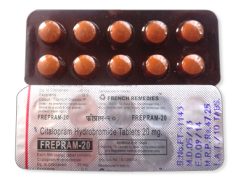
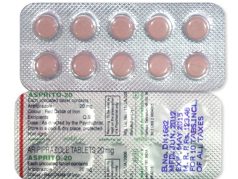
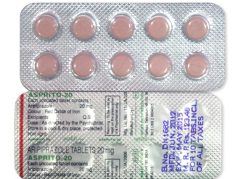
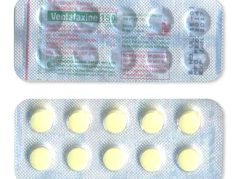
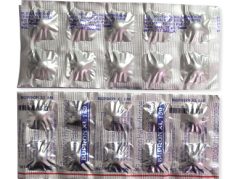
Basic Paxil Information
- INN (International Nonproprietary Name): Paroxetine
- Brand Names Available In United States: Paxil, Paxil CR, Brisdelle, Pexeva — marketed as tablets (film-coated), controlled-release (CR) tablets, oral suspension, and Brisdelle capsules for menopausal symptoms.
- ATC Code: N06AB05
- Forms & Dosages: Immediate-Release Tablets 10 mg, 20 mg, 30 mg, 40 mg; Controlled-Release Tablets 12.5 mg, 25 mg, 37.5 mg; Oral Suspension 10 mg/5 ml; Brisdelle Capsule 7.5 mg.
- Manufacturers In United States: GSK (GlaxoSmithKline) is the original manufacturer (Paxil/Seroxat) with generics supplied internationally by companies such as Apotex, Sandoz, Teva, Hexal, and Ratiopharm.
- Registration Status In United States: FDA approved since 1992 (NDA 020031); prescription-only (Rx).
- OTC / Rx Classification: Prescription only (Rx) in the United States.
Major 2022–2026 Studies
Worried whether Paxil still works as well as other SSRIs in recent research?
Recent randomized controlled trials through 2022–2024 and pooled meta-analyses continue to show paroxetine retains efficacy for panic disorder, obsessive-compulsive disorder, and generalized and social anxiety compared with placebo.
Head-to-head symptom-score comparisons often show paroxetine performing comparably with sertraline and escitalopram on primary endpoints.
Real-world cohort analyses have identified higher discontinuation rates for paroxetine than for sertraline or escitalopram, with tolerability driving much of the difference.
Many studies emphasize rapid symptomatic improvement in panic and social anxiety during early weeks of treatment with paroxetine.
Pooled data show robust effect sizes for OCD when higher doses (40–60 mg/day) are used.
Maintenance-phase trials support 6–12+ months of treatment to reduce relapse risk for anxiety and depressive disorders.
Recent pharmacovigilance papers highlight a notable frequency of withdrawal or discontinuation syndrome linked to paroxetine’s shorter half-life.
Older safety signals such as sexual dysfunction, weight changes, and gastrointestinal complaints remain the most common adverse effects reported.
Newer postmarketing data also underscore emergent hyponatremia risk in elderly cohorts treated with paroxetine.
Main Outcomes
Clinicians often see early improvement for panic and social anxiety symptoms with paroxetine.
OCD outcomes are dose-dependent, with higher maintenance doses delivering larger clinical benefits.
Relapse-prevention evidence supports continued treatment for at least 6 to 12 months for depressive and anxiety disorders.
Comparative trials place paroxetine in the same efficacy band as other SSRIs for many indications.
Real-world adherence is lower than some SSRIs, largely because of tolerability and withdrawal challenges.
Safety Observations
Common SSRI-class effects such as sexual dysfunction, mild weight change, and GI upset remain the main tolerability concerns with paroxetine.
Withdrawal or discontinuation syndrome is more frequent with paroxetine because its half-life is shorter than fluoxetine’s.
Postmarketing surveillance highlights an increased signal for hyponatremia in older patients and those on diuretics.
Monitoring for bleeding, especially with NSAIDs or anticoagulants, is advised per standard SSRI precautions.
Layman’s Explanation
What does paroxetine actually do to help anxiety or depression?
Paroxetine is an SSRI that raises serotonin levels in the spaces between brain cells by blocking the serotonin transporter.
More serotonin in those synapses helps stabilize mood and reduce anxiety symptoms, but the feeling of improvement usually takes a few weeks.
Patients sometimes notice sleep or appetite changes before mood lifts, and early anxiolytic effects can appear in panic and social anxiety.
Controlled-release Paxil CR can help smooth early side effects for sensitive patients by evening out blood levels.
Scientific Breakdown
Paroxetine binds with high affinity to the serotonin transporter (SERT; ATC N06AB05), preventing serotonin reuptake.
At higher doses there are modest effects on norepinephrine, while direct dopamine reuptake inhibition is negligible.
Clinical response typically lags behind the pharmacologic blockade of SERT, which is why symptom improvements take weeks despite early transporter occupancy.
These pharmacodynamic properties explain class-related adverse effects such as gastrointestinal upset and sexual dysfunction.
Pharmacokinetics & Implications
Paroxetine has a relatively short half-life compared with fluoxetine, producing greater day-to-day plasma fluctuations at steady state.
Those fluctuations contribute to a higher risk of discontinuation symptoms when doses are stopped or missed.
Metabolism is hepatic with CYP interactions possible, and paroxetine is a known CYP2D6 inhibitor.
Formulations include immediate-release tablets (10–40 mg), controlled-release Paxil CR (12.5–37.5 mg), and an oral suspension (10 mg/5 ml).
Clinical Impact
The mechanism explains why GI upset and sexual dysfunction are frequent complaints early in treatment.
Paxil CR may reduce early tolerability problems in patients starting paroxetine for anxiety or depression.
CYP2D6 inhibition means dose adjustments or monitoring may be needed when paroxetine is combined with certain antipsychotics or beta-blockers.
United States Approvals
Patients often ask which conditions Paxil is actually approved to treat in the US.
FDA-labeled indications include major depressive disorder, panic disorder, generalized anxiety disorder, social anxiety disorder, obsessive-compulsive disorder, PTSD, and PMDD.
Brisdelle (paroxetine 7.5 mg capsule) is specifically approved in the US for menopausal vasomotor symptoms.
Marketed forms in the United States include Paxil, Paxil CR, Pexeva, and Brisdelle.
All branded and generic forms are prescription-only, and dosing and formulation choices should align with labeled indications and patient-specific factors.
Notable Off-Label Trends
Clinicians sometimes use paroxetine off-label as part of chronic pain co-management or as an adjunct for sleep when anxiety predominates.
Paroxetine is occasionally chosen for anxiety-predominant presentations because some studies show early anxiolytic benefits.
Off-label prescribing is tempered by paroxetine’s tolerability profile and higher discontinuation syndrome risk compared with longer‑half‑life SSRIs.
When treating somatic symptom disorders, clinicians weigh benefit against side effects and explore alternatives if withdrawal history is present.
Regional Packaging & Access
Internationally paroxetine is sold under names such as Seroxat in the UK and Aropax in Canada and Australia.
European generics include Paroxetin Hexal and Paroxetin-ratiopharm, and local packaging and dose strengths can vary by market.
Romanian pharmacies list paroxetina generics via the ANMDMR database for up-to-date local availability.
General Dosing
What starting dose should a patient expect when prescribed Paxil for depression or anxiety?
Standard adult starting dose for major depression and many anxiety disorders is 20 mg once daily, with titration based on response and tolerability.
Immediate-release tablets are available in 10–40 mg strengths while Paxil CR provides controlled-release 12.5–37.5 mg options.
For patients sensitive to side effects a lower initiation dose with slower titration improves tolerability.
Condition-Specific Dosing
Panic disorder often starts at a lower dose, such as 10 mg, and titrates up to 40 mg/day as tolerated.
Obsessive-compulsive disorder typically requires higher maintenance doses, often 40–60 mg/day, for full effect.
PMDD dosing commonly uses CR 12.5–25 mg/day, and Brisdelle provides a 7.5 mg daily capsule for menopausal hot flashes.
Therapeutic decisions should match labeled dose ranges and individual response.
Special Populations & Adjustments
Elderly patients should start at around 10 mg/day and be titrated slowly because of hyponatremia and accumulation risk.
In liver or kidney impairment begin at 10 mg/day with slow increases and consider capping the dose at 40 mg/day for safety.
Children and adolescents are not routinely recommended for paroxetine because of suicidality concerns and limited efficacy data.
Contraindications
What can make Paxil unsafe for a given patient?
Absolute contraindications include recent or concurrent MAO inhibitor use (within 14 days) and concurrent use with pimozide or thioridazine due to serious cardiac risk.
Known hypersensitivity to paroxetine or any excipient also precludes use.
Adverse Effects
Common side effects include nausea, drowsiness, dry mouth, sweating, dizziness, and insomnia.
Sexual dysfunction, appetite or weight changes, mild tremor, and GI upset are frequent tolerability complaints.
Major risks that require caution are hyponatremia in elderly patients, increased bleeding risk when used with NSAIDs or anticoagulants, and the possibility of manic switch in undiagnosed bipolar disorder.
Monitoring Plan
Perform a baseline medication reconciliation to rule out MAOIs, pimozide, or thioridazine interactions.
Assess liver and renal function when clinically indicated and screen pregnancy status if relevant.
Monitor for suicidality in younger adults and for hyponatremia in at‑risk older patients or those on diuretics.
Plan gradual tapering and watch for withdrawal symptoms during dose reduction.
Food Interactions
Will food affect Paxil absorption or safety?
Paroxetine has no major food interactions that require strict avoidance, and food can reduce GI upset with immediate‑release tablets.
For patients who develop nausea, advise taking Paxil with food to improve tolerability.
The oral suspension is available for those who cannot swallow tablets.
Drug Combinations To Avoid
Concurrent use of MAO inhibitors carries a risk of serotonin syndrome and must be avoided within 14 days of paroxetine therapy.
Pimozide and thioridazine can cause QT prolongation and are contraindicated with paroxetine.
Caution is needed with other serotonergic drugs — triptans, SNRIs, tramadol — which increase serotonin syndrome risk.
Combining paroxetine with anticoagulants or NSAIDs raises bleeding risk and requires monitoring.
Cytochrome And Pharmacokinetic Interactions
Paroxetine is a CYP2D6 inhibitor and can raise plasma levels of CYP2D6 substrates such as certain antipsychotics and beta-blockers like metoprolol.
Dose adjustments or additional monitoring may be necessary when these combinations are needed.
Survey Data
Do patients feel better on Paxil compared with other options?
Patient-reported outcomes show paroxetine produces meaningful relief for many people, particularly in panic disorder and social anxiety.
Standardized surveys report higher rates of sexual dysfunction and discontinuation symptoms versus some other SSRIs, which correlates with lower long-term adherence in registries.
Those tradeoffs often factor into clinician selection and shared decision-making for long-term therapy.
Forum Trends
What do patients actually talk about online regarding Paxil?
Common forum themes include early gastrointestinal upset and fatigue, clinical improvement within weeks, and pronounced difficulty when stopping treatment.
Brisdelle users report relief from vasomotor symptoms but express concerns about using SSRIs long term in menopause.
Practical Counseling Points
Advise gradual titration at the start and a slow taper at discontinuation to reduce withdrawal risk.
Discuss sexual side effects up front and present switching strategies or adjunct options if sexual dysfunction becomes limiting.
Market Structure
How does pricing for Paxil compare across brands and generics?
The original brand is by GlaxoSmithKline and generics are commonly supplied by Apotex, Sandoz, Teva, Hexal, and Ratiopharm, which drives down retail price.
Formulation (CR vs IR), brand status, and pharmacy reimbursement influence out‑of‑pocket cost for patients.
In our online pharmacy, paxil is available without a prescription, with discreet delivery to United States in 5-14 days.
Pricing Drivers
Generic competition is the primary driver of lower prices for paroxetine tablets and suspension.
Branded Paxil CR and Brisdelle typically command higher retail prices than equivalent generics.
Insurance formularies, prior authorization rules, and mail-order options further shape patient cost and access.
Distribution Channels
Paroxetine is distributed through retail pharmacies, mail-order pharmacies, and clinics that treat menopausal symptoms for Brisdelle.
Online pharmacies may sell paroxetine with a prescription; verify legitimacy and ensure prescription requirements are met.
Geographic Variations
Brand names vary internationally: Seroxat in the UK and Aropax in Canada/Australia, while multiple generics are available in the EU and Romania.
Packaging and blister formats differ by market, so confirm dose strengths when dispensing imported brands.
Comparison Table (Descriptive)
How does paroxetine stack up against sertraline, fluoxetine, and escitalopram?
Efficacy across depression and many anxiety disorders is broadly comparable among these SSRIs on primary symptom measures.
Paroxetine tends to have higher rates of sexual dysfunction and more frequent discontinuation symptoms than sertraline or fluoxetine.
Fluoxetine’s longer half-life lowers withdrawal risk, making it a common choice for patients with prior discontinuation problems.
Pros And Cons
Pros of paroxetine include strong evidence for panic disorder and social anxiety, plus multiple formulations such as Paxil CR and oral suspension.
Brisdelle offers an FDA‑approved option for menopausal hot flashes at 7.5 mg.
Cons include a short half-life, pronounced withdrawal potential, relatively high sexual side-effect rates, and pregnancy‑associated risk signals requiring caution.
When To Choose Alternatives
Prefer sertraline or escitalopram when minimizing sexual side effects or when withdrawal avoidance is a priority.
Consider bupropion if sexual dysfunction or weight gain are major concerns.
SNRIs or mirtazapine may be chosen for comorbid pain or insomnia respectively, depending on the clinical picture.
Global Approvals
Paroxetine has been approved in multiple regions and has been on the US market since 1992 under FDA NDA 020031.
It is prescription-only across markets and available in branded and generic forms worldwide.
National agencies and the EMA list numerous brands such as Seroxat in the UK and regional generics across Europe and Canada.
Indication-Specific Approvals
FDA labeling covers MDD, panic disorder, GAD, social anxiety, OCD, PTSD, and PMDD, with Brisdelle specifically approved for vasomotor symptoms.
Formulation approvals include immediate-release, controlled-release, oral suspension, and Brisdelle capsules.
Safety Communications
Regulators have issued advisories about increased suicidality risk in younger people and pregnancy cautions for paroxetine.
Label updates include warnings on MAOI interactions and the risk of discontinuation syndrome, which has been documented postmarketing.
What Are Typical Starting Doses?
For most adults the usual starting dose is 20 mg/day for depression, GAD, and social anxiety.
Panic disorder often starts at 10 mg with titration, and OCD commonly requires 40–60 mg/day for full benefit.
Immediate-release tablets range from 10–40 mg and Paxil CR is available as 12.5–37.5 mg.
Is Paroxetine Safe In Pregnancy?
Use requires a careful risk–benefit discussion because some reports associate paroxetine with teratogenic risk signals.
Alternative antidepressants with more reassuring pregnancy data may be preferred when clinically appropriate.
How Long To Treat?
Minimum treatment is generally 6–12 months for depression and many anxiety disorders, and longer for OCD or relapse prevention.
How To Stop?
Discontinue gradually with dose reductions over weeks to months to reduce discontinuation syndrome.
Consider switching to an SSRI with a longer half-life before taper in patients with severe past withdrawal history.
Can I Drink Alcohol?
Advise caution because alcohol may worsen sedation and mood symptoms and interact with side effects.
Avoid heavy drinking while taking paroxetine.
Which Formulations Exist?
Available formulations include tablets (10–40 mg), Paxil CR (12.5–37.5 mg), oral suspension (10 mg/5 ml), and Brisdelle 7.5 mg capsule.
Visual Guide
Clinicians and patients benefit from simple, accessible visuals to support safe use of paroxetine.
Suggested visual: a dosing flowchart that maps start → titration checkpoints at 2–4 weeks → maintenance → tapering steps with nodes for condition-specific paths (panic 10→40 mg; OCD 20→60 mg).
Suggested visual: a side-effect risk map color-coded by prevalence with monitoring triggers for hyponatremia, bleeding, and suicidality.
Suggested visual: a formulation matrix comparing immediate-release, Paxil CR, oral suspension, and Brisdelle capsule with their dose strengths.
Suggested visual: an interaction diagram centered on paroxetine linked to MAOIs, pimozide/thioridazine, serotonergic drugs, CYP2D6 substrates, and anticoagulants/NSAIDs.
Design notes: prioritize large fonts, plain-language captions, and clinician quick-action checklists for contraindications and monitoring.
Storage & Transport
How should Paxil be stored at home or handled in the pharmacy?
Store all paroxetine forms at controlled room temperature (20–25°C / 68–77°F) and protect them from moisture and heat.
Keep tablets, CR tablets, and Brisdelle capsules in original packaging to preserve labeling and stability.
Transport non-controlled prescription medicines per standard pharmaceutical rules and avoid freezing or excessive agitation for the oral suspension.
Advise patients to keep medication out of reach of children and not to store it in bathrooms where humidity fluctuates.
Discard open suspension per pharmacy guidance and check expiration dates before use.
When dispensing imported brands, verify the label language and dose strengths match the intended prescription.
Prescribing Checklist
Before writing a prescription confirm the diagnosis matches labeled indications.
Review the medication list for MAOIs, pimozide, or thioridazine and assess serotonergic polypharmacy.
Screen pregnancy and breastfeeding status and discuss reproductive risks where relevant.
Initiation & Follow-Up
Begin at the lowest effective dose and schedule follow-up at 2–4 weeks to assess efficacy and side effects.
Monitor for suicidality especially in younger patients and check sodium in at-risk older patients.
Manage side effects with dose adjustment, taking with food for GI symptoms, or switching agent if intolerable.
Discontinuation Protocol
Plan a taper personalized to duration and dose; consider slow dose decrements over weeks to months.
For patients with prior severe discontinuation syndrome consider switching to an SSRI with longer half-life before taper.
Document consent discussions, adverse-event logs, and clear patient instructions for missed doses and overdose response.
Delivery Across United States
| City | Region | Delivery Time |
|---|---|---|
| New York | Northeast | 5-7 days |
| Los Angeles | West | 5-7 days |
| Chicago | Midwest | 5-7 days |
| Houston | South | 5-7 days |
| Phoenix | West | 5-7 days |
| Philadelphia | Northeast | 5-7 days |
| San Antonio | South | 5-7 days |
| San Diego | West | 5-9 days |
| Dallas | South | 5-9 days |
| San Jose | West | 5-9 days |
| Austin | South | 5-9 days |
| Jacksonville | South | 5-9 days |
| San Francisco | West | 5-9 days |
| Columbus | Midwest | 5-9 days |
| Indianapolis | Midwest | 5-9 days |
Consolidated FAQ
Q: What Are Typical Starting Doses?
A: For adults, 20 mg/day is standard for MDD, GAD, and SAD; start panic disorder at 10 mg and titrate; OCD often needs 40–60 mg/day.
Q: Is Paroxetine Safe In Pregnancy?
A: Use requires individualized risk–benefit counseling because some signals link paroxetine to fetal risk; avoid if safer alternatives are available.
Q: How Long To Treat?
A: Treat for a minimum of 6–12 months for depression and anxiety; OCD and relapse prevention may need longer therapy.
Q: How To Stop?
A: Taper gradually over weeks to months to lower discontinuation syndrome risk; Paxil CR can ease early tolerability during initiation.
Q: Can I Drink Alcohol?
A: Caution is advised because alcohol can worsen sedation and mood effects; avoid heavy or binge drinking.
Q: Which Formulations Exist?
A: Tablets 10–40 mg, Paxil CR 12.5–37.5 mg, oral suspension 10 mg/5 ml, and Brisdelle 7.5 mg capsule are available.
Storage And Handling Quick Tips
Store paroxetine at 20–25°C (68–77°F) and protect from moisture and heat.
Keep medications in original packaging and out of reach of children.
Do not store the oral suspension in freezing temperatures and avoid excessive shaking during transport.
Check expiry dates and follow pharmacy guidance for discarding partially used suspension bottles.
Final Notes For Clinicians
Match dosing strategy to indication and patient risk factors such as age, hepatic/renal impairment, and co-medications.
Screen carefully for contraindicated agents including MAOIs, pimozide, and thioridazine before prescribing.
Document shared decision-making around side effects, pregnancy risks, and taper plans in the medical record.
Consider alternatives such as sertraline or escitalopram when minimizing sexual side effects and withdrawal risk is a priority.