{{ __('Your cart') }}0
0,00 $
0
items
0,00 $
Hypertension, commonly known as high blood pressure, is a condition where the force of blood pushing against artery walls is consistently too high. Blood pressure is measured in two numbers: systolic pressure (the top number) and diastolic pressure (the bottom number). A reading of 130/80 mmHg or higher is generally considered high blood pressure. This silent condition often develops gradually without noticeable symptoms, making regular monitoring essential for early detection and treatment.
Hypertension affects millions of Americans and is a leading cause of heart disease and stroke. When left untreated, it can damage blood vessels, the heart, kidneys, and brain over time. Understanding your blood pressure numbers and knowing your risk factors is the first step toward managing this condition effectively. Risk factors include age, family history, obesity, sedentary lifestyle, excessive sodium intake, and chronic stress.
Primary hypertension accounts for about 90 percent of cases and develops gradually over time without an identifiable secondary cause. This type is influenced by genetics, lifestyle choices, and environmental factors. Maintaining a healthy weight, exercising regularly, and reducing sodium intake can help prevent or delay primary hypertension.
Secondary hypertension results from an underlying medical condition or medication side effect. Conditions causing secondary hypertension include kidney disease, thyroid problems, sleep apnea, and adrenal gland disorders. Treating the underlying cause often helps control blood pressure in these cases.
Several factors contribute to the development of hypertension. Major risk factors include being overweight, maintaining a sedentary lifestyle, excessive alcohol consumption, consuming a high sodium diet, experiencing chronic stress, and having a family history of high blood pressure. Age also plays a significant role, as blood pressure tends to increase with age. It's important to note that African Americans have higher rates of hypertension and tend to develop it earlier in life compared to other racial groups.
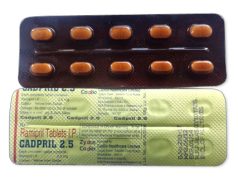
ACE inhibitors work by relaxing blood vessel walls and are commonly prescribed first-line medications. Popular options include Lisinopril, Enalapril, and Ramipril. These medications are effective for most patients and often have fewer side effects compared to other classes.
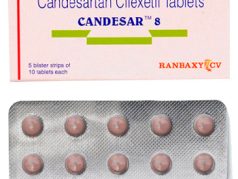
ARBs function similarly to ACE inhibitors but work through a different mechanism. Common medications in this class include Losartan, Valsartan, and Olmesartan. They're often prescribed when patients experience side effects from ACE inhibitors.
Beta-blockers slow heart rate and reduce the force of heart contractions. Metoprolol, Atenolol, and Propranolol are widely available options. These medications are particularly beneficial for patients with heart disease or a history of heart attack.
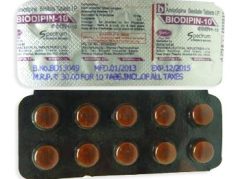
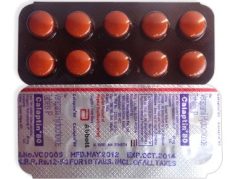
Calcium channel blockers relax blood vessel muscles and include medications like Amlodipine, Diltiazem, and Verapamil. These are effective for various patient groups and often have good tolerability with manageable side effects.
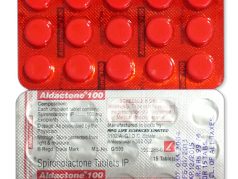
Diuretics help kidneys remove excess sodium and water from the body. Hydrochlorothiazide and Furosemide are common diuretic options that reduce blood volume and lower blood pressure effectively.
Alpha-blockers relax blood vessel muscles and reduce nerve impulses. Doxazosin and Terazosin are available options, though they're typically used as add-on therapy rather than first-line treatment.
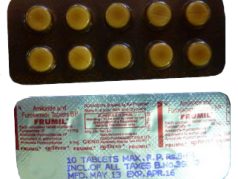
Many patients require combination therapy to achieve optimal blood pressure control. Fixed-dose combinations are available that combine two medications in one pill, improving medication adherence and simplifying treatment regimens. Common combinations include ACE inhibitor with diuretic, ARB with calcium channel blocker, and ACE inhibitor with calcium channel blocker.
Treatment typically follows a stepped approach. Lifestyle modifications are recommended first for all patients. If blood pressure remains elevated after three to six months, medications are introduced. The choice of medication depends on individual patient factors, comorbidities, and previous medication responses.
Starting doses are usually conservative, with gradual increases if needed to minimize side effects. Most patients achieve target blood pressure within three months of treatment initiation. Regular monitoring helps determine if medications are working effectively and if adjustments are necessary.
Lifestyle changes are fundamental to hypertension management and can sometimes eliminate the need for medication. The DASH diet (Dietary Approaches to Stop Hypertension) emphasizes fruits, vegetables, whole grains, and lean proteins while limiting sodium intake. Reducing daily sodium consumption to less than 2,300 milligrams significantly impacts blood pressure reduction.
Regular physical activity of at least 150 minutes per week at moderate intensity helps lower blood pressure naturally. Exercise strengthens the heart, improves circulation, and aids weight management. Both aerobic exercise and resistance training provide cardiovascular benefits.
Weight loss of even five to ten percent of body weight can meaningfully reduce blood pressure in overweight individuals. Limiting alcohol consumption to moderate levels—no more than one drink daily for women and two for men—helps prevent hypertension. Managing stress through meditation, yoga, or relaxation techniques also contributes to better blood pressure control.
Regular blood pressure monitoring is crucial for successful hypertension management. Home blood pressure monitors are affordable and easy to use, allowing patients to track their readings between doctor visits. Keeping a blood pressure log helps identify patterns and assess medication effectiveness.
Schedule regular appointments with your healthcare provider to discuss blood pressure readings and medication adjustments. Annual follow-ups are typically recommended for stable patients, though those recently starting medications may need more frequent visits. Open communication with your doctor about side effects or concerns ensures optimal treatment.
Understanding your medications, taking them consistently as prescribed, and maintaining lifestyle modifications create a comprehensive approach to hypertension management. Many patients successfully control their blood pressure through a combination of medication and lifestyle changes, reducing their risk of serious complications like heart attack and stroke.