{{ __('Your cart') }}0
0,00 $
0
items
0,00 $
Birth control, also known as contraception, refers to methods used to prevent pregnancy. There are many different types of birth control available, each with varying levels of effectiveness, convenience, and side effects. Choosing the right birth control method depends on your personal health history, lifestyle, and reproductive goals. It's important to understand how each method works so you can make an informed decision with your healthcare provider. Some methods are over-the-counter, while others require a prescription. The effectiveness of birth control methods ranges from over 99% for some hormonal options to around 80% for barrier methods when used typically. Your doctor can help you find the best option based on your individual needs and medical history.
The most commonly used birth control methods in the United States include hormonal options, barrier methods, and long-acting reversible contraceptives. Many women choose a method that fits their lifestyle and provides reliable protection. Some methods offer additional benefits beyond pregnancy prevention, such as reduced menstrual cramping or clearer skin. It's important to understand that no birth control method is 100% effective except for abstinence, but many options come very close. Understanding your options empowers you to select the most suitable choice for your unique circumstances and health profile.
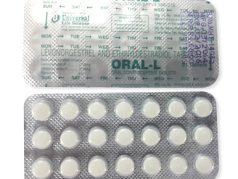
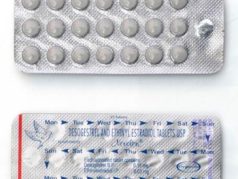
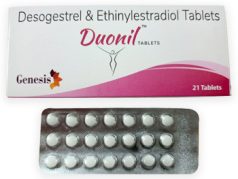
Oral contraceptive pills are among the most popular birth control methods in the United States. These pills contain hormones that prevent ovulation, making pregnancy unlikely. Birth control pills are available in many different formulations, and finding the right one may take some trial and adjustment. Most pills are taken daily, and consistency is important for maximum effectiveness. With proper use, birth control pills are reliable and convenient for many women seeking pregnancy prevention.
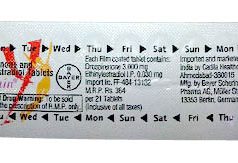
Combination pills contain both estrogen and progestin and are the most commonly prescribed. Popular brands available in the United States include Yasmin, Ortho-Cyclen, Levora, and Lo Loestrin Fe. These pills come in different hormone dosages, allowing doctors to find options that work best for individual patients. Extended-cycle pills like Seasonale allow you to have fewer periods throughout the year, offering greater convenience for busy lifestyles. Progestin-only pills, also called the minipill, are an alternative for women who cannot take estrogen. Brands like Nora-BE and Jolivette contain only progestin and may be recommended for breastfeeding women or those with estrogen sensitivity.
Birth control pills work primarily by preventing ovulation, which is the release of an egg from the ovary. The hormones in the pills also thicken cervical mucus, making it harder for sperm to reach an egg. Additionally, the hormones thin the uterine lining, which provides extra protection against pregnancy. When taken correctly, birth control pills are over 99% effective, but typical use effectiveness is around 91% due to missed doses. Taking your pill at the same time each day helps maximize effectiveness.
Long-acting reversible contraceptives, or LARCs, are among the most effective birth control options available today. These methods include intrauterine devices (IUDs) and implants, which can prevent pregnancy for several years without requiring daily action. LARCs are becoming increasingly popular in the United States because of their high effectiveness rates and convenience. These options are ideal for women seeking a "set it and forget it" approach to contraception.
IUDs are small, T-shaped devices that are inserted into the uterus by a healthcare provider. Hormonal IUDs like Mirena, Kyleena, and Skyla release progestin directly into the reproductive system. These devices can last between three to seven years depending on the brand, providing extended protection without replacement. Copper IUDs, such as Paragard, work by creating an environment toxic to sperm and can last up to ten years. IUDs are over 99% effective and can be removed at any time if you decide you want to become pregnant. Fertility typically returns immediately after removal.
The contraceptive implant, marketed as Nexplanon in the United States, is a small rod inserted under the skin of the upper arm. This implant releases progestin and provides protection for three years. Nexplanon is over 99% effective and requires no daily action or maintenance. The implant can be removed at any time, and fertility typically returns quickly after removal, making it an excellent reversible option for women seeking temporary contraception.
Barrier methods physically block sperm from reaching the egg and include condoms, diaphragms, and cervical caps. These methods are available over-the-counter and can be used in combination with other contraceptives for added protection. Barrier methods also provide protection against sexually transmitted infections, which hormonal methods do not offer. This dual benefit makes barrier methods a valuable choice for many women and couples.
Male condoms are the most commonly used barrier method and are widely available in drugstores throughout the United States. Female condoms offer an alternative for those who prefer not to use male condoms. Diaphragms and cervical caps must be fitted by a healthcare provider and are used with spermicide. These methods are typically 80-88% effective when used correctly. Spermicides are chemical products that immobilize or kill sperm and can be used alone or with barrier methods.
Emergency contraceptive pills, commonly called the "morning-after pill," can prevent pregnancy after unprotected intercourse. Brands like Plan B One-Step and ella are available over-the-counter or by prescription. Plan B One-Step contains levonorgestrel and is most effective when taken within 72 hours of unprotected intercourse. Ella, which contains ulipristal acetate, can be effective up to five days after intercourse and may work better for women with higher body weight. The copper IUD can also be used as emergency contraception if inserted within five days of unprotected intercourse, offering the most effective emergency option available.
Several birth control options provide alternatives to daily pill-taking while still using hormonal methods. These options offer convenience and consistent hormone delivery to prevent pregnancy effectively. Many women prefer these alternatives because they reduce the frequency of remembering to take medication.
The birth control patch, marketed as Xulane in the United States, is worn on the skin and changed weekly for three weeks, then removed for one week. The patch delivers estrogen and progestin through the skin and is over 99% effective. The vaginal ring, sold as NuvaRing, is inserted into the vagina and left in place for three weeks, then removed for one week. The ring releases estrogen and progestin and is also over 99% effective when used correctly. Both options provide hormone delivery without daily administration.
Depo-Provera is an injection given every three months that contains progestin. This method is over 99% effective and requires minimal user action. The injection must be received on schedule to maintain effectiveness. Some women experience irregular bleeding or weight gain with this method, while others appreciate the lighter periods or amenorrhea it can provide. This option is popular among women seeking extended contraceptive coverage with infrequent dosing.
Selecting the right birth control method is a personal decision that should involve discussion with your healthcare provider. Consider your health history, frequency of sexual activity, desire for STI protection, and tolerance for side effects. Your doctor can discuss the benefits and risks of each option to help you make an informed choice. Some methods require a prescription, while others are available over-the-counter at your local pharmacy. Many insurance plans cover various birth control methods, making them more affordable and accessible. It's important to remember that you can change methods at any time if your current choice isn't working well for you. Regular check-ups with your healthcare provider help ensure your birth control method continues to meet your needs. Our knowledgeable pharmacy staff is available to answer questions about any birth control method and help you understand your options.