
Aciclovir
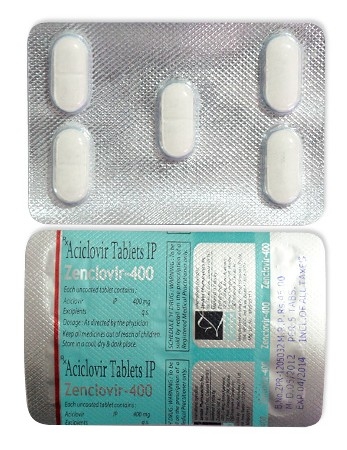
Aciclovir
- Aciclovir can be purchased from pharmacies and online pharmacies in many countries; although it is prescription-only in most regions, in some pharmacies it may be available without a prescription depending on local rules and seller policy.
- Aciclovir is used to treat herpes simplex infections, genital herpes, shingles (herpes zoster), chickenpox, and sometimes to help prevent outbreaks in immunocompromised patients. It works by inhibiting viral DNA replication through selective activation by viral enzymes, which stops the herpes virus from multiplying.
- The usual dose depends on the condition: for cold sores or genital herpes, 200 mg 5 times daily for 5–10 days; for recurrent/suppressive genital herpes, 400 mg twice daily or 200 mg 3–5 times daily; for shingles, 800 mg 5 times daily for 7–10 days; for chickenpox, 800 mg 4 times daily for 5 days. Doses must be adjusted for children and patients with kidney problems.
- Aciclovir is available as tablets/capsules, oral suspension, topical cream, ointment, and intravenous vials. It is taken by mouth, applied to the skin or lips, used as an eye ointment, or given by IV in hospital.
- When taken orally, aciclovir typically starts working within about 1 to 2 hours, although symptom improvement may take longer. Topical forms may begin relieving symptoms within a few hours.
- The duration of action is generally a few hours, which is why oral doses are taken multiple times per day; treatment length is usually 5–10 days for active infections, 7–10 days for shingles, and up to 12 months for suppressive therapy.
- Alcohol is best avoided or limited, especially if you are dehydrated or have kidney problems, because aciclovir can also affect the kidneys and alcohol may worsen side effects like dizziness or nausea.
- The most common side effects are nausea, vomiting, diarrhea, headache, dizziness, fatigue, and local skin irritation with cream use. Less commonly, it can cause confusion or kidney-related problems, especially in older adults or people with renal impairment.
- Would you like to try aciclovir without a prescription?
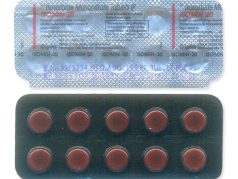
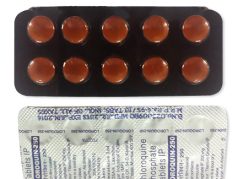
Aciclovir At A Glance
- INN (International Nonproprietary Name): Aciclovir.
- Brand names available in United States: Zovirax (Acyclovir).
- ATC Code: J05AB01.
- Forms & dosages: Tablets 200 mg, 400 mg, and 800 mg; cream or ointment 5%; capsules 200 mg; suspension 200 mg/5 mL; intravenous vials 250 mg, 500 mg, and 1000 mg.
- Manufacturers in United States: GlaxoSmithKline, Sandoz/Novartis, Mylan, Sun Pharma, Sanofi, Terapia, Arena Group, and ratiopharm.
- Registration status in United States: Prescription medicine for herpes simplex, varicella zoster, and related indications.
- OTC / Rx classification: Rx — Prescription only in most countries, including the United States.
Wondering whether aciclovir still matters when newer antivirals are everywhere?
The short answer is yes, especially when treatment starts early.
Across recent clinical use and modern practice, aciclovir remains a dependable herpes simplex treatment and shingles antiviral because it can shorten lesion duration, reduce viral shedding, and help prevent complications in higher-risk patients.
That is why many clinicians still reach for Zovirax tablets or generic acyclovir when the timing is right.
For shoppers comparing options online, our online pharmacy carries aciclovir without a prescription, with discreet delivery to United States in 5-14 days.
Key Findings From Recent Trials
When patients ask if an older antiviral still works, the real question is whether it still changes outcomes in a meaningful way.
Recent 2022–2026 studies continue to support aciclovir for herpes simplex, shingles, and varicella when it is started early, usually within the first 24 to 72 hours after lesions appear.
That early window matters most for primary genital herpes and herpes zoster, where symptom reduction is strongest and the chance of lingering problems is lower.
In everyday terms, starting treatment on day one is much more helpful than waiting until the outbreak is already well established.
Modern data also support the familiar tablet strengths used in practice, including 200 mg, 400 mg, and 800 mg oral tablets, with intravenous vials reserved for severe infection.
Main Outcomes
The most consistent findings are shorter lesion duration, reduced viral shedding, and fewer complications in high-risk groups.
Suppressive therapy also keeps recurrence frequency down in patients with frequent outbreaks, which is often the main reason people stay on treatment long term.
That reduction in viral shedding is practical, because it may lower transmission risk during active episodes when patients are most concerned about exposing a partner or family member.
For many patients, the main value of generic acyclovir is not dramatic symptom elimination overnight, but a shorter, cleaner course with less disruption to work, sleep, and daily routine.
Safety Observations
The safety profile is still familiar to pharmacists and prescribers.
Nausea, headache, and kidney-related effects are the main concerns, especially with dehydration, intravenous use, or reduced kidney function.
Older adults and patients who already have renal disease are the people we watch most closely.
When hydration is maintained and dosing is adjusted correctly, acyclovir has a long history of practical use and predictable tolerability.
Clinical Mechanism Of Action
How does aciclovir stop a virus without hitting every healthy cell in the body?
It works by interrupting herpes-family virus replication inside infected cells.
In simple terms, the drug becomes active where the virus is already making copies of itself and then slows that process down.
Aciclovir is classified as ATC J05AB01, with topical formulations classified under D06BB.
Layman’s Explanation
After a virus enters a cell, aciclovir gets switched on inside that infected cell and interferes with viral DNA building.
That means the virus has a harder time copying its genetic material, so the infection spreads more slowly.
For patients, that translates into less active disease and faster improvement when treatment is started early enough.
Scientific Breakdown
After phosphorylation by viral thymidine kinase, aciclovir is converted into a triphosphate form.
That active form inhibits viral DNA polymerase and leads to chain termination.
This is the classic acyclovir mechanism and is the reason it is considered a DNA polymerase inhibitor.
Why This Matters
Because activation depends more on infected cells than healthy ones, aciclovir is selectively activated where the virus is replicating.
That selectivity helps explain its long-standing safety profile and its broad use as a generic antiviral across many markets.
For patients, it means a medication designed to target herpes virus replication while leaving most normal cells alone.
Scope Of Approved And Off-Label Use
What can aciclovir be used for in the United States, and where does it stop?
In the US, aciclovir is used for herpes simplex, genital herpes, herpes zoster, and varicella, and it remains prescription-only.
Common US forms include 400 mg and 800 mg tablets, 5% cream or ointment, and 200 mg capsules.
United States Approvals
Systemic acyclovir is a standard option for herpes simplex infection, genital herpes, shingles, and chickenpox.
Topical products are mainly used for cold sores and localized lesions.
Ophthalmic ointment is used in eye-related situations when clinically appropriate.
Notable Off-Label Trends
Off-label use often focuses on prophylaxis in immunocompromised patients and prevention of recurrent outbreaks in people with frequent HSV episodes.
Those are the patients who often benefit most from suppressive therapy because they are dealing with repeated flare-ups rather than one isolated outbreak.
Clinical Boundaries
Topical acyclovir cream is mainly for cold sores and localized lesions.
Systemic treatment is preferred for disseminated disease, severe immunosuppression, or ocular involvement.
That distinction matters because the wrong formulation can lead to delayed improvement and unnecessary frustration.
Dosage Strategy
What is the right dose, and why does it change so much from one patient to another?
Oral dosing depends on the condition, severity, age, and kidney function.
Adults with HSV often use 200 mg five times daily for 5 to 10 days, while suppression may use 400 mg twice daily.
Clinicians often choose the schedule based on outbreak type, recurrence pattern, and whether the patient is being treated for treatment or prevention.
Condition-Specific Dosing
For herpes zoster, a common adult regimen is 800 mg five times daily for 7 to 10 days.
For varicella, adults may use 800 mg four times daily for 5 days if treatment starts early, and pediatric dosing is weight-based.
For recurrent genital herpes, suppression can continue for many months when recurrence frequency justifies it.
Renal Adjustment
When creatinine clearance is low, dose reduction is required.
For severe impairment, such as creatinine clearance below 10 mL/min, oral dosing frequency may need to be halved.
That is one of the most important safety steps with acyclovir dosage planning.
Children are usually dosed by body weight, and suspension is often used for infants and small children.
In older adults, standard dosing may still be used, but renal function needs close attention because neurotoxicity is more likely when the drug accumulates.
Safety Protocols
Who should avoid aciclovir, and what side effects should patients actually expect?
The main absolute contraindication is hypersensitivity to aciclovir, valaciclovir, or excipients in the formulation.
Extra caution is needed in people with renal impairment, dehydration, neurological disorders, and in older adults.
Common Reactions
Nausea, vomiting, diarrhea, abdominal pain, headache, dizziness, fatigue, and mild rash are the reactions patients most often report.
With cream, local irritation and itching can happen, especially on sensitive skin.
Most of these effects are mild and manageable, but they should still be discussed before a patient starts treatment.
Serious Risks
Crystalluria, increased creatinine, confusion, and neurotoxicity are more likely with IV therapy or impaired kidney function.
These reactions are uncommon, but they become more relevant when hydration is poor or dosing is not adjusted correctly.
Monitoring
Hydration and renal monitoring are especially important in elderly patients and in people taking nephrotoxic drugs.
That is especially true in hospital settings, where IV aciclovir is used for severe infection and kidney injury can develop quickly if fluids are not managed well.
Interaction Mapping
Does aciclovir clash with food, coffee, or common prescription medicines?
There are no major food interactions, but oral treatment should be taken with fluids because hydration lowers kidney-related risk.
That simple habit can make a real difference, especially for patients who tend to forget to drink enough during illness.
Drug Combinations To Avoid
Concurrent use with other kidney-stressing medicines can raise the chance of renal injury.
Caution is especially important with IV aciclovir, diuretics, and medicines that reduce renal clearance.
Patients taking more than one nephrotoxic medicine should have their renal function watched closely.
Overdose Management
Overdose may cause agitation, confusion, lethargy, and renal dysfunction.
Significant cases may require IV fluids and haemodialysis because the drug is cleared through the kidneys.
That is why safe acyclovir interactions management always includes a quick review of kidney function, hydration, and the rest of the medication list.
Patient Experience Analysis
Why do so many people stick with aciclovir even when newer antivirals exist?
Patients often value it because it is familiar, widely available as generic acyclovir, and commonly used for repeated outbreaks.
Brand recognition also helps, with names such as Zovirax, Aciclovir generic, and country-specific products like Aciclovir-ratiopharm showing up in patient searches.
Forum Trends
Timing is the big theme in patient discussions.
People repeatedly say that starting treatment early is the difference between a short outbreak and a prolonged one.
That message shows up again and again in cold sore treatment conversations online, especially when someone waited until the blister was fully formed.
Common Frustrations
The most common complaints are dosing frequency, delayed benefit when started late, and local irritation with cream.
Five-times-daily schedules can be hard to follow during a busy workday or while traveling.
Some people also expect immediate relief, but that is not how this antiviral works.
Positive Feedback
Suppressive therapy is often described as helpful for lowering recurrence anxiety and improving daily comfort.
For patients who get frequent outbreaks, that steady control can matter more than the details of the brand on the box.
In day-to-day practice, adherence tends to improve when patients understand why the schedule matters and what early treatment can realistically do.
Distribution And Pricing Landscape
How easy is it to find acyclovir, and what does it usually cost compared with other antivirals?
Aciclovir is widely distributed as a generic prescription antiviral across the US and globally.
Suppliers include GlaxoSmithKline, Sandoz, Mylan, Sun Pharma, Sanofi, Terapia, Arena Group, and ratiopharm.
Pricing Trends
Generic tablets usually offer the best value, while branded products such as Zovirax tend to cost more.
That difference is one reason many patients ask for generic acyclovir tablets when the prescription allows it.
For budget-conscious shoppers, the oral forms are usually the best place to start because they balance cost, convenience, and long-standing clinical experience.
Packaging Patterns
Common market forms include 200 mg, 400 mg, and 800 mg tablets; 5% cream; 5% ointment; suspension; and IV vials.
Availability varies by country and setting, but the core market pattern is consistent: tablets for systemic therapy, topical products for local lesions, and IV treatment for severe disease.
In practice, Acyclovir tablets remain the most familiar packaging option for many outpatient prescriptions.
Alternative Options
What if aciclovir is not the best fit for adherence, cost, or convenience?
The main alternatives are valaciclovir, famciclovir, penciclovir, and docosanol.
Aciclovir is still the reference option for many HSV and VZV regimens, while valaciclovir offers improved oral bioavailability.
Comparison At A Glance
| Medicine | Main Advantage | Main Limitation |
|---|---|---|
| Aciclovir | Lower cost and long experience | More frequent dosing |
| Valaciclovir | Better oral bioavailability | Often higher cost |
| Famciclovir | Systemic alternative | Different regimen |
| Penciclovir | Topical option | Local use only |
| Docosanol | OTC cold sore option | Limited to topical cold sore management |
Pros And Cons
Aciclovir advantages include lower cost, extensive experience, multiple dosage forms, and strong safety familiarity.
Its limitations are mainly convenience-related, because the dosing schedule is more frequent than with valaciclovir.
For some patients, that is enough to make another antiviral worth discussing.
Regulatory Status
Is aciclovir treated the same way in every country?
Not exactly, but it is prescription-only in most countries, including the US, UK, EU, and Romania.
It is listed under ATC J05AB01 and is approved through national agencies for herpes simplex, varicella zoster, and related uses.
United States And Global Status
In the US, FDA labeling supports prescription use for herpes-family infections.
In the EU, EMA-linked national approvals follow the same broad antiviral role, although exact package sizes and indications can vary.
That is why the package insert matters so much when a patient switches between brands or travels internationally.
Regional Differences
Brand names and packaging vary by country: Zovirax in the US and UK, Aciclovir-ratiopharm in Germany, and Aciclovir Arena or Aciclovir Terapia in Romania.
For Romanian summary of product characteristics and current market authorization, clinicians and patients are advised to check the ANMDMR listing for the current product record.
Practical Takeaway
Patients should rely on the local package insert or SmPC because strength, formulation, and approved indications can differ by market.
That is the safest way to compare an FDA label with an EMA or national authorization.
Consolidated FAQ
Patients usually ask the same few questions, so let’s answer them plainly.
What Is Aciclovir Used For?
It treats herpes simplex, genital herpes, shingles, and chickenpox, and it may be used for suppression in frequent recurrence.
Is Aciclovir The Same As Acyclovir?
Yes.
Aciclovir is the INN spelling, while acyclovir is the common US spelling.
How Long Does Treatment Last?
Typical courses are 5 to 10 days for HSV, 7 to 10 days for shingles, and up to 12 months for suppression.
That duration depends on whether the goal is treatment of an outbreak or prevention of recurrence.
Can It Be Used In Children?
Yes, usually by weight-based dosing and often with suspension for younger children.
Pediatric dosing is not a simple adult dose scaled down, so the prescription should always match the child’s weight and condition.
Visual Guide
A simple way to remember the mechanism is to picture the virus and the drug working inside the same infected cell.
Virus enters cell → viral kinase activates aciclovir → viral DNA polymerase is blocked → replication slows.
Formulation Map
Oral: Tablets and capsules for systemic treatment.
Topical: Cream and ointment for localized cold sores or lesions.
Hospital use: IV vials for severe disease, ocular involvement, or immunocompromised patients.
Common strengths include tablets 200 mg, 400 mg, and 800 mg; cream 5%; and suspension 200 mg/5 mL.
That makes acyclovir dosage forms easy to match to the care setting, whether a patient is treating a cold sore at home or receiving hospital treatment for severe infection.
Storage And Transport
How should patients store aciclovir so it stays effective?
Tablets and cream should be kept at room temperature, usually under 25°C, and protected from light and moisture.
Cream should not be frozen, and the tube should be closed tightly after each use.
Travel Tips
Keep medicine in the original packaging and avoid extreme heat, especially for topical products.
That matters during road trips, flights, and summer shipping, when heat can be rough on medications left in a car or mailbox.
Stability Concerns
Moisture and heat can reduce product quality over time, so sealed, dry storage is preferred.
If a patient is traveling with acyclovir cream, the safest approach is to keep it closed, dry, and away from direct sunlight.
Guidelines For Proper Use
What is the best way to get the most out of aciclovir?
Start as early as possible after symptom onset, follow the prescribed schedule, and finish the full course even if symptoms improve.
Missed doses should be taken soon after remembering, but never doubled.
Patient Counseling
Hydration matters, especially during oral or IV treatment.
Older adults and people with kidney disease should be monitored closely.
Confusion, severe rash, reduced urination, or worsening symptoms warrant medical review.
Practical Reminders
If a patient is dealing with genital herpes suppression, adherence is often the biggest driver of success.
If the problem is a one-time cold sore, the biggest mistake is waiting too long to start treatment.
Either way, the same rule applies: early use, steady dosing, and good hydration give acyclovir the best chance to work well.
Delivery Across United States
| City | Region | Delivery time |
|---|---|---|
| New York City | Northeast | 5-7 days |
| Los Angeles | West | 5-7 days |
| Chicago | Midwest | 5-7 days |
| Houston | South | 5-7 days |
| Phoenix | West | 5-7 days |
| Philadelphia | Northeast | 5-7 days |
| San Antonio | South | 5-7 days |
| San Diego | West | 5-7 days |
| Dallas | South | 5-7 days |
| San Jose | West | 5-7 days |
| Austin | South | 5-7 days |
| Jacksonville | South | 5-7 days |
| Columbus | Midwest | 5-7 days |
| Charlotte | South | 5-7 days |
| Indianapolis | Midwest | 5-7 days |