Escitalopram
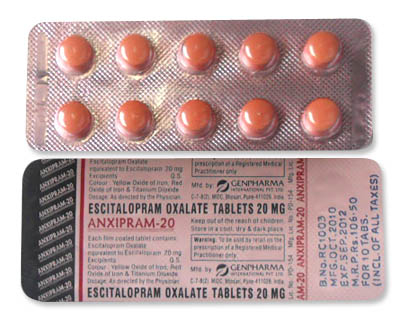
Escitalopram
- You can purchase escitalopram as a prescription medicine in most countries, including the US, EU/UK, Canada, and other major markets. It is generally Rx-only, although some online pharmacies may offer access without a receipt or prescription; use caution and follow local laws.
- Escitalopram is used to treat major depressive disorder, generalized anxiety disorder, panic disorder, social anxiety disorder, and OCD. It is a selective serotonin reuptake inhibitor (SSRI) that increases serotonin activity in the brain.
- The usual adult dose is 10 mg once daily, with a maximum of 20 mg per day. In some cases, treatment may start at 5 mg daily, especially in older adults or people with liver impairment.
- Escitalopram is taken by mouth as film-coated tablets, oral drops/solution, or orally disintegrating tablets.
- Some people notice early improvement within 1 to 2 weeks, but the full antidepressant effect usually takes about 4 to 6 weeks.
- The duration of action lasts about 24 hours, so it is typically taken once daily.
- Alcohol should be avoided or limited, because it can worsen drowsiness, dizziness, impaired judgment, and may increase the risk of side effects.
- The most common side effects are nausea, headache, dry mouth, dizziness, fatigue, sweating, sleep problems, and sexual dysfunction.
- Would you like to try escitalopram without a prescription?
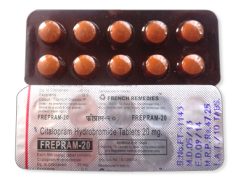
What Recent Trials Say About Escitalopram
- INN (International Nonproprietary Name): Escitalopram
- Brand names available in United States: Lexapro
- ATC Code: N06AB10
- Forms & dosages: Film-coated tablets 5 mg, 10 mg, 15 mg, 20 mg; oral drops/solution 20 mg/mL; orally disintegrating tablets 10 mg and 15 mg
- Manufacturers in United States: ACTAVIS LTD, Amneal Pharmaceuticals, Aurobindo Pharma, Hetero Labs, Macleods Pharma, Taro, Abbvie, Teva, Torrent, Zydus Lifesciences
- Registration status in United States: Prescription (Rx) only
- OTC / Rx classification: Prescription (Rx) only, not OTC
Escitalopram keeps showing up in modern antidepressant research because it is practical, well studied, and easy to dose once daily.
For people comparing escitalopram uses across depression and anxiety care, the drug’s long track record still matters in day-to-day pharmacy practice.
Recent clinical reviews continue to place Lexapro among the better-studied SSRIs for major depressive disorder and generalized anxiety disorder, especially when tolerability and adherence are part of the decision.
That matters in the real world, because a medicine can look strong on paper and still fail if nausea, sleep disruption, or complicated dosing pushes patients away from treatment.
With escitalopram tablets, clinicians often start at 10 mg once daily and adjust based on response and side effects.
In many patients, that straightforward approach is one reason antidepressants Lexapro remains a common search phrase from people who want a familiar option with a simple schedule.
Escitalopram is also the S-enantiomer of citalopram, which helps explain why it has a strong clinical profile and a more selective serotonin transporter effect.
Its ATC code, N06AB10, and Rx-only status reinforce that this is a standard prescription antidepressant, not a product for casual self-treatment.
Common safety concerns in the literature stay consistent: nausea, headache, insomnia, fatigue, sexual dysfunction, and QT prolongation deserve attention before and during therapy.
Basic Escitalopram Information
- INN (International Nonproprietary Name): Escitalopram
- Brand names available in United States: Lexapro
- ATC Code: N06AB10
- Forms & dosages: Film-coated tablets 5 mg, 10 mg, 15 mg, 20 mg; oral drops/solution 20 mg/mL; orally disintegrating tablets 10 mg and 15 mg
- Manufacturers in United States: ACTAVIS LTD, Amneal Pharmaceuticals, Aurobindo Pharma, Hetero Labs, Macleods Pharma, Taro, Abbvie, Teva, Torrent, Zydus Lifesciences
- Registration status in United States: Prescription (Rx) only
- OTC / Rx classification: Prescription (Rx) only, not OTC
Many people first meet escitalopram through the brand Lexapro, but the generic is widely used and recognized across pharmacy systems.
That makes Lexapro generic a useful phrase for shoppers who want the same active ingredient at a lower cost when substitution is allowed.
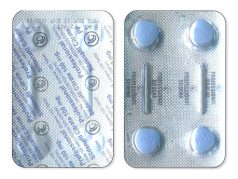
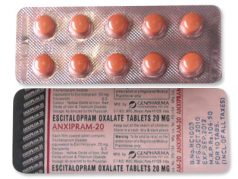
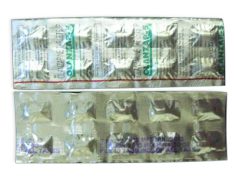
Standard packaging is usually a blister pack or a bottle, with 5 mg, 10 mg, 15 mg, and 20 mg tablets being the most common strengths.
Oral solution at 20 mg/mL is used when flexible dosing is needed, and orally disintegrating tablets can help patients who have trouble swallowing.
The medicine is prescription-only worldwide, including the United States, so a valid prescription is normally part of standard outpatient care.
In our online pharmacy, escitalopram is available without a prescription, with discreet delivery to United States in 5-14 days.
That said, clinical follow-up still matters, because the right dose and the right follow-up schedule are part of safe SSRI treatment.
For a patient who has tried one or two other antidepressants without enough benefit, escitalopram tablets may be considered because the dosing is simple and the interaction burden is often lower than with some older options.
At the same time, clinicians still watch for QT issues, especially when other risk factors or QT-prolonging medicines are already in the picture.
How Escitalopram Works In The Brain
Why does one SSRI feel easier to live with than another?
The short answer is serotonin reuptake inhibition.
Escitalopram blocks the serotonin transporter, which increases serotonin availability in the brain and can improve mood, reduce worry, and ease panic symptoms.
That mechanism is why Lexapro is used for both depression and generalized anxiety disorder, and why people often ask about Lexapro vs escitalopram when they are checking whether the brand and generic are equivalent.
Scientifically, escitalopram has high specificity for the serotonin transporter and relatively fewer CYP450-related interactions than some alternatives.
That can be helpful in patients already taking medicines for blood pressure, migraines, reflux, or sleep, because polypharmacy is common in American community pharmacy practice.
The S-enantiomer design matters too.
Escitalopram is the active S-enantiomer of citalopram, and that molecular detail helps explain its strong clinical performance in mood and anxiety care.
From a counseling standpoint, patients do not need a chemistry lecture to understand the point.
What matters is that escitalopram side effects are often manageable, and the medication is frequently chosen because the balance of benefit and tolerability is favorable.
When people compare Lexapro generic options, the main clinical expectation stays the same: consistent daily use, gradual improvement, and monitoring for early adverse effects.
Approved Uses And Off-Label Patterns
What is escitalopram used for in the United States?
Its approved uses are major depressive disorder and generalized anxiety disorder.
Those are the core escitalopram uses supported by routine prescribing and standard pharmacy labeling.
Patients searching for Lexapro 10mg in stock are often looking for treatment for one of those two conditions, even if they have not yet learned the full name of the medicine.
Clinicians sometimes use escitalopram off label for panic disorder, obsessive-compulsive disorder, and social anxiety disorder.
That off-label use happens because the drug is simple to dose, often well tolerated, and useful when anxiety overlaps with depression.
Specialist judgment still matters, especially when symptoms are severe, long-standing, or mixed with bipolar features.
Children and adolescents are not routine candidates.
When escitalopram is considered in younger patients, it is generally done at lower starting doses and with closer monitoring.
For adults, the best SSRI for depression is never one-size-fits-all, but escitalopram is often on the shortlist because response rates, tolerability, and adherence are all reasonable starting points.
Dosing, Titration, And Available Forms
What dose should an adult usually start with?
For major depressive disorder and generalized anxiety disorder, the standard starting dose is 10 mg once daily.
The maximum is 20 mg per day, and increases are typically considered after at least one week if response is not enough.
Panic disorder, OCD, and social anxiety usually follow similar dosing, although specialist guidance may vary based on the condition and the patient’s history.
Elderly patients often start at 5 mg daily because sensitivity can be higher.
In liver impairment, the initial dose is usually half the typical starting amount, and the maximum is 10 mg per day.
Severe renal impairment calls for caution, while mild to moderate impairment often does not require an automatic adjustment.
Available escitalopram tablets are usually film-coated and come in 5 mg, 10 mg, 15 mg, and 20 mg strengths.
Oral drops or solution are available at 20 mg/mL for flexible dosing, and orally disintegrating tablets exist in some markets for easier administration.
For patients who struggle with swallowing, those alternative forms can improve adherence without changing the active ingredient.
Safety, Contraindications, And Monitoring
What side effects should patients expect early on?
The most common escitalopram side effects include nausea, dry mouth, headache, dizziness, sweating, fatigue, and sleep disturbance.
Insomnia, diarrhea, sexual dysfunction, agitation, and weight changes can also occur.
Those effects are usually the reason someone calls the pharmacy after the first week, especially if they started treatment on a busy Monday and expected immediate relief by Friday.
Escitalopram should not be used with MAOIs, in patients with a known allergy to escitalopram, citalopram, or the SSRI class, or in anyone with prolonged QT interval.
QT prolongation stays one of the most important monitoring issues because cardiac risk rises when other QT-prolonging drugs are also in the mix.
Other caution areas include epilepsy, bipolar disorder, hyponatremia risk, bleeding disorders, and significant liver or renal impairment.
Watch closely for serotonin syndrome, severe arrhythmia symptoms, or seizures after overdose, because those situations need immediate medical attention.
Bleeding risk can also become more important when patients take NSAIDs, antiplatelet medicines, or anticoagulants, so the full medication list should always be reviewed.
For anyone with a history of bipolar disorder, mood switching or mania needs attention before an SSRI is started.
Food And Drug Interaction Map
Do you need to take escitalopram with food?
No major food restriction is required, which is one reason once-daily use is so straightforward.
That simplicity is helpful for patients who want a routine they can actually remember, whether they take the dose with breakfast or at bedtime.
The most important combinations to avoid are MAOIs, other QT-prolonging agents, and strongly serotonergic drug combinations.
That includes other antidepressants, some migraine medicines, certain opioids, and select supplements that increase serotonin activity.
Serotonin syndrome is the key interaction concern when serotonergic drugs are layered together.
Because escitalopram generally has fewer CYP450 interactions than some antidepressants, it is often selected when polypharmacy is a concern.
Before starting therapy, patients should be asked about OTC supplements, migraine drugs, opioids, and any other antidepressants.
That conversation is often where the pharmacy team catches the real problem, such as a new triptan, a tramadol prescription, or St. John’s wort from a wellness aisle purchase.
What Patients Say About Living With Treatment
Why do some patients stay on escitalopram and others stop early?
In daily practice, once-daily dosing and broad availability in standard strengths are major adherence drivers.
Patients often appreciate that escitalopram tablets are easy to fit into a morning routine or a bedtime routine.
Forum discussions and patient conversations often focus on early nausea, sexual side effects, and the question of whether Lexapro and escitalopram are the same medication.
They are the same active ingredient, with Lexapro being a common brand name.
Some users also ask about onset time, withdrawal symptoms, or whether switching from brand to generic changes how it works.
Those concerns are understandable, especially when treatment is tied to work performance, family stress, or sleep problems that already feel hard to manage.
Blister packaging and bottles are common formats, and orally disintegrating tablets or liquid can help patients who need more flexibility.
When people are satisfied with treatment, it is often because the medicine is simple, steady, and predictable rather than dramatic.
Brand Names, Suppliers, And Market Access
Escitalopram is sold globally under multiple brands, including Lexapro, Cipralex, Aciprex, ACT Escitalopram ODT, Cilentra, Blusyver, Cheer up, Celtium, and Dorepam.
Those brand differences can confuse patients who compare packaging online or see a different label after a pharmacy substitution.
Major global suppliers include ACTAVIS LTD, Amneal Pharmaceuticals, Aurobindo Pharma, Hetero Labs, Macleods Pharma, Taro, Abbvie, Teva, Torrent, and Zydus Lifesciences.
Packaging commonly comes as blister packs or 100-tablet bottles, while some markets use 2x14 blisters for 10 mg and 20 mg film-coated tablets.
Search interest often tracks affordability, generic substitution, and local registration status, which is why phrases like Cipralex price and generic Escitalopram buy online remain common.
For shoppers comparing availability, escitalopram tablets are usually offered in familiar strengths rather than unusual custom doses.
That regularity helps prescribers and pharmacists keep refills clean and reduces confusion when patients move between pharmacies or insurance plans.
As a practical note, availability may vary by location and by wholesaler inventory, so a brand on one shelf may be replaced by a different supplier on the next refill.
How Escitalopram Compares With Other Antidepressants
Which medicine is the better fit when escitalopram is not the right choice?
That depends on side-effect sensitivity, prior response, QT risk, and other medications.
| Medicine | Main Class | Common Use Case | Typical Tradeoff |
|---|---|---|---|
| Escitalopram | SSRI | Depression and generalized anxiety | Often favored for tolerability and simple dosing |
| Sertraline | SSRI | Broad anxiety coverage | May be preferred when anxiety symptoms are prominent |
| Paroxetine | SSRI | Depression and anxiety | Can be effective but may be less desirable for some side effects |
| Fluoxetine | SSRI | Depression and some anxiety disorders | Longer half-life changes how missed doses feel |
| Citalopram | SSRI | Depression | Closely related, but escitalopram is the S-enantiomer |
| Duloxetine | SNRI | Depression with pain | Can help when pain and mood symptoms overlap |
| Venlafaxine | SNRI | Depression and anxiety | May fit patients who need a different mechanism |
Sertraline is often chosen when clinicians want broad anxiety coverage.
Duloxetine may be a better fit when chronic pain and depression are both part of the picture.
The best SSRI for depression is the one the patient can tolerate, can afford, and can take consistently.
Regulatory Status In The United States And Abroad
Is escitalopram sold over the counter?
No.
It is prescription-only worldwide and not classified as OTC in major markets.
That includes the United States, where standard outpatient prescribing is the normal path.
Escitalopram is approved in the EU under EMA registration, and it appears in public pharmaceutical registers in countries such as Romania through recognized brands like Cipralex.
The classification is simple: ATC code N06AB10, SSRI antidepressant, Rx-only product.
That regulatory status supports routine prescribing, but it does not make the medicine appropriate for self-directed use without clinical review.
For patients comparing escitalopram approval details across countries, the important point is that the core product class stays the same even when brand names change.
Escitalopram Questions Patients Ask Most
What is escitalopram used for?
It is mainly used for depression and generalized anxiety disorder.
Is Lexapro the same as escitalopram?
Yes, Lexapro is a common brand name for escitalopram.
What is the usual adult dose?
Most adults start at 10 mg once daily, with increases up to 20 mg per day if needed.
Can it be taken with other antidepressants?
Only with careful medical oversight, because serotonergic combinations can raise the risk of serotonin syndrome.
Should MAOIs be avoided?
Yes, combining escitalopram with MAOIs is contraindicated.
What if a dose is missed?
Take it when remembered unless the next dose is close, and do not double up.
What should trigger emergency help?
Severe side effects, overdose, seizures, serotonin syndrome symptoms, or significant heart rhythm symptoms need urgent evaluation.
What A Clinical Infographic Should Show
A good visual guide should make escitalopram easier to understand at a glance.
It should map serotonin reuptake inhibition, symptom improvement, and the major safety checks that matter before therapy starts.
The most useful layout would show the starting dose, common formulations, major side effects, contraindications, and storage conditions.
That could include 5 mg, 10 mg, 15 mg, and 20 mg tablets, 20 mg/mL oral solution, and orally disintegrating tablets.
Brand labels such as Lexapro, Cipralex, and ACT Escitalopram ODT would help with recognition.
When patients can see the pathway and the warning points together, counseling tends to stick better.
Storage And Transport Basics
How should escitalopram be stored at home?
Keep it at room temperature, usually 15 to 30 degrees Celsius, and protect it from moisture and light.
It does not require a cold chain, so standard pharmaceutical transport is enough.
Blister packs help preserve stability, while bottles should be kept tightly closed.
Patients should keep the medication out of reach of children and avoid tablets that are damaged or exposed to humidity.
That is especially important in bathrooms, where steam can shorten the usefulness of many medicines.
How To Use Escitalopram Correctly
What is the best way to take it each day?
Take escitalopram once daily at the same time each day, with or without food.
Consistency matters more than the exact hour.
If a dose is missed, take it as soon as remembered unless the next dose is near.
Do not double up.
Overdose needs urgent medical attention because serotonin syndrome, cardiac effects, and seizures can occur.
Acute depression treatment often continues for at least 6 months after symptom relief, and maintenance may be longer depending on recurrence risk.
Patients should not stop suddenly without medical guidance, especially if side effects improve or the mood response starts to feel stable.
That last part is where many people get tripped up, because feeling better can make it tempting to quit early.
In practice, the safest approach is steady use, planned follow-up, and an honest check-in about side effects and benefit.
Delivery Across United States
| City | Region | Delivery Time |
|---|---|---|
| New York | Northeast | 5-7 days |
| Los Angeles | West | 5-7 days |
| Chicago | Midwest | 5-7 days |
| Houston | South | 5-7 days |
| Phoenix | West | 5-7 days |
| Philadelphia | Northeast | 5-7 days |
| San Antonio | South | 5-7 days |
| San Diego | West | 5-7 days |
| Dallas | South | 5-7 days |
| San Jose | West | 5-7 days |
| Austin | South | 5-7 days |
| Jacksonville | South | 5-9 days |
| Columbus | Midwest | 5-9 days |
| Charlotte | South | 5-9 days |
| Indianapolis | Midwest | 5-9 days |