Bimat + Applicators
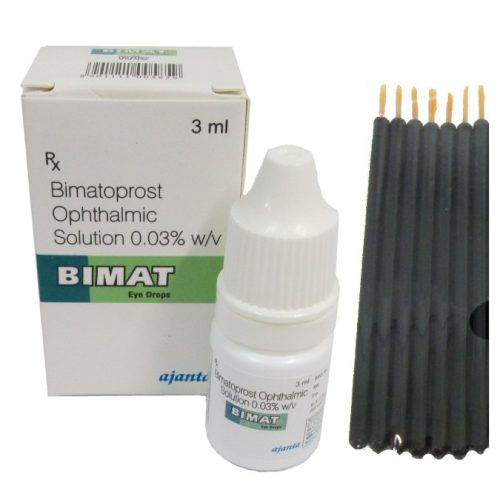
Bimat + Applicators
- You can purchase bimat + applicators in many community pharmacies and online e‑pharmacies; it is classified as prescription-only (Rx) in most countries (USA, EU, Romania), but in some markets and on certain e‑shops it is sold as an eyelash-growth serum and may be available without a prescription—availability varies by country and seller.
- Bimatoprost (bimat + applicators) is used for eyelash hypotrichosis (to increase length, thickness, and darkness of lashes) and for lowering intraocular pressure in glaucoma/ocular hypertension; it is a prostaglandin analogue that increases anagen (growth) phase of hair and reduces IOP by increasing uveoscleral outflow.
- Usual dosages: for eyelash enhancement, use one drop of 0.03% solution applied to the upper eyelid margin once nightly with a sterile applicator per eye; for glaucoma/OHT, instill one drop into the affected eye(s) once daily (morning or evening, but not both).
- Form of administration: topical ophthalmic solution applied as an eye drop or applied to the upper eyelid margin using sterile single‑use applicators supplied with the product.
- Onset time: eyelash improvements are typically noticed after about 4 weeks, with optimal results around 16 weeks; IOP reduction for glaucoma may be seen within hours to days.
- Duration of action: eyelash effects persist only with continued use ( lashes tend to revert after discontinuation ); glaucoma treatment is ongoing with regular ophthalmic monitoring; note that skin or iris pigmentation changes can be long-lasting or permanent.
- Alcohol warning: there is no specific interaction with alcohol for topical ocular use, but avoid excessive alcohol if it worsens eye irritation or if you are taking other systemic medications—consult your healthcare provider if concerned.
- The most common side effect is eye/eyelid irritation and redness (ocular hyperemia); other frequent effects include itching, increased tearing or dry eye sensations, eyelid skin or iris darkening, and changes in eyelash direction or growth.
- Would you like to try “bimat + applicators” without a prescription?
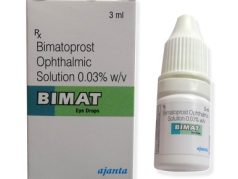
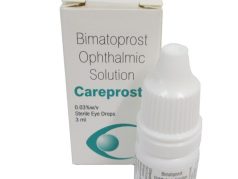
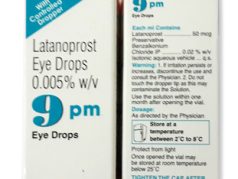
Basic Bimat + Applicators Information
- INN (International Nonproprietary Name): Bimatoprost
- Brand Names Available In United States: Latisse (0.03% eyelash serum), Lumigan (0.01% or 0.03% ophthalmic solution for glaucoma), Durysta (intracameral implant).
- ATC Code: S01EE03
- Forms & Dosages: Ophthalmic solution 0.03% (Latisse, Careprost/Bimat generics) commonly in 3 mL or 5 mL bottles often supplied with single‑use applicators; Lumigan available in 0.01% and 0.03% bottles (2.5–9 mL).
- Manufacturers In United States: Allergan (AbbVie), Mylan, Sandoz (generics).
- Registration Status In United States: Prescription-only; approved for eyelash hypotrichosis (Latisse) and for glaucoma/ocular hypertension (Lumigan, Durysta).
- OTC / Rx Classification: Prescription Only (Rx) in most jurisdictions; similar cosmetic serums may be nonprescription in some markets.
Key Findings From Recent Trials
Major 2022–2026 Studies
Clinicians and patients often ask whether the clinical data still supports bimatoprost 0.03% as the top option for eyelash growth.
Randomized trials and larger registry analyses from 2022–2026 confirm consistent benefit for nightly topical bimatoprost 0.03% applied to the upper lid margin versus vehicle.
Head-to-head and comparative trials place prescription bimatoprost formulations, including Latisse and reputable branded generics, ahead of many peptide-based OTC serums on objective lash counts and patient satisfaction.
Real-world registry work reinforced trial signals: meaningful gains in length, thickness, and darkness occur within 4–16 weeks, with peak improvement around week 16.
Patients using branded Latisse kits with applicators generally report faster perceived improvement than users of nonprescription serums.
Adherence to the Latisse nightly regimen correlates with better outcomes in clinic surveys.
Main Outcomes
Trial primary endpoints consistently show increased eyelash length, density, and pigmentation with ongoing use of 0.03% bimatoprost ophthalmic solution.
Clinical gains regress after stopping treatment, so continuous nightly application is required to maintain results.
Comparative efficacy versus peptide serums favors bimatoprost for objective lash counts and patient‑reported improvements in appearance and confidence.
Safety Observations
Safety analyses from 2022 onward report predictable ocular surface irritation as the most common complaint with bimatoprost eyelash therapy.
Cohorts and registries confirm a small but consistent risk of periocular skin darkening, and rare reports of permanent iris color change are documented.
Most adverse events are mild and localized; manufacturers note benzalkonium chloride preservative exposure from multi‑dose bottles can contribute to surface symptoms.
Clinical Mechanism Of Action
Layman’s Explanation
People usually want a simple description before starting: how does a drop on the lid make lashes fuller?
Bimatoprost applied at the upper lid margin stimulates dormant lash follicles and prolongs the hair’s active growth phase, producing longer, thicker, and darker lashes over weeks.
Applied with a sterile single‑use applicator, the medicine acts locally at the follicle level with very limited systemic exposure when used exactly as directed.
Scientific Breakdown
Bimatoprost is a prostaglandin analogue that works through prostamide-sensitive pathways to increase follicular activity and melanin production in lash follicles.
Receptor Activity
While related to other prostaglandin analogues, bimatoprost engages prostamide-sensitive signaling in eyelash follicles rather than exclusively classic FP receptors.
That downstream signaling boosts matrix cell activity responsible for hair growth and pigmentation.
Hair-Cycle Effects
Therapy lengthens the anagen (growth) phase, shortens the telogen-to-anagen transition, and increases hair shaft diameter, which explains measurable gains in length and thickness.
Increased melanin synthesis in follicular melanocytes accounts for darker lashes and the possibility of pigmentation changes.
Local Pharmacokinetics
Topical eyelid application limits systemic absorption when one drop of bimatoprost 0.03% is used nightly on the upper lid margin with a sterile applicator.
Manufacturer dosing instructions and product information emphasize local administration to keep exposure minimal.
Scope Of Approved & Off-Label Use
United States Approvals
Patients checking labels should know which uses are approved by the FDA.
Latisse 0.03% ophthalmic solution is FDA-approved and prescription-only for hypotrichosis of the eyelashes in the United States.
Lumigan formulations of bimatoprost (0.01% and 0.03%) are approved as prescription ophthalmic drops for lowering intraocular pressure in glaucoma or ocular hypertension.
Durysta is an FDA-approved intracameral implant for glaucoma available through specialist clinics.
Notable Off-Label Trends
Off-label cosmetic uses—such as eyebrow enhancement or using glaucoma drops for lashes—appear frequently in patient forums and some e-pharmacy listings.
Generic kits marketed internationally as “Bimat + Applicators” or Careprost/Bimat often advertise 0.03% solutions with bundled applicators; regulatory status varies by country.
Clinicians note a need to counsel patients about permanent iris pigmentation risk and to discourage unsupervised use of glaucoma drops for cosmetic purposes.
Dosage Strategy
General Dosing
Correct dosing and applicator technique reduce side effects and improve outcomes.
For eyelash hypotrichosis, apply one drop of 0.03% solution to the upper eyelid margin once nightly using a sterile single‑use applicator per eye.
For glaucoma or ocular hypertension, the usual prescription dosing is one drop into the affected eye(s) once daily, morning or evening but not both, per ophthalmologist instructions.
Condition‑Specific Dosing
Eyelash Hypotrichosis (Cosmetic/Indicated)
Use 0.03% ophthalmic solution (Latisse or approved generic equivalents) nightly; expect earliest changes at about four weeks and optimal benefit by 16 weeks.
Maintain nightly application to preserve longer, thicker, darker lashes.
Glaucoma/OHT
Lumigan 0.01% or 0.03% is dosed per the treating ophthalmologist and usually continued indefinitely with routine monitoring.
Pediatric/Elderly Considerations
Safety for eyelash enhancement in children is not established; reserve pediatric use to glaucoma indications under specialist care.
Elderly patients do not routinely require dose adjustment, but monitor ocular surface and overall tolerance as in adults.
Safety Protocols
Contraindications
Before dispensing, screen for clear contraindications to prevent avoidable harm.
Absolute contraindications include known hypersensitivity to bimatoprost or excipients such as benzalkonium chloride and active ocular infection or inflammation.
Relative contraindications include a history of uveitis, macular edema, or aphakia/pseudophakia with a torn posterior lens capsule; these require specialist risk/benefit review.
Adverse Effects
The majority of side effects are local and mild, but patients should be informed up front.
Common, Usually Mild
Patients commonly report eyelid or ocular irritation, redness, itching, dry or watery eyes, and occasional lash misdirection.
Pigmentation Risks
Periocular skin darkening is relatively common and may fade after stopping, whereas iris pigmentation change has been reported and can be permanent; document counseling and consent.
Applicator‑Related Safety
Single‑use sterile applicators included in many kits reduce contamination risk; never share or reuse applicators to avoid infection.
Interaction Mapping
Food Interactions
Patients are often relieved to learn that food does not affect topical eyelid therapy.
No clinically relevant food interactions have been reported with topical bimatoprost ophthalmic solution because systemic exposure is minimal when used as directed.
Drug Combinations To Avoid
Drug interaction concerns are primarily ocular and practical rather than systemic.
Additive Ocular Hypotensive Effects
When bimatoprost is used for glaucoma, combining multiple prostaglandin analogues is redundant and generally not recommended; coordinate therapy with an ophthalmologist.
Irritation Risk With Preservatives
Concurrent topical ophthalmic agents that contain benzalkonium chloride or other preservatives may increase ocular surface irritation; consider preservative-free alternatives for patients with surface disease.
Immunomodulators/Anti‑Inflammatory Caution
Active uveitis or intraocular inflammation requires specialist oversight because prostaglandin analogues may exacerbate inflammation in susceptible eyes.
Patient Experience Analysis
Survey Data
Patients want to know how likely they are to see real change and whether side effects derail use.
Quantitative clinic surveys show a majority of users notice visible lash improvement by 8–12 weeks, and many report increased confidence and satisfaction with appearance.
Dropout drivers include minor irritation, inconvenience of nightly routine, and concern about pigmentation.
Patients using a Latisse kit with applicators typically report clearer instructions and fewer applicator‑related mishaps compared with those using improvised brushes.
Forum Trends
Forum discussions reflect market-driven behavior, price sensitivity, and a demand for applicator-equipped kits like “Bimat + Applicators.”
Market‑Driven Behaviors
Common threads cover sourcing branded Latisse versus generic bimatoprost products such as Careprost and Bimat, with many users preferring kits that include sterile applicators.
Safety And Sharing Myths
Clinicians repeatedly correct inaccurate forum advice about reusing or sharing applicators—single-use practice prevents infection and is standard product guidance.
Distribution & Pricing Landscape
Distribution Channels
Bimatoprost products reach patients through clinics, licensed retail pharmacies, and e-pharmacies, with some parallel imports available in Europe.
Latisse is distributed through prescription channels in the United States, while generics and branded generics (Careprost, Bimat) are widely marketed online from Indian and Eastern European suppliers as 0.03% kits with applicators.
In our online pharmacy, bimat + applicators is available without a prescription, with discreet delivery to United States in 5-14 days.
Pricing Factors
Pack size, concentration, and inclusion of sterile applicators drive price differences—Latisse 3–5 mL kits command higher prices than many generics.
Regulatory status also affects price and supply chain; prescription control increases pharmacy involvement and can raise cost compared with nonregulated cosmetic serums.
Many patients choose generics from reputable manufacturers to lower cost, but quality and authentic packaging should be verified when buying online.
Alternative Options
Comparison Table
Clinicians and shoppers weigh efficacy against accessibility and safety when comparing options.
Bimatoprost 0.03% (Latisse/Bimat): strong evidence for eyelash growth, typically supplied with sterile applicators, but Rx-only and carries pigment risk.
Latanoprost/Travoprost: other prostaglandin analogues used for glaucoma with off-label lash effects noted, but not approved for cosmetic eyelash enhancement.
OTC Serums (peptides, botanicals): nonprescription and lower cost, but limited high-quality evidence and generally smaller objective effects compared with bimatoprost.
Pros And Cons
For reliable cosmetic eyelash improvement, prescription bimatoprost 0.03% delivered via sterile applicator offers the best evidence-based balance of efficacy and known risks.
Alternatives trade some efficacy for accessibility or avoid the specific pigmentation risk but may not deliver comparable lash thickening or length.
Regulatory Status
Regulatory distinctions determine how products are marketed and the safeguards that accompany them.
In the United States, Latisse and Lumigan/Durysta are prescription-only; Durysta requires specialist administration for glaucoma as an implant.
In the EU, bimatoprost is approved centrally or per country for glaucoma/OHT, while the eyelash indication is not uniformly licensed across member states.
India and Russia commonly list 0.03% generics and kits as “eyelash growth serum” on e-pharmacies, but regulatory oversight varies between markets.
Patients importing parallel products should be aware of potential quality and registration differences and are advised to use licensed pharmacies and verified manufacturers.
Consolidated FAQ
Patients frequently ask the same practical questions before starting treatment.
How Do I Apply Bimatoprost For Lashes?
Use a sterile single‑use applicator each night, place one drop on the applicator, and trace a single stroke along the upper eyelid margin; discard the applicator after one use and do not apply to the lower lid.
How Long Until Results?
Some improvement can appear around four weeks, with the best visible results often by 16 weeks; continued nightly use is required to maintain gains.
Can Pigmentation Be Reversed?
Periocular skin darkening may fade after stopping, but iris pigmentation has been reported and can be permanent; discuss this risk before starting therapy.
Are Applicators Necessary?
Yes—single‑use sterile applicators supplied in Latisse kits and many generic “Bimat + Applicators” kits prevent contamination and reduce infection risk.
Can I Buy It Without A Prescription?
Most bimatoprost products are Rx-only; availability without prescription varies by country, and nonregulated online sellers pose risks—use caution and prefer licensed pharmacies.
Visual Guide
Key Images To Include (For A Blog)
Images should help users apply product safely and spot side effects early.
Include package shots of a Latisse kit showing the 3–5 mL bottle and the set of single‑use applicators, and representative generic “Bimat + Applicators” 3 mL kit images.
Add step-by-step application frames: dispense drop to applicator, trace along the upper lid margin, discard applicator, and replace cap.
Show clinical examples of mild periocular hyperpigmentation and conjunctival redness for patient education, using consented, standardized photos rather than sensational before/after images.
Design Notes For Applicator Visuals
Label concentration clearly (0.03%) and emphasize single‑use applicator policy in the artwork.
Include alt text for each image describing the applicator and the step sequence for accessibility compliance.
Storage & Transport
Proper storage preserves potency and reduces the risk of compromised product.
Store bimatoprost products at 2–25°C (36–77°F), protect them from heat and light, and keep the cap tightly closed when not in use.
Do not use bottles after the expiry date or if the solution becomes discolored or cloudy.
Shipping Conditions
Retailers and e-pharmacies should offer temperate shipping options and clear policies for handling during hot weather to prevent degradation of prostaglandin analogues.
Applicator Storage
Single‑use sterile applicators are typically packaged in the kit; keep them in the original sterile packaging until use and discard them after one application.
Patients receiving product by mail should select expedited shipping in hot months and avoid leaving bottles in hot cars.
Guidelines For Proper Use
Stepwise Patient Protocol
Pre-Start Counseling
Confirm that the prescription is appropriate, discuss the possibility of permanent iris pigmentation, and review the single‑use applicator policy before initiating therapy.
Nightly Application Routine
Wash hands, use a new sterile applicator per eye, apply a single drop to the applicator, trace one stroke along the upper lid margin, discard the applicator, and replace the cap securely.
Monitoring
Schedule follow-up at about 6–12 weeks to assess efficacy and ocular surface tolerance; patients using bimatoprost for glaucoma need regular ophthalmologist visits for IOP and ocular health checks.
When To Seek Medical Review
Stop use and contact a clinician for severe irritation, signs of infection, new or worsening vision changes, marked periocular swelling, or unexpected pigmentation changes.
Delivery Across United States
| City | Region | Delivery Time |
|---|---|---|
| New York | Northeast | 5-7 days |
| Los Angeles | West | 5-7 days |
| Chicago | Midwest | 5-7 days |
| Houston | South | 5-7 days |
| Phoenix | West | 5-7 days |
| Philadelphia | Northeast | 5-7 days |
| San Antonio | South | 5-7 days |
| San Diego | West | 5-7 days |
| Dallas | South | 5-9 days |
| San Jose | West | 5-9 days |
| Austin | South | 5-9 days |
| Jacksonville | South | 5-9 days |
| Columbus | Midwest | 5-9 days |