
Careprost
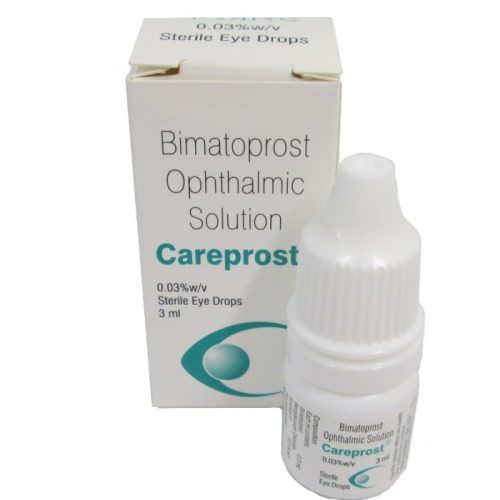
Careprost
- Careprost is officially prescription-only in most major jurisdictions, but it is widely available through online pharmacies and some local pharmacies without a prescription or receipt, commonly sold as a 3 mL dropper vial for eyelash enhancement.
- Careprost (bimatoprost) is used to lower intraocular pressure in glaucoma/ocular hypertension and to promote eyelash growth; it is a prostaglandin analogue that increases aqueous humor outflow and stimulates the hair follicle growth phase.
- The usual dose for glaucoma is 1 drop of 0.03% in the affected eye(s) once daily in the evening; for eyelash enhancement the usual regimen is 1 drop of 0.03% applied with an applicator to the upper eyelid margin once nightly.
- The form of administration is an ophthalmic solution (0.03% w/v) in a dropper bottle; for cosmetic use it is applied topically to the upper lash line with a single-use applicator.
- Onset time: intraocular pressure reduction can begin within 3–4 hours after dosing (with progressive improvement over days to weeks); eyelash growth is typically noticeable after about 8 weeks, with full effects by 12–16 weeks.
- Duration of action: IOP-lowering effect lasts approximately 24 hours (supporting once-daily dosing); eyelash changes are maintained only with continued use and gradually reverse after stopping.
- Alcohol warning: there is no specific contraindication with alcohol, but avoid heavy alcohol use around application since it can increase eye irritation; stop use and seek advice if alcohol appears to worsen side effects.
- The most common side effect is conjunctival hyperemia (eye redness); other common effects include eye itching/irritation, increased eyelash growth or darkening, eyelid skin darkening, dry eye, and occasional blurred vision; rare but permanent effects can include increased iris pigmentation.
- Would you like to try “careprost” without a prescription?
Basic Careprost Information
- INN (International Nonproprietary Name): Bimatoprost is the INN for Careprost.
- Brand Names Available In United States: Lumigan (glaucoma/ocular hypertension) and Latisse (eyelash growth) are the primary branded bimatoprost products in the US; Careprost is widely marketed from India and via global e‑commerce as an ophthalmic solution.
- ATC Code: S01EE03 — 'S01' ophthalmologicals, 'EE' prostaglandin analogues, '03' specific to bimatoprost.
- Forms & Dosages: Ophthalmic solution 0.03% w/v, commonly sold in a 3 mL dropper vial and used for glaucoma, ocular hypertension, and eyelash enhancement.
- Manufacturers In United States: Allergan (now part of AbbVie) markets Lumigan and Latisse in the US; Sun Pharmaceutical Industries Ltd. is the primary manufacturer of Careprost in India and exports globally.
- Registration Status In United States: Bimatoprost is FDA‑approved as Lumigan for glaucoma since 2001 and as Latisse for eyelash hypotrichosis; Careprost is widely registered in India but may lack specific national registration entries in some EU/CEE databases.
- OTC / Rx Classification: Prescription‑only (Rx) in most major jurisdictions, though some online vendors list Careprost without requiring a prescription.
Key Findings From Recent Trials
Major 2022–2026 Studies
Patients and clinicians often ask whether recent data change how we use bimatoprost for glaucoma or as an eyelash serum.
Randomized controlled trials and large registries from 2022–2024 continue to support bimatoprost as a reliable prostaglandin analogue for IOP lowering and for eyelash enhancement when applied nightly to the lid margin.
Head‑to‑head RCTs compared bimatoprost formulations with other prostaglandin analogues and with placebo in both ophthalmic and cosmetic settings.
These studies found comparable or in some cases superior intraocular pressure reduction versus alternative prostaglandins, and faster eyelash‑growth onset versus baseline in cosmetic trials.
Main Outcomes
Once‑daily evening dosing consistently produced maximal IOP reduction in glaucoma trials, matching the real‑world preference for evening administration.
Eyelash enhancement outcomes commonly appeared by 8–12 weeks with peak effect at 12–16 weeks for nightly eyelid margin application.
Across studies, efficacy of branded agents (Lumigan/Latisse) and generics such as Careprost appears similar when concentration and application are comparable.
Safety Observations
Safety signals in these recent trials emphasized local ocular effects rather than systemic harms, consistent with minimal systemic exposure from a topical ophthalmic route.
Very common findings included conjunctival hyperemia and transient irritation, with eyelid skin darkening and eyelash/eyebrow changes reported frequently in cosmetic users.
Rare but important concerns—such as iris pigmentation changes and macular edema risk in aphakic or pseudophakic patients—were highlighted for ongoing pharmacovigilance.
LSI Context
Trial summaries and registry reports use terms like bimatoprost trials, IOP reduction bimatoprost, eyelash growth study, and Lumigan postmarketing to describe outcomes and safety follow‑up.
Clinical Mechanism Of Action
Layman’s Explanation
People want a simple explanation: bimatoprost lowers eye pressure and makes lashes longer, thicker, and darker when applied correctly to the upper lash line.
The same molecule does both jobs because it acts locally on eye tissues and hair follicles with minimal systemic absorption.
Scientific Breakdown
Bimatoprost is a prostaglandin analogue (ATC: S01EE03) that increases uveoscleral outflow of aqueous humor, which lowers intraocular pressure.
The effect on lashes comes from prostaglandin receptor signaling in the hair follicle that promotes the anagen phase of growth.
Aqueous Humor Dynamics
Bimatoprost facilitates extracellular matrix remodeling and increases fluid egress through uveoscleral pathways, complementing medications such as topical beta‑blockers and carbonic anhydrase inhibitors.
The result is reliable IOP reduction with once‑daily evening use of a 0.03% ophthalmic solution.
Hair Follicle Biology
At the follicle level, prostaglandin analogues stimulate follicles to spend more time in the growth (anagen) phase and increase hair shaft pigmentation.
This mechanism explains why eyelash changes appear over weeks and why continued use is required to maintain the cosmetic effect.
LSI Context
Clinical descriptions commonly include mechanism of action bimatoprost, uveoscleral outflow, prostaglandin analogue, and eyelash follicle stimulation when explaining how the drug works.
Scope Of Approved & Off‑Label Use
United States Approvals
Patients frequently ask which brands are approved for what purpose in the US.
The FDA has approved Lumigan for glaucoma and ocular hypertension since 2001 and Latisse specifically for eyelash hypotrichosis.
Branded Latisse includes applicators and labeling for cosmetic eyelash use; Lumigan is labeled for ocular pressure control.
Notable Off‑Label Trends
Careprost, produced by Sun Pharma, is widely marketed in India and sold through global e‑commerce channels as an ophthalmic solution and commonly used off‑label for eyelash enhancement.
Clinicians report pragmatic off‑label prescriptions when Latisse is cost‑prohibitive, and many cosmetic users self‑source generics online.
Off‑label purchasing and unsupervised use increase risks such as misapplication, contact lens mishandling, and unmonitored adverse effects like pigmentation or inflammation.
LSI Context
Search‑related phrases include Latisse approval, Lumigan glaucoma, Careprost off‑label, and bimatoprost prescription status.
Dosage Strategy
General Dosing
Patients want clear instructions they can follow safely at home.
For both ocular pressure control and cosmetic eyelash use, 0.03% bimatoprost is intended for once‑daily evening application to maximize efficacy and adherence.
Condition‑Specific Dosing
For glaucoma or ocular hypertension, instill one drop of 0.03% into the affected eye(s) once daily in the evening.
For eyelash enhancement, apply one drop of 0.03% with a sterile single‑use applicator along the upper eyelid margin once nightly; do not apply to the lower lid.
Treatment for glaucoma is chronic and indefinite while eyelash gains appear by 8–16 weeks and require continued nightly use to maintain results.
Children are not recommended users due to lack of safety data, and elderly patients generally need no routine dose adjustment but should be monitored.
LSI Context
Common phrasing includes bimatoprost dosing, Careprost dosage, eyelash application bimatoprost, and Lumigan dosing to help patients find correct instructions.
Safety Protocols
Contraindications
Safety questions are among the most common reasons patients call the pharmacy.
Absolute contraindication: known hypersensitivity to bimatoprost or any component of the formulation.
Close monitoring or relative contraindication: history of intraocular inflammation, aphakia or pseudophakia, immunosuppression, and pregnancy or breastfeeding where use is not recommended.
Adverse Effects
Very common adverse effects include conjunctival hyperemia (redness) and eyelash/eyebrow changes such as increased length and darkening.
Common adverse effects include itching and transient irritation; occasional effects include dry eye and blurred vision.
Sometimes periocular skin darkening occurs, and rare but potentially permanent effects include increased iris pigmentation and macular edema in susceptible eyes.
Monitoring should include a baseline ophthalmic exam with IOP, anterior segment and macula assessment, and prompt review for any vision changes or severe irritation.
LSI Context
Clinically relevant search terms include bimatoprost contraindications, Careprost side effects, iris pigmentation bimatoprost, and macular edema risk.
Interaction Mapping
Food Interactions
Patients often worry whether food or drinks will affect eye drops.
There are no clinically relevant food interactions because topical bimatoprost has minimal systemic exposure.
Drug Combinations To Avoid
Local ocular interactions matter more than systemic drug interactions for ophthalmic bimatoprost.
Avoid using two topical prostaglandin analogues simultaneously without specialist oversight; combining them provides no proven benefit and may increase irritation.
Bimatoprost is commonly used with topical beta‑blockers, carbonic anhydrase inhibitors, or alpha‑agonists for additive IOP lowering; monitor IOP and ocular surface health when used in combination.
Exercise caution in eyes with active intraocular inflammation or recent intraocular surgery because prostaglandin analogues may exacerbate inflammation or increase macular edema risk in aphakic/pseudophakic patients.
LSI Context
Useful phrases for patient education include bimatoprost interactions, prostaglandin combination, ocular drug interactions, and bimatoprost and beta‑blocker.
Patient Experience Analysis
Survey Data
What do patients say in surveys and clinics about daily life with bimatoprost?
Glaucoma patients often highlight once‑daily dosing and noticeable IOP control as adherence motivators.
Ocular redness is the top reason patients report switching therapies.
Cosmetic users report high satisfaction with eyelash lengthening and fullness at 8–16 weeks but note concerns over cost and pigmentation risks.
Forum Trends
Social listening shows widespread DIY sourcing of Careprost from global e‑shops, with users exchanging tips about nightly regimens and applicator techniques.
Common forum complaints include inconsistent product quality, counterfeit concerns, and unwanted periocular hair growth when product spreads beyond the lid margin.
Clinicians should proactively discuss realistic timelines, reversible versus potentially permanent effects, and safe sourcing to reduce harm and anxiety.
LSI Context
Patient reports commonly include terms like patient experience bimatoprost, Careprost reviews, eyelash serum feedback, and patient satisfaction Lumigan.
Distribution & Pricing Landscape
How much you pay and where you can get careprost matters to many patients.
Allergan/AbbVie markets Lumigan and Latisse at a brand premium, while Sun Pharma’s Careprost and other generics trade on lower price and broad online availability.
Price drivers include brand versus generic status, packaging size (3 mL versus other sizes), and prescription enforcement in local markets.
Many e‑commerce platforms list Careprost without a prescription, which raises authenticity and safety concerns given the Rx classification in most countries.
Payers usually cover glaucoma therapy under prescription drug benefits, but cosmetic eyelash treatments are typically out‑of‑pocket.
Market expansion of generics and parallel trade keeps unit prices down but increases scrutiny over authenticity and shipping conditions.
In our online pharmacy, careprost is available without a prescription, with discreet delivery to United States in 5-14 days.
LSI Context
Relevant search phrases include Careprost price, buy bimatoprost online, Lumigan cost, generic bimatoprost distribution, and Latisse vs Careprost pricing.
Alternative Options
Comparison Summary
Patients commonly ask whether other prostaglandins might be a better fit than bimatoprost.
Latanoprost offers effective IOP reduction and is widely used with a favorable tolerability profile similar to bimatoprost for many patients.
Travoprost has comparable efficacy and can be an alternative for latanoprost nonresponders.
Tafluprost is available in preservative‑free formulations, making it useful for patients with ocular surface disease.
Unoprostone is an older agent with more modest efficacy compared with the newer prostaglandins.
Bimatoprost stands out when eyelash cosmetic effect matters because of its notable follicular stimulation in addition to IOP lowering.
Pros And Cons
Prostaglandin analogues generally offer once‑daily dosing and robust IOP lowering but share side effects such as hyperemia, pigmentation, and eyelash changes.
Choice between agents depends on ocular surface health, prior inflammation or surgery, need for cosmetic effect, cost, and insurance coverage.
When eyelash enhancement is the primary goal, branded Latisse is the product with explicit labeling and applicators; Careprost is commonly used off‑label but has variable regulatory footprints globally.
LSI Context
Comparative searches often use phrases like alternatives to Careprost, latanoprost vs bimatoprost, travoprost comparison, and prostaglandin options.
Regulatory Status
Regulatory questions focus on approval, prescription status, and national registration differences.
In the United States, FDA‑approved formulations include Lumigan for glaucoma and Latisse for eyelash hypotrichosis, and bimatoprost remains prescription‑only.
In India, CDSCO has wide registration and distribution of Careprost as an ophthalmic solution produced by Sun Pharma.
In parts of Europe and Central/Eastern Europe, the active substance bimatoprost is registered in many countries, but Careprost may lack explicit listings in some national databases such as ANMDMR in Romania.
Because some vendors sell Careprost without a prescription, clinicians should advise patients to obtain bimatoprost through legitimate channels and report adverse events to national pharmacovigilance systems.
LSI Context
Typical regulatory search terms include bimatoprost regulatory status, FDA Lumigan Latisse, Careprost registration, CDSCO Careprost, and ANMDMR Careprost.
Consolidated FAQ
Top Patient Questions Answered
Q: Is Careprost the same as Latisse/Lumigan?
A: Careprost contains the same active ingredient, bimatoprost, but differs by brand, formulation details, and regulatory labeling; Latisse is FDA‑approved for eyelash growth while Careprost is frequently used off‑label for cosmetics.
Q: How long until lashes grow?
A: Expect initial lash changes around eight weeks with full effect by 12–16 weeks when used nightly on the upper eyelid margin.
Q: Can I use with contact lenses?
A: Remove lenses before application and wait at least 15 minutes before reinserting them.
Q: Are color changes reversible?
A: Eyelash and eyelid skin darkening often reverse after stopping treatment, but iris color change is rare and can be permanent.
Q: Is it safe during pregnancy?
A: It is not recommended during pregnancy or breastfeeding due to limited safety data.
Q: What if I miss a dose?
A: Apply as soon as remembered unless the next dose is imminent; do not double dose.
LSI Context
FAQ searches include Careprost FAQ, bimatoprost questions, eyelash serum Q&A, and Latisse vs Careprost FAQ.
Visual Guide
Image Suggestions
Use a high‑resolution product shot of Careprost 3 mL dropper vial with label visible for identification.
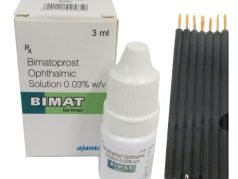
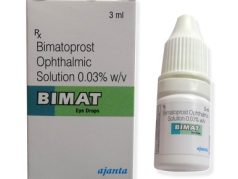
Include a comparison image of Lumigan and Latisse packaging versus generic Careprost to show licensing and packaging differences.
Create a step‑by‑step application series showing the sterile applicator, upper lid margin placement, and the warning not to apply to the lower lid.
Provide clinical photos illustrating conjunctival hyperemia and mild periocular skin darkening for patient counseling.
Include a diagram that illustrates uveoscleral outflow and a schematic of follicular anagen transition to explain mechanisms visually.
Alt Text And Annotations
Alt text examples include “Careprost 3 mL bimatoprost ophthalmic dropper vial,” “Nightly applicator placement along upper eyelid margin for bimatoprost eyelash use,” and “Conjunctival hyperemia after prostaglandin analogue.”
Annotations should call out dosage (0.03% w/v), timing (once nightly for cosmetic use), contraindications (do not use with contact lenses in place), and the need to consult a prescriber if vision changes occur.
LSI Context
Visual asset searches often include Careprost images, bimatoprost application visual, eyelash application guide, Lumigan packaging, and Latisse applicator.
Storage & Transport
Recommended Conditions
Store bimatoprost ophthalmic solution at room temperature between 15–25°C (59–77°F) and protect from light and moisture.
Do not freeze the product and use within four weeks of opening to reduce contamination risk.
Shipments & E‑Commerce Cautions
Transporters should avoid exposing bimatoprost to extreme heat, especially in hot climates where degradation is possible.
Sealed, tamper‑evident packaging and reputable couriers reduce counterfeit and storage risks during shipping.
E‑commerce vendors who sell without prescription may not guarantee proper handling or timely delivery, increasing the chance of receiving compromised product.
Pharmacies should label batches and manufacturers where possible to assist with adverse‑event tracing, and clinicians should advise patients to buy from licensed pharmacies.
LSI Context
Searchable storage phrases include Careprost storage, bimatoprost transport, bimatoprost shelf life, store bimatoprost 15–25°C, and buy bimatoprost shipping.
Guidelines For Proper Use
Stepwise Application (Eyelash)
Patients frequently ask for a simple checklist to follow at home.
Wash face and hands before application.
Remove contact lenses and wait at least 15 minutes after application before reinserting them.
Use a sterile single‑use applicator and apply one drop of 0.03% bimatoprost to the applicator.
Draw a thin line along the upper eyelid margin using the applicator once nightly; avoid excess and do not apply to the lower lid.
Discard the applicator after single use to reduce contamination risk.
Monitoring & Follow‑Up
Baseline ophthalmic assessment should include IOP, anterior segment exam, and macular evaluation when indicated.
Reassess IOP and ocular surface health according to glaucoma follow‑up protocols and check in about 8–12 weeks to review cosmetic response and tolerability.
Advise patients to stop treatment and seek immediate review for severe irritation, vision changes, or signs of infection.
Counsel patients about the potential permanence of iris color change, the reversible timeline for cosmetic effects after cessation, and safe prescription sourcing.
LSI Context
Patient guidance searches include how to use Careprost, eyelash application bimatoprost, bimatoprost monitoring, and Careprost follow‑up.
Delivery Across United States
| City | Region | Delivery Time |
|---|---|---|
| New York City | Northeast | 5–7 days |
| Los Angeles | West | 5–7 days |
| Chicago | Midwest | 5–7 days |
| Houston | South | 5–7 days |
| Phoenix | West | 5–7 days |
| Philadelphia | Northeast | 5–7 days |
| San Antonio | South | 5–9 days |
| San Diego | West | 5–9 days |
| Dallas | South | 5–9 days |
| San Jose | West | 5–9 days |
| Austin | South | 5–9 days |
| Jacksonville | South | 5–9 days |
| Columbus | Midwest | 5–9 days |