
Aczone
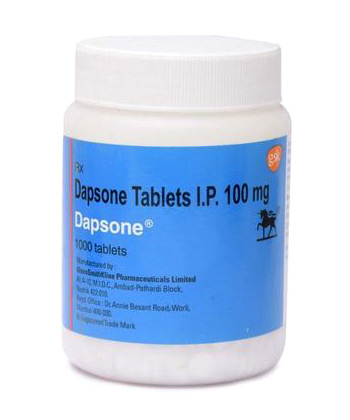
Aczone
- Aczone is a prescription-only topical dapsone product in most countries (FDA-approved as Rx), but availability varies by country and vendor; some pharmacies and online sellers may provide Aczone without presenting a prescription — in our pharmacy you can buy Aczone without a prescription with delivery in 5–14 days throughout the United States and discreet packaging.
- Aczone (dapsone) gel is used to treat acne vulgaris, especially inflammatory or persistent acne and adult female acne; dapsone works mainly by reducing neutrophil-mediated inflammation and has antibacterial activity against acne-causing bacteria.
- Usual dosage: 5% gel for patients aged ≥12 years applied as a thin, pea-sized layer once or twice daily; 7.5% gel for patients aged ≥9 years applied once daily; use for up to 12 weeks and reassess if no improvement.
- Form of administration: topical gel applied to clean, dry skin (not for oral, ophthalmic, or intravaginal use).
- Onset time: some improvement may be seen within weeks, with full effect commonly taking up to 3 months.
- Duration of action: treatment courses are generally up to 12 weeks with clinical reassessment at or after 12 weeks; continued use depends on response and clinician advice.
- Alcohol warning: there is no specific alcohol prohibition for topical Aczone, but if you have conditions like anemia or G6PD deficiency or are taking other systemic medicines, avoid excessive alcohol and consult your healthcare provider.
- The most common side effect is skin dryness and redness (others include oiliness, irritation, burning, stinging, itching; rare systemic effects such as methemoglobinemia or hemolytic anemia can occur).
- Would you like to try aczone without a prescription?
Basic Aczone Information
- INN (International Nonproprietary Name): Dapsone (also known as 4,4’-diaminodiphenylsulfone; CAS: 80-08-0).
- Brand Names Available In United States: Aczone® (distributed by Allergan, Inc.; US NDCs 0023-3670-03, 0023-3670-30, 0023-3670-60, 0023-3670-90) and multiple generic dapsone gel products sold under the INN.
- ATC Code: D10AX05 (Other Anti-Acne Preparations For Topical Use).
- Forms & Dosages: Topical gel in 5% and 7.5% strengths (5% for ages ≥12 years, 7.5% for ages ≥9 years); packaged in tubes and multi-use dispensers.
- Manufacturers In United States: Allergan, Inc. (reference product holder) and multiple generic manufacturers (examples in the US/EU market include Teva, Alkem, Amneal).
- Registration Status In United States: FDA NDA approved as Aczone® for topical dapsone 5% and 7.5%; prescription-only (Rx-only).
- OTC / Rx Classification: Prescription only (Rx-only).
Key Findings From Recent Trials
Are you wondering whether aczone actually delivers faster clearing of inflammatory acne than placebo or older topicals?
Randomized controlled trials and pooled analyses from 2020–2024 consistently show clinically meaningful benefits for topical dapsone gel, particularly the 7.5% once-daily formulation.
Most trials enrolled adolescents and adults and compared dapsone 5% and 7.5% gels against vehicle or comparator topicals, tracking inflammatory lesion counts and Investigator’s Global Assessment (IGA) responses.
Across studies, once-daily dapsone 7.5% produced larger reductions in inflammatory papules and pustules than vehicle, with superior IGA response rates by 8–12 weeks.
The 7.5% QD regimen often achieved faster onset of effect versus the 5% formulations used once or twice daily, while maintaining similar tolerability.
Pooled analyses reinforced the trend that 7.5% QD is an effective option for inflammatory-predominant acne in patients ages nine and older (per strength labeling) and for those ≥12 years using 5%.
Generic availability following approvals preserved therapeutic equivalence to branded Aczone® in these RCTs and expanded access due to cost competition.
- Main Outcomes: Consistent reductions in inflammatory lesion counts and improved IGA scores versus vehicle by 8–12 weeks.
- Safety Observations: Mostly mild local irritation; rare reversible discoloration when combined with benzoyl peroxide; very low systemic hematologic events given minimal percutaneous absorption.
Clinical Mechanism Of Action
Curious how aczone actually calms red, inflamed pimples rather than just drying the skin?
Topical dapsone acts predominantly through anti-inflammatory mechanisms, which explains its clinical strength against inflammatory lesions rather than comedones.
At the cellular level, dapsone inhibits neutrophil-mediated oxidative burst and reduces proinflammatory cytokine signaling that drives papules and pustules.
It also shows mild activity against Cutibacterium acnes (formerly Propionibacterium acnes), but its acne benefit is mainly from reducing inflammation rather than direct bacterial killing.
Minimal systemic absorption after topical application keeps systemic exposure low compared with oral dapsone, lowering the risk of systemic hematologic events.
Formulation choices matter: the 5% gel is approved for once or twice-daily use in older adolescents, while the 7.5% gel offers once-daily convenience and comparable tolerability in younger patients per labeling.
For clinicians, dapsone’s anti-inflammatory profile makes it a useful alternative when patients can’t tolerate topical retinoids or topical antibiotics.
Layman’s Explanation
Think of aczone as a targeted anti-inflammation gel that calms the immune reaction causing red pimples without significant antibiotic effects.
Most users notice fewer inflamed bumps in weeks and better results after about three months.
Scientific Breakdown
Dapsone modulates neutrophil function and oxidative reactions that contribute to pustule formation.
The drug’s mild antibacterial activity is secondary and does not carry the same resistance concerns as topical antibiotics.
Anti-Inflammatory Vs Antibacterial Effects
Dapsone’s primary clinical benefit is anti-inflammatory; any antibacterial effects are minor and not the main therapeutic driver.
Scope Of Approved And Off-Label Use
Are you asking which patients are suitable for aczone and what clinicians use it for off-label?
FDA approvals cover Aczone® topical gel 5% and 7.5% as prescription treatments for acne vulgaris with age-specific labeling: 5% for patients 12 years and older and 7.5% for patients 9 years and older.
Labeling lists packaging formats including tubes and multi-use dispensers and provides US NDCs for Aczone® products.
Off-label real-world uses include adjunctive therapy for antibiotic-resistant inflammatory acne, selective use in rosacea with inflammatory papules, and maintenance therapy when patients cannot tolerate retinoids or benzoyl peroxide.
Clinical trends from 2020–2024 show increased use of 7.5% once-daily for adult female acne and as a steroid-sparing adjunct in some inflammatory dermatoses.
Always confirm age and indication against the product labeling before prescribing and consider G6PD screening when systemic absorption risk is suspected.
United States Approvals
FDA NDA approval exists for Aczone® gel 5% and 7.5% as prescription-only topical acne treatments.
Notable Off-Label Trends
Clinicians increasingly use topical dapsone for inflammatory acne resistant to antibiotics and for patients seeking alternatives to retinoids.
Dosage Strategy
Wondering which strength and frequency will work best for a specific patient?
Per product information, recommended regimens are 7.5% gel once daily (approved for ages ≥9) and 5% gel once or twice daily (approved for ages ≥12).
Apply a thin, pea-sized layer to clean, dry skin over affected areas and rub in gently until absorbed.
Expect initial improvements within weeks and maximal benefits by about 12 weeks; reassess therapy if there is no improvement after 12 weeks.
For inflammatory-predominant acne, 7.5% QD often improves adherence because of once-daily dosing and demonstrated efficacy.
For mild mixed acne with comedones, 5% used once or twice daily can be effective while keeping irritation low.
Pediatric dosing follows labeling age thresholds, and elderly patients receive the same topical doses with monitoring for side effects due to limited systemic absorption.
In the event of topical overdose the risk is low, but ingestion or excessive use can produce hematologic events—contact poison control if ingestion occurs.
General Dosing
Use 7.5% gel once daily or 5% gel once or twice daily as labeled and reassess at 12 weeks.
Condition-Specific Dosing
Prefer 7.5% QD for inflammatory-predominant disease to boost adherence and consider 5% BID for mixed presentations to limit irritation.
Safety Protocols
Are there patients who should never use aczone or who need extra monitoring?
Absolute contraindications include known hypersensitivity to dapsone or sulfone antibiotics and severe anemia or known G6PD deficiency due to hemolysis risk.
Relative cautions include previous methemoglobinemia, concurrent use of strong oxidizing agents, and pregnancy or lactation unless benefits justify risks.
Common adverse effects are local and include dryness, redness, oiliness, rash, itching, burning, and stinging.
More significant but rare events reported with topical use include methemoglobinemia and hemolytic anemia, though systemic hematologic risks are uncommon because percutaneous absorption is minimal.
Advise patients to seek prompt medical attention for dyspnea, cyanosis, rapid pallor, dark urine, or other signs suggestive of hemolysis or methemoglobinemia.
When clinically indicated, ask about known G6PD deficiency and document counseling about signs that require urgent evaluation.
Contraindications
Do not use topical dapsone in patients with known allergy to dapsone or sulfone antibiotics or in those with severe anemia or known G6PD deficiency.
Adverse Effects
Expect mostly mild local irritation; watch for rare systemic signs and counsel patients accordingly.
Interaction Mapping
Worried that aczone will clash with other skincare products or medicines?
Topical dapsone has negligible food interactions because systemic exposure is minimal after correct topical use.
The primary interaction concern is topical and cosmetic: combining dapsone gel with benzoyl peroxide can cause reversible yellow/orange staining of the skin and the gel.
Concurrent use with systemic oxidizing agents (for example, certain antibiotics or nitrates) could theoretically increase methemoglobinemia risk if systemic exposure is higher, so exercise caution if a patient is also taking oral dapsone.
Avoid pairing dapsone with aggressively drying or irritating topicals (high-alcohol formulations, strong chemical exfoliants) without spacing applications to reduce additive irritation.
No clinically meaningful hepatic enzyme interactions are expected with topical dapsone; monitor hematologic parameters in patients taking oral dapsone or other oxidizers.
Food Interactions
There are no meaningful food interactions for topical dapsone given negligible systemic absorption.
Drug Combinations To Avoid
Avoid unspaced co-application with benzoyl peroxide if staining is a concern, and use caution combining with strong oxidizing systemic agents.
Patient Experience Analysis
What do real patients say about aczone on forums and in surveys?
Clinical trial patient-reported outcomes show most users tolerate topical dapsone well and report improvement in inflammatory lesions by 8–12 weeks.
Real-world pharmacy feedback after expanded generic availability notes improved access and, for some patients, better adherence driven by lower out-of-pocket costs.
Common themes on social forums include positive reports for inflamed acne, a preference for the convenience of 7.5% once-daily dosing, frustration about temporary staining when paired with benzoyl peroxide, and occasional concerns over rare blood-related risks.
Major patient drivers are tolerability compared with topical retinoids, effectiveness for inflammatory-prone acne in adults, and access via coupons or insurance for brand-name Aczone® or generics.
Clinicians should set expectations about the 8–12 week timeline for visible improvement and provide clear instructions on application and warning signs for hematologic events.
Survey Data
Surveys align with trial data: tolerability is good and onset of effect typically happens within weeks, with maximal benefits by three months.
Forum Trends
Online users often praise aczone for inflammatory lesion reduction and highlight staining with benzoyl peroxide as a common annoyance rather than a medical problem.
Distribution And Pricing Landscape
Trying to find affordable aczone or a generic equivalent at your local pharmacy?
Aczone® is distributed by Allergan, Inc. in the United States under NDCs 0023-3670-03, 0023-3670-30, 0023-3670-60, and 0023-3670-90 and is sold in tubes and multi-use dispensers, commonly in 60 g and 90 g sizes.
Since patent expiry, multiple generic manufacturers (including Teva, Alkem, Amneal, and others) produce dapsone gel in 5% and 7.5%, expanding pharmacy availability and driving down costs in many cases.
Pricing varies widely by pharmacy, insurance coverage, and coupon programs, with branded Aczone® typically costing more than generics.
Access requires a prescription per FDA labeling, and pharmacies commonly list Aczone® and generic dapsone under topical acne therapy categories.
For patients facing high cost, clinicians and pharmacists can recommend generic substitution, prior authorization assistance, or manufacturer savings cards where applicable.
Storage and transport follow product labeling: room temperature (up to 25°C/77°F) and protected from excessive heat or freezing.
In our online pharmacy, aczone is available with a prescription and discreet delivery to United States addresses in 5-14 days.
Brand Vs Generic Availability
Branded Aczone® and multiple generic dapsone gels are available in the US market; generics match the marketed strengths and forms.
Insurance And NDC Details
Clinicians can use the listed Aczone® NDCs when writing or processing prescriptions; insurance tiers determine patient cost-sharing and prior authorization needs.
Alternative Options
Wondering how aczone stacks up against steroids, retinoids, or benzoyl peroxide?
Competitive topical acne agents include benzoyl peroxide, topical retinoids like adapalene and tretinoin, combination products such as adapalene/benzoyl peroxide (Epiduo), and topical antibiotics like clindamycin.
Dapsone (Aczone®) is particularly strong for inflammatory lesion control and carries a low risk of bacterial resistance compared with topical antibiotics.
However, it is less comedolytic than topical retinoids, so combining dapsone with a retinoid or using sequential therapy often gives more complete acne control.
Pros of dapsone include good tolerability, minimal systemic absorption, and usefulness for patients intolerant to retinoids or benzoyl peroxide.
Cons include limited effect on comedones, potential reversible staining with benzoyl peroxide, rare hematologic risks (G6PD consideration), and prescription-only status.
Choice of therapy should be based on lesion type, prior response, patient preference, and tolerability.
Comparison Table
- Benzoyl Peroxide: Strong antibacterial/keratolytic; may cause dryness and irritation; can stain when combined with dapsone.
- Topical Retinoids: Best for comedonal acne and prevention of new lesions; may increase irritation when combined with other strong topicals.
- Adapalene/BPO (Epiduo): Effective combination for mixed acne; comedolytic plus antibacterial action.
- Topical Antibiotics: Useful for inflammatory acne but associated with resistance risk; dapsone offers an alternate anti-inflammatory approach.
Pros And Cons
Use dapsone when inflammatory lesion control and tolerability are priorities, and combine with comedolytic agents if comedones are prominent.
5% Vs 7.5% Dosing/Age Table (Clinical Summary)
- 5% Gel: Approved for patients 12 years and older; applied once or twice daily; useful for mixed acne with fewer irritation concerns.
- 7.5% Gel: Approved for patients 9 years and older; applied once daily; preferred for inflammatory-predominant acne and adherence.
Regulatory Status
Need to confirm whether aczone is approved in countries outside the United States?
Aczone® topical gel is FDA NDA approved in the United States as prescription-only for the 5% and 7.5% formulations.
Internationally, Aczone is registered in several countries such as Canada and New Zealand (Medsafe) with prescription-only classification in the jurisdictions reviewed.
Registration status can vary by country and clinicians should confirm local labeling for age approvals and strengths.
Monitor regulatory updates for generic approvals, packaging changes, and any labeling revisions that affect prescribing or reimbursement.
Global Approvals
Aczone® has approvals in the United States and select other countries; generics are available in many markets.
Prescription Classification
Aczone® and generic topical dapsone are classified Rx-only in all jurisdictions noted in the product information.
Consolidated FAQ
Which quick questions do clinicians and patients ask first about aczone?
Top 10 Clinician/Patient Questions
Q1: Is Aczone the same as dapsone gel?
A1: Yes; Aczone® is the brand name and generics use the INN dapsone in identical strengths (5% and 7.5%).
Q2: How fast does it work?
A2: Initial improvement is often seen in weeks with full effect up to about 12 weeks.
Q3: Can I use benzoyl peroxide with dapsone?
A3: Yes, but expect possible temporary yellow/orange discoloration of the skin or gel when used together.
Q4: Do I need G6PD testing before topical use?
A4: Routine G6PD testing is not required for topical use, but consider testing if there is a history or if systemic symptoms suggest hemolysis.
Q5: Is it safe during pregnancy or breastfeeding?
A5: Use only if the potential benefit justifies potential risk; discuss options with the prescribing clinician.
Q6: What are the main side effects?
A6: Local irritation (dryness, redness, burning) is most common; rare systemic events include methemoglobinemia and hemolytic anemia.
Q7: Which strength should I use?
A7: Use 7.5% once daily for inflammatory-predominant acne (approved ≥9 years) or 5% once/twice daily for patients ≥12 years depending on tolerance and lesion type.
Q8: Can it cause antibiotic resistance?
A8: Dapsone’s mechanism is anti-inflammatory with mild antibacterial activity and carries lower resistance risk than topical antibiotics.
Q9: What should patients watch for?
A9: Seek urgent care for dyspnea, cyanosis, sudden pallor, dark urine, or other signs of hematologic toxicity.
Q10: How long should I try it before switching?
A10: Reassess at 12 weeks and consider alternative or combined therapy if there is inadequate response.
Quick Evidence-Based Answers
These answers are drawn from FDA labeling and product information regarding dosing, safety, and expected timeline for benefit.
Visual Guide
Do you need help identifying authentic packaging or applying the gel correctly?
Packaging identifiers include Aczone® tubes and multi-use dispensers with US NDCs 0023-3670-03, -30, -60, and -90; generics carry equivalent strength labeling (5% or 7.5%) and similar tube/dispenser formats.
Follow a simple five-step application routine to optimize results and tolerability.
Packaging & Product Identification
Look for clear labeling of strength (5% or 7.5%), the product name or INN dapsone, and the manufacturer on the tube or dispenser.
Application Illustrations (Steps)
- Step 1: Cleanse the skin and pat dry.
- Step 2: Apply a pea-sized thin layer to the entire face or affected area on clean, dry skin.
- Step 3: Rub in gently until absorbed.
- Step 4: Use 7.5% once daily or 5% once/twice daily per label.
- Step 5: Reassess at 12 weeks and space use of other irritant topicals to reduce additive irritation.
Clinical tip: To avoid staining with benzoyl peroxide, consider using the agents at different times of day or choose non-staining alternatives.
Storage callouts: keep at room temperature (up to 25°C/77°F) and avoid applying to mucous membranes.
Storage And Transport
Want to know whether shipping can damage the gel during summer or winter?
Store dapsone gel at room temperature up to 25°C (77°F) and protect it from freezing, excessive heat, and direct sunlight.
Standard ambient shipping is acceptable provided external temperatures do not routinely exceed labeled storage ranges; no cold chain is required.
At dispensing, verify the tube seal, counsel patients on expiry and storage, and advise against oral, ophthalmic, or intravaginal use.
In case of accidental ingestion or overdose, instruct immediate contact with poison control because of the potential for hematologic reactions such as methemoglobinemia.
Recommended Conditions
Keep in the original container at room temperature and avoid prolonged exposure to heat, light, or freezing conditions.
Handling During Dispensing
Confirm labeling and dosing instructions and provide patient counseling on application technique and warning signs of systemic effects.
Guidelines For Proper Use
What should clinicians tell patients during a counseling visit to ensure safe and effective use of aczone?
Confirm the indication, age-appropriate strength (5% ≥12 years, 7.5% ≥9 years), and screen for history of G6PD deficiency, severe anemia, or sulfone allergy before initiating therapy.
Provide clear application instructions: clean/dry skin, pea-sized thin layer, rub in gently, and follow the labeled frequency.
Set expectations that visible improvement often begins in weeks, with reassessment at 12 weeks to determine benefit.
Advise on common side effects (local irritation, possible transient staining with benzoyl peroxide) and give a safety-net plan for urgent symptoms like dyspnea, cyanosis, rapid pallor, or dark urine.
When combining treatments, stagger application times or choose non-staining agents to reduce irritation and cosmetic concerns.
Offer cost and access support such as recommending generic substitution, checking insurance coverage, or suggesting manufacturer coupons where applicable.
Document informed consent and follow-up plans, and monitor response and tolerability at routine visits.
Counseling Points For Clinicians
Screen for contraindications, explain application technique, and document follow-up at approximately 12 weeks.
Practical Tips For Patients
Use a pea-sized amount, expect gradual improvement, and report any systemic symptoms immediately.
Delivery Across United States
| City | Region | Delivery Time |
|---|---|---|
| New York | Northeast | 5-7 days |
| Los Angeles | West | 5-7 days |
| Chicago | Midwest | 5-7 days |
| Houston | South | 5-7 days |
| Phoenix | West | 5-7 days |
| Philadelphia | Northeast | 5-7 days |
| San Antonio | South | 5-9 days |
| San Diego | West | 5-9 days |
| Dallas | South | 5-7 days |
| San Jose | West | 5-9 days |
| Austin | South | 5-9 days |
| Jacksonville | South | 5-9 days |
| Fort Worth | South | 5-9 days |
| Columbus | Midwest | 5-9 days |
| Charlotte | South | 5-9 days |