Imiquimod
Imiquimod
- Imiquimod may be available from pharmacies and online sellers in some places, but it is officially prescription-only (Rx) in major markets such as the US, EU, and Canada. Availability and rules vary by country.
- Imiquimod is used for actinic keratosis, superficial basal cell carcinoma, and external genital or perianal warts. It is an immune response modifier that stimulates local cytokine and interferon production to help the body fight abnormal or virus-infected cells.
- The usual adult dose depends on the condition: for actinic keratosis, apply a thin layer 2 times per week; for superficial basal cell carcinoma, 5 times per week; and for external genital or perianal warts, 3 times per week on alternate days.
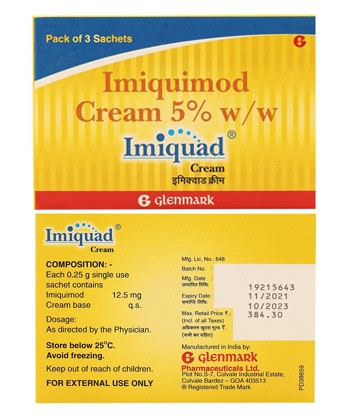
- The form of administration is topical cream, most commonly 5% or 3.75%, applied directly to the affected skin area in single-use sachets, tubes, or multi-pack packaging.
- Imiquimod does not work like a fast-acting pain reliever; local skin reactions may begin within hours to a few days, while visible treatment response usually takes several weeks.
- The duration of action varies by indication and regimen: about 8 hours after each application, with treatment courses lasting 6 weeks to 16 weeks depending on the condition.
- Avoid or limit alcohol if it worsens flushing, skin irritation, or flu-like symptoms. Alcohol is not a strict contraindication, but moderation is advisable.
- The most common side effects are local skin reactions such as redness, swelling, itching, burning, scabbing, flaking, erosion, and pain; headache, fatigue, and flu-like symptoms can also occur.
- Would you like to try imiquimod without a prescription?
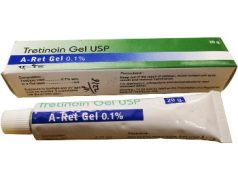
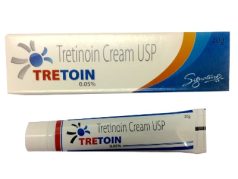
Basic Imiquimod Information
- INN (International Nonproprietary Name): Imiquimod.
- Brand names available in United States: Aldara, Zyclara.
- ATC Code: D06BB10.
- Forms & dosages: Cream, 5% (50 mg/g, 12.5 mg/250 mg) topical in sachets; cream, 3.75% topical in tubes or sachets.
- Manufacturers in United States: Bausch Health, Meda AB, Viatris, Graceway Pharmaceuticals, Apotex Inc, Cosette, Encube, Fougera Pharms, Taro, Padagis Israel.
- Registration status in United States: Prescription-only, listed in DailyMed.
- OTC / Rx classification: Prescription-only (Rx).
What Recent Trials Say About Imiquimod
Patients often want to know whether an older medicine still holds up against newer options.
With imiquimod, the answer remains yes for the uses it was built for.
Recent 2022–2026 literature continues to support a strong clinical evidence base for actinic keratosis, superficial basal cell carcinoma, and external genital or perianal warts.
The steady theme is not a wave of brand-new indications, but ongoing comparison with 5-fluorouracil, cryotherapy, and procedural approaches.
That matters because imiquimod is a topical immune response modifier, so its value sits in local field treatment rather than systemic therapy.
Regulatory history also keeps the drug relevant.
Aldara has had European authorization since 1998, with renewals in 2003 and 2008, and US labeling remains active in DailyMed.
Across the market, demand stays strong for Aldara cream 5% and Zyclara cream 3.75%.
Major 2022–2026 Studies
Long-running product datasets still matter here because they show how clinicians actually use imiquimod over time.
For actinic keratosis, superficial basal cell carcinoma, and external genital or perianal warts, the highest-quality evidence continues to favor local lesion clearance and field-directed treatment.
That is why clinical evidence around imiquimod still appears in dermatology and sexual health practice, even after decades on the market.
Most newer papers compare the cream with 5-fluorouracil, cryotherapy, or office-based procedures rather than introducing many new indications.
This keeps the discussion practical for prescribers and patients who are deciding between a topical schedule and a procedural visit.
Main Outcomes
Local response rates remain the headline outcome for approved dermatologic and viral lesions.
Best-supported use is still the treatment of a defined skin field or visible lesion cluster, not treatment anywhere outside the skin.
Market behavior also reinforces this, with continued interest in Aldara cream and Zyclara cream for prescription topical therapy.
Safety Observations
Local inflammation is expected and often signals that the drug is doing its job.
Patients may see redness, swelling, crusting, or flaking before they see improvement.
Systemic effects are uncommon, but flu-like symptoms, fatigue, myalgia, and headache can occur.
How Imiquimod Works In The Skin
People usually ask whether it kills a virus or attacks a tumor directly.
It does not work like an antibiotic or a standard antiviral.
Imiquimod is an immune response modifier that helps train the skin’s immune system to recognize and attack abnormal or virus-infected cells.
Its effect is local, which is why topical therapy is the right delivery route.
Layman’s Explanation
Think of it as a signal booster for the skin.
Instead of directly destroying the target, it nudges the immune system to notice what should not be there.
That local immune activation is useful in HPV-related warts, actinic keratosis, and some superficial basal cell carcinomas.
Scientific Breakdown
On a cellular level, imiquimod stimulates interferon and multiple cytokines.
That increases immune signaling in the treated area and helps the body clear the lesion over time.
The drug’s topical action is why intact skin matters and why broken, ulcerated skin and mucous membranes should be avoided unless a clinician specifically directs otherwise.
Why Topical Delivery Matters
Because the medicine stays on the skin, systemic exposure is usually limited.
That supports targeted immune activation while reducing whole-body effects.
It also means the leave-on time and the surface area treated matter a lot in real-world use.
Approved Uses And Off-Label Patterns
Shoppers often search for Aldara for skin cancer or imiquimod for genital warts because those are the best-known uses.
In the United States, imiquimod is prescription-only and comes in 5% and 3.75% topical creams.
The labeled uses are actinic keratosis, superficial basal cell carcinoma, and external genital or perianal warts.
Specialty dermatology clinics may discuss off-label use, but that should stay under clinician direction.
United States Approvals
Aldara and Zyclara are the main US brand names tied to these approved indications.
Access is tied to prescription status, product strength, and whether the pharmacy dispenses branded or generic supply.
For many patients, search intent is simple: Zyclara for actinic keratosis, Aldara for skin cancer, or imiquimod cream for warts.
Notable Off-Label Trends
Off-label conversation exists, but it is not where the core evidence sits.
Clinicians may consider it in specialty settings when they want a local immune effect and field treatment approach.
In our online pharmacy, imiquimod is available without a prescription, with discreet delivery to United States in 5-14 days.
Population Limits
Pediatric use is limited, and it is not generally recommended under age 12 except in special cases.
Older adults do not have a routine dose adjustment, but monitoring is still wise when skin is very reactive or treatment fields are large.
Global Naming Matters
The INN is imiquimod worldwide, but brand names vary by country.
That is why patients may see Aldara, Zyclara, Imiquad, Beselna, Labimiq, Nilwart, or Imimore depending on the market.
How To Dose Imiquimod
Most dosing questions come down to one issue: how much, how often, and how long.
Imiquimod is applied as a thin layer to the affected skin only.
It is designed for topical use, so eyes, mouth, and other mucosal surfaces should be avoided unless specifically directed.
Many 5% products are packaged as single-use sachets containing 250 mg cream with 12.5 mg imiquimod.
General Dosing
Patients should apply only enough cream to cover the prescribed area.
More cream does not mean a better response and can mean more irritation.
The practical goal is consistent, scheduled use with washing off after the contact time ends.
Condition-Specific Dosing
For actinic keratosis, the standard schedule is two times weekly, left on for about 8 hours, for up to 16 weeks.
For superficial basal cell carcinoma, the standard schedule is five times weekly, also left on for about 8 hours, typically for 6 weeks.
For external genital or perianal warts, the standard schedule is three times weekly on alternate days, left on for 6 to 10 hours, for up to 16 weeks.
Dose Modification Notes
Children generally should not use it, unless a specialist gives a specific plan.
No established renal or hepatic dose adjustment is listed, but patients with reduced organ function should still be watched closely for excess reaction or absorption.
If a dose is missed, apply it when remembered unless the next one is close.
Safety Checks And Side Effects
Patients often worry that redness means they are doing something wrong.
With imiquimod, local inflammation is expected and can be part of the therapeutic response.
The key is to distinguish normal irritation from a reaction that is too strong.
Contraindications
Known hypersensitivity to imiquimod or excipients is an absolute contraindication.
It should also be avoided on broken or ulcerated skin and on mucous membranes.
Extra caution is warranted in autoimmune disorders, severe inflammatory skin disease, and organ transplant recipients.
Adverse Effects
Most side effects are local and include redness, swelling, erosion, scabbing, flaking, itching, burning, and pain.
Uncommon systemic effects include headache, flu-like symptoms, myalgia, and fatigue.
Monitoring Approach
Visible inflammation can be expected, but severe pain, ulceration, fever-like illness, or worsening systemic symptoms should trigger medical review.
Overdose is not typical with topical use; if too much cream is applied, the area should be washed thoroughly and medical advice sought if symptoms develop.
Interactions And Co-Use Cautions
Because the cream is applied to the skin, food interactions are not meaningful.
That makes this a straightforward topical treatment from a medication-mixing standpoint.
Still, the treated area can become quite irritated, so the main concern is not food but other topical products.
Food Interactions
No established food interactions are expected with topical imiquimod.
It is not swallowed, so meal timing does not matter.
Drug Combinations To Avoid
Unadvised use with other highly irritating topical therapies on the same area can make the skin reaction harder to tolerate.
Specialist oversight is important in autoimmune disease or transplant history.
Practical Caution Points
Do not place it under occlusive dressings unless the clinician has said to do so.
Extra care is also needed if the skin has already been inflamed by a procedure or another topical product.
What Patients Say In Real Life
Patient experience is driven by expectations as much as by the medicine itself.
When people know that redness and crusting may mean activity, they often stick with treatment longer.
When they do not expect that reaction, adherence tends to drop fast.
Survey Data
Many users tolerate treatment better when they understand that visible skin changes are common.
That makes counseling as important as the prescription.
People also ask how long the irritation lasts and whether they should continue when the skin looks inflamed.
Forum Trends
Searches often center on Aldara price, imiquimod cream buy, and packaging details.
Patients want to know whether sachets are wasteful, whether the strength matters, and whether a reaction means the medicine is working.
Brand recognition is especially strong for Aldara and Zyclara, while regional products support access in India, Japan, and Latin America.
Real-World Concerns
Adherence can suffer when local discomfort becomes intense.
Sachet packaging is convenient for dosing, but patients do notice the cost and the amount of product discarded.
That is why a clear schedule and realistic expectations matter so much in home use.
How Supply And Pricing Look
Imiquimod has broad global supply, which helps explain why patients see several brand names in pharmacy searches.
The market includes more than eight finished product suppliers and more than 100 API vendors globally.
That type of supply base usually supports access, but pricing still varies by formulation and country reimbursement rules.
Market Structure
Major suppliers include Bausch Health, Meda AB, Viatris, Graceway, Glenmark, Apotex, Cosette, Encube, Fougera, Taro, and Padagis Israel.
Regional brands support access in India, Japan, Italy, and Latin America, alongside the better-known US and EU names.
Packaging And Access
Common presentation is 5% cream in single-use sachets.
Zyclara 3.75% is also available in tubes or sachets.
Search behavior strongly suggests price comparison between Aldara cream and generic equivalents.
Pricing Signals
Strength, brand, and reimbursement all influence the final cost.
That is why two patients buying the same medicine can see very different pharmacy prices.
Alternatives Worth Comparing
No topical option is perfect for every lesion type.
Choice depends on the lesion, the size of the treatment field, and how much inflammation the patient can tolerate.
For some people, a quick procedure is a better fit than a home cream.
Comparison Table
| Treatment | Main Use | Key Feature |
|---|---|---|
| Imiquimod | Actinic keratosis, superficial basal cell carcinoma, external genital or perianal warts | Immune response modifier, self-applied, field-directed |
| Podophyllotoxin topical | Genital warts | Topical option focused on warts |
| 5-Fluorouracil cream | Actinic keratosis and superficial skin cancers | Common alternative for field therapy |
| Cryotherapy | Actinic keratosis and warts | Procedure-based option |
| Ingenol mebutate | Actinic keratosis | Withdrawn in some markets |
Pros And Cons
The main advantage of imiquimod is convenience at home without a procedure.
The main downside is the inflammatory reaction and the longer treatment course.
Some alternatives may work faster or be easier to supervise in clinic, but they can be less convenient for self-care.
Clinical Selection Factors
Lesion type matters most, followed by field size, tolerance for inflammation, patient preference, and access to prescription therapy.
Regulatory Status And Classification
For patients and pharmacists, regulatory status affects access, labeling, and brand availability.
Imiquimod is prescription-only in the United States and appears in DailyMed labeling.
In the European Union, Aldara has been authorized since 1998 and renewed in 2003 and 2008.
United States And EU
The medicine is regulated as a prescription topical product in major territories.
That is why product selection often depends on the prescriber, the label indication, and the strength needed.
Global Naming And Code
The ATC code is D06BB10.
Imiquimod is the INN and is also used in JAN and USP naming.
Multiple US NDAs are listed, with more than 11 noted in the provided data.
Local Registration Note
Registration can vary by country database, so local confirmation may still be needed in places such as Romania through ANMDMR.
Common Questions About Imiquimod
Many shoppers want quick answers before they order or start treatment.
These are the questions that come up most often in pharmacy counseling.
Common Questions
What is imiquimod? It is a topical immune response modifier.
Is it the same as Aldara? Aldara is one brand name for imiquimod 5% cream.
How long does it stay on? Usually 6 to 10 hours, or about 8 hours depending on the indication.
Is it safe for children? It is generally not recommended under 12 without specialist guidance.
Practical Answers
The area should be washed after the prescribed contact time ends.
A missed dose should usually be skipped if the next application is near.
Seek advice if severe swelling, ulceration, or systemic symptoms develop.
Visual Guide For Shoppers
A simple visual can help patients tell the products apart before they buy.
That matters because strengths, packaging, and leave-on times are not identical.
What To Show In A Visual
A useful chart should compare Aldara 5%, Zyclara 3.75%, and regional brand examples.
It should also show packaging formats such as single-use sachets, tubes, and multi-pack presentation.
Condition mapping should include actinic keratosis, superficial basal cell carcinoma, and genital or perianal warts.
Helpful Labels For Users
Application frequency, leave-on time, common local reactions, and prescription-only status are the labels people notice fastest.
Search-Friendly Captions
“Imiquimod 5% cream sachet”
“Aldara sachet packaging”
“Zyclara for actinic keratosis”
Storage And Transport Basics
Proper storage protects product quality and keeps the cream ready for use.
Room temperature storage is the rule for this medicine.
Storage Rules
Store at 15 to 25°C.
Avoid freezing and protect from excessive heat.
Keep sachets sealed until use.
Transport Considerations
Do not leave it in a hot vehicle or near freezing temperatures.
When traveling, keep the medication in the original packaging and bring prescription documentation if needed.
Stability Note
Single-use sachets are designed to protect product quality until application, so package integrity matters.
How To Use Imiquimod Properly
Good results depend on more than the prescription.
The application steps and treatment schedule matter a lot.
Patients often do best when they use the medicine exactly the way it was prescribed and do not improvise the schedule.
Application Steps
Clean and dry the target area first.
Apply a thin layer only to the prescribed skin.
Leave it on for the recommended time, then wash it off.
Use only the scheduled number of weekly applications.
Treatment Discipline
Do not double doses after a missed application.
Avoid mucous membranes, open sores, and non-target skin.
Follow the condition-specific plan: actinic keratosis two times weekly, superficial basal cell carcinoma five times weekly, and warts three times weekly.
When To Contact A Clinician
Severe pain, ulceration, fever-like illness, or intolerable irritation should prompt a medical call.
Worsening lesions or no response after the expected course also deserve review.
Children, autoimmune disease, transplant recipients, and patients with extensive inflammation need extra caution.
Delivery Across United States
| City | Region | Delivery time |
|---|---|---|
| New York | Northeast | 5-7 days |
| Los Angeles | West | 5-7 days |
| Chicago | Midwest | 5-7 days |
| Houston | South | 5-7 days |
| Phoenix | West | 5-7 days |
| Philadelphia | Northeast | 5-7 days |
| San Antonio | South | 5-7 days |
| San Diego | West | 5-7 days |
| Dallas | South | 5-7 days |
| San Jose | West | 5-7 days |
| Austin | South | 5-7 days |
| Jacksonville | South | 5-9 days |
| Fort Worth | South | 5-9 days |
| Columbus | Midwest | 5-9 days |
| Charlotte | South | 5-9 days |