Zofran
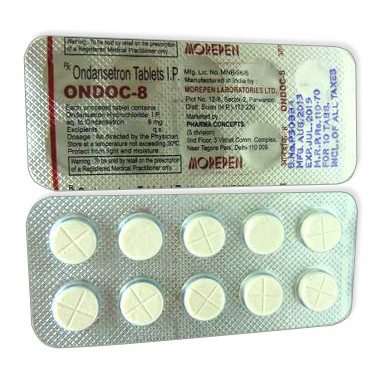
Zofran
- In many countries Zofran (ondansetron) is a prescription-only medicine, typically obtained from pharmacies or by prescription through healthcare providers; however, practices vary and some pharmacies or online sellers may supply it without a receipt—check local regulations and pharmacy policies.
- Zofran is used to prevent and treat nausea and vomiting (chemotherapy-, radiation- and postoperative-related); it is a serotonin (5-HT3) receptor antagonist that blocks serotonin action at vagal nerve terminals and in the chemoreceptor trigger zone.
- Usual adult doses: for chemotherapy prevention 8 mg PO 30 minutes before chemo then 8 mg every 8–12 hours for 1–2 days; for postoperative nausea a single 4 mg IV/IM or 16 mg PO around anesthesia time; pediatric dosing and hepatic dose limits apply (e.g., >4 years often 4 mg doses; severe hepatic impairment max ~8 mg/day).
- Available forms: oral tablets (4 mg, 8 mg), orally disintegrating tablets (ODT), oral solution, oral soluble film (Zuplenz), and injectable solution for IV/IM use; ODTs should be allowed to dissolve on the tongue and oral solution dosed with a syringe/spoon.
- Onset: orally/ODT usually begins to work within about 30 minutes; IV administration produces effects within minutes.
- Duration of action: antiemetic effect generally lasts about 8–12 hours after a typical dose, which is why dosing is often repeated every 8–12 hours when needed.
- Avoid alcohol while taking Zofran as alcohol can increase dizziness, drowsiness, and other side effects and may worsen overall tolerance.
- The most common side effects are headache, constipation, fatigue and dizziness; rarer but serious effects include QT prolongation/arrhythmias and hypersensitivity reactions.
- Would you like to try zofran without a prescription?
Basic Zofran Information
- INN (International Nonproprietary Name): Ondansetron
- Brand Names Available In United States: Zofran, Zofran ODT (Orally Disintegrating Tablets), Zuplenz (oral soluble film). Note: The brand "Zofran" has been discontinued in the U.S., but generic versions remain widely available.
- ATC Code: A04AA01
- Forms & Dosages: Tablets 4 mg and 8 mg; Orally Disintegrating Tablets 4 mg and 8 mg; Oral Solution 4 mg/5 mL and 8 mg/5 mL; Oral Soluble Film (Zuplenz) 4 mg and 8 mg; Injectable Solution 2 mg/mL in 2 mL or 4 mL ampules.
- Manufacturers In United States: Original developer GlaxoSmithKline (GSK); multiple generics supplied by Sandoz, Teva, Mylan, Aurobindo, Apotex and other manufacturers.
- Registration Status In United States: FDA-approved generics are widely available; the FDA withdrew approval for single IV doses greater than 16 mg due to QT prolongation risk.
- OTC / Rx Classification: Prescription only (Rx) in major markets.
- Standard Dosages Per Condition: CINV prevention in adults — 8 mg orally 30 minutes before chemotherapy, then 8 mg every 8–12 hours for 1–2 days post‑chemotherapy.
- Other Standard Dosages: PONV prevention in adults — commonly 16 mg orally or 4 mg IV/IM 1 hour before anesthesia; radiation‑induced nausea — typically 8 mg orally 1–2 hours before treatment then every 8 hours as needed.
- Dosage Adjustments: Pediatric >4 years — 4 mg pre‑treatment then 4 mg every 8 hours up to 2 days; elderly — no routine reduction but monitor QT risk; severe hepatic impairment — maximum 8 mg per day.
- Treatment Duration And Regimens: Chemotherapy and radiation regimens typically last 1–3 days depending on emetogenic risk; postoperative use is usually a single dose.
- Missed Dose And Overdose: If a dose is missed, take it when remembered unless near the next dose; do not double up. Overdose requires immediate medical attention for symptoms such as visual disturbance, severe constipation, fainting, or irregular heart rhythm.
- Storage And Transport Guidelines: Tablets, ODTs, and films — store at room temperature 15–30°C and keep dry. Oral solution — room temperature and do not freeze. Injectables — store per vial labeling, typically at room temperature away from light.
- Absolute Contraindications: Known allergy to ondansetron or any 5‑HT3 antagonist, concurrent use with apomorphine, or hypersensitivity to excipients (including phenylalanine in some ODTs for PKU patients).
- Relative Contraindications And Monitoring Needs: Severe liver impairment (dose cap), congenital long QT syndrome or cardiac disease, electrolyte imbalances (hypokalemia/hypomagnesemia), and pregnancy where risk‑benefit must be assessed for hyperemesis gravidarum.
- Common Side Effects: Headache, constipation, fatigue, dizziness, occasional diarrhea, mild rash, and transient liver enzyme elevations. Rare but serious events include QT prolongation, arrhythmia, and hypersensitivity reactions.
- Competitor Drugs: Granisetron, palonosetron, and dolasetron are other 5‑HT3 antagonists. Non‑5‑HT3 alternatives include metoclopramide, prochlorperazine, and promethazine which carry different side‑effect profiles.
- Frequently Used Terms And E‑Shop Phrases: antiemetic, chemotherapy nausea medicine, Zofran ODT, generic ondansetron, ondansetron oral solution, ondansetron injection, ondansetron pediatric dosing, hyperemesis gravidarum treatment.
- Additional Notes: For ODTs allow the tablet to dissolve on the tongue and for oral solution use a dosing syringe or spoon for accurate measurement.
Key Findings From Recent Trials
Major 2022–2026 Studies
What do patients and oncologists most want to know about recent research on ondansetron?
Randomized trials and meta‑analyses from 2022–2024 remain the most robust evidence base referenced in recent summaries.
These studies reaffirm ondansetron's reliable efficacy for acute chemotherapy‑induced nausea and vomiting and for postoperative nausea and vomiting.
Clinical trials emphasize single‑day prophylaxis with a 5‑HT3 antagonist for many moderately emetogenic chemotherapy regimens.
Research supports combination regimens—5‑HT3 antagonist plus NK1 antagonist and steroid—for highly emetogenic chemotherapy.
Real‑world reports show growing outpatient adoption of orally disintegrating tablets and oral films for improved adherence and earlier perceived onset.
Main Outcomes
How well does ondansetron stop vomiting and nausea in practice?
Most recent trials report high rates of prevention of acute emesis within the first 24 hours after chemotherapy or anesthesia when ondansetron is used appropriately.
Patient‑reported outcomes emphasize symptom control in the first 24–72 hours as the key driver of satisfaction.
ODT and film formulations are associated with better usability in ambulatory settings because patients can take them even when feeling nauseated or unable to swallow.
Safety Observations
What safety signals should prescribers and patients watch for?
Regulatory action by the FDA limiting single IV doses above 16 mg reflects consistent trial and post‑market reports of QT prolongation risk at higher IV doses and with interacting drugs.
Common mild adverse events reported across trials include headache and constipation.
Rare severe events include arrhythmias and hypersensitivity reactions, and ongoing pharmacovigilance projects are monitoring pregnancy exposure and pediatric use.
Clinical Mechanism Of Action
Layman’s Explanation
Why does ondansetron stop nausea?
Ondansetron blocks serotonin signals at specific receptors involved in triggering nausea and vomiting so the brain and gut do not receive a strong "vomit" command during chemotherapy, anesthesia, or radiation.
Scientific Breakdown
What is happening at the receptor level?
Ondansetron is a 5‑HT3 receptor antagonist classified under ATC A04AA01 and it binds competitively to 5‑HT3 receptors.
These receptors are located on vagal afferents in the gastrointestinal tract and centrally in the chemoreceptor trigger zone.
Central Vs Peripheral Action
Does ondansetron act in the gut, the brain, or both?
Peripheral blockade on intestinal vagal terminals reduces afferent signaling triggered by chemotherapy‑induced serotonin release from enterochromaffin cells.
Central blockade in the area postrema and chemoreceptor trigger zone dampens activation of the emetic reflex.
Pharmacokinetics (Concise)
How fast does it work and how is it cleared?
Ondansetron is available as tablets, ODTs, oral film, oral solution, and injectable forms allowing selection by setting and swallowing ability.
Oral formulations are appropriate for pre‑procedure dosing with onset supportive of administration 30–60 minutes before chemotherapy or 1–2 hours before radiation.
Hepatic metabolism predominates and severe hepatic impairment requires a dose cap of 8 mg per day due to slower clearance.
Renal impairment rarely requires adjustment.
Scope Of Approved And Off‑Label Use
United States Approvals
What is ondansetron approved for in the U.S.?
Ondansetron is approved for prevention of chemotherapy‑induced nausea and vomiting, postoperative nausea and vomiting, and radiation‑induced nausea.
FDA‑cleared dosage forms include tablets (4 mg, 8 mg), ODT (4 mg, 8 mg), oral solution (4 mg/5 mL, 8 mg/5 mL), oral film (Zuplenz), and injectable ampules/vials (2 mg/mL).
The FDA withdrew approval for single IV doses above 16 mg because of QT prolongation risk, and labels reflect that constraint.
Notable Off‑Label Trends
When do clinicians use ondansetron beyond the label?
Ondansetron is sometimes used off‑label for severe pregnancy nausea (hyperemesis gravidarum) when first‑line measures fail, with obstetric consultation encouraged.
Pediatric use under practitioner guidance is common, particularly for children older than four years in chemotherapy settings.
Outpatient use leans on ODT and film formats to improve adherence and comfort when swallowing is difficult.
Dosage Strategy
General Dosing
How do you pick a dose and form?
Choose the route and formulation based on onset needs and the patient's ability to swallow—ODTs and films are ideal for patients who cannot swallow tablets or are actively nauseous.
Timing matters, so give oral doses 30–60 minutes before chemotherapy or 1 hour before anesthesia when possible.
Condition‑Specific Dosing
What doses are commonly used for specific problems?
CINV prevention in adults is commonly 8 mg orally 30 minutes before chemotherapy and then 8 mg every 8–12 hours for 1–2 days post‑therapy.
For PONV adults often receive 16 mg orally or 4 mg IV/IM per labeling about 1 hour before anesthesia.
For radiation‑induced nausea, 8 mg orally 1–2 hours before treatment and every 8 hours as needed is commonly used.
Pediatric dosing in practice for children older than 4 years tends to be 4 mg before treatment then 4 mg every 8 hours for up to 2 days.
Special Populations (Hepatic, Pediatric, Elderly)
How are doses adjusted for vulnerable patients?
Severe hepatic dysfunction requires a maximum of 8 mg per day due to slower hepatic metabolism.
Elderly patients do not have a routine dose reduction but warrant closer monitoring for QT‑related cardiac risk and interacting drugs.
Renal impairment rarely necessitates adjustment, though clinical monitoring is prudent if renal failure is severe.
Safety Protocols
Contraindications
Who should not take ondansetron?
Absolute contraindications include known allergy to ondansetron or any 5‑HT3 antagonist and concurrent use with apomorphine because of profound hypotension risk.
Avoid formulations with excipients that cause hypersensitivity, for example phenylalanine in some ODTs for patients with PKU.
Adverse Effects
What side effects are most common and which are serious?
Common mild to moderate effects are headache, constipation, fatigue, dizziness, and occasionally diarrhea or mild rash.
Transient liver enzyme elevations are reported but usually resolve.
Rare serious events include QT prolongation, arrhythmias, and hypersensitivity reactions.
Monitoring Recommendations
What monitoring reduces risk when using ondansetron?
Perform a baseline cardiac risk assessment when IV ondansetron is planned and review concurrent QT‑prolonging medications.
Correct hypokalemia and hypomagnesemia before IV administration when possible.
Observe for signs of arrhythmia after IV dosing, and do not administer single IV doses above 16 mg.
Educate patients to seek immediate care for fainting, palpitations, or sudden dizziness.
Interaction Mapping
Food Interactions
Do foods change how ondansetron works?
No clinically significant food interactions require routine avoidance for ondansetron tablets, ODTs, films, or oral solution.
For ODTs allow dissolution on the tongue and for oral solution use a dosing syringe for accuracy.
Drug Combinations To Avoid
Which drug pairs raise red flags?
Concurrent apomorphine is an absolute contraindication due to profound hypotension and loss of consciousness risk.
Major concern centers on additive QT prolongation when ondansetron is combined with other QT‑prolonging agents.
Strong CYP inhibitors or inducers may alter ondansetron exposure, especially in severe hepatic impairment, so use caution and clinical judgment.
QT‑Prolonging Drug Examples
Which medicines commonly prolong QT and need review?
Examples include amiodarone, sotalol, haloperidol, ziprasidone, levofloxacin, moxifloxacin, and certain macrolide antibiotics.
When combinations are unavoidable, use ECG monitoring and the lowest effective ondansetron dose.
Patient Experience Analysis
Survey Data
Do patients feel ondansetron helps them?
Clinic surveys and patient reports show high satisfaction for rapid relief of acute chemotherapy‑ and postoperative nausea within the first 24–72 hours.
Key drivers of satisfaction are effectiveness during the initial post‑exposure period, tolerability, and easy administration with ODT or film formats.
Forum Trends
What do patients discuss online about ondansetron?
Online forums often praise ODTs and films for convenience and perceived faster onset and mention constipation and headache as commonly experienced side effects.
Discussions about access, pricing, and generic availability are frequent as brand Zofran has been discontinued in the U.S., leaving generics in supply.
Pregnancy forums contain cautious accounts of ondansetron use for hyperemesis gravidarum and stress the importance of obstetric input.
Distribution And Pricing Landscape
Where does ondansetron come from and what does it cost?
GSK originally developed Zofran and generics are now supplied by companies such as Sandoz, Teva, Mylan, Aurobindo, and Apotex.
Packaging varies by market and includes blisters, bottles of oral solution, ODT blisters, Zuplenz sachets, and injectable ampules or vials.
Generic competition has generally lowered prices, but out‑of‑pocket costs still vary by formulation with injectables and films typically costing more.
Hospital procurement focuses on IV ampules and bulk oral solution while ambulatory clinics increasingly carry ODT and film forms for patient convenience.
In our online pharmacy, zofran is available without a prescription, with discreet delivery to United States in 5‑14 days.
Alternative Options
Comparison Table
What other medicines treat nausea and how do they compare at a glance?
Primary pharmacologic alternatives include palonosetron, granisetron, and dolasetron which are other 5‑HT3 antagonists, and older agents such as metoclopramide, prochlorperazine, and promethazine.
Pros And Cons
Which drug fits which situation best?
Ondansetron provides broad availability, multiple formulations including ODT and film, and proven acute efficacy, but has QT risk at higher IV doses and a hepatic dose cap.
Palonosetron has a longer half‑life and can be advantageous for delayed CINV and single‑dose regimens for highly emetogenic chemotherapy.
Granisetron is comparable and is available in long‑acting forms such as transdermal patches in some markets.
Metoclopramide and prochlorperazine are low‑cost options with different mechanisms but higher risk of extrapyramidal effects and sedation.
Regulatory Status
Major Agency Actions
Which regulators have acted on ondansetron?
Ondansetron is approved by major agencies including the FDA, EMA, Health Canada, and TGA, with generics widely registered in many markets.
The FDA issued a label action withdrawing approval for single IV doses greater than 16 mg due to QT prolongation concerns.
Labeling And Prescription Status
Is ondansetron prescription‑only?
Across major markets ondansetron remains a prescription‑only medicine with label strengths and presentations such as tablets 4 mg and 8 mg, ODT 4/8 mg, oral solution and injectable forms.
Local marketing authorizations determine exact presentations and packaging by country.
Consolidated FAQ
Quick Q&A (Top 8 Questions)
What do patients ask most often about ondansetron?
Q1: What is ondansetron?
A1: Ondansetron is a 5‑HT3 receptor antagonist used to prevent nausea and vomiting and sold as Zofran, Zofran ODT, Zuplenz, and generically.
Q2: How should I take it?
A2: Let ODTs dissolve on the tongue, use a dosing syringe for oral solution, and aim to dose 30–60 minutes before chemotherapy or 1 hour before anesthesia as directed.
Q3: Typical adult dose?
A3: For CINV prevention an adult dose is often 8 mg PO 30 minutes before chemo and then 8 mg every 8–12 hours for 1–2 days; PONV dosing can be 16 mg orally or 4 mg IV/IM per labeling.
Q4: Can pregnant women take it?
A4: Ondansetron is sometimes used for hyperemesis gravidarum but only after assessing risks and benefits with an obstetrician.
Q5: Overdose signs?
A5: Seek immediate care for visual disturbances, severe constipation, fainting, or irregular heartbeat which may indicate overdose.
Q6: Storage?
A6: Store tablets, ODTs, and films at room temperature 15–30°C and keep them dry; oral solutions should not be frozen; follow vial labeling for injectables.
Q7: Is it OTC?
A7: No, ondansetron is prescription‑only in major markets, though our online pharmacy offers discreet delivery options.
Q8: Major drug interaction?
A8: Apomorphine is contraindicated and other QT‑prolonging drugs require caution and monitoring.
Visual Guide
Recommended Diagrams And Captions
Which visuals help patients and clinicians understand use and risk?
Dosing timeline infographic showing pre‑chemo 8 mg PO at −30 minutes and repeat 8 mg q8–12h for 1–2 days with caption: "Timing matters—take as directed before exposure."
Formulation comparison visual with tablet, ODT, film, oral solution, and injectable icons and administration tips with caption: "Choose the formulation based on swallowing ability and setting."
QT risk decision flowchart covering baseline ECG, review of QT drugs, electrolytes, and the avoid‑single IV >16 mg rule with caption: "Cardiac risk screening for IV ondansetron."
Packaging gallery showing typical blisters, solution bottles, Zuplenz sachets and ampules with caption: "Packaging varies by market—verify label and strength."
Safety callout box listing contraindications and hepatic dose cap with caption: "Know the absolute contraindications before prescribing."
Infographic Elements
Which bite‑size elements are most useful?
Short bedside prompts on ODT use, film placement, and dosing syringe use for solutions yield better adherence in ambulatory patients.
Simple ECG checklist and electrolyte correction reminders are useful for perioperative and infusion centers.
Storage And Transport
Temperature And Packaging Guidance
How should the product be stored and shipped?
Tablets, ODTs, and films should be stored at 15–30°C and kept dry to preserve disintegration properties.
Oral solutions should be stored at room temperature and not frozen.
Injectables generally require room temperature storage away from light; follow manufacturer vial labeling for any special instructions.
Pharmacy/Logistics Notes
What should pharmacy staff and logistics teams watch for?
Use original blister packaging for ODTs until dispensed to protect against moisture and preserve dissolution behavior.
Provide a dosing syringe with oral solution and include concise administration instructions such as "let ODT dissolve on the tongue" or "place film on tongue and allow to dissolve."
For international shipments and hospital bulk orders, verify import rules and maintain chain‑of‑custody documentation for prescription‑only products.
Guidelines For Proper Use
Administration Tips
How do patients take the dose correctly?
Allow an ODT to dissolve on the tongue without chewing and avoid swallowing immediately so the tablet can dissolve fully.
Place Zuplenz film on the tongue and let it dissolve without the need for water.
Measure oral solution with a dosing syringe to ensure accurate milligram dosing.
Missed Dose And Overdose Protocol
Counseling Points For Patients
What should patients know about missed doses and overdose?
If a dose is missed, take it as soon as remembered unless it is close to the next scheduled dose and never double doses to catch up.
In suspected overdose seek immediate medical attention and report symptoms such as severe constipation, visual problems, fainting, or irregular heartbeats.
If cardiac signs are present obtain an ECG and check electrolytes and treat arrhythmias per local advanced life support protocols.
Counsel patients on the hepatic dose cap in severe liver disease and the contraindication with apomorphine.
Delivery Across United States
| City | Region | Delivery Time |
|---|---|---|
| New York | Northeast | 5-7 days |
| Los Angeles | West | 5-7 days |
| Chicago | Midwest | 5-7 days |
| Houston | South | 5-7 days |
| Phoenix | West | 5-7 days |
| Philadelphia | Northeast | 5-7 days |
| San Antonio | South | 5-7 days |
| San Diego | West | 5-9 days |
| Dallas | South | 5-9 days |
| San Jose | West | 5-9 days |
| Austin | South | 5-9 days |
| Jacksonville | South | 5-9 days |
| Fort Worth | South | 5-9 days |
| Columbus | Midwest | 5-9 days |
Final Notes For Prescribers And Patients
What practical takeaways should clinicians and patients keep in mind?
Use ondansetron as part of guideline‑directed antiemetic plans for acute CINV and PONV while tailoring therapy for the emetogenicity of chemotherapy.
Prefer ODT or film formulations for ambulatory patients who have difficulty swallowing or are actively nauseated.
Screen for QT risk and correct electrolytes before IV use and avoid single IV doses above 16 mg in line with FDA guidance.
Remember the hepatic dose cap of 8 mg per day in severe liver impairment and check for absolute contraindications such as apomorphine use.
Encourage patients to report side effects promptly and provide clear administration instructions for ODTs, films, and oral solution.