
Nolvadex
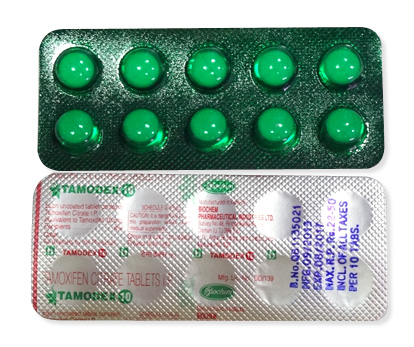
Nolvadex
- You can purchase Nolvadex (tamoxifen) from pharmacies and licensed online sellers in many countries, but it is prescription-only (Rx) in regulated markets such as the US, EU, Canada, Australia, and others. Availability and packaging vary by region, and buying it without a prescription may not be legal or safe depending on local laws.
- Nolvadex is used for hormone receptor-positive breast cancer, including metastatic disease, adjuvant treatment after surgery, ductal carcinoma in situ (DCIS), and breast cancer risk reduction in high-risk adults. It is a selective estrogen receptor modulator (SERM) that blocks estrogen’s effects in breast tissue.
- The usual adult dose is 20 mg by mouth once daily for early-stage breast cancer, DCIS, or risk reduction; metastatic breast cancer is commonly treated with 20–40 mg daily, sometimes divided into two doses if above 20 mg.
- The form of administration is oral tablets, and in some markets an oral solution is also available.
- Nolvadex usually starts working gradually over days to weeks, while symptom and disease-control benefits may take longer to become noticeable.
- The duration of action is about 24 hours per dose, but treatment courses are typically long-term, often 5 years for adjuvant therapy or prevention, and continued as long as clinical benefit is seen in advanced cancer.
- Alcohol should be avoided or limited, because it may worsen dizziness, liver-related side effects, and overall treatment tolerance.
- The most common side effects are hot flashes, nausea, fatigue, leg cramps, vaginal discharge or bleeding, and sometimes rash or fluid retention.
- Would you like to try Nolvadex without a prescription?


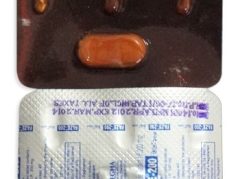


Basic Nolvadex Information
- INN (International Nonproprietary Name): Tamoxifen
- Brand names available in United States: Nolvadex, Soltamox, and generics
- ATC Code: L02BA01
- Forms & dosages: Tablets 10mg and 20mg, oral solution 10mg/5mL, and rare capsules 10mg or 20mg
- Manufacturers in United States: AstraZeneca, Teva, Sandoz, and Actavis (Teva)
- Registration status in United States: FDA approved since 1977 under various NDAs
- OTC / Rx classification: Prescription-only (Rx)
Key Findings From Recent Trials
Major 2022–2026 Studies
Are patients still asking whether Nolvadex has a place in modern breast cancer care?
The short answer is yes.
Tamoxifen remains a cornerstone SERM for hormone receptor-positive breast cancer and for breast cancer prevention in high-risk adults.
Recent practice trends continue to focus on recurrence prevention, how long therapy should last, and whether patients stay on treatment long enough to benefit.
The big clinical story is not that tamoxifen is new, but that it is durable.
FDA approval has been in place since 1977, yet the conversation in 2022 to 2026 still centers on recurrence reduction, persistence, and how Nolvadex compares with aromatase inhibitors in postmenopausal patients.
For many patients, especially those who cannot use an aromatase inhibitor, tamoxifen citrate remains a practical and evidence-based endocrine therapy option.
Main Outcomes
The strongest outcomes stay consistent across clinical use.
Patients on tamoxifen can see lower recurrence risk, reduced contralateral breast cancer, and sustained benefit in high-risk adults.
That is why the breast cancer pill is still discussed so often in oncology follow-up visits.
In a typical Friday-evening pharmacy call, the most common concern is not whether the medicine works, but whether a patient can stay on it for years without giving up because of side effects.
Safety Observations
Safety monitoring remains central during endocrine therapy.
Clinicians still watch for thromboembolic events, endometrial changes, and menopausal symptoms such as hot flashes and vaginal bleeding.
That monitoring matters because tamoxifen SERM effects are tissue-selective, so the benefit in breast tissue comes with different risks in the uterus and clotting system.
Key Trend Summary
Evidence continues to favor tamoxifen as a durable endocrine therapy choice, especially when aromatase inhibitors are not appropriate.
Real-world adherence is still a major issue, which is why counseling matters as much as the prescription itself.
Clinical Mechanism Of Action
Layman’s Explanation
What does Nolvadex actually do in the body?
It blocks estrogen from “fueling” certain breast cancer cells.
That is the practical reason it is used for treatment and prevention in hormone-sensitive disease.
Many patients understand it best as an antiestrogen that helps keep estrogen from switching on the wrong signal in breast tissue.
Scientific Breakdown
Tamoxifen is a selective estrogen receptor modulator, or SERM, and its ATC code is L02BA01.
In breast tissue, it behaves as an antiestrogen.
In bone and endometrium, it can show partial estrogen-like activity.
That selective behavior is why efficacy and adverse effects differ by organ system.
For hormone therapy for breast cancer, this tissue selectivity is a major part of the drug’s value.
It is also why clinicians keep an eye on uterine symptoms and clot risk even when the medicine is doing its job well.
Tissue Selectivity
The same tamoxifen citrate molecule can act differently depending on the tissue it reaches.
Breast tissue gets the antiestrogen effect that helps reduce recurrence.
Bone and endometrium may respond differently, which helps explain why some patients notice hot flashes while others develop vaginal symptoms or endometrial changes.
Scope Of Approved And Off-Label Use
United States Approvals
Wondering where Nolvadex fits in licensed U.S. care?
It has been FDA approved since 1977 and is prescription-only.
Common branded products include Nolvadex and Soltamox, along with generics.
Standard indications include metastatic breast cancer, adjuvant early-stage breast cancer, ductal carcinoma in situ, and breast cancer risk reduction in high-risk adults.
That broad approved use is one reason tamoxifen for breast cancer is still widely prescribed in oncology and prevention settings.
Notable Off-Label Trends
Common off-label or non-universal uses include gynecomastia, McCune-Albright syndrome, premature puberty, and some fertility-related uses.
These uses may be seen in specialist practice, but they are not licensed in every region or for every patient.
Men can also be prescribed tamoxifen in selected situations, which is sometimes overlooked by first-time patients.
Regional Variation
Names and packaging vary by market.
You may see Tamoxifeno, TAM, Nolvadex, Tamofen, Kessar, Soltamox, or generics depending on the country.
In our online pharmacy, nolvadex is available without a prescription, with discreet delivery to United States in 5-14 days.
For buyers comparing access points, that search often starts with “buy Nolvadex online” or “prescription Nolvadex for gynecomastia,” but legal classification and dispensing rules still matter by location.
Dosage Strategy
General Dosing
What dose do most adults start with?
The common starting point is 20 mg by mouth daily.
For metastatic disease, the usual range is 20 to 40 mg daily, often divided if the total dose is above 20 mg.
That is why Nolvadex 20mg tablets remain the most familiar strength for many patients and pharmacists.
Condition-Specific Dosing
For ductal carcinoma in situ, the standard regimen is 20 mg daily for 5 years.
For breast cancer risk reduction in high-risk adults, the same 20 mg daily dose is also used for 5 years.
For adjuvant therapy after early-stage breast cancer, treatment is usually up to 5 years, though some protocols extend to 10 years.
Duration is often the hardest part for patients, not the tablet itself.
That is where counseling about recurrence prevention and routine follow-up can make a real difference.
Special Populations
Tamoxifen is not FDA-approved in children or adolescents.
Specialist-only use may occur in limited conditions such as McCune-Albright syndrome or premature puberty, with close monitoring.
No routine dose adjustment is needed in older adults, but sensitivity to side effects may be higher.
Use caution in hepatic impairment because tamoxifen is metabolized by the liver.
Safety Protocols
Contraindications
Which patients should avoid tamoxifen?
Absolute contraindications include hypersensitivity to tamoxifen or excipients, concurrent warfarin therapy in certain breast cancer settings, and a history of deep vein thrombosis or pulmonary embolism.
Relative concerns include severe hepatic impairment, inherited thromboembolic disorders, pre-existing endometrial hyperplasia or cancer, and cataracts.
These are not minor cautions, especially in patients already at higher clot risk.
Adverse Effects
Common tamoxifen side effects include hot flashes, nausea, leg cramps, fatigue, and vaginal discharge or bleeding.
Some patients also report rash, skin changes, or fluid retention.
Endometrial changes such as hyperplasia or polyps are less common, but they matter because they can signal a need for more evaluation.
That is why SERM safety is always part of endocrine therapy counseling.
Clinical Monitoring
Baseline history and periodic follow-up are essential.
Patients with clotting risk, prior gynecologic issues, or visual symptoms need closer review.
A simple checklist at the start of therapy can prevent a lot of trouble later.
Ask about prior DVT or PE, abnormal uterine bleeding, liver disease, and any anticoagulant use before the first dose is taken.
Interaction Mapping
Food Interactions
Is there a major food restriction with Nolvadex?
No major food prohibition is listed in the source data.
Still, taking tamoxifen at the same time each day helps adherence and reduces missed doses.
For many patients, pairing it with a regular routine, like breakfast or bedtime, works better than relying on memory alone.
Drug Combinations To Avoid
The major interaction concern is warfarin because of bleeding risk and contraindication in certain indications.
Medication review should also include antidepressants, anticoagulants, and CYP-related agents in real-world prescribing workflows.
That is especially important when a patient is already on multiple chronic medicines and the breast cancer pill is being added later.
Practical Medication Review
A pharmacist should check the full medication list before dispensing tamoxifen citrate.
That means looking at blood thinners, mental health medicines, and anything that may affect metabolism or bleeding risk.
Even when there is no obvious food issue, the drug list can tell a different story.
Patient Experience Analysis
Survey Data
What do patients complain about most?
The burden usually clusters around hot flashes, fatigue, nausea, and vaginal symptoms.
Those effects are common enough that patients often bring them up before being asked.
In day-to-day pharmacy counseling, the biggest gap is often expectation-setting, not access.
Forum Trends
Online discussions tend to focus on tolerability, duration of therapy, fertility concerns, and managing menopausal-like symptoms.
That makes sense because tamoxifen is often taken for years, and long treatment can feel very different from a short antibiotic course.
Questions about the breast cancer prevention timeline are especially common among high-risk adults who feel healthy but still need the medicine.
Adherence Barriers
Long treatment duration and side effects can reduce persistence.
That is why counseling matters.
A patient who knows why the medicine matters is more likely to keep taking it after the first hot flash or the first annoying dose of nausea.
Small, practical check-ins often prevent a bigger adherence problem later.
Distribution And Pricing Landscape
Market Overview
Who makes tamoxifen?
Major suppliers include AstraZeneca, Cipla, Intas, Sun Pharma, Teva, Sandoz, Servier, and Actavis.
The U.S. market includes branded and generic options, and product availability may vary by dispenser and region.
For shoppers comparing tamoxifen citrate options, brand name recognition often drives the first search, but dispensing rules matter more than marketing.
Packaging And Availability
Common packaging includes 10 mg and 20 mg tablets, plus oral solution at 10 mg/5 mL.
Blister packs and bottles vary by region and supplier.
Nolvadex packaging usually highlights dosage, lot number, and expiry in line with national regulations.
Buying Signals
Search intent often includes “buy Nolvadex online,” but Rx status means legitimate access requires licensed dispensing.
That distinction protects patients from counterfeit or mishandled medicine.
For people who need a breast cancer pill quickly, the safest path is still a verified pharmacy workflow with medication review and counseling.
Alternative Options
Comparison Table
| Drug | Main Type | Main Difference |
|---|---|---|
| Anastrozole | Aromatase inhibitor | Used mainly in postmenopausal patients |
| Letrozole | Aromatase inhibitor | Another postmenopausal option |
| Fulvestrant | Estrogen receptor downregulator | Given by IM injection |
| Raloxifene | SERM | Mainly used for osteoporosis and prevention |
Pros And Cons
Tamoxifen is broadly used across more patient groups, including premenopausal women and some men.
That wider reach is one of its biggest strengths.
The tradeoff is that clot and endometrial risks matter, so it is not the first choice for everyone.
Compared with aromatase inhibitors, tamoxifen can be the more practical antiestrogen when menopausal status or tolerance limits other options.
Selection Logic
Choice depends on menopausal status, cancer stage, tolerance, and prevention goals.
When a patient asks about tamoxifen alternatives, the deciding factors are often not just efficacy but also safety history, age, and how long the treatment plan will last.
Regulatory Status
United States And EU
Nolvadex has been FDA approved since 1977.
In the European Union, EMA accepts Nolvadex, Soltamox, and generics across member states.
That long regulatory history is part of why the drug remains a standard reference point in endocrine therapy discussions.
Global Registration
Approved or available through national agencies in Canada, Australia, Japan, Latin America, and Romania.
Romania’s ANMDMR database can be used to trace registrations, and European packaging language depends on the local agency and market.
Prescription-only status applies across all jurisdictions cited in the source data.
Rx Classification
Tamoxifen is not an over-the-counter drug.
That matters because the medicine has real safety and interaction considerations, especially with warfarin and clotting history.
Consolidated FAQ
Common Questions
What is Nolvadex? It is the brand name commonly used for tamoxifen, a selective estrogen receptor modulator for hormone-sensitive breast cancer treatment and prevention.
What is the usual dose? The standard adult dose is 20 mg daily for most approved uses.
How long is it taken? Many approved regimens last 5 years, though some adjuvant protocols extend to 10 years and metastatic treatment continues as long as there is benefit.
Can men use it? Yes, tamoxifen can be prescribed for both women and men in appropriate situations.
Safety And Access Questions
What side effects are most common? Hot flashes, nausea, fatigue, leg cramps, and vaginal symptoms are among the most common.
Is it prescription-only? Yes, in the jurisdictions listed in the source data.
What if a dose is missed? Take it as soon as remembered unless the next dose is near, and do not double up.
Short-Answer Format
Those answers reflect approved uses, 20 mg standard dosing, and skip-don’t-double missed-dose guidance.
Visual Guide
Timeline Or Flowchart Concept
A simple visual works best for this medicine.
Start with estrogen receptor blocking in breast tissue.
Then show the approved indications: metastatic breast cancer, early-stage adjuvant therapy, DCIS, and risk reduction in high-risk adults.
Finish with the typical 5-year treatment course and the note that some adjuvant protocols extend to 10 years.
Packaging And Strength Panel
A useful panel can show 10 mg tablets, 20 mg tablets, and the 10 mg/5 mL oral solution.
Brand examples should include Soltamox and Tamofen along with Nolvadex and generics.
That makes the comparison easy for patients who are trying to match a pharmacy label to what they were prescribed.
Decision Aid
A simple who-may-use-it chart can include breast cancer, DCIS, prevention, and select off-label cases such as gynecomastia or McCune-Albright syndrome under specialist care.
The goal is not to oversimplify, but to help patients see where the medicine fits and where it does not.
Storage And Transport
Storage Requirements
How should Nolvadex be stored at home?
Keep it below 25 °C, or 77 °F.
Protect it from moisture and light.
Keep tablets or solution in the original packaging whenever possible.
That helps preserve stability and keeps the lot number and expiry easy to confirm.
Transport Considerations
Avoid freezing oral solutions.
Prescription medicine should stay secure during shipping and handling.
If a package is traveling, do not leave it in a hot car or unsealed mailbox for long periods.
Compliance Note
Packaging typically lists dosage, lot number, and expiry in line with national regulations.
That is useful for pharmacy verification and for the patient’s own peace of mind.
Guidelines For Proper Use
Administration Basics
Take tamoxifen exactly as prescribed.
Try to take it at the same time every day.
If a dose is missed, take it when remembered unless the next scheduled dose is close.
Do not double the dose.
That simple rule can prevent accidental overexposure and unnecessary side effects.
Overdose And Follow-Up
Overdose symptoms may include tremor, dizziness, unsteadiness, abnormal gait, and seizures.
Supportive hospital care is recommended for significant overdose because there is no specific antidote.
Patients starting therapy should review duration, side effects, clot symptoms, and follow-up exams before the first month is over.
Adherence Checklist
Use this quick checklist before starting treatment.
- Confirm the daily dose and expected duration.
- Review hot flashes, vaginal symptoms, and nausea as expected side effects.
- Ask about any personal history of DVT, PE, or warfarin use.
- Know what to do if a dose is missed.
- Keep follow-up visits for monitoring and safety checks.
Delivery Across United States
| City | Region | Delivery Time |
|---|---|---|
| New York | Northeast | 5-7 days |
| Los Angeles | West | 5-7 days |
| Chicago | Midwest | 5-7 days |
| Houston | South | 5-7 days |
| Phoenix | West | 5-7 days |
| Philadelphia | Northeast | 5-7 days |
| San Antonio | South | 5-7 days |
| San Diego | West | 5-7 days |
| Dallas | South | 5-7 days |
| Austin | South | 5-7 days |
| Jacksonville | South | 5-9 days |
| Fort Worth | South | 5-9 days |
| Columbus | Midwest | 5-9 days |
| Charlotte | South | 5-9 days |
| San Jose | West | 5-9 days |