
Tretinoin Cream
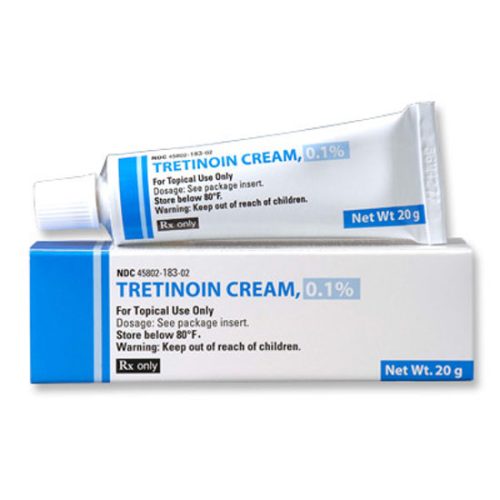
Tretinoin Cream
- You can buy tretinoin cream from pharmacies and online pharmacies in many countries, including the United States and Europe. It is prescription-only in most markets, but some pharmacies may offer it without a prescription depending on local rules and availability.
- Tretinoin cream is used to treat acne and is also used for photoaging, fine wrinkles, and skin texture improvement. It is a topical retinoid that works by increasing skin cell turnover, helping unclog pores, and reducing inflammation.
- The usual dose for acne is to apply a thin layer once daily, usually at night, using strengths such as 0.025%, 0.05%, or 0.1%. For photoaging, 0.05% cream is commonly used once daily.
- The form of administration is topical cream applied to the skin.
- Tretinoin cream may start causing visible skin changes within 2 to 6 weeks, but acne improvement often takes 6 to 12 weeks of regular use.
- The duration of action is about 24 hours, so it is typically used once daily as part of a continuing treatment plan.
- Alcohol does not directly interact with topical tretinoin cream, but drinking may worsen skin dryness or irritation in some people. Avoid applying the cream on irritated skin.
- The most common side effects are redness, peeling, dryness, burning, itching, photosensitivity, and temporary worsening of acne during the first weeks of treatment.
- Would you like to try tretinoin cream without a prescription?
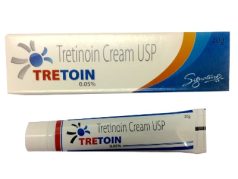
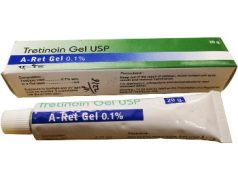
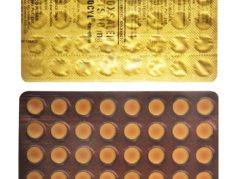
Basic Tretinoin Cream Information
- INN (International Nonproprietary Name): Tretinoin
- Brand Names Available In United States: Retin-A, Avita, Atralin, Altreno
- ATC Code: D10AD01
- Forms & Dosages: Cream 0.025%, 0.05%, 0.1%; gel 0.01%, 0.025%, 0.05%; lotion 0.05%; capsules 10 mg
- Manufacturers In United States: Multiple manufacturers, including NJ- and Texas-based suppliers, plus Canada-labeled products
- Registration Status In United States: FDA-approved, Rx-only for topical acne treatment and oral acute promyelocytic leukemia
- OTC / Rx Classification: Prescription-only (Rx)
- Standard Dosages Per Condition: Acne vulgaris: thin layer once daily at night; photoaging/fine wrinkles: usually 0.05% cream once daily; oral APL: 45 mg/m²/day in two divided doses under oncology supervision
- Dosage Adjustments: Children over 12 may use topical tretinoin under supervision; start low in older adults; topical use usually does not require liver or kidney adjustment
- Storage & Transport: Store below 25°C (77°F), protect from light and moisture, avoid freezing, keep tightly closed and out of reach of children
- Contraindications: Hypersensitivity, pregnancy for topical use, and eczematous, sunburned, or severely irritated skin
- Side Effects: Redness, peeling, dryness, burning, itching, photosensitivity, irritation, acne flares early in treatment; oral use may cause headache, fever, dry skin or mucosa, bone pain, and differentiation syndrome
- Competitors: Adapalene, tazarotene, isotretinoin
Tretinoin Cream Evidence And What Recent Trials Show
Major Studies From 2022 To 2026
Patients usually want one thing first: does tretinoin cream actually work, and is the irritation worth it?
Recent acne and photoaging research continues to support tretinoin as a high-efficacy topical retinoid, especially for comedonal acne, post-inflammatory dyschromia, and texture improvement.
Newer formulation work has focused more on lower-irritation delivery systems, such as microsphere, lotion, and combination products, rather than changing the active ingredient itself.
The main takeaway is consistent with long clinical experience: regular nightly use works better than spot use or inconsistent application.
Main Outcomes
In acne treatment cream studies, visible improvement usually begins after 6 to 12 weeks, with continued benefit over several months.
For patients using a wrinkle cream with tretinoin, the improvements tend to be gradual and cumulative rather than dramatic overnight.
That pattern matters in real life, because many people stop too soon when the early “dry and peel” phase shows up first.
Safety Observations
Across trials and long-term use, irritation remains the predictable tradeoff.
Redness, peeling, dryness, and burning are the most common early complaints with tretinoin topical therapy.
In practical terms, the best results usually come from steady use, a gentle cleanser, moisturizer support, and daily sunscreen.
What The Strongest Data Suggest
The strongest acne and photoaging data still point in the same direction: tretinoin cream is effective when it is used consistently and applied correctly.
Patients looking at tretinoin cream studies should pay attention to the time course, because the skin often needs several weeks to adjust before the visible payoff appears.
That is one reason pharmacy teams often counsel people to think in months, not days.
Acne Lesion Reduction
For acne, tretinoin helps reduce clogged pores, blackheads, and whiteheads by normalizing cell turnover inside the follicle.
That is why tretinoin acne evidence has stayed strong for decades, even as newer products entered the market.
Photoaging And Fine Lines
For photoaging, tretinoin photoaging results are usually seen as smoother texture, more even tone, and gradual softening of fine lines.
People often compare tretinoin cream for acne with cosmetic-style anti-aging products, but tretinoin remains a prescription retinoid cream with a true pharmacologic effect.
How Tretinoin Cream Works
Layman’s Explanation
If a patient asks what tretinoin does in plain English, the answer is simple: it helps skin cells turn over faster and more evenly.
That means fewer clogged pores in acne and a smoother, more refined look over time in aging skin.
It is a vitamin A acid medicine, so you will also hear it described as retinoic acid cream or vitamin A acid.
Scientific Breakdown
Tretinoin is the active form of retinoic acid.
It binds nuclear receptors that control gene expression in keratinocytes and fibroblasts.
That signaling helps reduce abnormal keratin buildup, supports follicular normalization, and may increase dermal collagen production over time.
Retinoic Acid Signaling
As a topical retinoid, tretinoin changes how skin cells behave at the gene level rather than simply coating the skin surface.
This is why tretinoin gel and tretinoin cream are not just cosmetic moisturizers with a clever label.
Follicular Normalization
In acne, the biggest payoff comes from comedolysis and a reduction in pore plugging.
That is the core reason Retin-A cream and other tretinoin topical products remain first-line options for many patients with comedonal acne.
Collagen And Epidermal Effects
Over time, tretinoin skin cell turnover may support better texture and a more even-looking epidermis.
That is also why Retin-A anti-aging cream remains a common search term among people looking for a prescription retinoid cream.
Approved Uses And Common Off-Label Use
United States Approvals
In the U.S., tretinoin is Rx-only and FDA-approved in topical forms for acne and in oral capsule form for acute promyelocytic leukemia.
Common topical brands include Retin-A, Avita, Atralin, and Altreno, and the usual packaging is a 20 g to 30 g tube, with Altreno sold as a 45 g lotion bottle.
Acne Vulgaris
For acne vulgaris, tretinoin cream for acne remains a standard prescription choice because it targets clogged pores at the source.
Adults and adolescents typically apply a thin layer once daily at night to affected skin.
Acute Promyelocytic Leukemia
For oral use in APL, treatment is managed by oncology and is not interchangeable with the topical product.
The typical regimen is 45 mg/m²/day in two divided doses, with adjustments based on specialist guidance.
Notable Off-Label Trends
Dermatology practice often includes off-label tretinoin use for photoaging, fine wrinkles, hyperpigmentation, and acne maintenance after other therapies.
That kind of maintenance plan is one reason many patients stay on tretinoin topical therapy for the long term.
In our online pharmacy, tretinoin cream is available without a prescription, with discreet delivery to United States in 5-14 days.
Photoaging
Photoaging use usually centers on 0.05% cream once daily, with results building slowly over time.
Patients who want a wrinkle cream with tretinoin should expect gradual change rather than a quick cosmetic fix.
Hyperpigmentation And Maintenance Therapy
Many clinicians also use tretinoin as a maintenance option after oral isotretinoin or antibiotics, especially when breakouts keep returning.
For discoloration, the benefit often comes from better cell turnover and more even shedding of pigmented surface cells.
Dosing And Strength Selection
General Dosing
Most people do best with nightly application, but a slower start is often smarter when skin is sensitive.
That is especially true for teens, older adults, and anyone with eczema or a history of irritation.
Nightly Application
Topical tretinoin is normally applied once a day at night.
Morning use is avoided because the product can increase photosensitivity and works best as part of an evening routine.
Concentration Selection
Common strengths include tretinoin cream 0.025%, tretinoin cream 0.05%, and 0.1% cream or gel.
Lower strengths are often preferred first when the goal is to reduce retinoid irritation while building tolerance.
Condition-Specific Dosing
For acne, the usual strategy is thin, even application to the affected area rather than spot treatment.
For photoaging, 0.05% cream is commonly used once daily.
For APL, dosing is entirely specialist-managed and not comparable to a skin-care routine.
Acne Vulgaris
Patients with acne often ask whether more product means faster results.
The answer is no, because overuse only raises irritation without improving outcomes.
Photoaging
People using tretinoin for fine wrinkles usually need patience more than product switching.
Consistency is more important than aggressively increasing strength too early.
Oral APL Regimen
Oral capsules are used under oncology supervision only, with dose changes made according to the treatment protocol and patient status.
That is a completely different setting from topical tretinoin for acne or anti-aging.
Safety, Contraindications, And Side Effects
Who Should Not Use It
Safety counseling is where a pharmacist can prevent a lot of trouble.
Tretinoin is prescription-only in nearly all markets because it can irritate skin and, for oral use, carries major risk.
Pregnancy And Hypersensitivity
Topical tretinoin is generally contraindicated in pregnancy, and hypersensitivity to the drug or excipients is an absolute contraindication.
Patients planning pregnancy or breastfeeding should discuss use with a clinician first.
Irritated Or Sunburned Skin
Tretinoin should not be applied to eczematous, sunburned, cracked, or severely irritated skin.
Those conditions make the retinoid irritation problem worse right away.
Adverse Effects
Common topical side effects include redness, peeling, dryness, burning, itching, and photosensitivity.
An early acne flare can also happen during the first weeks, which is why the phrase tretinoin purge comes up so often in patient discussions.
Mild Reactions
Most mild reactions can be managed by lowering frequency, using a bland moisturizer, and avoiding over-application.
A pea-sized amount for the whole face is usually enough.
Moderate To Serious Reactions
Oral tretinoin may cause headache, fever, dry skin or mucosa, bone pain, and differentiation syndrome.
Those symptoms need urgent specialist attention.
Interactions And Product Combinations
Food Interactions
Topical tretinoin has no meaningful food interaction.
Oral tretinoin is specialist-managed and requires full medication review, but that is not a typical consumer pharmacy scenario.
Topical Products
For skin use, the biggest concern is additive irritation rather than a classic food or drug interaction.
That is why tretinoin interactions usually mean what you put on the skin with it.
Oral Tretinoin
Oral use is handled by oncology, so any interaction review belongs with the treatment team.
Patients should not self-manage oral tretinoin the way they would a dermatology cream.
Drug Combinations To Avoid
Strong acids, scrubs, alcohol-heavy toners, and other keratolytics can make peeling worse.
Many patients also need guidance on tretinoin and benzoyl peroxide, since using both at the same time of day can be too irritating for some skin types.
Other Irritants
Topical steroids and harsh cleansing routines may also complicate tolerance when skin is already inflamed.
Simple routines work best during the first month.
Photosensitizers And Keratolytics
Sunscreen is essential because photosensitivity can increase during treatment.
That advice matters even more for anyone using a retinoid in the summer or in sunny climates.
What Patients Say In Real Life
Survey Patterns
Patient experience with tretinoin cream follows a very predictable pattern.
Early discomfort is common, but satisfaction rises when users stay consistent and adjust the routine instead of quitting too soon.
Irritation As The Main Dropout Reason
Dryness, peeling, and burning are the most common reasons people stop during the first few weeks.
That is especially true when someone starts too fast or uses too much product.
Satisfaction Rises After Week 6
Once the skin adjusts, many users report clearer breakouts, smoother texture, and better tone.
That timing matches the usual 6 to 12 week improvement window seen in tretinoin cream reviews and clinical use.
Forum Trends
Online discussion often centers on the purge period, moisturizer buffering, and the sandwich method.
Those ideas are not magic, but they can make the first month easier.
Purging Discussions
People talk about tretinoin purge when acne seems to surface faster at the beginning of treatment.
That can happen as clogged pores come to the surface before the skin settles down.
Moisturizer Buffering And Sandwich Method
Starting every other night and using a bland moisturizer are common tolerance strategies.
Patients also do better when they use only a pea-sized amount and resist the urge to “fix” things by adding more.
U.S. Access, Pricing, And Brand Landscape
Market Access
In the United States, tretinoin is widely available through retail and mail-order pharmacies with multiple generic manufacturers plus branded options.
That broad availability is one reason generic tretinoin stays relevant in everyday acne care.
Rx Pharmacy Availability
Because it is prescription-only in standard U.S. labeling, access usually runs through a dermatologist or other prescriber.
Once prescribed, filling tretinoin cream is straightforward at most pharmacies.
Brand And Generic Spread
Retin-A, Avita, Atralin, and Altreno are the best-known U.S. names, while generic tretinoin is commonly used for cost savings.
Packaging is usually a tube for creams and gels, with lotion sold in a bottle.
Global Packaging Trends
Tretinoin is sold internationally under localized brand names and local packaging, often with country-specific labeling.
Examples include Retacnyl in France, Acnatac in Europe, and other regional names across Mexico, Indonesia, Israel, Guatemala, and Honduras.
Tube Sizes And Local Suppliers
Topical products usually come in 20 g to 30 g tubes, while lotion may be sold in a 45 g bottle.
Those size differences matter when comparing tretinoin pricing between brands and pharmacies.
Alternatives Worth Considering
Comparison Table
Sometimes tretinoin is the right choice, and sometimes another retinoid is easier to live with.
That decision usually comes down to irritation, access, and how aggressive the acne is.
- Adapalene: Available OTC in low strengths and often preferred by beginners because it is better tolerated.
- Tazarotene: Prescription topical retinoid that is often considered stronger or more irritating.
- Isotretinoin: Oral prescription option reserved for severe acne and more tightly regulated because of teratogenicity.
Adapalene
Adapalene is the closest OTC alternative and is often the first retinoid people try.
It is a practical option when a patient wants something gentler than Retin-A cream.
Tazarotene
Tazarotene is another prescription retinoid, but it is usually not the easiest starting point for sensitive skin.
For some patients, that extra potency is useful, but the irritation burden can be higher.
Isotretinoin
Oral isotretinoin is in a different category entirely and is used for severe acne.
It is not a simple substitute for a topical retinoid cream.
Regulatory Status And How It Is Classified
United States
Tretinoin is FDA-approved in topical and oral forms, and it remains Rx-only in the United States.
That status reflects both potency and the risk profile, especially in pregnancy.
FDA Rx-Only Status
Topical tretinoin is a prescription retinoid cream, not an over-the-counter skincare ingredient.
That distinction matters when people compare tretinoin to cosmetic retinol products.
International Regulators
Outside the U.S., tretinoin is also recognized by EMA-aligned systems, Health Canada, ANVISA, TGA, and other national agencies.
In Romania and the wider EEA, tretinoin and combinations such as Acnatac are listed through local systems aligned with ANMDMR.
EU, EEA, And Other Agencies
The global regulatory footprint supports tretinoin as a standard topical retinoid, but not as a casual self-care ingredient.
That is why prescription tretinoin stays under medical supervision in most markets.
Frequently Asked Questions
Common Patient Questions
These are the questions people ask most often when they pick up tretinoin cream for acne or anti-aging use.
How Long Until It Works?
Most patients see visible acne improvement in 6 to 12 weeks.
Texture and fine-line changes usually take longer.
Can It Be Used Daily?
Yes, daily use is standard for many patients once tolerance is established.
Some people need every-other-night dosing at the start.
What If It Irritates The Skin?
If irritation shows up, reduce frequency, moisturize, and avoid other harsh actives.
That simple reset often helps more than stopping entirely.
Clinically Important Answers
Tretinoin should not be used in pregnancy without medical guidance.
Daily sunscreen is recommended because sun sensitivity can increase during treatment.
Is It Safe In Pregnancy?
Topical use is generally contraindicated in pregnancy.
Anyone trying to conceive should discuss the plan before starting or continuing therapy.
Can I Combine It With Sunscreen?
Yes, and sunscreen is part of the routine.
Use tretinoin at night and sunscreen during the day.
What The First Few Months Usually Look Like
Week By Week Timeline
A realistic timeline helps patients stick with treatment long enough to see results.
Tretinoin is cumulative, so early frustration is common and expected.
Week One To Two
Dryness, tightness, and mild peeling often show up first.
That is the adjustment phase, not a sign that the medicine has failed.
Week Four To Six
Acne turnover often starts to settle by this point.
Some patients notice fewer new clogged pores and a more even surface.
Week Eight To Twelve
This is when clearer visible benefit becomes easier to see.
For many users, the skin looks smoother and breakouts are less frequent.
Application Flow
A simple routine works best and keeps tretinoin from becoming unnecessarily irritating.
Cleanse
Wash with a gentle cleanser and avoid scrubbing.
Wait
Let the skin dry fully before applying, because damp skin can increase stinging.
Apply Pea-Sized Amount
Spread a pea-sized amount over the whole face unless your prescriber gives different instructions.
Finish with moisturizer if needed, and keep sunscreen for the morning.
Storage And Travel Tips
Storage Conditions
Tretinoin should be stored below 25°C (77°F), protected from light and moisture, and kept tightly capped.
Freezing should be avoided.
Below 25°C
Room-temperature storage is usually enough, but do not leave it in a hot car or by a sunny window.
Protect From Light And Moisture
Keeping the cap closed matters more than most people think.
That helps preserve the product and reduces accidental drying at the tip.
Transport Considerations
For travel, carry tretinoin in hand luggage if possible and keep it away from heat sources.
Because it is Rx-only and often sold in small tubes, it should also stay out of reach of children.
Keep Capped Tightly
A tightly closed tube is the easiest way to avoid spills and contamination.
Avoid Freezing
Do not store it in places that cycle through extreme temperatures.
That includes glove compartments and checked bags on long trips.
Proper Use Tips And Mistakes To Avoid
How To Apply
The safest way to use tretinoin cream is the simplest way: start low and go slow.
That approach gives the skin time to adapt and lowers the chance of quitting early because of irritation.
Start Low And Go Slow
Beginning every other night is often helpful for sensitive skin.
Lower strengths such as 0.025% can be a better starting point for beginners.
Use Only A Thin Layer
More product does not mean better results.
Over-application usually just means more redness and peeling.
Mistakes To Avoid
The most common mistake is trying to speed up the process with extra product or too many other active ingredients.
That almost always backfires.
Overuse
Do not apply tretinoin more often than directed.
If you miss a dose, apply it when remembered unless the next dose is due soon, and do not double up.
Mixing With Irritating Products
Avoid layering strong acids, scrubs, and other keratolytics unless your clinician specifically tells you to do so.
That is especially important during the first few weeks of a tretinoin beginner guide routine.
Delivery Across United States
| City | Region | Delivery Time |
|---|---|---|
| New York | Northeast | 5-7 days |
| Los Angeles | West | 5-7 days |
| Chicago | Midwest | 5-7 days |
| Houston | South | 5-7 days |
| Phoenix | West | 5-7 days |
| Philadelphia | Northeast | 5-7 days |
| San Antonio | South | 5-9 days |
| San Diego | West | 5-7 days |
| Dallas | South | 5-7 days |
| San Jose | West | 5-9 days |
| Austin | South | 5-7 days |
| Jacksonville | South | 5-9 days |
| Fort Worth | South | 5-9 days |
| Columbus | Midwest | 5-9 days |
| Charlotte | South | 5-9 days |