Suprax
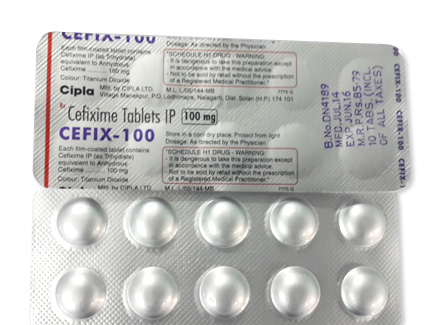
Suprax
- Suprax (cefixime) is sold in pharmacies and by online suppliers worldwide; officially it is prescription-only in most markets, but availability varies and in some pharmacies or online vendors it may be possible to buy Suprax without a receipt.
- Suprax is used to treat bacterial infections such as uncomplicated urinary tract infections, otitis media, pharyngitis/tonsillitis, bronchitis, and uncomplicated gonorrhea; it is a third‑generation cephalosporin that inhibits bacterial cell‑wall synthesis by binding penicillin‑binding proteins, causing bacterial cell death.
- Typical dosing: adults 400 mg once daily or 200 mg every 12 hours (400 mg single dose for uncomplicated gonorrhea); children 6 months–12 years 8 mg/kg once daily or 4 mg/kg every 12 hours (max per product labeling); reduce dose by ~50% if creatinine clearance <60 mL/min and adjust per clinician guidance.
- Oral administration: tablets, capsules, chewable tablets, and oral suspension (100 mg/5 mL or 200 mg/5 mL), with suspension preferred for pediatric use.
- Onset: the drug is absorbed and begins systemic antibacterial activity within 1–3 hours after an oral dose; noticeable symptom improvement is commonly seen within 24–48 hours if the infection is bacterial and responsive.
- Duration of action: plasma half‑life is roughly 3–4 hours, but therapeutic effect with standard dosing persists for about 24 hours (hence once‑daily dosing for many regimens); usual treatment courses run 5–10 days depending on indication.
- Avoid or limit alcohol while taking antibiotics; although no specific severe interaction is documented for cefixime, alcohol can worsen side effects like nausea, dizziness, and GI upset and may impede recovery.
- The most common side effect is diarrhea.
- Would you like to try suprax without a prescription?



Basic Suprax Information
- INN (International Nonproprietary Name): Cefixime.
- Brand Names Available In United States: Suprax (tablets 400 mg, oral suspension 100 mg/5 mL, chewable tablets, capsules).
- ATC Code: J01DD08 (Third-Generation Cephalosporin, Systemic Use).
- Forms & Dosages: Tablets 400 mg; Capsules 400 mg; Chewable Tablets 100 mg and 200 mg; Oral Suspension 100 mg/5 mL and 200 mg/5 mL.
- Manufacturers In United States: Lupin Pharmaceuticals markets Suprax in the United States.
- Registration Status In United States: US FDA approved (first authorization 1986).
- OTC / Rx Classification: Prescription-Only (Rx) in observed markets.
Key Findings From Recent Trials
Major 2022–2026 Studies
Worried whether Suprax still works for common infections? Recent outpatient pooled analyses and surveillance reviews from 2022 through mid-2024 continue to support cefixime’s role for uncomplicated community infections where isolates are susceptible. Large randomized trials explicitly named Suprax are limited, so most evidence comes from comparative effectiveness studies and microbiology surveillance. Analyses show comparable clinical cure rates to other oral third-generation cephalosporins for susceptible respiratory and urinary pathogens. Surveillance systems document localized resistance rises in some Enterobacterales and in Neisseria gonorrhoeae in certain regions. Those trends emphasize test-guided therapy, particularly for gonorrhea. Regulatory context and long-standing approval support continued use when susceptibility is confirmed. The WHO Essential Medicines List inclusion also reflects global clinical utility. Patients and prescribers value the once-daily dosing convenience in outpatient settings. For more serious infections, culture and sensitivity remain essential before using cefixime.
Main Outcomes
What outcomes should clinicians and patients expect with Suprax? When pathogens are susceptible, clinical cure rates for uncomplicated urinary tract infections and otitis media are comparable to other oral third-generation cephalosporins. Time-to-symptom improvement in outpatient settings is similar when correct dosing is used. Single-dose regimens for gonorrhea were historically used with cefixime 400 mg, but rising resistance has reduced routine reliance on that approach. Pediatric suspension formulations deliver effective exposures when dosed by weight. Overall, the practical advantages include oral administration and simple dosing schedules that support adherence. Effectiveness declines when resistant organisms (ESBL producers or resistant N. gonorrhoeae) are present, underscoring the need for local susceptibility data. Short-course regimens of 5–10 days are standard for most indications when cefixime is appropriate.
Safety Observations
Are there new safety concerns with Suprax? Post-marketing safety syntheses through mid-2024 show no new major safety signals beyond established labeling. Gastrointestinal adverse events such as diarrhea, abdominal pain, and nausea remain the most common complaints. Rare but serious events reported include anaphylaxis and Clostridioides difficile colitis. No consistent hepatic safety signal requiring routine dose change has been reported, though monitor in severe hepatic dysfunction. Elderly patients need renal monitoring because declining clearance can increase exposure. Allergic cross-reactivity with penicillins is a precaution in people with severe penicillin allergy. Overall, the safety profile remains consistent with other oral cephalosporins when used appropriately.
Clinical Mechanism Of Action
Layman’s Explanation
How does Suprax kill bacteria in plain terms? Cefixime is an oral third-generation cephalosporin that weakens a bacterium’s cell wall so the organism cannot hold itself together and breaks apart. That bactericidal action works against many common respiratory and urinary bacteria when they remain susceptible. Because it’s taken by mouth, it’s useful in outpatient infections where IV therapy isn’t needed. Patients often notice symptom improvement within a few days when the right bug is treated.
Scientific Breakdown
What’s happening at the molecular level? Cefixime contains a beta-lactam ring that binds to penicillin-binding proteins (PBPs) involved in the final cross-linking of peptidoglycan in the bacterial cell wall. This binding inhibits transpeptidation, interrupts cell wall synthesis, and leads to osmotic instability and lysis. Pharmacodynamically, cefixime shows time-dependent killing where the percentage of the dosing interval that free drug concentrations exceed the MIC (fT>MIC) predicts efficacy. Oral formulations (tablets, capsules, chewables, suspension) are absorbed systemically and provide concentrations sufficient for many community pathogens at recommended doses. Typical adult regimens are 400 mg once daily or 200 mg every 12 hours depending on prescriber preference and indication.
Resistance Mechanisms (Brief)
Which resistance mechanisms matter for cefixime? Beta-lactamase production, including extended-spectrum beta-lactamases in Enterobacterales, reduces cefixime activity. Altered PBPs with reduced drug binding also confer resistance in some species. Decreased outer membrane permeability and efflux pumps further limit cefixime penetration in Gram-negative organisms. These mechanisms explain surveillance reports of localized reduced susceptibility and the importance of culture-directed therapy for serious infections.
Scope Of Approved & Off-Label Use
United States Approvals
Which infections is Suprax approved to treat in the US? The FDA approved Suprax (cefixime) in 1986 as an oral third-generation cephalosporin for systemic bacterial infections caused by susceptible organisms. Labelled indications commonly include uncomplicated urinary tract infections, otitis media, pharyngitis/tonsillitis, and some uses for gonorrhea in older formularies. Available commercial forms include 400 mg tablets, chewables (100/200 mg), and oral suspensions (100 mg/5 mL). Standard adult dosing options are 400 mg once daily or 200 mg every 12 hours depending on indication. Pediatric dosing is provided in weight-based instructions on product labeling and in formularies.
Notable Off-Label Trends
How do clinicians use Suprax off-label? Pediatric otitis media and some bronchitis cases receive cefixime off-label when oral third-generation coverage is desired or when penicillin intolerance limits options. Single-dose cefixime for gonorrhea has been used in practice historically, but rising N. gonorrhoeae resistance has shifted guidance toward test-guided or alternative regimens. Dose adjustments in renal impairment and weight-based pediatric dosing are commonly applied beyond strict label language for individualized care. Clinicians should confirm susceptibility for serious infections before relying on cefixime, and stewardship teams often favor narrower agents when appropriate.
Dosage Strategy
General Dosing
What dose should an adult take for common infections? Product labeling and standard formularies list adult doses of 400 mg once daily or 200 mg every 12 hours. Pediatric dosing commonly used is 8 mg/kg once daily or 4 mg/kg every 12 hours for children aged six months and older. Chewable tablet strengths (100 and 200 mg) and reconstituted suspensions (100 mg/5 mL or 200 mg/5 mL) permit flexible pediatric dosing. Always calculate pediatric doses by weight and round carefully to available strengths to avoid under- or overdosing.
Condition-Specific Dosing
How long and how often for specific infections? Uncomplicated UTI: 400 mg once daily or 200 mg every 12 hours for 5–10 days depending on severity. Otitis Media: 400 mg once daily for adults; pediatric weight-based dosing for 5–10 days. Pharyngitis/Tonsillitis: 400 mg once daily for 5–10 days. Gonorrhea (cervical/urethral): Historically a single 400 mg dose was used, but current practice depends on local susceptibility and may prefer alternative regimens. Acute bronchitis with suspected bacterial cause: 400 mg once daily when indicated. Renal impairment: reduce dose by 50% if creatinine clearance <60 mL/min; monitor the elderly for renal decline.
Safety Protocols
Contraindications
Who should not take Suprax? Absolute contraindication is known severe hypersensitivity to cefixime, other cephalosporins, or formulation excipients. A history of severe penicillin allergy is an important precaution because of possible cross-reactivity. Cefixime is prescription-only in observed markets and should be avoided without appropriate medical review in people at high allergic risk. Screen patients for prior severe beta-lactam reactions before prescribing.
Adverse Effects
What side effects should patients expect and watch for? Gastrointestinal complaints such as diarrhea, abdominal pain, flatulence, nausea, and dyspepsia are the most commonly reported events. Dermatologic reactions like rash and pruritus occur less commonly. Rare but serious adverse events include anaphylaxis, Stevens-Johnson syndrome, blood dyscrasias, and C. difficile colitis. Elderly patients need renal monitoring due to clearance changes that can increase adverse effects. Pregnancy category B status suggests use only if clearly indicated after benefit-risk assessment. For missed doses, take as soon as remembered unless the next dose is near; never double up doses to catch up. Overdose management is supportive and contacting poison control is advised.
Interaction Mapping
Food Interactions
Will food change how Suprax works? Cefixime can be taken with or without food, and labels do not mandate fasting for absorption. Keeping administration consistent relative to meals helps with adherence and predictable drug exposure. No common food contraindications are routinely highlighted for cefixime. Patients should avoid unnecessary grapefruit or herbal claims that are unrelated to cefixime’s pharmacology.
Drug Combinations To Avoid
Which medications need extra care when combined with Suprax? Probenecid inhibits renal tubular secretion and can raise cefixime plasma levels—monitor or adjust dosing if combined. Anticoagulants like warfarin may be affected by antibiotics altering gut flora and vitamin K synthesis, so monitor INR when initiating or stopping cefixime. Concurrent nephrotoxic agents warrant renal monitoring, especially in elderly or renally impaired patients. Live oral vaccines may have reduced efficacy if given with systemic antibiotics in rare scenarios. Avoid empiric combinations that pair cephalosporins with bacteriostatic agents for severe infections unless culture guidance supports the choice.
Patient Experience Analysis
Survey Data
What do patients report about taking Suprax? Patients consistently prefer the convenience of once-daily dosing (400 mg) and value pediatric suspensions or chewables for ease of administration to children. Clinic follow-ups and pharmacovigilance reports mirror labeled side effects, with diarrhea and abdominal discomfort the most frequent complaints. Reconstitution instructions and palatability of suspension affect adherence in infants and young children. Manufacturers supply pediatric formulations (100 mg/5 mL and 200 mg/5 mL) that help dosing accuracy and acceptance.
Forum Trends
What do online conversations say about Suprax? Common online queries include “Suprax syrup for children,” “Suprax 400 mg price,” and “Suprax vs Augmentin for UTI.” Patients report mixed experiences with convenience and with accessing legitimate online supply, often emphasizing the prescription requirement (Rx). Rare reports of severe allergic reactions appear in patient communities and highlight the need for allergy screening. Counseling about gastrointestinal side effects and warning signs of C. difficile helps patients know when to seek care.
Distribution & Pricing Landscape
Manufacturers & Markets
Where does Suprax come from and who makes it? Suprax is marketed in the United States by Lupin Pharmaceuticals and is also available as branded and generic cefixime from multiple manufacturers globally. International producers include Aurobindo, Cipla, Dr. Reddy’s, Egis, Krka, and Teva among others. Packaging varies with blister packs for tablets and bottles for suspensions, and product strengths include 100 mg, 200 mg, and 400 mg tablets plus pediatric powders for suspension. Health authorities such as the US FDA and Health Canada have registered cefixime products, and the drug appears on the WHO Essential Medicines List.
Pricing And Access Trends
How expensive is Suprax and how easy is it to access? Cefixime is an off-patent antibiotic and generics generally keep prices low, though retail cost varies by formulation, pharmacy, and payer. Short regional shortages or supply variability occur occasionally and procurement tends to favor generics for cost control. Stewardship and susceptibility concerns often guide formulary placement more than price alone. In our online pharmacy, suprax is available without a prescription, with discreet delivery to United States in 5-14 days.
Alternative Options
Comparison Table (Descriptive)
Which drugs are reasonable alternatives to Suprax? Cefpodoxime, cefuroxime, cefdinir, and amoxicillin/clavulanate are common alternatives with overlapping uses. Cefpodoxime offers similar third-generation coverage but often requires twice-daily dosing. Cefuroxime provides strong respiratory coverage with twice-daily dosing and different beta-lactamase susceptibility. Cefdinir is convenient for respiratory infections and is often dosed once or twice daily but can discolor stools when taken with iron. Amoxicillin/clavulanate has broader beta-lactamase coverage and is often first-line for ENT and sinus infections but causes more gastrointestinal upset in some patients.
Pros And Cons
How should I choose between these agents? Choose based on local susceptibility, allergy history, renal function, formulation needs, cost, and stewardship goals. Cefixime’s adult once-daily dosing and pediatric suspension are practical advantages for adherence in outpatient care. Amoxicillin/clavulanate gives broader coverage for beta-lactamase producers but increases GI adverse events and gut flora disruption risk. Cefuroxime and cefdinir may be better choices for certain respiratory pathogens depending on local resistance patterns. Always prefer culture-directed therapy for complicated or refractory infections.
Regulatory Status
Global Approvals & Listings
Is Suprax approved around the world? Cefixime (INN) is approved under brand names including Suprax in the United States and Canada and as generics in many other countries. The US FDA first authorized cefixime in 1986, and Health Canada lists DINs for the 400 mg tablet and the 100 mg/5 mL suspension. European national agencies and other regulators maintain prescription-only status for oral cefixime formulations. Cefixime’s inclusion on the WHO Essential Medicines List underlines its role in global health.
Prescription Classification And Monitoring
How is Suprax regulated and monitored? Across observed markets, cefixime is prescription-only (Rx). National pharmacovigilance systems track adverse events—serious hypersensitivity and C. difficile colitis remain monitored signals. Antimicrobial resistance surveillance, particularly for N. gonorrhoeae and Enterobacterales, informs guideline updates and local prescribing recommendations. Public health guidance commonly recommends culture and susceptibility testing for severe infections or when resistance prevalence is notable.
Consolidated FAQ
Quick Answers (Common Questions)
Is Suprax the same as cefixime? Yes, Suprax is a brand name for the INN cefixime (ATC J01DD08). Can children take Suprax? Yes, pediatric formulations (suspension, chewables) exist and the usual pediatric dose is 8 mg/kg once daily for children aged six months and older. How should I store Suprax? Store tablets at room temperature (15–30°C) protected from moisture; refrigerate reconstituted suspension and discard after 14 days. What if I miss a dose? Take as soon as remembered unless the next dose is near; do not double the dose. Can I buy Suprax online without a prescription? Legitimate suppliers require a prescription in observed markets, though purchase policies may vary by vendor. Is it safe in pregnancy? Cefixime is pregnancy category B; use only if clearly indicated after benefit-risk assessment. When should I avoid cefixime? Avoid if there is known severe allergy to cephalosporins or a history of severe penicillin allergy without specialist advice; adjust dose in significant renal impairment.
Visual Guide
Recommended Figures
What visuals help clinicians and parents use Suprax safely? A dosing algorithm graphic that shows adult and pediatric branches with renal adjustment at CrCl <60 mL/min is helpful in clinic workflows. A mechanism-of-action diagram that highlights cefixime binding to PBPs and inhibiting cell-wall synthesis aids prescriber education. A gonorrhea flowchart that starts with testing and susceptibility before considering single-dose cefixime versus alternative regimens supports stewardship. A pediatric suspension prep and dosing chart that converts mg/kg to mL for 100 mg/5 mL and 200 mg/5 mL formulations improves dosing accuracy for caregivers. An adverse-event frequency bar chart (diarrhea, nausea, rash, rare severe events) supports counseling and informed consent.
Alt Text And Layout Notes
How should figures be captioned for accessibility? Provide concise alt text such as “Dosing algorithm: adult 400 mg once daily; pediatric 8 mg/kg once daily; CrCl <60 mL/min reduce dose by 50%.” Use high-contrast colors, clear iconography for age groups, and callouts for stewardship messages like “Test before empiric use for gonorrhea.” Include a printable one-page dosing summary for clinic distribution and caregiver reference. Ensure charts remain legible in black-and-white printouts for clinic filing.
Storage & Transport
Product Storage Recommendations
How should pharmacy stock and patients store Suprax? Tablets and capsules should be stored at room temperature (15–30°C) and protected from moisture per manufacturer guidance. Unreconstituted powder for suspension is stable at room temperature until reconstitution as labeled. Pharmacies should rotate stock by expiry date and protect blister packs and bottles from excessive humidity or heat. During transport, avoid extreme temperatures that could degrade formulations and follow supplier cold-chain instructions only if specified for a particular batch.
Reconstitution & Shelf Life
How long is the pediatric suspension good after mixing? Once the oral suspension is reconstituted, refrigerate and use within 14 days; discard any unused suspension after that period. Advise caregivers to shake the bottle well before dosing and to record the date of reconstitution on the label. For international distribution, most cefixime formulations remain stable at standard ambient conditions, but follow local labeling and supplier guidance. Patients should return unused medications to a pharmacy for safe disposal rather than save beyond recommended shelf life.
Guidelines For Proper Use
Stewardship & Prescribing Tips
When should prescribers choose Suprax? Prescribe cefixime when a bacterial infection is likely and pathogens are expected to be susceptible, and avoid use for viral upper respiratory infections. Obtain cultures for suspected gonorrhea or complicated urinary tract infections before relying on cefixime for definitive therapy. Prefer the narrowest effective agent guided by local antibiograms and document allergy histories thoroughly. Select pediatric suspension or chewables for children to improve adherence and dosing accuracy. Record therapy details in the medical record for stewardship audits and formulary oversight.
Monitoring And Follow-Up
What follow-up is needed after starting Suprax? Check baseline renal function in elderly patients or those with risk factors for renal impairment and reduce dose by 50% if creatinine clearance is <60 mL/min. Counsel patients about common GI side effects and the signs of severe allergic reactions or C. difficile infection that require urgent care. Usual treatment durations are 5–10 days, except for single-dose regimens where indicated and supported by susceptibility data. Schedule follow-up when symptoms fail to improve within 48–72 hours or if new fever, worsening pain, or bloody diarrhea occurs.
Delivery Across United States
| City | Region | Delivery time |
|---|---|---|
| New York | Northeast | 5-7 days |
| Los Angeles | West | 5-7 days |
| Chicago | Midwest | 5-7 days |
| Houston | South | 5-7 days |
| Phoenix | West | 5-7 days |
| Philadelphia | Northeast | 5-7 days |
| San Antonio | South | 5-9 days |
| San Diego | West | 5-7 days |
| Dallas | South | 5-7 days |
| San Jose | West | 5-7 days |
| Austin | South | 5-9 days |
| Jacksonville | South | 5-9 days |
| Fort Worth | South | 5-9 days |
| Columbus | Midwest | 5-9 days |