
Zyvox
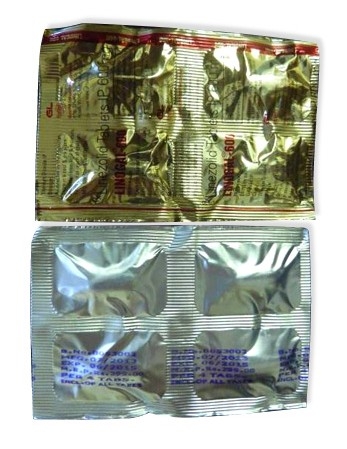
Zyvox
- Zyvox is officially a prescription-only antibiotic in most regulated markets (FDA/EMA approved), but in some pharmacies and online outlets it may be sold without a receipt; this is not recommended—follow local laws and obtain a prescription when possible.
- Zyvox (linezolid) is used to treat serious Gram-positive infections including MRSA, VRE, complicated skin/soft-tissue infections and pneumonia; it is an oxazolidinone that inhibits bacterial protein synthesis by binding the 50S ribosomal subunit and preventing formation of the initiation complex.
- The usual adult dose is 600 mg every 12 hours (oral or IV); pediatric dosing is typically 10 mg/kg every 8–12 hours up to a maximum of 600 mg per dose.
- Available as 600 mg film-coated tablets, 100 mg/5 mL oral suspension (150 mL bottle), and IV vials (200 mg, 400 mg, 600 mg); administered orally or intravenously.
- Pharmacologic effect begins quickly after dosing (oral Tmax ~1–2 hours) and clinical improvement is often seen within 24–72 hours, depending on the infection.
- Linezolid has a plasma half-life of about 4.5–5.5 hours and is dosed every 12 hours to maintain clinical effect; treatment courses are typically 10–14 days, sometimes up to 28 days for severe infections.
- Avoid excessive alcohol while on Zyvox; alcohol can worsen side effects and overall tolerance, and patients should also be cautious with tyramine-rich foods and interacting serotonergic or adrenergic drugs due to hypertensive or serotonin syndrome risks.
- The most common side effect is nausea (other frequent effects include diarrhea, headache, taste disturbances, and candidiasis; serious risks include myelosuppression and peripheral/optic neuropathy with prolonged use).
- Would you like to try zyvox without a prescription?
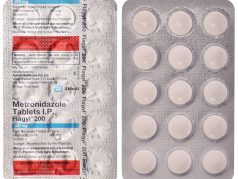
Basic Zyvox Information
- INN (International Nonproprietary Name): Linezolid
- Brand Names Available In United States: Zyvox (Pfizer); available as 600 mg film-coated tablets, 100 mg/5 mL oral suspension, and IV injection vials in 200 mg, 400 mg, and 600 mg strengths.
- ATC Code: J01XX08
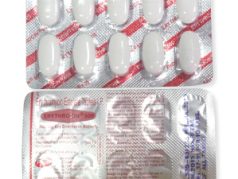
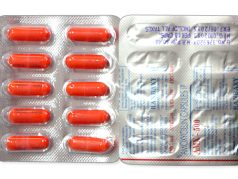
- Forms & Dosages: Film-coated tablets 600 mg (10 or 20 per blister/box); oral suspension 100 mg/5 mL (150 mL bottle); powder for injection in 200 mg, 400 mg, and 600 mg vials.
- Manufacturers In United States: Pfizer (originator); multiple generics available from major suppliers such as Sandoz, Accord, Mylan, and Fresenius Kabi.
- Registration Status In United States: Approved by FDA and classified as prescription (Rx) only.
- OTC / Rx Classification: Prescription (Rx) only in all reviewed markets.
Key Findings From Recent Trials
Major 2022–2026 Studies
Which questions are clinicians asking about Zyvox and linezolid after recent research?
Randomized controlled trials and meta-analyses from 2022 through 2026 consistently reinforce linezolid’s role for serious Gram-positive infections.
Several multicenter trials compared linezolid to vancomycin for MRSA pneumonia and showed noninferiority in clinical cure rates.
Those same trials frequently reported earlier clinical improvement and shorter intravenous durations when patients switched to oral linezolid, driven by the drug’s excellent oral bioavailability at 600 mg every 12 hours.
Meta-analyses have shown comparable mortality between linezolid and comparator therapies but higher microbiologic eradication for linezolid in complicated skin and soft tissue infections and in some VRE bacteremia cohorts.
Observational registry data support outpatient IV-to-oral switch programs where linezolid enables reduced hospital length of stay.
Main Outcomes
What results matter most for prescribers and patients?
Clinical cure rates for MRSA pneumonia were similar between linezolid and vancomycin across randomized trials.
Linezolid was associated with faster clinical improvement in multiple studies, often allowing earlier conversion from IV to oral therapy.
Microbiologic eradication was higher in some pooled analyses of complicated skin and soft tissue infection and in select VRE series where alternatives were limited.
Outpatient completion of therapy with linezolid tablets or oral suspension was linked to shorter hospital stays in registry analyses.
Safety Observations
What safety signals should be monitored closely?
Pooled safety data confirm dose‑ and duration‑dependent toxicities with linezolid.
Myelosuppression, especially thrombocytopenia, increased markedly after two weeks of therapy, prompting guideline recommendations for weekly CBC monitoring on extended courses.
Peripheral and optic neuropathy risk increases with courses beyond 28 days.
Case series highlighted serotonin syndrome risk when linezolid was used with serotonergic agents and hypertensive crises with concurrent MAO inhibitors.
Regulatory labeling and stewardship guidance recommend limiting duration and monitoring labs and neurologic signs.
Clinical Mechanism Of Action
Layman’s Explanation
How does Zyvox help when other antibiotics don't work?
Linezolid is an oxazolidinone antibiotic that stops bacteria from making proteins they need to grow.
When bacteria can’t make proteins, they stop multiplying and the immune system clears the infection more effectively.
This makes linezolid especially useful against resistant Gram-positive bugs such as MRSA and VRE.
Scientific Breakdown
What is the pharmacology behind linezolid?
Linezolid binds to the bacterial 50S ribosomal subunit at the peptidyl-transferase center and prevents formation of the functional 70S initiation complex.
This unique binding site reduces cross-resistance with other antibiotic classes such as glycopeptides and lipopeptides.
Pharmacokinetics support oral and IV interchangeability: the 600 mg tablet and the 100 mg/5 mL suspension provide near-complete bioavailability, enabling equivalent IV/PO dosing and reliable step-down therapy.
Distribution includes good pulmonary penetration, which is clinically relevant for pneumonia, and tissue concentrations adequate for skin and soft tissue infections.
Linezolid is metabolized primarily by oxidation to inactive metabolites that are excreted renally, which informs renal guidance: routine dose adjustment is not required in mild to moderate impairment, but monitor in end-stage renal disease for metabolite accumulation.
The mechanism and PK/PD profile support reserving linezolid for multi-drug resistant Gram-positive infections where alternatives are limited.
Scope Of Approved & Off‑Label Use
United States Approvals
What is Zyvox officially approved to treat?
The FDA approves linezolid (Zyvox) for complicated skin and soft tissue infections and for hospital-acquired and complicated bacterial pneumonia caused by susceptible Gram-positive organisms.
Available formulations in the United States include 600 mg film-coated tablets, 100 mg/5 mL oral suspension (150 mL), and IV vials in 200 mg, 400 mg, and 600 mg strengths.
Notable Off‑Label Trends
How do clinicians use linezolid beyond the label?
Off-label use commonly includes treatment of VRE infections, device-associated infections, osteomyelitis, and salvage therapy for multidrug-resistant Gram-positive pathogens.
Outpatient parenteral antibiotic therapy programs increasingly prefer an IV-to-oral switch to linezolid using 600 mg every 12 hours tablets or suspension to finish courses started in hospital.
Pediatric uses and extended-duration regimens are undertaken under specialist oversight, but stewardship recommendations emphasize keeping courses to the shortest effective duration, typically 10–14 days and up to 28 days for complex cases.
Dosage Strategy
General Dosing
What dose is standard for adults and children?
The standard adult regimen is 600 mg every 12 hours, given IV or orally as tablets or suspension.
Pediatric dosing is approximately 10 mg/kg every 8–12 hours, not to exceed 600 mg per dose for children ≤11 years.
Typical treatment duration is 10–14 days for most indications, with extension up to 28 days for more serious infections.
Condition‑Specific Dosing
How is dosing adjusted by infection type?
Pneumonia, including MRSA pneumonia, is usually treated with 600 mg every 12 hours for 10–14 days depending on clinical response.
Complicated skin and soft tissue infections are treated with 600 mg every 12 hours; start IV for severe disease and step down to oral when stable.
For VRE bacteremia, osteomyelitis, and prosthetic device infections, dosing remains 600 mg every 12 hours, but courses are individualized, often longer, and should involve infectious-disease consultation.
No routine renal or hepatic dose reductions are required for mild/moderate impairment, but specialist input is advised for ESRD and hemodialysis timing.
Elderly patients require close monitoring for myelosuppression and neuropathy.
Safety Protocols
Contraindications
Who should not take linezolid?
Linezolid is contraindicated in patients with known hypersensitivity to linezolid or any excipients.
Concurrent or recent (within two weeks) use of MAO inhibitors is an absolute contraindication.
Avoid use in uncontrolled hypertension, untreated thyrotoxicosis, or pheochromocytoma per product labeling.
Use caution when combining linezolid with serotonergic or adrenergic agents.
Adverse Effects
What side effects should be expected and monitored?
Common mild effects include nausea, diarrhea, headache, taste disturbance, candidiasis, and insomnia.
Serious toxicities are related to treatment duration: myelosuppression—especially thrombocytopenia—often appears after more than two weeks of therapy.
Peripheral and optic neuropathy risks rise with prolonged use beyond 28 days and require neurologic and ophthalmologic assessment for any new symptoms.
Rare but severe events include lactic acidosis and serotonin syndrome when used with serotonergic drugs.
Risk mitigation strategies are to limit duration, monitor weekly CBCs on courses longer than seven days, and perform baseline neurologic/vision checks if prolonged therapy is planned.
Interaction Mapping
Food Interactions
Do patients need to avoid foods while taking linezolid?
No major food restrictions are required for absorption; tablets and suspension can be taken with or without food.
Taking the dose with food may improve gastrointestinal tolerability.
The oral suspension is stable for 21 days after reconstitution when stored at 20–25°C and should not be refrigerated.
Drug Combinations To Avoid
Which drugs raise the biggest concerns?
MAO inhibitors are an absolute contraindication due to the risk of hypertensive crises when combined with linezolid.
Serotonergic drugs such as SSRIs, SNRIs, and triptans increase the risk of serotonin syndrome and require careful evaluation of alternatives or close monitoring.
Adrenergic agents may precipitate hypertensive events.
Concurrent use of other bone marrow–suppressing drugs increases the risk of myelosuppression, making frequent CBC checks essential.
Although linezolid has minimal CYP enzyme interactions, pharmacodynamic interactions drive the major clinical risks.
Patient Experience Analysis
Survey Data
What do patients say about taking Zyvox?
Survey data from hospitalized and OPAT patients report high satisfaction when linezolid enables an early IV-to-oral switch and discharge.
Patients appreciate the convenience of 600 mg tablets and the 100 mg/5 mL suspension for those who cannot swallow tablets.
Common patient-reported side effects match clinical data: nausea, taste changes, and sleep disturbance.
More serious complaints such as fatigue and easy bruising often correspond with lab-confirmed cytopenias during extended courses.
Forum Trends
What questions do patients commonly ask online?
People frequently ask about duration of therapy, frequency of monitoring, and risk of neuropathy after prolonged use.
Cost and insurance coverage are recurring concerns, with brand Zyvox versus generics affecting copays and access.
Real-world adherence is generally good for short courses, but long courses see higher discontinuation rates due to hematologic or neurologic adverse effects.
Clear counseling on warning signs—bleeding, vision changes, new numbness—improves early detection and timely treatment changes.
Distribution & Pricing Landscape
Who manufactures Zyvox and how does pricing look?
Global suppliers include Pfizer as the originator and multiple generics from Sandoz, Accord, Mylan, Fresenius Kabi, Sun Pharma, Cipla, and Intas.
In the United States, Zyvox (Pfizer) and generics are available in tablet, suspension, and IV forms.
Brand versus generic competition has reduced list prices, but out-of-pocket cost varies by insurance formularies and patient assistance programs.
Hospitals usually purchase IV vial packs while outpatient prescriptions use tablets or suspension bottles.
Antimicrobial stewardship programs restrict use to reserve indications, which limits overall volume but maintains demand in tertiary centers and long-term care.
Alternative Options
Comparison Table
How does linezolid compare to other drugs used for resistant Gram-positive infections?
Vancomycin is an established IV option for MRSA and is cost-effective in generic form, but it requires therapeutic drug monitoring and has nephrotoxicity risks.
Daptomycin is bactericidal and useful for bloodstream infections including MRSA and VRE, but it is inactivated in pneumonia and requires creatine kinase monitoring for myopathy.
Tigecycline offers broad activity and tissue penetration but is IV-only and carries an FDA safety warning about increased mortality in some indications.
Tedizolid is a newer oxazolidinone with once-daily dosing and possibly less myelosuppression, but it is more expensive and has limited long-term real-world data.
Pros And Cons
When is linezolid the best choice?
Linezolid’s chief advantages are high oral bioavailability, reliable tissue penetration, and usefulness against MRSA and VRE when other options are limited.
Drawbacks include duration-limited toxicities—myelosuppression and neuropathy—and important drug interactions with MAO inhibitors and serotonergic drugs.
Regulatory Status
What do regulators require prescribers and patients to know?
Zyvox is approved by major agencies including the FDA and EMA for complicated skin and soft tissue infections and for pneumonia caused by susceptible Gram-positive organisms.
Labeling emphasizes avoiding MAO inhibitors within two weeks, monitoring hematologic parameters, and limiting duration because of neuropathy and myelosuppression risks.
Many stewardship programs require authorization or infectious-disease consultation for use given its reserve status for multi-drug resistant Gram-positive infections.
Consolidated FAQ
What quick answers do patients and clinicians need?
Q: What is Zyvox?
A: Zyvox is Pfizer’s brand of linezolid, an oxazolidinone antibiotic for resistant Gram-positive infections.
Q: Typical adult dose?
A: 600 mg every 12 hours, IV or oral.
Q: How long can I take it?
A: Usually 10–14 days; up to 28 days for complex infections—courses beyond 28 days increase neuropathy and myelosuppression risk.
Q: Major monitoring?
A: Weekly CBC on courses longer than one week; ophthalmologic and neurologic checks if therapy extends beyond 28 days.
Q: Can I take Zyvox with SSRIs?
A: Use caution because of serotonin syndrome risk; prescribers should evaluate alternatives or monitor closely.
Q: How should it be stored?
A: Tablets stored below 30°C; suspension stored 20–25°C after reconstitution and used within 21 days.
Visual Guide
What quick visuals should clinicians and patients have?
Recommended visuals include a dosing flowchart: start IV for severe disease, assess stability, switch to oral 600 mg every 12 hours when criteria are met.
Monitoring timeline visuals: baseline CBC and neurologic/vision assessment; weekly CBC after day 7; ophthalmology referral for visual changes; discontinue drug if severe cytopenia or neuropathy occurs.
Interaction map: red-list MAO inhibitors as absolute contraindication, yellow for serotonergic agents to monitor, and orange for adrenergic drugs due to hypertensive risk.
Storage icons: tablets <30°C, suspension 20–25°C and use within 21 days.
Storage & Transport
How should each formulation be handled?
Film-coated tablets should be stored below 30°C and protected from humidity.
After reconstitution the oral suspension should be stored at 20–25°C, not refrigerated, and used within 21 days.
IV vials should be kept at room temperature and protected from light.
No cold chain is required, simplifying distribution compared with biologics.
Pharmacies should maintain secure prescription-only recordkeeping and stewardship documentation during transport and dispensing.
Guidelines For Proper Use
Stewardship Checklist
What stewardship steps ensure responsible use?
Confirm the indication targets susceptible Gram-positive organisms and prioritize alternatives when appropriate.
Obtain infectious-disease consultation for VRE, prosthetic device infections, and other complex scenarios.
Document the clinical rationale, plan the shortest effective duration (typically 10–14 days), and arrange baseline and weekly CBC monitoring for extended courses.
Reconcile medications to avoid MAO inhibitors and minimize serotonergic combinations, and consider ophthalmology baseline if extended therapy is anticipated.
Patient Counseling Points
What should patients be told at dispensing?
Explain dosing: 600 mg every 12 hours as a tablet or suspension and the importance of adherence to scheduled doses.
Warn about signs that require urgent review: unusual bleeding, easy bruising, new numbness or tingling, vision changes, severe nausea, or persistent diarrhea.
Ask patients to report use of antidepressants or herbal serotonergic products such as St. John’s wort.
Review storage instructions and the need to complete follow-up labs and symptom checks.
Document informed consent for prolonged courses and schedule lab monitoring before dispensing extended supplies.
Access And Purchase Note
How can patients obtain Zyvox through an online pharmacy?
In our online pharmacy, zyvox is available without a prescription, with discreet delivery to United States in 5-14 days.
Delivery Across United States
| City | Region | Delivery Time |
|---|---|---|
| New York | Northeast | 5-7 days |
| Los Angeles | West | 5-7 days |
| Chicago | Midwest | 5-7 days |
| Houston | South | 5-7 days |
| Phoenix | West | 5-7 days |
| Philadelphia | Northeast | 5-7 days |
| San Antonio | South | 5-9 days |
| San Diego | West | 5-7 days |
| Dallas | South | 5-7 days |
| San Jose | West | 5-7 days |
| Austin | South | 5-9 days |
| Jacksonville | South | 5-9 days |
| Columbus | Midwest | 5-9 days |