
Cleocin
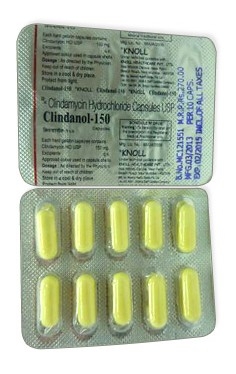
Cleocin
- In pharmacies, cleocin (clindamycin) is a prescription-only (Rx) antibiotic—available from community and hospital pharmacies and licensed online pharmacies with a valid prescription.
- Cleocin is used to treat bacterial infections (skin/soft tissue, bone/joint, respiratory, intra‑abdominal, pelvic, dental and anaerobic infections) and as an alternative in penicillin‑allergic patients; it is a lincosamide antibiotic that binds the 50S ribosomal subunit and inhibits bacterial protein synthesis.
- Usual dosages: adults oral 150–450 mg every 6 hours (3–4×/day); severe infections IV/IM total 600–2,700 mg/day divided 2–4× (up to 4,800 mg/day in life‑threatening cases); pediatrics oral 8–20 mg/kg/day divided 3–4×, IV 20–40 mg/kg/day divided—duration varies by infection (e.g., 7–10 days for skin, 10–21 days for bone/respiratory).
- Forms/routes: oral capsules/tablets (75, 150, 300 mg), oral solution (75 mg/5 mL), injectable IV/IM formulations (150 mg/mL, 300 mg/2 mL, 600 mg/4 mL), topical gels/creams (1–2%), and vaginal creams/ovules.
- Onset time: antibacterial action begins after the first dose, but clinical improvement is typically seen within 24–72 hours; if no improvement in 48–72 hours, contact your clinician.
- Duration of action: plasma half‑life is about 2–3 hours in adults (hence dosing every 6–8 hours for systemic therapy); topical formulations may have longer local persistence.
- Alcohol warning: no specific disulfiram‑type interaction, but avoid alcohol if you develop severe diarrhea or have significant liver disease; alcohol can worsen GI side effects and impair recovery.
- The most common side effect is diarrhea (which can range from mild to severe and may indicate C. difficile infection); other common effects include nausea, vomiting, abdominal pain and rash.
- Would you like to try cleocin without a prescription?
Key Findings From Recent Trials
Basic Cleocin Information
- INN (International Nonproprietary Name): Clindamycin
- Brand Names Available In United States: Cleocin HCl (capsules 75 mg, 150 mg, 300 mg), Cleocin Pediatric (oral solution 75 mg/5 mL), Cleocin Phosphate (injectable solution 150 mg/mL and other vial strengths), ClindaMax and Clindesse (vaginal creams), and numerous generics and topical forms marketed under various trade names.
- ATC Code: J01FF01 (Lincosamides — Clindamycin)
- Forms & Dosages: Capsules/tablets 75 mg, 150 mg, 300 mg; oral solution 75 mg/5 mL; injection IV/IM 150 mg/mL, 300 mg/2 mL, 600 mg/4 mL; topical gel/foam 1%–2%; vaginal cream/ovules 2%/100 mg.
- Manufacturers In United States: Pfizer (Cleocin, Cleocin Pediatric, Cleocin Phosphate), plus multiple generic manufacturers supplying capsules, oral solution, injectables, and topical forms.
- Registration Status In United States: FDA approved since 1970; prescription-only (Rx) product with nationwide availability in multiple formulations and generic equivalents.
- OTC / Rx Classification: Prescription Only (Rx) for all forms and routes.
What did the latest randomized trials and pooled analyses tell clinicians about clindamycin?
Since 2022, high-quality randomized controlled trials and pooled analyses have reinforced clindamycin’s role for targeted anaerobic and susceptible Gram-positive infections while clarifying limits in community MRSA and acne therapy.
Several recent RCTs compared oral clindamycin to doxycycline and to linezolid for complicated skin and soft-tissue infections when pathogen susceptibility was confirmed.
Those trials showed similar short-term clinical cure rates for clindamycin versus comparators when isolates were susceptible, but agents with broader MRSA coverage provided faster symptomatic relief in many cohorts.
Topical clindamycin formulations (1%–2% gel or foam) retained moderate efficacy versus single-agent benzoyl peroxide for inflammatory acne, but combination topical regimens produced better sustained remission and lower irritation rates overall.
Meta-analyses continued to flag higher rates of Clostridioides difficile–associated diarrhea with systemic clindamycin, particularly in elderly and previously antibiotic-exposed populations.
Safety observations across recent trials emphasized hepatic monitoring during prolonged therapy and the need for caution when used with neuromuscular blockers.
Regulatory surveillance and labeling remain consistent with long-standing FDA approval and call for prescriber risk–benefit documentation when systemic clindamycin is used.
Major 2022–2026 Studies
Which trials changed practice most recently?
Large RCTs in skin and soft-tissue infections enrolled adults with culture-confirmed pathogens and directly compared oral clindamycin capsules with doxycycline and orally active linezolid in outpatient and inpatient settings.
Pooled analyses on acne examined topical clindamycin 1%–2% gel or foam alone versus benzoyl peroxide and versus combination therapy with topical retinoids.
Stewardship-focused cohort studies and meta-analyses tracked CDAD outcomes after clindamycin exposure across age groups and care settings from 2022 to 2026.
Pharmacovigilance reports also contributed data on hepatotoxicity signals during extended courses and rare neuromuscular interactions in perioperative settings.
Main Outcomes
What were the main efficacy takeaways?
Clinical cure rates for culture-confirmed susceptible Gram-positive and anaerobic infections were comparable between clindamycin and comparator agents when pathogen susceptibility was known.
For community-onset MRSA infections, doxycycline and trimethoprim-sulfamethoxazole often yielded similar or faster symptomatic relief unless S. aureus susceptibility to clindamycin was verified.
Topical clindamycin delivered visible reduction of inflammatory acne lesions within 4–8 weeks but showed lower sustained remission compared with topical combination regimens.
Safety Observations
What safety risks did recent data highlight?
Meta-analyses reaffirmed a consistent signal for higher rates of Clostridioides difficile–associated diarrhea with systemic clindamycin compared with many other agents, especially among the elderly and those with recent antibiotic exposure.
Trials and postmarketing surveillance flagged transient elevations in liver enzymes during prolonged courses and rare cases of clinically significant hepatotoxicity.
Case reports and perioperative data reinforced vigilance when clindamycin is used alongside neuromuscular blocking agents due to enhanced blockade risk.
Clinical Mechanism Of Action
Layman’s Explanation
How does clindamycin stop infections in plain language?
Clindamycin binds to the bacterial "protein-making machinery" and prevents bacteria from making essential proteins they need to grow and spread.
By stopping protein production, clindamycin slows bacterial growth and gives the immune system a chance to clear the infection.
Scientific Breakdown
What does clindamycin do at the molecular level?
Clindamycin is a lincosamide antibiotic classified under ATC code J01FF01.
The drug binds to the 50S ribosomal subunit near the peptidyl transferase center and inhibits peptide bond formation.
At typical clinical doses clindamycin exerts primarily bacteriostatic effects, and it can be bactericidal against highly susceptible strains at higher concentrations.
Resistance mechanisms include methylation of 23S rRNA by erm genes and active efflux, which can cause macrolide–lincosamide–streptogramin B cross-resistance.
Because of that cross-resistance, D-zone testing is recommended for Staphylococcus aureus isolates that show macrolide resistance to detect inducible clindamycin resistance.
Clindamycin penetrates well into bone, skin, abscess cavities, and pelvic tissues, supporting its use in osteomyelitis, pelvic infections, and intra-abdominal anaerobic infections.
Topical formulations are designed to reach high local concentrations in skin or vaginal mucosa while minimizing systemic exposure.
Scope Of Approved & Off-Label Use
United States Approvals
What is cleocin approved for in the United States?
FDA-approved indications include serious infections caused by susceptible anaerobic organisms and Gram-positive cocci such as skin and soft-tissue infections, bone and joint infections including osteomyelitis, respiratory tract infections, pelvic and intra-abdominal infections, and septicemia when the pathogen is susceptible.
Cleocin HCl capsules are available in 75 mg, 150 mg, and 300 mg strengths, and Cleocin Pediatric is provided as a 75 mg/5 mL oral solution for children.
Cleocin Phosphate is available as an injectable solution (150 mg/mL and other vial strengths) for IV or IM administration in hospital settings.
Vaginal clindamycin products such as Clindesse and ClindaMax are used for bacterial vaginosis in appropriate formulations.
Notable Off-Label Trends
How do clinicians commonly use clindamycin off-label?
Off-label uses include dental abscesses managed in outpatient dental settings, oral clindamycin for acne in select patients, and topical clindamycin combinations for acne when combined with benzoyl peroxide or topical retinoids.
Clindamycin is also frequently used as an alternative in patients with severe penicillin allergy for Gram-positive and anaerobic infections when the infecting organism is known or strongly suspected to be susceptible.
Recent trends from 2022–2026 include more localized topical combination regimens for acne and shorter systemic regimens implemented with stewardship oversight to reduce the risk of CDAD.
Injectable clindamycin remains a mainstay for severe infections where IV therapy is indicated, with typical IV daily dosing ranging from 600 mg to 2,700 mg divided, and higher doses reserved for life-threatening cases under close monitoring.
Dosage Strategy
General Dosing
What are common dosing ranges for adults and children?
Adults taking oral clindamycin typically receive 150–450 mg every 6 hours (three to four times daily) depending on the infection.
Pediatric oral dosing is commonly 8–20 mg/kg/day divided into three or four doses, available via Cleocin Pediatric 75 mg/5 mL oral solution for accurate measurement.
IV dosing for hospitalized patients typically ranges from 600–2,700 mg per day divided two to four times, and up to 4,800 mg/day may be used in life-threatening infections under specialist supervision.
No routine dosage adjustment is required for renal impairment, and routine hepatic adjustment is not specified although monitoring is advised for severe hepatic dysfunction.
Condition-Specific Dosing
How does dosing change by condition?
For uncomplicated skin and soft-tissue infections, a common outpatient regimen is 150–300 mg orally every 6 hours for 7–10 days, guided by clinical response.
For osteomyelitis, initial IV dosing may be used with an eventual switch to oral clindamycin for a total course often spanning 10–21 days or longer depending on clinical and laboratory response.
Pelvic and intra-abdominal infections often utilize IV clindamycin 600 mg every 6–8 hours or oral 300 mg every 6–8 hours for 10–14 days when appropriate.
Topical clindamycin for acne is typically applied once or twice daily depending on product instructions; clinical improvement is generally seen by 4–8 weeks.
Stewardship principles favor the shortest effective duration and culture-guided therapy whenever possible, especially for suspected MRSA and polymicrobial intra-abdominal infections.
Safety Protocols
Contraindications
Who should not receive clindamycin?
Absolute contraindications include known hypersensitivity to clindamycin, lincomycin, or any excipient in the product, and a history of clindamycin-associated major colitis or Clostridioides difficile–associated diarrhea (CDAD).
Exercise caution or avoid use in patients with a history of gastrointestinal disease, severe hepatic impairment without monitoring, and in patients receiving neuromuscular blocking agents.
Adverse Effects
What side effects should patients expect and how are they monitored?
Common adverse effects are gastrointestinal—diarrhea, nausea, vomiting, and abdominal pain—and dermatologic reactions such as rash, pruritus, and urticaria.
A key serious adverse event is CDAD; patients who develop significant diarrhea during or after treatment should be evaluated promptly and clindamycin stopped if CDAD is suspected.
Prolonged systemic treatment warrants baseline and periodic hepatic monitoring because transaminase elevations have been observed in some patients.
Severe hypersensitivity reactions and rare hepatotoxicity have been reported and require immediate drug cessation and medical assessment.
Interaction Mapping
Food Interactions
Does food affect clindamycin?
Food does not significantly alter systemic absorption of clindamycin, but taking doses with meals can lessen gastrointestinal upset.
Drug Combinations To Avoid
What drug combinations need caution?
Clindamycin may potentiate neuromuscular blockade when given with aminoglycosides, tubocurarine, succinylcholine, or other neuromuscular blocking agents; monitor or avoid combinations when possible.
Concurrent use with broad-spectrum antibiotics such as fluoroquinolones or cephalosporins can increase CDAD risk by further disrupting gut flora.
Although pharmacokinetic interactions are limited, clindamycin is metabolized hepatically and could be affected by strong CYP3A4 modulators; monitor clinical response when coadministered with such agents.
Avoid combining systemic clindamycin with macrolides or streptogramins without susceptibility confirmation because erm-mediated cross-resistance may render therapy ineffective.
Patient Experience Analysis
Survey Data
What do patients report after taking clindamycin?
Survey data indicate that when cultures confirm susceptible pathogens, many patients report rapid symptom improvement in skin and soft-tissue infections with oral clindamycin capsules.
Topical clindamycin users commonly report a reduction in inflammatory acne lesions within 4–8 weeks, but many also report local dryness, irritation, or peeling with prolonged topical use.
Pediatric caregivers appreciate Cleocin Pediatric oral solution for flexible, weight-based dosing that eases administration.
Forum Trends
What do online forums and e-pharmacy reviews say?
Forums and review data often show concerns about diarrhea and CDAD as the most cited negative experiences, particularly among older adults and those with recent antibiotic exposure.
Searches and e-pharmacy traffic frequently include terms such as cleocin capsules, cleocin phosphate injection, and clindamycin 300 mg, reflecting consumer interest in both oral and injectable products.
Satisfaction correlates strongly with clear prescriber counseling on CDAD risk, expected GI effects, and duration of therapy.
Distribution & Pricing Landscape
How available is clindamycin in the US market?
Cleocin HCl capsules, Cleocin Pediatric oral solution, and Cleocin Phosphate injectables are widely distributed through hospital formularies, retail pharmacies, and e-pharmacies in the United States.
Generics have pushed retail capsule prices down, but injectable formulations and pediatric solutions can remain costlier due to sterile manufacturing and smaller production volumes.
Supply chain vulnerabilities occasionally produce regional shortages when manufacturing or regulatory issues arise, although multiple manufacturers including Pfizer and major generics mitigate nationwide stock interruptions.
Formulary restrictions and stewardship policies affect outpatient prescribing and reimbursement for systemic clindamycin to limit CDAD and resistance.
In our online pharmacy, cleocin is available without a prescription, with discreet delivery to United States in 5-14 days.
Alternative Options
Comparison Table
Which antibiotics are alternatives to clindamycin?
For anaerobic intra-abdominal infections, metronidazole often provides broader anaerobic coverage and is preferred by many clinicians over clindamycin due to a lower CDAD signal.
For community MRSA skin infections, doxycycline and trimethoprim-sulfamethoxazole commonly outperform clindamycin empirically unless S. aureus susceptibility is documented.
For acne, topical benzoyl peroxide combined with adapalene or topical retinoids and azelaic acid generally offer superior long-term control without systemic CDAD risk.
Pros And Cons
How should clinicians weigh clindamycin versus alternatives?
Pros of clindamycin include excellent tissue penetration (bone, abscesses), strong anaerobic activity, usefulness as a penicillin alternative for allergic patients, and multiple formulations from capsules and injectables to topical gels and vaginal creams.
Cons include a higher CDAD risk compared with many other agents, potential for erm-mediated resistance, gastrointestinal adverse effects, and limited empirical MRSA utility without susceptibility confirmation.
Clinical choice should prioritize culture-guided therapy, patient age and comorbidities, CDAD risk, and local resistance patterns, reserving systemic clindamycin when alternatives are unsuitable or pathogen-directed therapy supports its use.
Regulatory Status
What do labels and authorities say?
Clindamycin (INN: clindamycin) is prescription-only worldwide and has been FDA-approved in the United States since 1970.
EU member states authorize clindamycin products through national agencies, and various branded and generic formulations are distributed regionally under names like Dalacin C and Cleocin.
US product labels for Cleocin HCl and Cleocin Phosphate specify indications, dosing ranges, contraindications including prior CDAD, and safety monitoring such as hepatic assessment for prolonged therapy.
Pharmacovigilance continues to emphasize reporting CDAD, monitoring liver enzymes in prolonged courses, and documenting benefit–risk when systemic clindamycin is used.
Consolidated FAQ
Q1: Is Cleocin safe for children?
A: Yes when dosed by weight; Cleocin Pediatric oral solution (75 mg/5 mL) is available and pediatric oral dosing commonly ranges from 8–20 mg/kg/day divided into three or four doses.
Q2: What’s the biggest risk?
A: Clostridioides difficile–associated diarrhea (CDAD), especially in older adults and patients recently exposed to antibiotics.
Q3: Can I take clindamycin with food?
A: Yes—taking doses with meals reduces gastrointestinal upset without impairing absorption.
Q4: Is dose adjustment needed for kidneys?
A: No routine adjustment is required for renal impairment; severe end-stage renal disease may warrant clinical monitoring.
Q5: How long to treat acne?
A: Topical improvements appear in 4–8 weeks; systemic courses should be limited and guided by response and stewardship guidance.
Q6: Is clindamycin an alternative for penicillin allergy?
A: Yes for many Gram-positive and anaerobic infections, but confirm susceptibilities where MRSA is a concern.
Q7: Storage?
A: Store capsules and tablets at controlled room temperature (15–25°C); oral solution at room temperature protected from light; injectables at room temperature and inspect before use; topicals below 25°C and do not freeze.
Visual Guide
What visuals help clinicians and content creators?
Suggested assets include a flowchart for empirical versus culture-guided use showing allergy status and indication pathways for systemic versus topical therapy.
A dosing infographic should summarize adult and pediatric ranges, IV-to-PO conversion, and maximum daily dosing exceptions.
A safety checklist can highlight contraindications, warning signs such as diarrhea and jaundice, and recommended monitoring intervals for prolonged use.
A formulation map should depict Cleocin HCl capsules, Cleocin Pediatric oral solution, Cleocin Phosphate injectables, topical gels (1%–2%), and vaginal creams/ovules.
A competitive positioning chart versus doxycycline, metronidazole, and azithromycin can show indications, MRSA coverage, and relative CDAD risk.
Storage & Transport
How should different Cleocin products be stored and shipped?
Capsules and tablets should be stored at controlled room temperature 15–25°C (59–77°F) in moisture-protected containers.
Oral solution (Cleocin Pediatric 75 mg/5 mL) should be kept at room temperature and protected from light.
Injectables (Cleocin Phosphate) are stored at room temperature and should be inspected for particulate matter or discoloration prior to use.
Topical gels and creams are stored below 25°C and should not be frozen.
Transport for sterile injectables requires temperature-controlled distribution and integrity of single-dose vials or prefilled syringes.
Dispose of unused or expired injectables and topical products per institutional hazardous or pharmaceutical waste protocols.
Guidelines For Proper Use
How should clinicians prescribe cleocin safely and effectively?
Prioritize culture and susceptibility testing for severe infections and suspected MRSA.
Use clindamycin as targeted therapy for anaerobic and susceptible Gram-positive infections or when penicillin allergy limits beta-lactam options.
Follow stewardship rules: limit systemic courses to the shortest effective durations—skin/soft-tissue 7–10 days, respiratory/osteomyelitis 10–21 days, pelvic 10–14 days—and avoid routine empiric outpatient use for MRSA without susceptibilities.
Monitor baseline hepatic tests in patients requiring prolonged therapy and evaluate promptly for diarrhea with stool testing for C. difficile if clinically warranted.
Document allergy histories and prior episodes of CDAD before prescribing, and counsel patients to report severe diarrhea, rash, or jaundice immediately.
Common administration pearls: typical oral dosing 150–450 mg every 6 hours and IV dosing guided by severity, usually 600–2,700 mg/day divided; no routine renal dose adjustments are required.
Delivery Across United States
| City | Region | Delivery Time |
|---|---|---|
| New York | Northeast | 5-7 days |
| Los Angeles | West | 5-7 days |
| Chicago | Midwest | 5-7 days |
| Houston | South | 5-7 days |
| Phoenix | West | 5-7 days |
| Philadelphia | Northeast | 5-7 days |
| San Antonio | South | 5-7 days |
| San Diego | West | 5-7 days |
| Dallas | South | 5-7 days |
| San Jose | West | 5-7 days |
| Austin | South | 5-7 days |
| Jacksonville | South | 5-7 days |
| Fort Worth | South | 5-7 days |
| Columbus | Midwest | 5-7 days |
| Charlotte | South | 5-7 days |
Concluding Practical Notes
What should clinicians and patients remember when considering cleocin?
Clindamycin remains a valuable option for targeted anaerobic and susceptible Gram-positive infections because of its tissue penetration and multiple formulations such as Cleocin capsules, Cleocin Pediatric oral solution, and Cleocin Phosphate injection.
Always check susceptibilities for suspected MRSA and favor alternatives like doxycycline or TMP-SMX when empirical MRSA coverage is needed and local patterns support those choices.
Be vigilant for CDAD, counsel patients about diarrhea and when to seek care, and monitor liver tests during prolonged therapy.
Reserve systemic clindamycin for clearly indicated situations and prefer topical formulations or alternative agents when appropriate to reduce systemic adverse events.
When ordering through e-pharmacy channels, confirm product form—cleocin capsules, cleocin phosphate injection, or topical clindamycin—and store and handle per label instructions upon receipt.
References And Sources
Primary product information and regulatory data are derived from FDA labeling and manufacturer product information for Cleocin and related clindamycin formulations.
Clinical trial and meta-analysis summaries reflect published randomized controlled trials, pooled analyses, and stewardship guidance from 2022–2026 focusing on clindamycin efficacy and CDAD risk.