Rybelsus
Rybelsus
- Rybelsus can be purchased from pharmacies and online medical suppliers in regions where it is registered, but it is officially a prescription-only medication (Rx) in the US, EU, UK, and other markets. In some pharmacies, it may be possible to buy Rybelsus without a prescription.
- Rybelsus is used to improve blood sugar control in adults with type 2 diabetes. Its active ingredient, semaglutide, is a GLP-1 receptor agonist that helps increase insulin release, reduce glucagon secretion, and slow gastric emptying.
- The usual starting dose is 3 mg once daily for 30 days, then the maintenance dose is typically 7 mg once daily, which may be increased to 14 mg once daily if needed.
- Rybelsus is an oral tablet taken by mouth once daily.
- It usually starts working within the first dose, but blood sugar-lowering effects are typically noticed over days to weeks, with the full effect developing gradually as the dose is titrated.
- The duration of action is about 24 hours, so it is taken once daily for ongoing control.
- Alcohol should be used with caution, as it can increase the risk of low blood sugar and may worsen stomach side effects like nausea or vomiting.
- The most common side effects are nausea, vomiting, diarrhea, abdominal pain, decreased appetite, constipation, and dyspepsia.
- Would you like to try Rybelsus without a prescription?
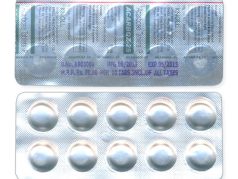
Basic Rybelsus Information
- INN (International Nonproprietary Name): Semaglutide
- Brand names available in United States: Ozempic and Rybelsus
- ATC Code: A10BJ06
- Forms & dosages: Ozempic is a prefilled pen in 0.25 mg, 0.5 mg, 1 mg, and 2 mg strengths. Rybelsus is an oral tablet in 3 mg, 7 mg, and 14 mg strengths.
- Manufacturers in United States: Novo Nordisk A/S
- Registration status in United States: FDA-approved
- OTC / Rx classification: Rx only
What Recent Trials Tell Us About Semaglutide
Are you trying to decide whether rybelsus is worth the daily routine, or whether ozempic’s weekly injection is the better fit?
That is the question many patients bring up after seeing semaglutide mentioned in diabetes and weight-related news.
From the STEP program to SELECT, recent trials have kept semaglutide in the spotlight as a GLP-1 receptor agonist with strong effects on blood sugar control and cardiometabolic risk reduction.
In practical terms, the evidence keeps pointing to better A1C results, meaningful weight reduction, and a treatment style that may support adherence for some patients compared with daily injectables.
That difference matters in real life.
A patient who does well with a once-weekly diabetes medication often likes the simplicity of an Ozempic pen, while another patient may strongly prefer a Rybelsus tablet because needles are a deal-breaker.
Safety data from these trials were also consistent.
The most common problems were gastrointestinal and usually dose-dependent, especially nausea and vomiting.
That is why gradual dose escalation is built into both products.
In the U.S. market, those details show up in search behavior too.
Ozempic remains the stronger weekly diabetes injection query, while Rybelsus is often searched as the oral semaglutide diabetes pill.
How Semaglutide Works In The Body
Why does this medication lower glucose and help with appetite at the same time?
Semaglutide acts like a GLP-1 agonist, which means it helps the body respond better to food-related glucose rises.
When blood sugar is high, it supports insulin release, suppresses glucagon, and slows gastric emptying.
That combination can improve insulin response, blood sugar control, and satiety.
Its ATC classification, A10BJ06, confirms that semaglutide belongs to the GLP-1 receptor agonist class.
For patients, the route of administration changes the experience a lot.
Rybelsus is taken once daily on an empty stomach, at least 30 minutes before food, drink, or other oral medicine.
Ozempic is given subcutaneously once weekly, on the same day each week.
That difference is not just a convenience issue.
It changes how people build the medication into their morning routine, how they remember doses, and how they tolerate the therapy over time.
Approved Uses And Off-Label Interest
What is semaglutide actually approved to treat in the United States?
Ozempic and Rybelsus are both FDA-approved for adults with type 2 diabetes.
Ozempic also supports cardiovascular risk reduction in adults with diabetes and established cardiovascular disease.
That is the approved lane.
Search demand, though, often expands into off-label curiosity, especially around “Ozempic for weight loss” and “Rybelsus oral semaglutide diabetes pill.”
That interest is understandable, since the class has strong metabolic effects.
Still, off-label use should be separated from Wegovy, which is the semaglutide product specifically indicated for obesity.
Rybelsus is the oral diabetes tablet many patients ask about when they want semaglutide without injections, but it remains a prescription diabetes drug for type 2 diabetes, not an obesity-specific product.
In our online pharmacy, rybelsus is available without a prescription, with discreet delivery to United States in 5-14 days.
Even so, the safest approach is always to match the product to the diagnosis, the dose, and the follow-up plan.
How Dosing Is Usually Planned
Is the dose supposed to start low?
Yes, and that is one of the main reasons semaglutide is often better tolerated over time.
For Rybelsus, the standard adult diabetes schedule is 3 mg daily for the first 30 days, then 7 mg or 14 mg daily.
For Ozempic, the usual starting dose is 0.25 mg weekly for 4 weeks, then 0.5 mg to 1.0 mg weekly, with 2 mg pens also available.
Dose escalation is not just a formality.
It helps reduce GI side effects and lets the prescriber personalize the maintenance dose.
The same cautious logic applies in adults using Ozempic for cardiovascular risk reduction, where titration is still part of the plan.
Children under 18 are not approved for semaglutide.
Older adults do not need an age-only adjustment, although comorbidities matter.
Mild to moderate kidney or liver impairment usually does not require a dose change, but severe impairment or end-stage renal or hepatic disease calls for caution or avoidance because the data are limited.
Safety, Warnings, And Monitoring
What side effects do patients complain about most?
Usually it starts with nausea.
The common semaglutide side effects also include vomiting, diarrhea, abdominal pain, decreased appetite, constipation, dyspepsia, headache, fatigue, and dizziness.
Most of these are mild to moderate, but they can feel miserable if the dose moves up too quickly.
That is why patients are often told to report persistent severe symptoms rather than trying to “push through” on their own.
There are also situations where semaglutide should not be used.
Known hypersensitivity to semaglutide or product components is an absolute contraindication.
So is a personal or family history of medullary thyroid carcinoma or MEN2.
Extra caution is needed with pancreatitis history, severe GI disease, renal impairment, and hepatic impairment.
Because dehydration can happen with prolonged vomiting or diarrhea, hydration is a practical monitoring priority.
Overdose can cause significant nausea, vomiting, hypoglycemia, and dehydration, so medical attention is needed if that happens.
Food, Drug, And Combination Interactions
Do meals matter with Rybelsus?
Very much so.
Rybelsus must be taken fasting, with no food, drink, or other oral medicine for at least 30 minutes afterward to protect absorption.
That rule is one of the biggest differences between oral semaglutide and most other oral diabetes medication options.
Delayed gastric emptying can also affect oral drugs that depend on rapid GI absorption, so narrow-therapeutic-index medicines deserve extra caution.
Combination therapy is common in diabetes care, but it needs a closer look when semaglutide is paired with insulin or sulfonylureas.
In those settings, the risk of hypoglycemia rises, and the overall regimen may need review.
That is one reason pharmacists spend so much time asking about every prescription, supplement, and “as needed” medication a patient takes.
For patients using a diabetes injection or daily diabetes tablet alongside other therapies, the goal is the same: keep the plan effective without creating avoidable problems.
What Patients Say About Daily Tablets Versus Weekly Injections
Do people actually prefer the tablet over the injection?
Many do, especially if privacy and convenience matter.
Rybelsus is a daily oral tablet, while Ozempic is a weekly injection, and that difference strongly shapes adherence preferences.
Some patients say a tablet feels easier because it fits into a normal morning routine.
Others like the weekly schedule because they do not want a daily pill burden.
Forum discussions tend to circle around the same real-world questions: GI side effects, missed-dose handling, and whether oral semaglutide feels easier than injections.
A common story is the busy Monday patient who likes a weekly pen because it is one less thing to remember.
Another patient may be a needle-avoidant professional who wants the privacy of an oral diabetes tablet.
Those preferences are not small details.
They often determine whether a prescription is filled, refilled, and taken consistently.
Packaging, Supply, And Pricing Reality
Who actually makes these products?
Novo Nordisk A/S is the global originator and sole branded manufacturer of both Ozempic and Rybelsus.
That matters because there is no generic-style competition in the branded market for these two products.
Ozempic is typically supplied as a prefilled disposable pen in cardboard boxes containing one or more pens.
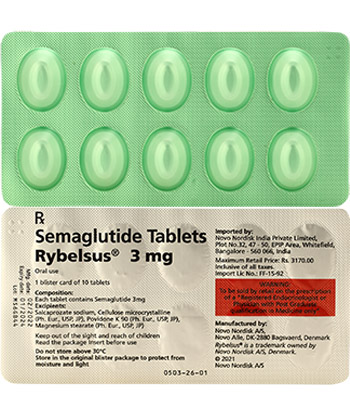
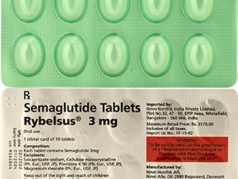
Rybelsus comes as oral tablets in unit-dose blister packs.
In the U.S., both products are prescription-only, and access often depends on formulary status, prior authorization, and pharmacy stock.
Branding, packaging, and route of administration influence demand patterns more than generic-style competition does.
That is one reason the Ozempic pen and Rybelsus blister packs continue to show up in searches, product comparison pages, and pharmacy questions.
How Semaglutide Compares With Common Alternatives
What if semaglutide is not the right fit?
Several GLP-1 alternatives are used in the same general space.
| Medication | Route | Typical Use | Key Note |
|---|---|---|---|
| Dulaglutide (Trulicity) | Weekly injection | Type 2 diabetes | Often compared for convenience |
| Liraglutide (Victoza, Saxenda) | Daily injection | Type 2 diabetes and obesity-related use | Broader historical use |
| Exenatide (Bydureon, Byetta) | Injection | Type 2 diabetes | Older GLP-1 option |
| Tirzepatide (Mounjaro) | Weekly injection | Metabolic management | Different incretin mechanism |
Ozempic stands out for weekly dosing and strong evidence, but the injectable barrier is real for some patients.
Rybelsus offers oral convenience, yet the fasting instructions can be strict enough to discourage some users.
Compared with older options, semaglutide often gets chosen when people want a modern GLP-1 receptor agonist with a strong blood sugar control profile.
Compared with tirzepatide, the decision may come down to mechanism, tolerability, access, and the prescriber’s goals.
Where The Product Fits In The Regulatory Landscape
Is semaglutide accepted outside the United States?
Yes.
Ozempic and Rybelsus are FDA-approved in the U.S., EMA-approved in the EU, and Rx-only worldwide.
Regional agencies also list them as prescription medicines, including ANMDMR in Romania.
Even when packaging or labeling changes by country, the product identity remains consistent under the INN semaglutide.
That global consistency makes it easier for clinicians, pharmacists, and patients to compare medication information across markets.
It also explains why terms such as Ozempic EU, Rybelsus EU, and ANMDMR approval continue to appear in search trends.
Prescription status matters here.
These are not OTC products, and safe use depends on dose selection, monitoring, and proper follow-up.
Common Questions About Semaglutide
Is Rybelsus the same as Ozempic?
Yes and no.
They contain the same active ingredient, semaglutide, but the formulation and route are different: Rybelsus is an oral tablet, and Ozempic is a weekly injection.
How long is treatment usually continued?
It is generally chronic therapy and is continued while the benefit outweighs the risk.
What happens if a dose is missed?
For Ozempic, the dose can be taken within 5 days; if more than 5 days have passed, skip it and wait for the next scheduled dose.
For Rybelsus, skip the missed dose and resume the next day; do not double up.
Can the same patient switch between the tablet and the pen?
Sometimes, but that should be done only with clear prescribing guidance because the dosing schedules and administration rules are not interchangeable.
Why do people search for oral semaglutide 3mg 7mg 14mg so often?
Those are the common tablet strengths, and the step-up schedule is central to tolerability and maintenance planning.
Rybelsus And Ozempic At A Glance
Need a quick way to compare the two forms?
| Product | Form | Route | Typical Strengths | Basic Decision Point |
|---|---|---|---|---|
| Ozempic | Prefilled pen | Subcutaneous injection | 0.25 mg, 0.5 mg, 1 mg, 2 mg | Best when weekly dosing is valued |
| Rybelsus | Tablet | Oral daily | 3 mg, 7 mg, 14 mg | Best when avoiding needles matters |
That summary is often enough to guide a first conversation.
If a patient wants a semaglutide injection with once-weekly convenience, Ozempic is usually the product they ask about.
If the main concern is staying with an oral diabetes tablet, Rybelsus is the product that fits that preference.
Delivery Across United States
| City | Region | Delivery time |
|---|---|---|
| New York | Northeast | 5-7 days |
| Los Angeles | West | 5-7 days |
| Chicago | Midwest | 5-7 days |
| Houston | South | 5-7 days |
| Phoenix | West | 5-7 days |
| Philadelphia | Northeast | 5-7 days |
| San Antonio | South | 5-7 days |
| San Diego | West | 5-7 days |
| Dallas | South | 5-7 days |
| San Jose | West | 5-7 days |
| Austin | South | 5-7 days |
| Jacksonville | South | 5-9 days |
| Columbus | Midwest | 5-9 days |
| Charlotte | South | 5-9 days |
| Indianapolis | Midwest | 5-9 days |
Storage, Transport, And Travel Tips
Can semaglutide travel with you?
Yes, but the storage rules matter.
Ozempic should be refrigerated at 2–8°C, although it may be kept at room temperature below 30°C for up to 6 weeks.
It should not be frozen, and it should be protected from light.
Rybelsus should be stored at 15–30°C in its original packaging to protect it from moisture.
That difference affects travel planning, mail delivery, and how a pharmacy handles the product before it reaches the patient.
A weekend trip, a summer car ride, or a delayed package can become a problem if the product is not stored correctly.
For patients who use a weekly diabetes medication, the pen format may need more attention during transport than a blister pack tablet.
For patients who prefer oral semaglutide, the tablet is easier to pack, but it still needs the right moisture protection and timing discipline.
How To Use Semaglutide Properly
What does good administration look like day to day?
For Rybelsus, the best practice is simple but strict.
Take it first thing in the morning with a small amount of water, then wait at least 30 minutes before food, drink, or other oral medicine.
For Ozempic, inject on the same day each week, rotate injection sites, and follow the titration schedule exactly as prescribed.
Missed-dose handling should be part of the counseling every time.
With Ozempic, take the missed weekly dose within 5 days if possible, and skip it if the window has passed.
With Rybelsus, skip the missed daily dose and resume the next day without doubling up.
Follow-up matters too.
Patients should monitor A1C, GI tolerance, hydration, and medication interactions, and escalation should happen only as directed.
That is the difference between just filling a prescription and actually using a prescription diabetes drug safely and effectively.