
Prandin
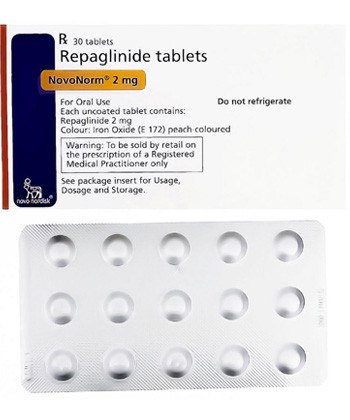
Prandin
- Available from retail pharmacies and authorized online pharmacies or suppliers (manufacturer: Novo Nordisk and generics); prandin is prescription-only in most countries—some sellers or pharmacies may offer it without a prescription in certain regions, but this is not legal or recommended.
- Prandin (repaglinide) is used to treat type 2 diabetes to reduce mealtime blood-glucose spikes; it is a rapid-acting insulin secretagogue (meglitinide) that stimulates pancreatic beta cells to release insulin by closing ATP-sensitive K+ channels.
- Usual adult dosing: take 0.5 mg orally with each main meal if HbA1c <8% or 1 mg with each main meal if HbA1c ≥8%; titrate weekly as needed up to 4 mg per meal and a total daily maximum of 16 mg.
- Oral tablets taken just before meals (0–30 minutes prior).
- Onset of action is rapid—typically begins within about 15–30 minutes after dosing.
- Duration of action is short, generally around 4–6 hours (designed to cover postprandial glucose excursions).
- Avoid alcohol and monitor blood glucose closely; alcohol can increase the risk of hypoglycemia or mask symptoms.
- The most common side effect is hypoglycemia (other frequent effects include headache, upper respiratory infections, and gastrointestinal upset).
- Would you like to try prandin without a prescription?
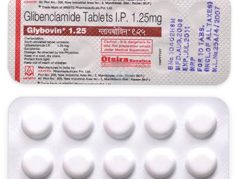
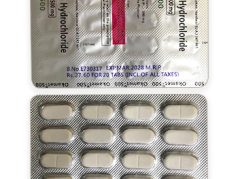
Basic Prandin Information
- INN (International Nonproprietary Name): Repaglinide
- Brand Names Available In United States: Prandin (United States; tablets 0.5 mg, 1 mg, 2 mg, blister packs)
- ATC Code: A10BX02
- Forms & Dosages: Tablets 0.5 mg, 1 mg, 2 mg
- Manufacturers In United States: Novo Nordisk; authorized generic by Gemini Laboratories, LLC
- Registration Status In United States: FDA approved since 1997
- OTC / Rx Classification: Prescription only (Rx)
Key Findings From Recent Trials
Worried if repaglinide still works for mealtime spikes given newer diabetes drugs?
Large, definitive randomized controlled trials of repaglinide (Prandin) specifically between 2022 and 2026 are limited, but pooled analyses and comparative effectiveness studies provide practical insight.
Most contemporary evidence compares meglitinides like repaglinide with sulfonylureas or evaluates them as add-ons to metformin in pragmatic clinical settings.
Main Outcomes
What changes in blood sugar can patients expect when taking repaglinide?
Repaglinide consistently reduces postprandial glucose excursions when dosed immediately before meals.
Measured reductions in glycated hemoglobin (HbA1c) are modest and generally comparable to other short-acting insulin secretagogues when repaglinide is used alone or added to metformin.
The main clinical advantage is sharper control of post-meal glucose spikes rather than large fasting glucose effects.
Safety Observations
What safety problems do doctors watch for with Prandin?
Hypoglycemia remains the principal adverse event with repaglinide, especially if dosing and meal timing are not observed carefully.
Rates of hypoglycemia tend to be lower than those seen with long-acting sulfonylureas when repaglinide is strictly taken with meals.
Drug–drug interaction signals continue to be clinically important, with gemfibrozil standing out as a contraindicated co-prescription because of severe hypoglycemia risk.
Regulatory and observational safety data support cautious use in elderly patients and in those with hepatic or renal impairment.
Clinical Mechanism Of Action
How does Prandin lower mealtime sugar without causing long-lasting insulin surges?
Repaglinide is a rapid-acting insulin secretagogue that targets mealtime hyperglycemia by prompting pancreatic beta cells to release insulin around meals.
Scientific Breakdown
What happens at the cellular level when repaglinide is taken?
Repaglinide binds to ATP-sensitive potassium (KATP) channels on pancreatic beta-cell membranes at a binding site that is distinct from sulfonylureas.
Binding causes closure of the KATP channels, cell membrane depolarization, calcium influx, and stimulated insulin exocytosis.
Pharmacokinetically, repaglinide comes as oral tablets in 0.5, 1, and 2 mg strengths and is rapidly absorbed when taken 0–30 minutes before meals.
The short half-life and rapid onset explain its efficacy for postprandial control and a lower risk of prolonged hypoglycemia compared with longer-acting secretagogues.
Clinically, this profile makes repaglinide best suited for patients with prominent postprandial hyperglycemia or irregular meal timing and unsuitable for type 1 diabetes or diabetic ketoacidosis.
Scope Of Approved & Off-Label Use
Can Prandin be prescribed for things beyond the label?
Repaglinide has been FDA-approved since 1997 for adults with type 2 diabetes as an adjunct to diet and exercise, and it is marketed in the U.S. as Prandin.
United States Approvals
What is on the official label for repaglinide in the United States?
The approved indication is type 2 diabetes mellitus in adults, focusing on controlling postprandial glucose spikes.
Available tablet strengths include 0.5 mg, 1 mg, and 2 mg packaged as blister packs or bottles.
Prandin is prescription-only under current regulatory status.
Notable Off-Label Trends
Do clinicians use repaglinide off-label and why?
Some clinicians prescribe repaglinide for patients who cannot tolerate metformin or who have highly variable meal schedules because its meal-tied dosing is flexible.
Limited off-label use occurs for older adults in narrowly defined situations where postprandial control is a priority and hypoglycemia risk is closely monitored.
Dosage Strategy
How should a patient start and adjust Prandin safely?
Initial adult dosing is determined by baseline HbA1c and clinical need for post-meal control.
General Dosing
What is the standard starting dose for an adult?
Start 0.5 mg orally with each main meal when HbA1c is below 8%.
Start 1 mg orally with each main meal when HbA1c is 8% or higher.
Doses may be increased weekly based on response up to 4 mg per meal, with a maximum total daily dose of 16 mg.
Take each dose 0–30 minutes before the meal for optimal effect.
If a meal is skipped, skip the corresponding dose and do not double the next one.
Condition-Specific Dosing
How should dosing be adjusted for organ dysfunction or special populations?
In renal impairment, start at the lowest dose of 0.5 mg and titrate cautiously while monitoring for hypoglycemia.
In hepatic impairment, repaglinide is contraindicated in severe liver dysfunction and should be used with caution in mild to moderate impairment with low starting doses and close monitoring.
Elderly patients require individualized titration because the risk of hypoglycemia increases with age.
Safety and efficacy are not established in children, so repaglinide is not generally recommended for pediatric use.
Safety Protocols
What are the red flags before prescribing Prandin?
Absolute contraindications include type 1 diabetes, diabetic ketoacidosis, known hypersensitivity to repaglinide or excipients, and concomitant use of gemfibrozil.
Contraindications
Who should never take repaglinide?
Do not use repaglinide for type 1 diabetes or diabetic ketoacidosis.
Avoid repaglinide when gemfibrozil is being taken because of risk for severe, prolonged hypoglycemia.
Severe hepatic impairment is a contraindication.
Adverse Effects
What side effects do patients report most often?
Hypoglycemia is the most common and clinically important adverse effect.
Other frequent mild adverse events include headache, upper respiratory tract infections, and back pain.
Moderate events can include gastrointestinal upset and arthralgia.
Patients must be counseled on recognition and rapid treatment of hypoglycemia, including carrying fast-acting carbohydrate and seeking emergency care for severe symptoms.
Avoid alcohol, which can worsen hypoglycemia risk.
Baseline liver and kidney tests and periodic HbA1c monitoring are recommended during treatment.
Interaction Mapping
Which drugs and foods change how Prandin works?
Timing with food is critical; take repaglinide 0–30 minutes before a main meal to match insulin release to carbohydrate intake.
Food Interactions
What happens if I skip a meal or delay eating?
Skip the dose if you skip the meal to avoid hypoglycemia.
Take the tablet only with a meal; do not take it after a meal if you forgot to take it beforehand.
Drug Combinations To Avoid
Which prescriptions must be reviewed before adding repaglinide?
Concomitant use with gemfibrozil is contraindicated because of severe hypoglycemia risk.
Repaglinide is metabolized hepatically and can be affected by potent CYP3A4 and CYP2C8 inhibitors or inducers, which can raise or lower repaglinide exposure and change hypoglycemia risk.
Avoid combining repaglinide with other insulin secretagogues or with insulin unless there is careful monitoring and an explicit clinical plan to prevent hypoglycemia.
Review statins, fibrates, macrolides, azole antifungals, and antiretroviral drugs for potential interactions and adjust therapy as needed.
Patient Experience Analysis
Do people like taking Prandin, and what are the common complaints?
Survey data and quality-of-life reports show many patients appreciate repaglinide for its meal-timed flexibility and effective postprandial control.
Patients with irregular schedules often prefer a short-acting meglitinide to a daily long-acting agent.
Survey Data
What do formal surveys reveal about adherence and satisfaction?
Adherence can be higher among those who value mealtime dosing and avoidance of overnight hypoglycemia.
Hypoglycemia episodes are the most distressing patient-reported issue and drive discontinuation in some cases.
Forum Trends
What are patients saying in online forums about Prandin?
Common forum comments praise rapid action and fewer overnight lows compared with sulfonylureas, but note the inconvenience of taking a dose with each main meal.
Cost and insurance coverage are frequently mentioned as barriers despite the availability of authorized generics in the market.
Patient education about timing, missed-dose rules, and hypoglycemia prevention is a recurring request from users.
Distribution & Pricing Landscape
Where can patients obtain Prandin and what should they expect to pay?
Repaglinide is marketed globally under Prandin in the United States and as NovoNorm in parts of Europe and Gluconorm in Canada, with generics available in many regions.
Market Availability
Which manufacturers supply repaglinide in the United States?
Novo Nordisk is the primary innovator and supplier, and Gemini Laboratories, LLC supplies an authorized generic in the U.S.
Packaging is typically blister strips or HDPE bottles with patient leaflets.
Pricing Trends
How do older approvals affect price and access?
As an older molecule approved in 1997, generics exist in many markets and have introduced price competition, but brand pricing and formulary placement still determine out-of-pocket costs for many U.S. patients.
When coverage is limited, patients sometimes switch to alternatives such as nateglinide or a sulfonylurea for cost reasons.
In our online pharmacy, prandin is available without a prescription, with discreet delivery to United States in 5-14 days.
Alternative Options
What are reasonable alternatives if Prandin is not suitable or affordable?
Choice of an alternative depends on the glycemic target (postprandial vs fasting), hypoglycemia tolerance, comorbidities, and cost.
Comparison Table
Which medication classes compete with repaglinide?
- Meglitinides (Repaglinide, Nateglinide): Rapid-onset, meal-timed agents that excel at postprandial control.
- Sulfonylureas (Glipizide, Glyburide, Glimepiride): Potent HbA1c lowering and once- or twice-daily dosing but higher risk of prolonged hypoglycemia and weight gain.
- DPP‑4 Inhibitors (Sitagliptin): Modest efficacy, low hypoglycemia risk, weight neutral, often higher cost.
- SGLT2 Inhibitors (Empagliflozin, Dapagliflozin): Offer cardiovascular and renal benefits in many patients with low hypoglycemia risk but have distinct side effects.
- Metformin: First-line for most patients with type 2 diabetes; low hypoglycemia risk and weight neutral when tolerated.
Pros And Cons
Why pick repaglinide over another option?
Pros: excellent mealtime control, flexible dosing tied to food, lower overnight hypoglycemia risk versus some sulfonylureas.
Cons: multiple daily doses with meals, risk of hypoglycemia if meals are missed, variable insurance coverage and cost issues for some patients.
Regulatory Status
Is repaglinide recognized worldwide?
Repaglinide (INN) is approved as Prandin in the U.S., as NovoNorm in the EU, and as Gluconorm in Canada, among other trade names in different countries.
Global Approvals
Which authorities have registered repaglinide?
The FDA approved repaglinide in 1997, the EMA has authorized it as NovoNorm, and Health Canada lists it as Gluconorm.
Other countries maintain registrations under a variety of brand names and generics.
Key Label Highlights
What points appear on the official labels across regulators?
Labels consistently indicate repaglinide as an adjunct to diet and exercise for adults with type 2 diabetes, advise starting doses based on HbA1c, state a maximum single dose of 4 mg and maximum daily dose of 16 mg, and list contraindications including type 1 diabetes, DKA, and gemfibrozil coadministration.
Warnings emphasize hepatic impairment concerns and hypoglycemia monitoring especially in elderly patients.
Consolidated FAQ
What quick answers do patients and clinicians ask most often?
Common Clinical Questions
What Is Prandin (Repaglinide) Used For?
Prandin is used as an adjunct to diet and exercise in adults with type 2 diabetes to control postprandial glucose spikes.
How And When Should It Be Taken?
Take repaglinide 0–30 minutes before a main meal.
If the meal is skipped, skip the dose and do not double the next dose.
What Are The Main Risks?
Hypoglycemia is the principal risk, with severe danger when combined with gemfibrozil, which is contraindicated.
Use caution in patients with liver or kidney impairment and in the elderly.
How Should Dosing Be Initiated?
Begin 0.5 mg per meal if HbA1c is under 8% or 1 mg per meal if HbA1c is 8% or higher, and titrate weekly to effect up to 4 mg per meal and 16 mg per day maximum.
How Should Repaglinide Be Stored?
Store tablets at 25°C (77°F) with permitted excursions between 15–30°C (59–86°F) and protect them from moisture and heat.
Visual Guide
What visuals help patients remember dosing and safety?
Suggested visuals include a simple mechanism diagram showing KATP channel binding leading to insulin release, a dosing flowchart mapping starting dose to weekly titration and max doses, a hypoglycemia action card listing symptoms and immediate treatments, and an interaction matrix that highlights gemfibrozil as contraindicated.
Patient-facing labels should clearly state tablet strengths (0.5, 1, 2 mg), skip-dose-if-meal-skipped instructions, and storage at 25°C.
Storage & Transport
How should pharmacies and patients handle repaglinide during delivery and at home?
Store repaglinide tablets at 25°C (77°F), allowing excursions between 15–30°C (59–86°F).
Keep tablets in original blister strips or HDPE bottles until use and protect them from moisture and heat.
During shipping, avoid prolonged temperature excursions beyond recommended ranges and include desiccants when humidity is a concern.
Advise patients to store medication away from bathrooms or kitchen steam and to keep it out of reach of children.
Guidelines For Proper Use
What should prescribers check before starting Prandin, and what must patients be told?
Prescriber Checklist
Confirm the indication is adult type 2 diabetes with prioritized postprandial control.
Review absolute contraindications including type 1 diabetes, diabetic ketoacidosis, and gemfibrozil coadministration.
Obtain baseline HbA1c and renal and hepatic function tests before initiation.
Start dosing per label: 0.5 mg per meal if HbA1c <8% or 1 mg per meal if HbA1c ≥8%, with weekly titration to a maximum of 4 mg per meal and 16 mg per day.
Check the full medication list for CYP inhibitors/inducers and gemfibrozil interaction risk.
Patient Counseling Points
Tell patients to take repaglinide 0–30 minutes before each main meal and to skip the dose if the meal is skipped.
Explain hypoglycemia signs and immediate treatments, and advise carrying fast-acting carbohydrate.
Warn patients against alcohol use and instruct them to report frequent or severe hypoglycemic episodes or symptoms of liver disease.
Reinforce correct storage at 25°C and keeping tablets in original packaging.
Delivery Across United States
| City | Region | Delivery Time |
|---|---|---|
| New York | New York | 5-7 days |
| Los Angeles | California | 5-7 days |
| Chicago | Illinois | 5-7 days |
| Houston | Texas | 5-7 days |
| Phoenix | Arizona | 5-7 days |
| Philadelphia | Pennsylvania | 5-7 days |
| San Antonio | Texas | 5-7 days |
| San Diego | California | 5-7 days |
| Dallas | Texas | 5-7 days |
| San Jose | California | 5-7 days |
| Austin | Texas | 5-7 days |
| Jacksonville | Florida | 5-9 days |
| Columbus | Ohio | 5-9 days |
| Fort Worth | Texas | 5-9 days |
| Charlotte | North Carolina | 5-9 days |
Final Notes For Clinicians And Patients
What simple rules keep repaglinide both effective and safe?
Use repaglinide to target postprandial glucose spikes in adults with type 2 diabetes when flexible meal-timed dosing is desirable.
Always review current medications to avoid the gemfibrozil interaction and to evaluate potential CYP-mediated changes in repaglinide exposure.
Monitor renal and hepatic function before and during treatment, especially in elderly patients.
Educate patients thoroughly on dosing with meals, skipping doses when meals are missed, and recognizing and treating hypoglycemia.
Confirm formulary status and generic availability to reduce cost barriers for patients.
When in doubt, refer to the FDA-approved label and local regulatory guidance for the most current prescribing information.