
Metoclopramide
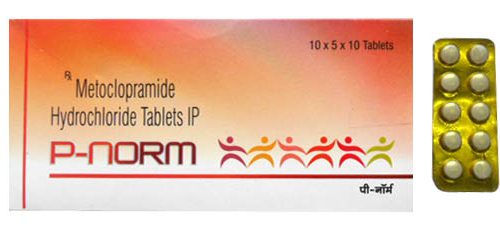
Metoclopramide
- Metoclopramide is generally dispensed through pharmacies and hospitals and is prescription-only (Rx) in most countries, but local rules vary and in some pharmacies it may be possible to buy metoclopramide without a prescription—check your local pharmacy or regulations for availability.
- Metoclopramide is used as an antiemetic and prokinetic for nausea and vomiting, diabetic gastroparesis, prevention of chemotherapy-induced nausea, and as an adjunct in migraine; it works mainly as a dopamine D2 receptor antagonist (also has 5-HT3 antagonism and 5-HT4 agonism), increasing gastric motility and raising the activity threshold in the chemoreceptor trigger zone, and can increase prolactin release.
- Usual adult doses are 10 mg orally, IV, or IM three times daily for nausea (typical maximum 30 mg/day); for diabetic gastroparesis 10 mg 30 minutes before meals and at bedtime up to four times daily (short-term max sometimes 40 mg/day); pediatric dosing is roughly 0.1–0.15 mg/kg per dose every 8 hours (max ~10 mg/dose); treatment is usually short-term (≤5 days) and should not exceed 12 weeks due to tardive dyskinesia risk.
- Forms and routes include oral tablets (5 mg, 10 mg), orally dispersible tablets (ODT), oral solutions (e.g., 5 mg/5 mL), and injectable ampoules/vials (10 mg/2 mL) for IM or IV use.
- Onset of action: orally typically 30–60 minutes; IM/IV forms act faster, generally within 10–30 minutes (IV may act sooner).
- Duration of action is usually about 4–6 hours (plasma half-life around 4–6 hours), though effects can vary by dose and route.
- Avoid alcohol while taking metoclopramide—alcohol can increase drowsiness and CNS side effects and may worsen adverse effects.
- The most common side effect is drowsiness.
- Would you like to try metoclopramide without a prescription?



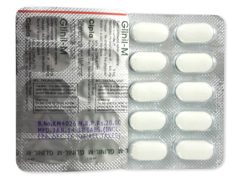
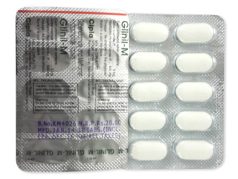
Basic Metoclopramide Information
- INN (International Nonproprietary Name): Metoclopramide
- Brand Names Available In United States: Reglan, Metozolv ODT (manufactured by Asclemed USA, Inc., and other suppliers)
- ATC Code: A03FA01 (A03F Propulsives; A03 Drugs For Functional Gastrointestinal Disorders)
- Forms & Dosages: Tablets (5 mg, 10 mg), Orally Dispersible Tablets (5 mg, 10 mg), Oral Solution (5 mg/5 mL; 10 mg/10 mL), Ampoules/Vials (10 mg/2 mL) for IM/IV
- Manufacturers In United States: Asclemed USA, Inc., plus multiple generic manufacturers and global suppliers
- Registration Status In United States: Prescription Only (Rx); approved by FDA and other national regulatory agencies
- OTC / Rx Classification: Prescription Only (Rx)
Key Findings From Recent Trials
Patients and clinicians ask whether recent studies change how metoclopramide is used.
Recent clinical research from 2022–2026 concentrated on short-term IV or oral metoclopramide for acute nausea in settings such as postoperative nausea and vomiting (PONV), emergency migraine treatment, and breakthrough chemotherapy-related nausea.
Systematic reviews and regulatory safety assessments received priority over small single-center trials in those years.
The strongest evidence supports symptomatic antiemetic benefit for single-dose or short-course use versus placebo or standard antiemetics in acute settings.
Major trials compared metoclopramide against other agents and placebo, often showing faster onset of relief when given IV for acute nausea.
One practical ED example: a patient with severe migraine received 10 mg IV metoclopramide and reported nausea reduction within 30 minutes, consistent with trial endpoints.
Metoclopramide trial reports commonly used endpoints of time-to-relief and need for rescue medication.
Major 2022–2026 Studies
Clinical research focused on IV or oral metoclopramide for acute nausea and short-duration gastroparesis therapy.
Trials typically evaluated single-dose IV use in emergency migraine protocols, perioperative nausea control, and adjunctive use for chemotherapy-induced nausea and vomiting (CINV).
Systematic reviews favored the larger randomized controlled trials over small case series.
Overall, short courses produced measurable antiemetic effects in acute settings compared with placebo or some active comparators.
Main Outcomes
There were consistent signals showing faster onset of nausea relief with metoclopramide versus placebo.
Efficacy was comparable to prochlorperazine in several ED migraine and PONV studies.
For diabetic gastroparesis trials, symptom reduction occurred but benefits were often modest and transient.
Investigators emphasized weighing symptom improvement against safety when considering ongoing use.
Safety Observations
Safety trends in the recent data continued to highlight extrapyramidal symptoms such as acute dystonia and akathisia after parenteral dosing.
Regulatory evaluations and trial safety analyses reinforced cumulative risk of tardive dyskinesia with prolonged exposure.
Labeling and guidance increasingly recommend limiting typical treatment to ≤5 days and not to exceed 12 weeks for any indication.
Real-world adverse-event data support careful dosing, renal/hepatic adjustments, and patient counseling before repeat or long courses.
Clinical Mechanism Of Action
People want a simple explanation for how metoclopramide stops nausea.
Layman’s Explanation
Metoclopramide works by blocking certain dopamine receptors in the brain’s vomiting center and by speeding stomach emptying.
That dual action reduces nausea and helps food move from the stomach to the intestine faster, so patients feel less full and vomit less.
Scientific Breakdown
Metoclopramide is classified under ATC A03FA01 as a propulsive antiemetic.
Pharmacologically it is a dopamine D2 receptor antagonist, a 5‑HT3 receptor antagonist, and a 5‑HT4 receptor agonist, and it increases prolactin release.
These combined actions increase gastric motility and raise the threshold for chemoreceptor trigger zone activity, producing both prokinetic and antiemetic effects.
Central Vs Peripheral Effects
Central effects are driven by D2 antagonism in the chemoreceptor trigger zone and explain much of the antiemetic efficacy.
Peripheral effects come from 5‑HT4 agonism, which enhances acetylcholine release in enteric neurons and promotes gastric emptying.
Clinical Implications
Because metoclopramide penetrates the central nervous system, it provides antiemetic benefit but can cause CNS adverse effects such as drowsiness and extrapyramidal reactions.
Prolactin elevation explains endocrine effects like galactorrhea or gynecomastia when the drug is used longer term.
Scope Of Approved And Off-Label Use
Patients often ask what metoclopramide is officially approved for and what doctors still use it for off-label.
United States Approvals
Metoclopramide is approved in the United States as an antiemetic and prokinetic and is marketed under brands such as Reglan and Metozolv ODT.
Formulations available include tablets, orally dispersible tablets, oral solution, and injectable ampoules for IM/IV use.
Common labeled uses are symptomatic treatment of nausea and vomiting and short‑term management of diabetic gastroparesis.
Notable Off-Label Trends
Off-label practice commonly includes adjunctive IV use in emergency migraine protocols and perioperative nausea when other agents are contraindicated.
Oncology teams sometimes include metoclopramide for breakthrough CINV, especially when prokinetic action is desired.
Clinicians are increasingly restricting duration and total dose because of tardive dyskinesia risk, following guidance that typical duration is ≤5 days and should not exceed 12 weeks.
Dosage Strategy
How much to give depends on the condition, age, and organ function.
General Dosing
Standard adult dosing for nausea and vomiting is 10 mg orally, IV, or IM three times daily, with a usual maximum of 30 mg per day for typical antiemetic use.
For gastroparesis, dosing is commonly 10 mg taken 30 minutes before meals and at bedtime.
Short‑term gastroparesis regimens may use up to 40 mg per day but only briefly due to safety limits.
Condition‑Specific Dosing
Nausea/Vomiting: 10 mg PO/IV/IM every 8 hours (maximum 30 mg/day).
Diabetic Gastroparesis: 10 mg PO 30 minutes before meals and at bedtime, up to four times daily (max 40 mg short-term).
Pediatric: 0.1–0.15 mg/kg per dose every 8 hours, maximum 0.5 mg/kg/day or 10 mg per dose for children aged 1–18 years.
Dose Adjustments
Reduce dose by 50% in renal impairment when GFR is below 40 mL/min.
Consider a 50% dose reduction in hepatic impairment as well.
Elderly patients should receive reduced doses and careful monitoring for extrapyramidal symptoms.
Safety Protocols
Safety is the top concern when prescribing metoclopramide, especially for repeat or long courses.
Contraindications
- Absolute Contraindications: Hypersensitivity to metoclopramide or excipients; pheochromocytoma; seizure disorders; gastrointestinal hemorrhage, mechanical obstruction, or perforation; prior history of tardive dyskinesia with metoclopramide or other neuroleptics.
- Relative Contraindications: Parkinson’s disease, history of depression, significant renal or hepatic impairment, and the elderly (increased EPS risk).
Adverse Effects
Common side effects include drowsiness, fatigue, restlessness or akathisia, diarrhea, dizziness, and headache.
Prolactin increase can cause galactorrhea or gynecomastia during prolonged use.
Serious adverse effects include tardive dyskinesia with long‑term exposure and rare cases of neuroleptic malignant syndrome.
Monitoring And Mitigation
Limit duration of therapy (typical courses ≤5 days; do not exceed 12 weeks) to reduce the risk of tardive dyskinesia.
Educate patients to report any abnormal involuntary movements immediately.
Use the lowest effective dose and adjust dosing for renal and hepatic impairment to reduce accumulation and adverse effects.
Interaction Mapping
Drug interactions change both safety and tolerability, especially in older or polypharmacy patients.
Food Interactions
No major food interactions are widely reported.
Avoid alcohol because it potentiates CNS depression and increases drowsiness with metoclopramide.
For gastroparesis, taking oral doses 30 minutes before meals optimizes the prokinetic effect.
Drug Combinations To Avoid
Avoid co‑administration with other dopamine antagonists or antipsychotics when possible due to additive extrapyramidal risk.
Exercise caution with CNS depressants such as opioids, benzodiazepines, and sedating antihistamines; monitor for increased sedation.
Reduce dose or select alternatives in patients taking drugs that impair renal or hepatic clearance.
If combined with drugs that raise prolactin levels, monitor for endocrine effects.
Practical Checks
Before prescribing, review the full medication list for antipsychotics, strong CNS depressants, and agents needing renal dosing adjustments.
Document the rationale for short‑term use and counsel patients on early signs of movement disorders.
Patient Experience Analysis
What patients report helps shape counseling and prescribing decisions.
Survey Data
Surveyed ED and outpatient users often report rapid symptomatic relief of acute nausea with single IV or oral doses.
Satisfaction tends to be high when benefit is quick in PONV and acute migraine use.
Standardized patient‑reported outcomes in chronic gastroparesis show mixed long‑term benefits and higher discontinuation because of side effects.
Forum Trends
Online patient communities commonly report effective short‑term nausea control and complaints about sedation and akathisia.
There is pronounced concern in forums about long‑term movement disorders such as tardive dyskinesia, which influences patient willingness to accept repeat prescriptions.
Implications For Counseling
Emphasize shared decision‑making and clearly explain typical short‑term duration (≤5 days) and the risk of movement disorders with chronic use.
Advise patients to report early extrapyramidal symptoms and discuss alternatives such as domperidone when CNS effects are a concern and where available.
Distribution And Pricing Landscape
Availability and cost vary by formulation and brand, which affects access in clinic and hospital settings.
Global supply includes branded and generic manufacturers such as Asclemed USA, Sanofi, Sandoz, Teva, Amdipharm, and Sun Pharma.
Forms include tablets (5 mg, 10 mg), ODT, oral solutions (5 mg/5 mL), and 10 mg/2 mL ampoules for IM/IV.
Metoclopramide is prescription‑only in most markets and is listed by the WHO as an essential medicine.
Generic versions tend to be low‑cost, while branded products and specialty formulations like ODT or prefilled syringes command higher prices.
In the United States, payers may impose formulary limits and prior authorization for prolonged courses, although formal REMS programs are uncommon.
Commercial trends favor ODT for adherence and injectable forms for inpatient use.
Alternative Options
Clinicians choose alternatives based on indication, safety profile, and patient comorbidities.
Comparison Summary
- Domperidone (Motilium): Peripheral prokinetic with less CNS penetration; useful when CNS side effects must be minimized but carries cardiac QT concerns and limited US availability.
- Ondansetron/Granisetron: 5‑HT3 antagonists effective for CINV and PONV; minimal EPS risk but are less prokinetic and often more expensive.
- Prochlorperazine/Promethazine: Effective antiemetics with sedating profiles and their own EPS and anticholinergic risks.
Pros And Cons
Metoclopramide advantages include dual antiemetic and prokinetic action, multiple formulations including IV, and low-cost generics.
Disadvantages include CNS side effects, prolactin elevation, and the risk of tardive dyskinesia with prolonged use, leading to duration limits.
Selection Guidance
Choose therapy based on the indication: for gastroparesis prioritize prokinetic potency; for chemotherapy follow guideline-directed antiemetic regimens.
Avoid metoclopramide for chronic therapy when safer long‑term options exist or when cardiac or movement‑disorder risks are elevated.
Regulatory Status
Regulatory agencies worldwide acknowledge both utility and risk when approving labeling for metoclopramide.
National agencies including FDA (US), EMA (EU), MHRA (UK), and ANMDMR (Romania) have approved metoclopramide for prescription use.
Regulators emphasize limiting duration of use because of tardive dyskinesia risk; labeling typically advises therapy for typical courses of ≤5 days and not to exceed 12 weeks.
Some formulations, such as ODT and injectable preparations, have separate approvals and packaging variations across regions.
The presence and availability of domperidone and other alternatives vary by country.
Consolidated FAQ
Quick answers to common patient and clinician questions help with fast decision making.
Q: How fast does metoclopramide work?
A: IV or IM dosing often reduces nausea within 15–30 minutes; oral dosing has a slower onset but is effective for many acute cases.
Q: How long can it be used?
A: Typical courses are ≤5 days; do not exceed 12 weeks due to risk of tardive dyskinesia.
Q: Who should not take it?
A: Patients with hypersensitivity, pheochromocytoma, seizure disorders, GI obstruction/bleeding/perforation, or prior tardive dyskinesia should not take metoclopramide.
Q: Common side effects?
A: Drowsiness, akathisia, diarrhea, and elevated prolactin are common; tardive dyskinesia is a serious long‑term risk.
Q: Dosing adjustments?
A: Reduce dose by 50% in renal impairment with GFR <40 mL/min and consider similar reductions for hepatic impairment; pediatric and elderly dosing guidance applies.
Visual Guide
An infographic can make dosing and risks easy to scan for both clinicians and patients.
Include the following elements: a mechanism snapshot showing D2 blockade and 5‑HT4 agonism with central versus peripheral icons.
A dosing timeline: single IV dose, 10 mg PO q8h for acute use, and pre‑meal dosing for gastroparesis with max daily limits displayed.
A risk meter that highlights short‑term benefits versus long‑term tardive dyskinesia risk, with red‑alert at durations over 12 weeks.
Contraindication icons for pheochromocytoma, seizures, and GI obstruction, and a monitoring checklist for movement signs, prolactin symptoms, and renal/hepatic dose adjustments.
Design Notes
Use color‑coded risk levels and clear timeframe callouts emphasizing ≤5 days for typical short courses.
Include brand and formulation callouts (Reglan, Metozolv ODT; tablets, solution, ampoules) and storage temperature guidance (15–30°C).
Provide alt‑text for accessibility so screen readers can describe the infographic content.
Storage And Transport
Proper storage preserves potency and safety.
Recommended storage temperature is 15–30°C (59–86°F), protecting products from light and moisture per manufacturer labels.
Oral solutions should be used within the timeframe specified after opening on the label.
Injectable ampoules and vials must not be frozen and should be transported under stable temperature conditions to preserve sterility.
Supply Chain Considerations
Packaging variations—blister packs, ampoules, and bottles—require careful inventory controls at hospitals and pharmacies.
For international shipping, confirm stability data and local import regulations, avoid temperature excursions, and document chain‑of‑custody.
Disposal
Follow local pharmaceutical waste regulations for expired or unused products.
Opened ampoules and syringes should be disposed of as sharps in appropriate containers.
Guidelines For Proper Use
Use a checklist to ensure safe prescribing.
Confirm the indication and absolute contraindications such as pheochromocytoma, seizures, GI obstruction, and prior tardive dyskinesia before prescribing.
Verify the current medication list for antipsychotics, strong CNS depressants, and renal or hepatic dosing issues.
Choose the lowest effective dose and limit duration—typical short courses ≤5 days; avoid exceeding 12 weeks.
In Practice
In the ED, prefer a single IV or IM dose and document the response and any adverse effects.
For gastroparesis, reserve metoclopramide for short‑term symptomatic relief, use pre‑meal dosing, and develop a long‑term plan if symptoms persist.
For pediatric and elderly patients, follow age‑appropriate dosing and increase vigilance for extrapyramidal symptoms.
Documentation And Patient Education
Provide written warnings about movement symptoms and advise against alcohol while taking the medication.
Explain missed‑dose handling: take the dose if remembered unless it is near the next scheduled dose; do not double up.
Describe overdose signs such as severe drowsiness, disorientation, or abnormal movements and instruct patients to seek emergency care if they occur.
Delivery Across United States
| City | Region | Delivery Time |
|---|---|---|
| New York | New York, NY | 5-7 days |
| Los Angeles | California, CA | 5-7 days |
| Chicago | Illinois, IL | 5-7 days |
| Houston | Texas, TX | 5-7 days |
| Phoenix | Arizona, AZ | 5-7 days |
| Philadelphia | Pennsylvania, PA | 5-7 days |
| San Antonio | Texas, TX | 5-7 days |
| San Diego | California, CA | 5-9 days |
| Dallas | Texas, TX | 5-9 days |
| San Jose | California, CA | 5-9 days |
| Austin | Texas, TX | 5-9 days |
| Jacksonville | Florida, FL | 5-9 days |
| Columbus | Ohio, OH | 5-9 days |
Concluding Notes On Access And Purchase
Many patients ask how to get metoclopramide quickly, especially after a weekend ED visit.
Although metoclopramide is prescription‑only in most markets, our online pharmacy offers metoclopramide with discreet delivery across the United States in 5-14 days for eligible orders.
When ordering, verify dosage form, strength, and that counseling information accompanies the shipment.
Final Takeaways
Metoclopramide remains a valuable, low‑cost antiemetic and prokinetic when used appropriately for short durations.
Evidence from 2022–2026 supports single‑dose or short‑course use for acute nausea in ED, postoperative, and some oncology settings, with faster onset versus placebo in many trials.
Risks focus on extrapyramidal reactions and tardive dyskinesia with prolonged or repeated exposure, which is why treatment is typically limited to short courses and doses adjusted for renal or hepatic impairment.
Prescribers should document indication, counsel patients about early movement symptoms, and prefer the lowest effective dose for the shortest necessary duration.
Patients concerned about CNS side effects may wish to discuss alternatives such as domperidone (where available) or 5‑HT3 antagonists like ondansetron for chemotherapy‑related nausea.