
Pepcid
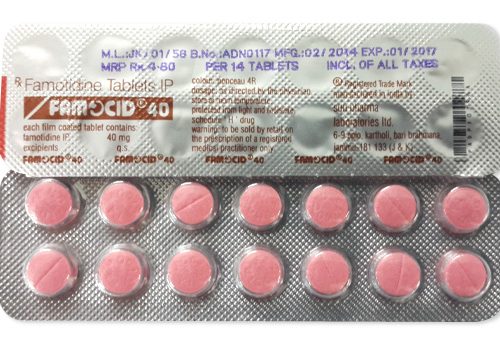
Pepcid
- In many pharmacies and online retailers you can buy pepcid without a prescription (OTC) — lower strengths (10–20 mg) are commonly sold over the counter in the United States and many countries; higher strengths (40 mg), liquid suspensions, and some formulations may require a prescription. Home delivery and discreet packaging are often available.
- Pepcid (famotidine) is used to treat heartburn/GERD, gastric and duodenal ulcers, and conditions with excessive acid production like Zollinger–Ellison syndrome. It is a histamine H2‑receptor antagonist that blocks H2 receptors on stomach parietal cells to reduce gastric acid secretion.
- The usual dose for adults: heartburn/GERD — 20 mg twice daily; duodenal ulcer — 20 mg twice daily or 40 mg once daily; gastric ulcer — 40 mg once daily (often at bedtime); prevention/healing — 20 mg once daily. Zollinger–Ellison dosing is individualized (commonly 20–160 mg every 6 hours). Pediatric dosing is weight‑based; not recommended under 3 months and above ~40 kg adult doses are used; reduce dose in renal impairment.
- Form of administration: oral (tablets 10 mg, 20 mg, 40 mg), chewable tablets, orally disintegrating tablets, and powder for suspension (reconstituted liquid).
- Onset time: symptom relief typically begins within 30–60 minutes, with peak effect in about 1–3 hours.
- Duration of action: acid suppression generally lasts about 8–12 hours (individual response varies; some patients may need twice‑daily dosing for full control).
- Alcohol warning: avoid excessive alcohol — alcohol can worsen reflux and peptic disease and may increase dizziness or drowsiness; consult your healthcare provider if you drink regularly.
- The most common side effect is headache; other common effects include dizziness, constipation, diarrhea, and fatigue. Serious adverse reactions (severe allergic reactions, confusion in elderly or those with renal impairment) are less common and require immediate medical attention.
- Would you like to try pepcid without a prescription?
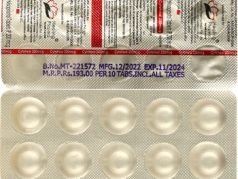
Basic Pepcid Information
- INN (International Nonproprietary Name): famotidine
- Brand Names Available In United States: Pepcid, Pepcid AC, Pepcid AC Maximum Strength, Heartburn Relief
- ATC Code: A02BA03 (Histamine H2-Receptor Antagonists)
- Forms & Dosages: Tablets 10 mg, 20 mg, 40 mg; chewable tablets 10 mg and 20 mg; orally disintegrating 20 mg tablets; powder for suspension 40 mg/5 mL (reconstitute Rx only).
- Manufacturers In United States: Johnson & Johnson / McNeil Consumer Healthcare and multiple generics from Teva, Mylan, Sandoz.
- Registration Status In United States: Approved by the FDA for both prescription and OTC use per product labeling.
- OTC / Rx Classification: Lower strengths (10–20 mg) commonly OTC for intermittent heartburn and reflux; 40 mg tablets, suspensions, and many pediatric presentations are prescription-only.
Key Findings From Recent Trials
Major 2022–2026 Studies
Concerned about whether Pepcid still has a role amid modern GERD care?
Recent high-quality randomized controlled trials specifically of famotidine between 2022 and 2026 are limited, with most robust work consisting of meta-analyses and comparative effectiveness studies.
These analyses compare H2 blockers, including famotidine, with proton pump inhibitors for maintenance therapy and for symptom rescue in milder GERD cases.
Large new RCTs expanding famotidine into non-GI disease areas were not consistently supportive and remain scarce in this window.
Main Outcomes
Across pooled analyses, famotidine reliably provides short-term symptom relief for episodic heartburn and mild GERD.
Evidence shows famotidine is useful for nocturnal acid breakthrough when timed at bedtime or as an evening dose.
Comparative work finds PPIs provide stronger long-term acid suppression, but famotidine performs well as a rescue or interim therapy where rapid onset is desired.
No consistent disease-modifying benefits were confirmed outside approved gastrointestinal indications in recent trials.
Safety Observations
Pooled safety data confirm a low incidence of serious adverse events for famotidine when used at recommended doses.
Recent work reinforces the need for renal-dose adjustments and for vigilance in elderly patients due to higher rates of confusion or CNS effects when renal clearance is reduced.
Regulatory labeling remains consistent with both OTC and Rx options in the United States and common doses of 10–40 mg across markets.
Clinical Mechanism Of Action
Layman’s Explanation
Worried about how pepcid actually eases your heartburn?
Famotidine blocks H2 receptors on stomach acid-producing cells so your stomach makes less acid and symptoms like heartburn and reflux ease.
People often notice relief faster than with long-acting proton pump inhibitors because famotidine starts working quickly for symptom control.
Scientific Breakdown
Famotidine is an H2-receptor antagonist classified under ATC code A02BA03.
It competitively inhibits histamine stimulation of parietal cell H2 receptors, lowering intracellular cyclic AMP and reducing proton pump activation.
Common products include 10 mg, 20 mg, and 40 mg tablets, chewables, orally disintegrating 20 mg tablets, and a 40 mg/5 mL powder for suspension.
Onset of action is roughly 30–60 minutes, which makes it suitable for on-demand relief or twice-daily dosing for symptom control.
Duration of acid suppression is shorter than most PPIs, so dosing like 20 mg twice daily or bedtime dosing targets day-to-day or nocturnal symptoms.
Renal clearance predominates for famotidine, and dose adjustments are recommended when creatinine clearance falls below 50 mL/min.
Minimal cytochrome P450 metabolism means famotidine has fewer drug–drug interactions compared with many PPIs and cimetidine, making it an attractive choice when interaction risk is a concern.
Scope Of Approved & Off-Label Use
United States Approvals
Asking whether Pepcid is approved for your condition?
The FDA approves famotidine (Pepcid and generics) for duodenal and gastric ulcers, for GERD/heartburn relief, and for prevention of recurrence per labeled uses.
OTC products, usually 10–20 mg strengths, are available for symptomatic heartburn relief, while 40 mg tablets and suspensions are typically prescription-only.
Typical label dosing and durations align with product information: ulcer therapy commonly 6–8 weeks and GERD courses of 6–12 weeks as indicated.
Notable Off-Label Trends
Clinicians sometimes use famotidine off-label for stress-ulcer prophylaxis in non-ICU settings when PPIs are contraindicated.
Short-term adjunctive use of famotidine for nocturnal breakthrough symptoms alongside PPI regimens is common in practice.
Famotidine has also been used as an alternative when patients have PPI intolerance or when minimizing interaction risk is necessary.
Interest in famotidine for COVID-19 in observational studies has not translated into consistent randomized-trial confirmation, and that trend has largely faded.
International regulatory status varies and generics often replace branded Pepcid in many markets, so packaging and registration details matter for procurement teams.
Dosage Strategy
General Dosing
Wondering what dose of pepcid you should start with?
Use the lowest effective dose and adjust for kidney function and age.
Available forms include 10 mg, 20 mg, and 40 mg tablets; chewables; orally disintegrating 20 mg tablets; and a 40 mg/5 mL suspension for prescription use.
OTC options commonly include 10–20 mg tablets intended for intermittent heartburn relief.
Condition-Specific Dosing
For GERD or episodic heartburn, typical dosing is 20 mg twice daily for ongoing symptoms or 20 mg as needed for OTC use.
For active duodenal ulcer, dosing is 20 mg twice daily or 40 mg once daily per many product labels.
For active gastric ulcer, 40 mg once daily at bedtime is the common adult recommendation.
Zollinger–Ellison syndrome requires specialist management with individualized high doses ranging from 20 mg to 160 mg every 6 hours.
Pediatric dosing is weight-based and not recommended for infants under three months; children above 40 kg often receive adult dosing.
In renal impairment, reduce the dose—commonly halve the usual dose when creatinine clearance is under 50 mL/min.
Typical treatment durations are 6–8 weeks for ulcers and 6–12 weeks for GERD unless a physician advises otherwise.
Safety Protocols
Contraindications
Do you have allergies or conditions that make Pepcid risky?
Absolute contraindications include known hypersensitivity to famotidine or other H2 blockers such as ranitidine, cimetidine, and nizatidine.
History of severe allergic reactions to this drug class mandates avoidance.
Adverse Effects
Common mild side effects include headache, dizziness, constipation, diarrhea, and fatigue.
Less common issues can include muscle cramps, dry mouth, and nausea.
Serious but rare reactions include confusion—particularly in elderly patients or those with renal impairment—hypotension, and severe hypersensitivity.
Overdose may cause pronounced central nervous system effects such as confusion or fainting, and medical attention should be sought immediately.
Store famotidine products below 25°C (77°F) and keep them dry and protected from direct light.
Interaction Mapping
Food Interactions
Will food change how Pepcid works?
Food can modestly delay the absorption of famotidine but generally does not reduce its effectiveness for symptomatic dosing.
For fastest relief, consider taking chewable or orally disintegrating forms 30–60 minutes before or after meals based on symptom patterns.
Drug Combinations To Avoid
Famotidine has relatively few CYP-mediated interactions compared with many PPIs and cimetidine.
Avoid combining famotidine with other H2 blockers due to additive pharmacologic effects.
Exercise caution when using famotidine with QT-prolonging drugs at high doses, especially in patients with underlying cardiac risk.
Space antacids and other oral medications by about 1–2 hours to prevent absorption interference when possible.
Routine long-term dual acid suppression with PPIs and famotidine increases infection and nutrient-absorption risks and generally is not recommended without a clear clinical reason.
Patient Experience Analysis
Survey Data
What do patients say about pepcid?
Surveyed patients commonly rate famotidine favorably for quick relief of episodic heartburn and for over-the-counter availability.
Adherence improves when dosing is simple (once or twice daily) and when chewable or ODT formulations are available for ease of use.
Many report benefit from bedtime dosing for nocturnal symptoms, and some users prefer famotidine over PPIs to avoid long-term PPI risks.
Forum Trends
Online reviews and forums highlight Pepcid AC chewables and 20 mg tablets as popular quick-relief options.
Some patients report switching from PPIs to famotidine to avoid drug interactions or PPI-associated concerns.
Negative themes often involve symptom recurrence if acid suppression is insufficient and anecdotal reports of confusion or "brain fog" in elderly users or those with renal impairment.
Clinicians should verify such reports with a renal function review before attributing cognitive symptoms to famotidine.
Distribution & Pricing Landscape
Market Snapshot
Looking for Pepcid or generic famotidine in the United States?
Famotidine is widely available in branded forms such as Pepcid and Pepcid AC and as multiple generics supplied by major manufacturers including Johnson & Johnson, McNeil, Teva, Mylan, and Sandoz.
OTC availability of 10–20 mg strengths increases retail presence in drugstores and e-shops, while 40 mg tablets and suspensions commonly require prescription.
Pricing Dynamics
OTC chewables and small tablet packs are low-cost retail items, while branded and prescription formulations command higher prices.
Search terms like "Pepcid 20 mg tablets price online" and "Pepcid 40mg bottle" drive e-commerce comparison shopping.
The ranitidine market exit for NDMA concerns historically shifted some demand to H2 blockers for short-term relief.
In the online pharmacy, pepcid is available without a prescription, with discreet delivery to United States in 5-14 days.
Alternative Options
Comparison Table
Choosing between famotidine, PPIs, and other H2 blockers depends on the indication and risk profile.
- Acid Suppression: PPIs provide greater long-term acid suppression than famotidine.
- Onset: Famotidine works faster for immediate relief than most PPIs.
- Interactions: Famotidine has fewer CYP interactions than cimetidine and many PPIs.
- Availability: Famotidine is widely available OTC at lower strengths and Rx at higher strengths; generics are common.
Pros And Cons
Pros of famotidine include rapid symptomatic relief, multiple formulations (chewable, ODT, suspension), a favorable interaction profile, and OTC access for many patients.
Cons include less durable acid suppression compared with PPIs, the need for renal dose adjustment, and reduced efficacy in severe erosive esophagitis.
Competitors include cimetidine (more interactions), ranitidine (withdrawn in many markets), and PPIs like omeprazole for stronger suppression.
Regulatory Status
How is Pepcid regulated where you live?
In the United States, famotidine and the Pepcid brand are FDA-approved for both OTC and prescription indications in line with labeled dosing.
In Europe and other regions, EMA and national authorities authorize famotidine generics and brand alternatives, with local registries listing approved formulations.
Classification varies by dose and presentation: OTC for lower doses (10–20 mg) in many markets and Rx for 40 mg tablets, suspensions, and pediatric forms.
Pharmacists and procurement teams should cite local authorization and packaging when listing products for sale or importation.
Consolidated FAQ
Rapid Answers To Common Queries
Is Pepcid the same as famotidine?
Yes; famotidine is the International Nonproprietary Name and Pepcid/Pepcid AC are common brand names in the United States.
Is Pepcid OTC or prescription?
Lower strengths (10–20 mg) are often available OTC while 40 mg products and suspensions are usually prescription-only.
How fast does it work?
Onset is about 30–60 minutes, and chewable or ODT forms can act faster for symptomatic relief.
Can I take famotidine with PPIs?
Short-term adjunctive use for breakthrough symptoms is common, but routine dual long-term therapy increases infection and nutrient-absorption risks and should be coordinated with a prescriber.
Are there dose adjustments?
Yes; halve the usual dose if creatinine clearance is under 50 mL/min and use caution in elderly patients; pediatrics require weight-based dosing and it is not recommended under three months.
What side effects should I watch for?
Report persistent headache, dizziness, severe rash, confusion, fainting, or signs of severe allergic reaction to a healthcare provider right away.
Visual Guide
Infographic — Mechanism & Timing
Recommended visual: a simple infographic showing H2 receptor blockade on parietal cells, onset 30–60 minutes, and a side-by-side comparison vs PPI (faster onset, less total suppression).
Dosing Flowchart
Recommended visual: a stepwise decision tree for indication (episodic heartburn vs ulcer vs Zollinger–Ellison), starting OTC vs Rx dosing, renal adjustment (CrCl <50 mL/min → halve dose), and referral triggers.
Packaging gallery and safety checklist visuals are helpful for procurement and patient counseling, with captions citing FDA labeling or local registries when available.
Storage & Transport
Conditions & Shelf-Life Tips
Store famotidine products at room temperature below 25°C (77°F) and keep them dry and away from direct light.
Do not freeze suspensions and follow manufacturer instructions for reconstitution and expiry after mixing.
Check printed expiration dates and maintain lot tracking in case of recalls.
Handling For Retailers
Protect stock from prolonged heat during shipping and avoid freezing liquids during transport.
Label products with correct brand and Rx/OTC status for the United States market and maintain serial and lot traceability for safety and regulatory compliance.
At point of sale, counsel patients to store at room temperature and keep chewables out of reach of children to avoid accidental ingestion.
Guidelines For Proper Use
Prescriber Checklist
Confirm indication and disease severity when choosing between famotidine and other therapies.
Verify renal function and adjust dose if creatinine clearance is under 50 mL/min.
Review allergy history to H2 blockers and assess QT risk and concomitant medications.
Prefer generic famotidine where appropriate to manage patient cost and formulary requirements.
For Zollinger–Ellison and other high-dose needs, use specialist dosing and monitoring protocols.
Patient Counseling Points
Explain onset (30–60 minutes) and advise on appropriate dosing schedules such as 20 mg twice daily for many GERD cases or 20 mg as needed for OTC use.
For missed doses instruct patients to take as soon as remembered but not to double dose.
Advise patients to seek medical attention for severe rash, confusion, fainting, or signs of severe allergic reaction.
Remind patients that OTC use is for intermittent symptoms and persistent heartburn over several weeks should prompt evaluation for possible erosive disease.
Delivery Across United States
| City | Region | Delivery Time |
|---|---|---|
| New York City | New York | 5-7 days |
| Los Angeles | California | 5-7 days |
| Chicago | Illinois | 5-7 days |
| Houston | Texas | 5-7 days |
| Phoenix | Arizona | 5-7 days |
| Philadelphia | Pennsylvania | 5-7 days |
| San Antonio | Texas | 5-7 days |
| San Diego | California | 5-7 days |
| Dallas | Texas | 5-7 days |
| San Jose | California | 5-7 days |
| Austin | Texas | 5-7 days |
| Jacksonville | Florida | 5-9 days |
| Boise | Idaho | 5-9 days |
Concluding Notes
Many patients find Pepcid and generic famotidine to be effective for quick relief of episodic heartburn and for managing nocturnal symptoms.
Famotidine remains a useful option when avoiding PPI interactions or when shorter-term acid suppression is appropriate.
Always check renal function before starting long-term therapy and adjust dosing when creatinine clearance is reduced.
For persistent or severe symptoms, referral for endoscopic evaluation or PPI-based therapy may be required depending on clinical findings.
Pharmacists should follow FDA labeling for OTC versus prescription distinctions and counsel patients on dose, storage, and red flags to report.