
Misoprostol
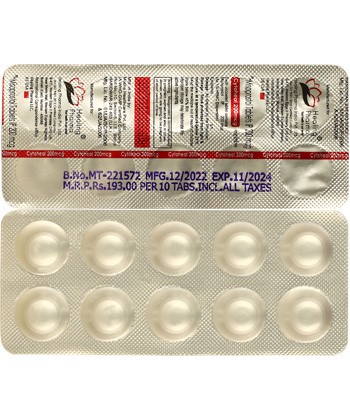
Misoprostol
- Misoprostol is legally prescription-only in most countries (Rx required), but availability varies by region and in some pharmacies or online vendors it is often possible to obtain misoprostol without a receipt; check local laws and pharmacy policies.
- Misoprostol is used for gastric ulcer prevention in NSAID users, medical abortion (usually with mifepristone), miscarriage management, labor induction, and postpartum hemorrhage; it is a prostaglandin E1 analogue that increases gastric mucosal defenses and stimulates uterine contractions via prostaglandin receptors.
- Usual dosages vary by indication: gastric protection 200 mcg 2–4 times daily; medical abortion 800 mcg (4×200 mcg) buccal/vaginal/sublingual after mifepristone; miscarriage management typically 800 mcg vaginally (may repeat after 3–12 h); labor induction 25 mcg vaginally every 4–6 h (off-label in many locations); PPH 600–800 mcg orally once.
- Administered as oral tablets (200 mcg standard, 100 mcg less common) and can be given orally, buccally, sublingually, or vaginally depending on the protocol; some combination tablets exist (e.g., with diclofenac for GI protection).
- Onset time depends on route: generally 15–60 minutes—sublingual/buccal routes act fastest, oral is intermediate, and vaginal onset is slower but may produce longer local effect.
- Duration of action is relatively short systemically (active metabolite half-life is brief), with clinical effects typically lasting about 3–6 hours for uterine and gastrointestinal actions, though uterine effects may persist longer in some cases.
- Avoid or limit alcohol while taking misoprostol because alcohol can worsen gastrointestinal side effects (nausea, vomiting, diarrhea) and dehydration; follow your clinician’s specific advice.
- The most common side effect is diarrhea; other frequent effects include abdominal pain/cramps, nausea, flatulence, headache, and uterine bleeding/cramps when used for obstetric indications.
- Would you like to try misoprostol without a prescription?



Basic Misoprostol Information
- INN (International Nonproprietary Name): Misoprostol
- Brand Names Available In United States: Cytotec (200 mcg and 100 mcg tablets), and generics labeled as Cytotec where distributed; check local pharmacy listings for current availability.
- ATC Code: G02AD06
- Forms & Dosages: Tablets 200 mcg (standard) and 100 mcg (less common); combination tablets with diclofenac (e.g., Oxaprost: 200 mcg Misoprostol / 50 mg Diclofenac) are marketed in some regions.
- Manufacturers In United States: Pfizer (Cytotec) is the principal brand reference; global manufacturers with US distribution channels or exports include Waymade, Cipla, Sun Pharma, Exeltis, Searle, Famy Care Ltd., and Laboratorio Dominguez.
- Registration Status In United States: Rx only per US FDA; approved indication is gastric protection for NSAID users, with obstetric uses commonly off-label and subject to advisory warnings.
- OTC / Rx Classification: Prescription-only (Rx) in the United States and internationally.
Key Findings From Recent Trials
Worried whether misoprostol really works and how safe it is?
Recent high-quality evidence through 2024 confirms misoprostol’s strong clinical role in reproductive care and emergency obstetrics.
Systematic reviews and randomized trials establish that mifepristone plus misoprostol produces medical abortion success rates exceeding 95% in early pregnancy when protocols are followed.
Single-dose oral misoprostol (600–800 mcg) reduces postpartum hemorrhage incidence versus placebo in low-resource settings, making misoprostol valuable where injectable oxytocics and cold chain are not feasible.
Where injectable oxytocin is available with proper logistics, oxytocin remains the superior first-line uterotonic in facility care.
Low-dose vaginal misoprostol regimens for induction (around 25 mcg) shorten time-to-delivery versus placebo but carry a dose-dependent risk of uterine hyperstimulation.
Meta-analyses have highlighted increased uterine rupture risk in women with prior uterine surgery when prostaglandin induction is used, so prior cesarean history is an important safety consideration.
Common trial-observed side effects include transient fever, diarrhea, nausea, and heavier-than-expected bleeding in the abortion context.
Serious adverse events are rare in trials but include uterine rupture and severe hypersensitivity reactions in exceptional cases.
Global guidance aligns with these findings: the World Health Organization and many national guidelines list misoprostol as essential for postpartum hemorrhage prevention and abortion care.
Main Outcomes
Patients and clinicians can expect high effectiveness when misoprostol is used as directed.
Medical abortion with mifepristone followed by misoprostol reaches success rates above 95% in early pregnancy studies.
Misoprostol-only abortion regimens are effective but slightly less reliable than combination therapy and often require repeated dosing.
For postpartum hemorrhage prevention in settings without injectables, a single oral dose of 600–800 mcg significantly lowers severe bleeding and related morbidity compared with placebo.
For labor induction, repeated low-dose vaginal schedules reduce induction-to-delivery intervals but must balance effectiveness against hyperstimulation risk.
Safety Observations
Mild to moderate side effects are common and usually self-limited.
Fever, chills, diarrhea, abdominal cramping, and nausea are frequent, especially with sublingual or higher systemic exposure.
Heavy vaginal bleeding is an expected effect during abortion and miscarriage management, but prolonged or excessive bleeding needs prompt evaluation.
Rare but serious events reported in trials include uterine rupture—particularly in women with prior uterine surgery—and severe allergic reactions.
Guideline-aligned protocols emphasize screening for uterine scar history and ectopic pregnancy to reduce risk.
Clinical Mechanism Of Action
Wondering how a single tablet can cause both stomach protection and uterine contractions?
Misoprostol is a prostaglandin analog that acts on smooth muscle and gastric mucosa to produce its clinical effects.
Layman’s Explanation
Think of misoprostol as a mimic of natural prostaglandins that tells the uterus to tighten up and the cervix to soften.
The same prostaglandin-like action boosts mucus and bicarbonate in the stomach and lowers acid, which protects the stomach lining during NSAID use.
Different ways of taking the tablet change how fast it works and how strong side effects feel.
Scientific Breakdown
Misoprostol is a synthetic prostaglandin E1 (PGE1) analog that binds EP receptors on smooth muscle cells and gastric mucosa.
Uterotonic effects are mediated mainly through EP3 receptor activation, which raises intracellular calcium in myometrial cells and leads to coordinated uterine contractions and cervical ripening.
Gastroprotective effects stem from increased mucus and bicarbonate secretion and decreased gastric acid output in the gastric mucosa.
Pharmacokinetics vary by route: sublingual administration produces rapid peak concentrations and higher bioavailability with more systemic side effects such as fever and chills.
Vaginal or oral routes yield slower absorption; vaginal application produces a prolonged uterotonic effect useful for abortion and miscarriage management.
The drug is rapidly metabolized in the liver to active metabolites and has a clinical half-life that supports single or repeated dosing depending on the indication.
Route and dose determine onset, peak effect, and tolerability; for example, 800 mcg doses used in abortion protocols are more effective but cause more GI symptoms than lower, repeated induction doses.
Scope Of Approved & Off-Label Use
Are you confused about what misoprostol can be legally prescribed for in the United States?
Regulatory approvals and clinical practice diverge in several countries.
United States Approvals
The US Food and Drug Administration approves Cytotec (misoprostol) for gastric ulcer prevention in patients taking NSAIDs.
Obstetric uses—medical abortion, miscarriage management, labor induction, and postpartum hemorrhage—are widely practiced but often off-label in the United States.
The World Health Organization lists misoprostol on its Model List of Essential Medicines for postpartum hemorrhage and abortion care, reflecting strong global guideline support.
Notable Off-Label Trends
Clinicians follow evidence-based protocols even when obstetric uses are off-label.
Medical abortion with mifepristone plus misoprostol is standard practice worldwide; misoprostol-alone regimens are used when mifepristone is unavailable.
In low-resource settings, misoprostol uptake for PPH prevention has risen because it remains stable at room temperature and does not require injection or cold chain.
Buccal and sublingual routes have expanded for abortion care where vaginal administration is culturally unacceptable or infeasible.
Labor induction protocols have trended toward lower repeated vaginal doses to reduce hyperstimulation risk, especially in women with prior uterine surgery.
Manufacturers supplying generic misoprostol include Waymade, Cipla, Sun Pharma and others; branded Cytotec remains a reference product where registered.
Dosage Strategy
Which dose and route fit your situation?
Match the dose and route to the clinical goal: expulsion, bleeding prevention, or cervical ripening.
General Dosing
Higher single doses are used to cause uterine expulsion in abortion and miscarriage care.
Moderate single oral doses are used for postpartum hemorrhage prevention in community settings.
Low repeated vaginal doses are typically selected for labor induction to balance efficacy and uterine safety.
Condition-Specific Dosing
Below are commonly used regimens drawn from guideline synthesis and standard practice.
- Gastric Ulcer Prevention: 200 mcg two to four times daily with food and at bedtime.
- Medical Abortion (With Mifepristone): 200 mg mifepristone followed 24–48 hours later by 800 mcg misoprostol (4 × 200 mcg) given buccal, vaginal, or sublingual.
- Miscarriage Management: 800 mcg vaginally, may repeat after 3–12 hours if needed.
- Labor Induction: 25 mcg vaginally every 4–6 hours (off-label in many locations).
- Postpartum Hemorrhage Prevention/Management: 600–800 mcg orally as a single dose when oxytocin is not available.
Tablet strengths commonly come as 200 mcg; 100 mcg tablets are less common.
Adjust dosing cautiously in hepatic impairment and monitor elderly patients for increased GI effects.
Safety Protocols
What checks and warnings protect the patient before and during misoprostol use?
Contraindications
Absolute contraindications include known hypersensitivity to misoprostol or other prostaglandins.
For gastric ulcer prevention, pregnancy is an absolute contraindication for that indication.
For abortion and miscarriage management, suspected ectopic pregnancy is an absolute contraindication and must be excluded before dosing.
Relative contraindications that warrant close monitoring include inflammatory bowel disease, severe cardiovascular disease, asthma, and prior uterine surgery or multiple cesarean sections.
Adverse Effects
Most adverse effects are mild and self-limited.
Common symptoms include diarrhea, abdominal pain, nausea, flatulence, headache, and transient fever or chills.
Moderate effects can include vomiting, dyspepsia, uterine cramps, and heavy vaginal bleeding when used for abortion or induction.
Rare serious events include severe hypersensitivity and uterine rupture, especially with inappropriate dosing or in patients with prior uterine scar.
Overdose presents with severe diarrhea, hypotension, bradycardia, tremor, fever, and, in pregnant patients, excessive uterine contractions.
Management of severe reactions is supportive, with emergency surgical care for uterine rupture when indicated.
Interaction Mapping
Will food, other drugs, or prior uterotonic use change misoprostol’s effect?
Food Interactions
Oral misoprostol absorption is delayed by food, which is why gastric ulcer regimens recommend taking tablets with food and at bedtime.
Sublingual and buccal routes bypass first-pass gastric absorption and are therefore unaffected by recent meals.
Drug Combinations To Avoid
Combining misoprostol with other uterotonics such as oxytocin, carboprost, or dinoprostone increases the risk of uterine hyperstimulation and must be protocolized and monitored.
Combination diclofenac–misoprostol products (e.g., Oxaprost) are used for NSAID gastric protection; this is a therapeutic pairing rather than an interaction to avoid.
Misoprostol may potentiate hypotension with antihypertensive agents, so blood pressure monitoring is prudent in patients taking concurrent antihypertensives.
There are no major CYP-mediated interactions noted; misoprostol is not a significant CYP perpetrator in clinical practice.
Patient Experience Analysis
What do real people say about using misoprostol?
Clinical surveys and anonymized forum trends converge on consistent themes: effectiveness, predictable bleeding, side-effect burden, and access concerns.
Survey Data
Trial-based patient-reported outcomes show high satisfaction when misoprostol regimens are paired with counseling and analgesia.
Transient fever, chills, nausea, and diarrhea are commonly reported but tolerated when patients are prepared for them.
Patients value clear instructions about what to expect and when to seek emergency care for prolonged bleeding or persistent fever.
Forum Trends
Online forums highlight practical questions about route preference (vaginal vs buccal), accurate dosing, and reassurance about bleeding patterns.
Concerns about counterfeit or substandard products appear frequently in discussions from low-resource settings, where brand trust and labeling matter.
Advice from clinicians, use of registered brands like Cytotec or trusted generics, and access to follow-up care all improve patient confidence and outcomes.
Distribution & Pricing Landscape
How easy is it to find genuine misoprostol and what will it cost?
The market includes multinational and regional manufacturers such as Pfizer (Cytotec), Waymade, Cipla, Sun Pharma, Exeltis and others, which keeps generic supply broad and prices competitive.
Packaging varies by brand and region, with tablets most commonly in 200 mcg strengths and blister packs preferred for stability.
Generics typically lower prices in many low- and middle-income settings, while branded Cytotec can carry higher retail cost where available.
Supply-chain risks include counterfeit or substandard imports in regions with weak regulation; procurement through WHO-prequalified or stringent-regulatory-authority-approved suppliers is recommended.
Tablets are hygroscopic, so climate-controlled packaging and dry storage add cost in hot, humid supply chains.
For patient access in the United States, this online pharmacy offers misoprostol without a prescription with discreet delivery to the United States in 5-14 days for eligible orders, while clinicians should remain aware of Rx-only legal classification.
Alternative Options
What are the substitutes for misoprostol when a clinician prefers another uterotonic or induction agent?
Comparison Table
A quick comparison in words helps select the right agent for facility versus field settings.
Oxytocin is first-line in facilities where IV/IM administration and cold chain are available; it is rapid and titratable but requires injection and refrigeration.
Carboprost is an effective injectable uterotonic for PPH refractory to oxytocin but is contraindicated in asthma.
Dinoprostone (PGE2) is used for cervical ripening and induction with a different side-effect profile and various formulations such as gel or insert.
Mifepristone is essential for evidence-based medical abortion when combined with misoprostol; where mifepristone is unavailable, misoprostol-alone regimens are a less effective alternative.
Pros And Cons
Misoprostol advantages include stability at room temperature, multiple noninvasive routes (oral, buccal, sublingual, vaginal), and low cost.
Disadvantages include gastrointestinal side effects, variable absorption depending on route, and uterine hyperstimulation risk in certain populations.
Regulatory Status
What legal constraints affect prescribing and dispensing misoprostol?
Misoprostol is prescription-only worldwide, including the United States, where FDA approval covers gastric protection in NSAID users.
European regulators (EMA) and national agencies register Cytotec and generics for gastric ulcer, and many include obstetric indications in labeling or guideline endorsement.
WHO lists misoprostol on its Model List of Essential Medicines for postpartum hemorrhage and abortion care, and many national essential medicines lists reflect that inclusion.
Some countries place restrictions on reproductive health uses, for example limiting community distribution or requiring hospital administration for abortion-related indications.
Providers must follow national law and institutional policy when prescribing off-label obstetric regimens and document informed consent accordingly.
Consolidated FAQ
How can I quickly find answers to the most common worries patients bring to the pharmacy?
- Is misoprostol legal/available? Prescription-only in the United States and most countries; availability varies by national law and indication.
- What routes are recommended? Vaginal, buccal, sublingual, and oral are all used; the choice depends on indication, access, and tolerance.
- How should tablets be stored? Store in original blister or bottle, below 25°C in a dry place to protect from moisture.
- What are emergency signs? Prolonged heavy bleeding, fever lasting more than 24 hours, severe abdominal pain, fainting, or sudden collapse are all red flags requiring immediate care.
- Can misoprostol be used alone for abortion? Yes, in certain protocols; however, combination mifepristone plus misoprostol is more effective when available.
- Are there combination products? Yes; diclofenac–misoprostol combos are used for NSAID gastric protection, but avoid unmonitored multi-uterotonic use.
- What strengths are common? 200 mcg tablets are standard; 100 mcg tablets are less common.
- Who manufactures it? Multiple manufacturers supply misoprostol globally, including Pfizer (Cytotec), Cipla, Sun Pharma and Waymade.
Clinician confirmation and facility access are advised for any emergency decision.
Visual Guide
Want quick visuals to help patients and staff understand dosing and risks?
Dosage Flowchart
Suggested figure: a flowchart mapping indication to route and dose (for example, medical abortion: mifepristone 200 mg → 24–48 hr → misoprostol 800 mcg buccal/vaginal/sublingual).
Route Comparison Chart
Suggested figure: a table or infographic comparing oral, sublingual, buccal, and vaginal routes for onset, peak, duration, and common side effects.
Risk Stratification Figure
Suggested figure: a clinician-facing infographic showing prior uterine surgery, parity, and recommended induction dosing with monitoring triggers.
Storage Iconography
Suggested figure: pictogram indicating temperature (<25°C), original blister, and avoid humidity.
Emergency Cue Card
Suggested figure: a simple patient-facing card listing red flags (heavy bleeding, fever, severe pain) and what to do next.
Storage & Transport
How should pharmacies and patients keep misoprostol effective?
Store misoprostol in the original blister or bottle, below 25°C (77°F), and keep it dry and protected from humidity.
Avoid refrigeration unless the manufacturer explicitly instructs otherwise.
When transporting long distances, use climate-stable containers and desiccant where humidity is a concern because tablets degrade with moisture exposure.
Pharmacies should rotate stock by expiry, inspect blister integrity on receipt, and include storage guidance in patient counseling.
In humanitarian settings, secondary packaging and clear storage instructions for community health workers help preserve potency.
Guidelines For Proper Use
What must prescribers check before writing a misoprostol order and what should patients hear before they leave?
Prescriber Checklist
Confirm the indication and gestational age where relevant.
Exclude ectopic pregnancy prior to abortion or miscarriage management dosing.
Review surgical history for cesarean or uterine surgery to screen for rupture risk.
Check for hypersensitivity, inflammatory bowel disease, uncontrolled cardiovascular or respiratory disease, and pregnancy status appropriate to the indication.
Select route and dose per protocol and document informed consent in the medical record.
Arrange analgesia and antiemetic options and a monitoring plan appropriate to the setting.
Patient Counseling Points
Explain expected symptoms clearly: cramping, bleeding, fever, and diarrhea are possible and usually temporary.
Give specific warning signs: heavy or prolonged bleeding, fever lasting more than 24 hours, fainting, or severe abdominal pain require immediate medical attention.
Advise storage in the original blister below 25°C and out of reach of children.
Provide follow-up instructions and emergency contact details, and tell patients not to double-dose if a scheduled dose is missed.
Delivery Across United States
| City | Region | Delivery Time |
|---|---|---|
| New York | New York State | 5-7 days |
| Los Angeles | California | 5-7 days |
| Chicago | Illinois | 5-7 days |
| Houston | Texas | 5-7 days |
| Phoenix | Arizona | 5-9 days |
| Philadelphia | Pennsylvania | 5-7 days |
| San Antonio | Texas | 5-9 days |
| San Diego | California | 5-7 days |
| Dallas | Texas | 5-7 days |
| San Jose | California | 5-9 days |
| Austin | Texas | 5-9 days |
| Jacksonville | Florida | 5-9 days |
| Fort Worth | Texas | 5-9 days |
| Columbus | Ohio | 5-9 days |
Final Notes For Clinicians And Patients
Misoprostol is an important, versatile medicine with well-established roles in gastric protection, obstetric care, and reproductive health when used according to protocol.
Prescription status and legal frameworks vary by indication and country, so clinicians should document informed consent and follow local regulations for off-label obstetric use.
Patients should be given clear instructions about expected side effects, storage in the original blister under 25°C, and emergency signs that require immediate medical care.
When sourcing misoprostol, prefer registered brands or trusted generics and follow local procurement guidance to reduce the risk of substandard products.
For urgent questions about dosing, interactions with antihypertensives or prior uterotonic exposure, contact a clinician or seek facility care.