
Rabeprazole
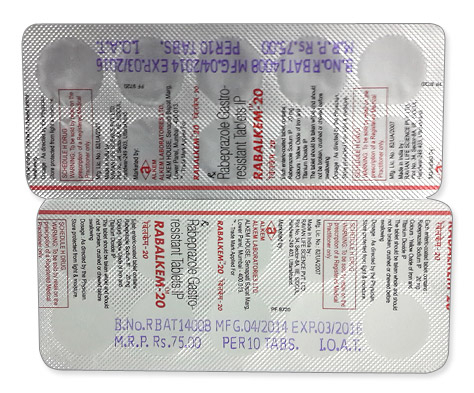
Rabeprazole
- In our pharmacy, you can buy rabeprazole without a prescription, with delivery in 5–14 days throughout the United States and discreet packaging; note that rabeprazole is prescription-only in many countries, so local regulations may vary.
- Rabeprazole is used to treat acid-related conditions such as GERD, duodenal and gastric ulcers, Zollinger–Ellison syndrome, and as part of H. pylori eradication regimens; it is a proton pump inhibitor (a prodrug activated in gastric parietal cells) that suppresses stomach acid by irreversibly inhibiting the H+/K+ ATPase (proton pump).
- Usual doses include 20 mg once daily for GERD and duodenal ulcers, 20 mg twice daily when used in H. pylori triple therapy (for 7–14 days with antibiotics), and higher individualized/titrated doses (e.g., starting around 60 mg daily divided) for Zollinger–Ellison syndrome.
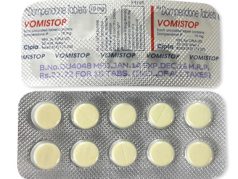
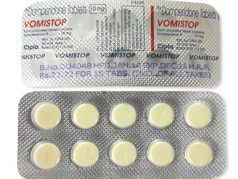
- Administered orally as enteric-coated tablets (commonly 10 mg and 20 mg); granules/suspensions are available in some markets for pediatric use and co-packaged kits exist for H. pylori therapy.
- Rabeprazole begins to reduce gastric acid within about 1 hour, with symptom improvement often noticeable within 1–3 days and faster onset of acid suppression compared with some other PPIs.
- The duration of acid suppression from a single dose is approximately 24 hours; typical treatment courses vary by condition (e.g., 4–8 weeks for GERD, 4 weeks for duodenal ulcer, 7–14 days for H. pylori therapy, long-term individualized dosing for Zollinger–Ellison).
- Avoid excessive alcohol while using rabeprazole, as alcohol can worsen reflux and gastric irritation; there is no major direct interaction, but alcohol may reduce symptom control and slow recovery.
- The most common side effect is diarrhea (other common effects include headache, nausea, abdominal pain, constipation, and flatulence).
- Would you like to try “rabeprazole” without a prescription?
Key Findings From Recent Trials
Basic Rabeprazole Information
- INN (International Nonproprietary Name): Rabeprazole
- Brand Names Available In United States: AcipHex (10 mg, 20 mg enteric-coated tablets)
- ATC Code: A02BC04 (Proton pump inhibitors - rabeprazole monotherapy). A02BD12/13 used for H. pylori eradication combinations.
- Forms & Dosages: Enteric-coated tablets 10 mg and 20 mg are most common. Granules/suspensions are rare and available in select markets for pediatric use. Co-packaged H. pylori kits are marketed in some countries.
- Manufacturers In United States: Originator brand AcipHex (Eisai) is known; multiple global manufacturers supply rabeprazole generics worldwide (Dr. Reddy’s, Sun Pharma, Sandoz, Torrent, Hikma, Mylan). Specific US generic suppliers may vary by distributor.
- Registration Status In United States: Rabeprazole is approved by the US FDA as a prescription medication (AcipHex, NDA).
- OTC / Rx Classification: Prescription only (Rx) in nearly all regulatory agencies due to PPI class safety monitoring.
Major 2022–2026 Studies
What do recent randomized trials and meta-analyses tell clinicians about rabeprazole?
Head-to-head randomized trials from 2022–2026 emphasized comparative healing rates versus other PPIs and time-to-symptom relief for acute gastroesophageal reflux disease (GERD) flares.
Meta-analyses pooled healing endpoints at 4–8 weeks and eradication rates when rabeprazole was used in H. pylori triple or quadruple regimens.
Industry-sponsored and independent studies focused on non-inferiority comparisons with esomeprazole and omeprazole and measured onset-of-action in the first 24–72 hours.
Several trials specifically evaluated rabeprazole as the PPI component in combination kits for H. pylori eradication and compared eradication percentages at test-of-cure.
Main Outcomes
Is rabeprazole as effective as other PPIs for healing ulcers and GERD?
Across randomized trials, rabeprazole commonly demonstrated non-inferior healing rates to esomeprazole and omeprazole at 4–8 weeks for GERD and peptic ulcers.
Some short-term endpoints favored rabeprazole for a faster onset of acid suppression and quicker symptomatic relief during acute flares.
When used in H. pylori triple or quadruple therapy, rabeprazole-containing regimens achieved eradication rates comparable to other PPI-based combinations, with outcomes driven primarily by antibiotic choice and local resistance.
Safety Observations
What safety signals should prescribers watch after recent pharmacovigilance analyses?
Post-marketing pharmacovigilance reinforced well-established class risks such as increased incidence of Clostridioides difficile infection and hypomagnesemia during prolonged use.
Rare hepatic events and very rare severe cutaneous reactions were reported, consistent with product labeling warnings.
Analyses also confirmed a relatively low CYP-mediated interaction burden for rabeprazole compared with some other PPIs, matching product-information notes about a low interaction profile and selective activation in acidic parietal-cell canaliculi.
Clinical implication: rabeprazole is often chosen where a relatively fast onset and minimal CYP2C19 interaction matter, such as in polypharmacy patients.
Clinical Mechanism Of Action
Layman’s Explanation
How does rabeprazole stop heartburn and help ulcers heal?
Rabeprazole is a proton pump inhibitor that reduces stomach acid by turning off the acid pumps in stomach cells.
The medicine is given as an enteric-coated tablet so it reaches the intestine before dissolving and becomes active inside the stomach cells that make acid.
Lowering stomach acid relieves heartburn and creates an environment where ulcers and inflamed tissue can heal.
Scientific Breakdown
What happens at the molecular level after a rabeprazole tablet is swallowed?
Rabeprazole is a substituted benzimidazole prodrug that is activated in the acidic canaliculi of gastric parietal cells.
After protonation, the prodrug converts to a reactive sulfenamide intermediate that covalently binds cysteine residues on the H+/K+ ATPase, the proton pump.
This covalent binding produces irreversible inhibition of the pump until new enzyme molecules are synthesized, which is why once-daily dosing often suffices.
Pharmacokinetics reflect enteric-coated 10 mg and 20 mg formulations with relatively rapid onset of acid suppression among PPIs.
Rabeprazole shows a lower propensity for CYP2C19-mediated interactions compared with omeprazole, which helps explain its favorable profile in patients on multiple medications.
The ATC classification is A02BC04 for rabeprazole monotherapy and A02BD12/13 when used in H. pylori combination packs.
Scope Of Approved And Off-Label Use
United States Approvals
What conditions is rabeprazole approved to treat in the US?
Rabeprazole (AcipHex) is FDA-approved as a prescription proton pump inhibitor for GERD, duodenal ulcer healing, and as part of triple therapy for H. pylori eradication.
Label strengths include enteric-coated tablets at 10 mg and 20 mg.
Standard licensed dosing: GERD commonly 20 mg once daily for 4–8 weeks, duodenal ulcer 20 mg daily for 4 weeks, and H. pylori triple therapy typically uses 20 mg twice daily with antibiotics for 7–14 days.
Zollinger–Ellison syndrome dosing is individualized and often starts higher with titration.
Notable Off-Label Trends
When do clinicians use rabeprazole outside its labeled indications?
Off-label uses seen in practice include treatment for functional dyspepsia, refractory non-ulcer dyspepsia, and short-term prophylaxis in some high-risk NSAID users.
Pediatric use is limited and often off-label; granules and suspensions exist in select markets but safety and efficacy are not established for children younger than 12 years per product information.
Long-term maintenance therapy for chronic GERD is also practiced but should be balanced against class risks such as hypomagnesemia and increased infection risk.
Dosage Strategy
General Dosing
How should rabeprazole be dosed for most adults?
Most adults start rabeprazole as 10 mg or 20 mg enteric-coated tablets, with once-daily dosing typical because of irreversible pump inhibition.
Timing relative to meals is less rigid than with H2 antagonists, but taking the dose before a meal can optimize acid suppression for postprandial reflux control.
Follow the product information for exact dosing and duration for each indication.
Condition-Specific Dosing
What are common regimens by condition?
GERD: 20 mg once daily for 4–8 weeks; repeat courses may be given if symptoms recur.
Duodenal Ulcer: 20 mg once daily for 4 weeks.
H. pylori Eradication: 20 mg twice daily combined with two antibiotics for 7–14 days in triple therapy.
Zollinger–Ellison Syndrome: Start commonly at 60 mg per day with titration and individualized long-term dosing.
Dose adjustments: no routine renal adjustment is needed in mild-to-moderate impairment, but severe hepatic dysfunction may require dose reduction and monitoring.
Pediatric dosing is not widely established; consult local labeling for granules/suspensions if available.
Practical tip: when using co-pack H. pylori kits, follow the included instructions and avoid doubling doses if a dose is missed close to the next scheduled dose.
Safety Protocols
Contraindications
Who must avoid rabeprazole?
Absolute contraindication is known hypersensitivity to rabeprazole or substituted benzimidazoles.
Avoid concurrent use when reduced gastric acidity would critically impair absorption of essential co-therapies, such as certain antiretrovirals and azole antifungals.
Use caution or dose reduction in severe hepatic impairment and reserve use in pregnancy or breastfeeding unless benefits clearly outweigh risks.
Long-term PPI class concerns should inform decisions about maintenance therapy.
Adverse Effects
What side effects are common and which are serious?
Common adverse effects are generally mild and include diarrhea, constipation, abdominal pain, nausea, flatulence, headache, dizziness, rash, and pharyngitis.
Rare but serious events reported include Stevens–Johnson syndrome, hepatic dysfunction, and blood dyscrasias.
Class-level long-term risks to monitor during prolonged therapy include hypomagnesemia, vitamin B12 deficiency, increased susceptibility to Clostridioides difficile infection, and potential fracture risk with high-dose or long-term use.
Monitor magnesium, B12, and liver tests as clinically indicated for patients on chronic therapy.
Interaction Mapping
Food Interactions
Do foods change how rabeprazole works?
Enteric-coated rabeprazole tablets are designed to pass the stomach and dissolve in the intestine, so food has limited impact on total exposure but can influence time to peak concentration.
Taking the dose before meals can help synchronize peak acid suppression with meal-stimulated acid output for better control of postprandial reflux symptoms.
Drug Combinations To Avoid
Which drug interactions should be watched?
Rabeprazole has a relatively low CYP interaction profile compared with omeprazole, but medications whose absorption depends on gastric acidity require caution.
Avoid or adjust dosing with atazanavir, rilpivirine, and some azole antifungals where reduced acidity impairs bioavailability.
Co-administration with clopidogrel appears to have less interaction risk than with some other PPIs but should still be considered in clinical decision-making.
In H. pylori regimens, rabeprazole is intentionally combined with antibiotics such as amoxicillin and clarithromycin; assess antibiotic-specific interactions separately.
For patients on multiple medications, reviewing hepatic function and assessing pH-dependent drugs is advisable before starting rabeprazole.
Patient Experience Analysis
Survey Data
Do patients feel better quickly on rabeprazole?
Real-world patient surveys report high rates of symptomatic relief for heartburn and GERD within days to a couple of weeks when using rabeprazole.
Treatment satisfaction correlates with rapid symptom relief and fewer perceived drug–drug interactions, particularly for people taking many medications.
Adherence is higher when relief is prompt and side effects are mild.
Forum Trends
What do online forums and patient discussions say?
Patients commonly highlight fast reduction in nocturnal reflux and improved sleep after switching to rabeprazole.
Common complaints mirror clinical side effects such as transient GI upset, headache, or bowel changes.
Long-term users discuss monitoring for magnesium and B12 and share experiences with tapering or deprescribing.
Packaging and availability of generic rabeprazole in many markets are also frequent positive notes from patient communities.
Distribution And Pricing Landscape
Global Brands And Manufacturers
Who makes rabeprazole and where is it sold?
Rabeprazole is marketed globally under brand names including AcipHex (US), Pariet/Rabecid (EU/UK/Japan), Rabicip/Acidil (India), and generics under various names in other regions.
Major global manufacturers include Eisai (originator), Janssen, Dr. Reddy’s, Sun Pharma, Sandoz, Torrent, Hikma, and Mylan, with local Indian manufacturers such as Cipla and Lupin also producing formulations.
Some markets offer co-formulated H. pylori kits, sold under names like Rabicure or Helicure.
Packaging And Market Trends
How is rabeprazole packaged and how has pricing evolved?
Typical packaging is enteric-coated 10 mg and 20 mg tablets in foil blister packs to protect against moisture and light, with storage recommended below 25°C (77°F).
Patent expiry has led to generic competition, broadening availability and lowering prices across retail and hospital channels.
Price and access vary by brand, country, and whether a co-pack H. pylori kit is included.
Alternative Options
Comparison Table
How does rabeprazole compare to other proton pump inhibitors?
Omeprazole is widely available and often lower cost but has higher CYP2C19 interaction potential.
Esomeprazole is the S-enantiomer with similar efficacy and sometimes higher cost.
Pantoprazole is favored in some hospitals for a favorable hepatic interaction profile.
Lansoprazole is a well-established option, while dexlansoprazole offers a dual delayed-release formulation useful for nocturnal reflux.
Pros And Cons
When is rabeprazole the better choice?
Pros: relatively rapid onset of acid suppression, lower CYP interaction potential than some PPIs, availability in 10 mg and 20 mg enteric-coated tablets, and use in H. pylori co-pack kits.
Cons: PPI-class long-term risks, rare serious adverse events like hepatic dysfunction or severe cutaneous reactions, and prescription-only status in most jurisdictions which can limit over-the-counter access.
Clinical positioning: choose rabeprazole when rapid symptom control and minimized drug–drug interactions are priorities, and consider alternatives when specific safety, cost, or formulary constraints apply.
Regulatory Status
Global Approvals
Where is rabeprazole approved?
Rabeprazole is approved and registered by major regulators including the US FDA (AcipHex), the EU/EMA under brands like Pariet, and Japan’s PMDA.
Local generic registrations exist in many countries, including Romania’s ANMDMR and other national agencies.
Regulatory labeling generally classifies rabeprazole as prescription-only and includes class safety warnings for hypomagnesemia and infection risk.
ATC And Prescription Classification
What is the official classification for rabeprazole?
The ATC code for rabeprazole monotherapy is A02BC04, within the proton pump inhibitors class.
For H. pylori eradication combinations, rabeprazole is included under A02BD12/13.
Prescription-only status applies broadly, and pharmacovigilance reporting is required by regulators for marketed products.
Consolidated FAQ
Quick Answers For Clinicians And Patients
Which formulations and strengths are available?
Enteric-coated tablets at 10 mg and 20 mg are standard, with granules or suspensions rare in select markets and H. pylori co-packs available in some countries.
What is a typical GERD regimen?
20 mg once daily for 4–8 weeks is the standard adult regimen for GERD.
How is rabeprazole used for H. pylori?
Use 20 mg twice daily combined with two antibiotics for 7–14 days as part of triple therapy.
Is pediatric use approved?
Pediatric approval is limited; rabeprazole is not widely approved for children under 12 years, and clinicians should consult local guidance.
What should a patient do after a missed dose?
Take the missed dose when remembered unless it is close to the next dose, and do not double doses.
What if a patient overdoses?
Treatment is supportive; rabeprazole is minimally removed by dialysis.
How should rabeprazole be stored?
Store below 25°C (77°F), protect from moisture and light, and keep tablets in blister packs until use.
What long-term risks should be monitored?
Monitor for hypomagnesemia, vitamin B12 deficiency, Clostridioides difficile infection, and potential fracture risk with prolonged high-dose therapy.
Visual Guide
Recommended Diagrams And Images
Which visuals help patients and clinicians understand rabeprazole?
Include a mechanism diagram showing an enteric-coated tablet passing to the intestine, activation in acidic parietal-cell canaliculi, and covalent inhibition of the H+/K+ ATPase.
A dosing flowchart is useful, mapping GERD 20 mg once daily for 4–8 weeks, H. pylori 20 mg twice daily plus antibiotics for 7–14 days, and Zollinger–Ellison individualized titration.
Add a global brand map with AcipHex in the US, Pariet in EU/Japan, and common generic names across regions and list manufacturers such as Eisai and Dr. Reddy’s.
Provide packaging mockups for 10 mg and 20 mg blister packs and a safety infographic that contrasts common and rare adverse effects and lists monitoring checks for magnesium and B12.
Alt-Text And Captions
What alt-text and captions should accompany images?
Suggested alt-text: “Rabeprazole mechanism: prodrug activation in parietal cell and proton pump inhibition.”
Captions should cite product information for strengths (10 mg, 20 mg), storage below 25°C (77°F), and the ATC code A02BC04 where appropriate.
Storage And Transport
Temperature And Handling
How should pharmacies store rabeprazole?
Store rabeprazole formulations below 25°C (77°F) and protect them from moisture and light;
blister packaging is standard to preserve stability and shelf life.
Avoid freezing and keep tablets in original packaging until dispensed to the patient.
Packaging Considerations
What should distributors and shippers watch for?
Standard pharmaceutical transport conditions generally suffice, but avoid extremes of heat, humidity, and direct sunlight during shipping.
Use sealed blister strips and secondary packaging to limit moisture ingress and follow ICH Q1A labeling requirements for international distribution.
At the pharmacy level, inspect blister integrity and do not dispense damaged packs.
Guidelines For Proper Use
Prescriber Checklist
What should prescribers confirm before starting rabeprazole?
Confirm the indication and appropriate dose for the condition, check for benzimidazole allergy, and review hepatic function with dose adjustment in severe impairment.
Assess co-medications for pH-dependent absorption or CYP interactions and plan the expected duration of therapy with periodic reassessment.
Order baseline or periodic labs for long-term therapy such as magnesium, vitamin B12, and liver function tests as clinically indicated.
Patient Counseling Points
What should patients be told at the pharmacy?
Explain the purpose of the enteric-coated tablet, dosing timing, missed-dose rules, and storage below 25°C (77°F) in blister packs.
Warn about common side effects and rare but serious warning signs like severe rash, jaundice, or severe diarrhea requiring prompt evaluation.
Discuss a deprescribing plan for long-term users that may include stepping down to the lowest effective dose and trialing cessation after symptom control while monitoring for rebound symptoms.
Note on access: in our online pharmacy, rabeprazole is available without a prescription, with discreet delivery to United States in 5-14 days.
Consolidated FAQ For Clinicians And Patients
Quick Answers And Practical Points
Which strengths and formulations should pharmacies stock?
Maintain supplies of 10 mg and 20 mg enteric-coated tablets in foil blister packs; consider stocking co-pack H. pylori kits where available and local demand exists.
How to advise elderly patients?
No routine dose change is required, but monitor for increased sensitivity and potential interactions due to polypharmacy.
What labs if therapy becomes chronic?
Check magnesium and vitamin B12 levels and consider liver function testing if clinically indicated.
Delivery Across United States
| City | Region | Delivery Time |
|---|---|---|
| New York | Northeast | 5-7 days |
| Los Angeles | West | 5-7 days |
| Chicago | Midwest | 5-7 days |
| Houston | South | 5-7 days |
| Phoenix | West | 5-7 days |
| Philadelphia | Northeast | 5-7 days |
| San Antonio | South | 5-9 days |
| San Diego | West | 5-7 days |
| Dallas | South | 5-7 days |
| San Jose | West | 5-7 days |
| Austin | South | 5-9 days |
| Jacksonville | South | 5-9 days |
| Fort Worth | South | 5-9 days |
| Columbus | Midwest | 5-9 days |
| Charlotte | South | 5-9 days |
Closing Practical Notes
Key Takeaways For Prescribers And Pharmacists
Rabeprazole is a proven PPI option with rapid onset advantages and a comparatively low CYP2C19 interaction profile.
Use 10 mg and 20 mg enteric-coated tablets per product information, tailor dosing for H. pylori eradication in combination with antibiotics, and reduce dose with severe hepatic impairment.
Monitor long-term users for hypomagnesemia, B12 deficiency, and infection risk, and counsel patients about storage and missed-dose handling.
When choosing a PPI, consider speed of symptom relief, drug interaction potential, formulary options, and local antibiotic resistance patterns for H. pylori regimens.