
Imodium
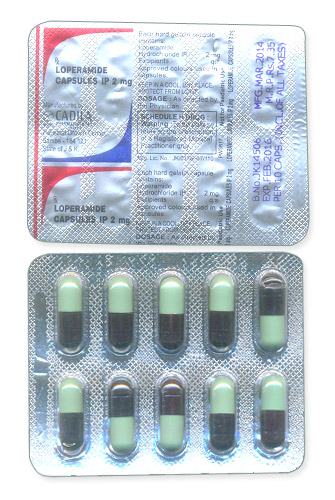
Imodium
- In our pharmacy, you can buy imodium without a prescription; it is available OTC in most countries at pharmacies and online retailers (some formulations or pediatric indications may require pharmacy-only sale or a prescription in certain jurisdictions).
- Imodium (loperamide) is used to treat acute nonspecific diarrhea, chronic diarrhea (including some IBS-related cases), and to reduce ileostomy output; it works peripherally on gut μ‑opioid receptors to slow intestinal motility and decrease stool frequency.
- Usual adult dosing for acute diarrhea: 4 mg initially, then 2 mg after each loose stool (maximum 16 mg/day). Pediatric dosing (age-dependent): typically 2 mg initially, then 1 mg after each loose stool (maximum about 6 mg/day); not for children under 2 years. Chronic dosing often starts around 4 mg/day and is titrated as needed (max 16 mg/day).
- Administered orally as tablets or capsules (2 mg), oral solution (1 mg/5 mL), or orally disintegrating films; follow product-specific instructions.
- Imodium typically begins to work within about 30–60 minutes after oral administration.
- The antidiarrheal effect commonly lasts several hours and may persist up to about 24 hours depending on dose and individual factors.
- Avoid or limit alcohol while taking imodium; alcohol can increase dizziness, worsen dehydration, and may enhance adverse effects.
- The most common side effect is constipation; other frequent effects include abdominal cramps, nausea, flatulence, and dizziness.
- Would you like to try “imodium” without a prescription?
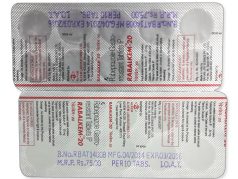
Basic Imodium Information
- INN (International Nonproprietary Name): Loperamide
- Brand Names Available In United States: Imodium; Diamode; Imodium Multi-Symptom Relief
- ATC Code: A07DA03
- Forms & Dosages: Tablets 2 mg; Capsules 2 mg; Oral Solution 1 mg/5 mL; Orally Disintegrating Film 2 mg
- Manufacturers In United States: Johnson & Johnson (Imodium brand); generic suppliers include Perrigo and Teva
- Registration Status In United States: US FDA Approved, OTC, NDA #017690
- OTC / Rx Classification: Over-The-Counter in most markets for adults and older children; some pediatric forms or larger packs may have different requirements
Key Findings From Recent Trials
Worried whether Imodium still works the way it used to for sudden diarrhea?
Recent research from 2022–2026 confirms loperamide’s reliable, rapid action for acute nonspecific diarrhea in adults.
Randomized trials and meta-analyses showed faster reduction in stool frequency and shorter transit time compared with placebo.
The clinical benefit is especially noticeable for traveler's diarrhea and other short-course uses.
Comparisons with other antidiarrheals show a modest but meaningful advantage in symptom control and speed of relief.
Safety-focused surveillance during these years highlighted rare cardiac events such as QT prolongation and arrhythmias.
Those serious risks were primarily associated with supratherapeutic dosing or when loperamide was combined with strong CYP3A4, CYP2C8, or P‑glycoprotein inhibitors.
Pediatric safety signals remain prominent, and data support the existing contraindication for children under two years of age.
Regulators responded with label and packaging changes, including unit‑dose blister restrictions to reduce overdose potential.
The bottom line is that imodium remains an effective OTC option for indicated acute diarrhea while requiring careful counseling on safe use and interactions.
Clinical Mechanism Of Action
What exactly does loperamide do when diarrhea starts?
At a simple level, loperamide slows intestinal movement so stool stays in the gut longer, allowing more water to be absorbed and producing firmer stools.
This action reduces the urgency and frequency of bowel movements without the drowsiness common to central opioids at recommended doses.
Scientifically, loperamide is a synthetic phenylpiperidine opioid related to diphenoxylate.
It acts primarily on peripheral μ‑opioid receptors in the gut to reduce enteric neuronal firing and decrease propulsive peristalsis and secretions.
Those receptor effects increase intestinal transit time and improve stool consistency.
Pharmacokinetically, systemic absorption at therapeutic doses is low because of high first‑pass metabolism and active P‑glycoprotein efflux at the blood‑brain barrier.
That explains minimal central opioid effects at usual dosing.
However, inhibitors of CYP3A4, CYP2C8, or P‑gp can raise plasma levels and increase the risk of central and cardiac adverse events.
Common formulations include 2 mg tablets or capsules and a 1 mg/5 mL oral solution, with onset of symptomatic benefit within hours.
Scope Of Approved And Off-Label Use
Can imodium be used for more than short bouts of diarrhea?
Regulators approve loperamide in the United States for acute nonspecific diarrhea in adults and children two years and older, and for reducing ileostomy output.
Chronic diarrhea in adults, including management in some patients with IBS‑D, is practiced under clinical supervision and appears on many therapeutic labels.
Off‑label trends include clinician‑directed use for chronic stool control in IBS or inflammatory bowel disease and for controlling stoma output.
Real‑world availability in travel health kits makes it a frontline OTC choice for traveler’s diarrhea self‑care.
Pediatric use is strictly limited, with contraindication under two years and reduced, weight‑based dosing for ages two to twelve.
Recent safety advisories have narrowed higher‑dose or prolonged regimens and emphasize clinician review for chronic use.
These approvals and practices explain why imodium appears both on pharmacy shelves and in prescription‑supervised plans for chronic symptoms.
Dosage Strategy
How should a person dose imodium for quick relief without risk?
For adults with acute diarrhea, start with 4 mg (two 2 mg tablets) as an initial dose, then take 2 mg after each unformed stool, up to a maximum of 16 mg per day.
For children two years and older, the usual approach is 2 mg initially, then 1 mg after each loose stool, with age‑dependent maximums (commonly up to about 6 mg/day for younger children), and never use under two years.
For chronic diarrhea or IBS‑D in adults, clinicians often begin around 4 mg daily and titrate to effect, with careful monitoring and a usual upper monitored limit of 16 mg/day.
To reduce ileostomy output, start at 4 mg and titrate to symptom control under clinical guidance.
In hepatic impairment, use the lower end of dosing because reduced metabolism can increase exposure.
Renal impairment generally does not require adjustment since fecal excretion predominates.
Oral solution (1 mg/5 mL) helps with precise pediatric dosing and titration.
If there is no improvement within 48 hours or if symptoms worsen, stop loperamide and seek medical advice.
Safety Protocols
What are the main safety warnings patients should know before using imodium?
Avoid loperamide in children under two years of age and in anyone with known hypersensitivity to the product or excipients.
Do not use when there is bloody diarrhea, high fever, acute ulcerative colitis, suspected invasive bacterial enterocolitis, or suspected C. difficile infection.
Caution is required in hepatic impairment and in elderly patients because of accumulation risk and higher constipation or ileus risk.
Common adverse effects include constipation, abdominal cramps, and nausea.
Less common complaints are flatulence, dizziness, dry mouth, and tiredness.
Rare but serious events reported include severe constipation leading to toxic megacolon, hypersensitivity reactions, and cardiac arrhythmias—particularly with overdose or interacting drugs.
Pediatric overdoses carry increased risk of CNS depression and cardiac issues, requiring urgent medical attention.
If signs of overdose or severe adverse events occur, initiate emergency care and cardiac monitoring as needed.
Interaction Mapping
Could my other medicines make imodium dangerous?
No major food restrictions are listed for routine OTC use, but large or fatty meals can change GI symptoms and perception of benefit.
Avoid mixing oral solutions with other syrups without checking dose accuracy to prevent accidental overdosing.
Key drug interactions involve inhibitors of CYP3A4, CYP2C8, and P‑glycoprotein, which can raise loperamide plasma levels and increase CNS and cardiac risks.
Examples of interacting agents include some macrolide antibiotics, azole antifungals, certain protease inhibitors, and some antidepressants or antimalarials that inhibit P‑gp or CYP pathways.
Combining loperamide with other QT‑prolonging drugs increases the risk of arrhythmias.
Avoid concurrent use with other central opioids or potent sedatives if excessive dosing is suspected.
Pharmacists should screen medication lists, especially in elderly and polypharmacy patients, and advise accordingly before OTC sale.
Patient Experience Analysis
Will imodium likely give the fast relief people expect?
Survey data and OTC consumer studies consistently show high patient satisfaction with loperamide for rapid relief of acute diarrhea.
Users commonly praise the speed of symptom control and the convenience of imodium 2 mg tablets for travel and daily life.
Reported downsides include constipation and abdominal cramping when dosing is not carefully followed.
Online forums reinforce its role in travel kits and short‑term relief, while also highlighting misuse concerns such as overuse to suppress stool frequency inappropriately.
Parents frequently ask pharmacists about pediatric dosing and safety, and pharmacists are a primary counseling resource at the OTC point of sale.
These patient signals align with regulatory emphasis on clear labeling and blister packaging changes to minimize accidental or intentional overdose.
Distribution And Pricing Landscape
Where can someone buy imodium and what formats will they find?
Imodium is the most recognized brand, produced by Johnson & Johnson, while generics are supplied by companies like Perrigo and Teva.
Products are available in 2 mg tablets and capsules, a 1 mg/5 mL oral solution, and orally disintegrating films in some markets.
Packaging varies from blister packs of 6, 12, or 24 to bottles and travel packs, with recent advisories encouraging unit‑dose blister restrictions to lower overdose risk.
Retail prices vary by brand, format, and sales channel, and generics typically offer lower per‑unit costs.
In our online pharmacy, imodium is available without a prescription, with discreet delivery to United States in 5-14 days.
Bulk travel packs remain popular with consumers preparing for trips or stocking a home first‑aid kit.
Alternative Options
What other medicines should someone consider if imodium is unsuitable?
Diphenoxylate/atropine (Lomotil) is an alternative in many markets but usually requires a prescription and can have central opioid and anticholinergic effects at higher doses.
Racecadotril (Hydrasec) targets secretory diarrhea and is available in some regions with less risk of constipation.
Bismuth subsalicylate (Pepto‑Bismol) is an OTC option with antisecretory and mild antimicrobial properties, often used for traveler's diarrhea; avoid in children with viral illness due to Reye risk.
Probiotics can be supportive adjuncts in selected cases, though evidence varies by strain and indication.
Loperamide’s pros are fast symptom control, OTC availability, and accessible pediatric oral solution for dosing.
Its cons are constipation risk, contraindications for infectious bloody diarrhea, hepatic dose cautions, and interaction‑driven safety concerns.
Regulatory Status
Is imodium regulated differently around the world?
Loperamide (ATC A07DA03) is widely approved globally and is OTC in the United States under FDA NDA #017690.
Many EU regulators and other national agencies allow OTC sale with country‑specific pediatric cutoffs and package sizes.
The Australian TGA lists loperamide as a Pharmacy Medicine (pharmacy‑only) in its scheduling system.
Recent safety reviews prompted label changes, clearer pediatric contraindications, and recommendations to restrict unit‑dose blister packaging to prevent overdose.
Pharmacovigilance continues to monitor misuse, cardiac risks at supratherapeutic doses, and pediatric safety signals.
Manufacturers and generic suppliers update product labeling and packaging to reflect these regulatory advisories.
Consolidated FAQ
Can I use Imodium for travel diarrhea?
Yes, imodium is appropriate for acute, nonbloody traveler's diarrhea in adults and in children two years and older when dosed correctly.
Is Imodium safe for children?
Imodium is contraindicated in children under two years and requires reduced, age‑appropriate dosing for ages two to twelve as per national labels.
How long can I take it?
For acute diarrhea, treatment is typically 1–2 days; stop if no improvement within 48 hours or sooner if symptoms worsen.
What about pregnancy or breastfeeding?
Data are limited and patients should discuss risks and benefits with a clinician or pharmacist before use.
What are signs of overdose?
Severe drowsiness, breathing problems, and fast or irregular heartbeat require immediate emergency care.
Can I combine it with antibiotics?
Avoid using loperamide when invasive bacterial enterocolitis or C. difficile is suspected; check for interacting drugs such as CYP3A4/CYP2C8/P‑gp inhibitors before combining medications.
Visual Guide
What visual aids help patients follow dosing and safety rules?
Suggested infographics include a dosing chart with age bands and stepwise dosing for adults and children, and a clear contraindications panel showing icons for children under two, bloody stool/high fever, C. difficile, and ulcerative colitis.
A mechanism schematic should show a gut cross‑section with peripheral μ‑opioid receptor action and minimal CNS penetration at therapeutic doses.
An interaction map can flag strong CYP3A4/CYP2C8/P‑gp inhibitors and common QT‑prolonging drugs by name.
A packaging callout should display tablets, capsules, and the 1 mg/5 mL oral solution and note unit‑dose blister recommendations.
Designer notes: use green for OK, amber for caution, and red for contraindicated; make dose numbers large and readable on mobile.
Storage And Transport
How should imodium be stored at home and handled during shipping?
Store loperamide products at controlled room temperature below 25°C, protected from moisture and heat.
Do not freeze oral liquids and keep all products out of reach of children.
Check expiration dates and safely discard expired product.
Pharmacies and shippers should avoid extreme temperatures during transport and keep oral solutions from freezing.
Blister packs and bottles belong in dry, cool stockrooms, and retailers should maintain recordkeeping for recalls or safety advisories.
For international shipments, local classification differences for pediatric formulations or larger packs should be checked in advance.
Guidelines For Proper Use
How can clinicians and consumers use imodium safely and effectively?
Confirm the patient's age and clinical features; do not give loperamide to children under two years.
Explain initial dosing: adults 4 mg initially then 2 mg after each loose stool (max 16 mg/day); children use the oral solution and follow age/weight dosing on the label.
Advise stopping after 48 hours if there is no improvement and seek medical care for bloody diarrhea, high fever, dehydration signs, or worsening symptoms.
Screen medication lists for CYP3A4/CYP2C8/P‑gp inhibitors and QT‑prolonging drugs, and suggest pharmacist consultation when risk factors exist.
In suspected overdose or if a patient develops severe constipation, abdominal distension, respiratory depression, or cardiac symptoms, seek emergency care immediately.
For persistent or recurrent diarrhea beyond 48 hours, or for very young, elderly, or immunocompromised patients, refer for medical evaluation and stool testing.
Delivery Across United States
| City | Region | Delivery Time |
|---|---|---|
| New York | Northeast | 5-7 days |
| Los Angeles | West | 5-7 days |
| Chicago | Midwest | 5-7 days |
| Houston | South | 5-7 days |
| Phoenix | West | 5-7 days |
| Philadelphia | Northeast | 5-7 days |
| San Antonio | South | 5-9 days |
| San Diego | West | 5-9 days |
| Dallas | South | 5-7 days |
| San Jose | West | 5-9 days |
| Austin | South | 5-9 days |
| Jacksonville | Southeast | 5-9 days |
| Fort Worth | South | 5-9 days |
| Columbus | Midwest | 5-9 days |