Lotrisone
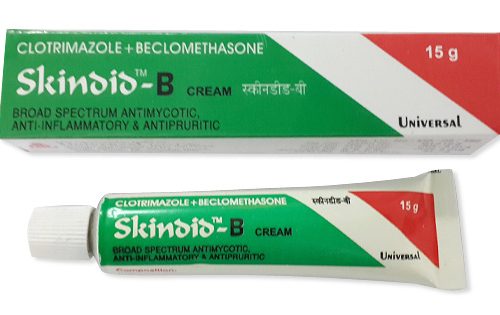
Lotrisone
- In many countries Lotrisone is officially prescription-only, but availability varies by region and some pharmacies or online vendors may supply Lotrisone without a prescription or receipt—check local regulations and the pharmacy’s policy.
- Lotrisone is used to treat fungal skin infections such as athlete’s foot, jock itch, and ringworm; it combines clotrimazole (an antifungal that inhibits fungal cell membrane synthesis) with betamethasone dipropionate (a potent topical corticosteroid that reduces inflammation and itching).
- The usual dose for adults and patients 17 years and older is to apply a thin film to the affected area twice daily (morning and evening) for up to 2 weeks for tinea corporis/cruris or up to 4 weeks for tinea pedis; do not exceed 45 g per week and avoid use in children under 17 unless specifically prescribed.
- Administration is topical—most commonly as a cream containing 1% clotrimazole and 0.05% betamethasone dipropionate (packaged in 15 g or 30 g tubes); a lotion formulation exists in some regions.
- Symptom relief from inflammation and itching often begins within 24–48 hours, though antifungal eradication may take several days to weeks depending on the infection.
- The treatment effect lasts between doses when applied twice daily; complete courses are typically up to 2–4 weeks depending on the condition, and the medication should be discontinued if no improvement is seen within the recommended period.
- There is no specific systemic alcohol interaction with topical Lotrisone, but avoid applying alcohol-based products to treated skin and exercise caution with alcohol if there is concern about systemic corticosteroid absorption from extensive or prolonged use.
- The most common side effect is local irritation such as burning, stinging, or redness at the application site.
- Would you like to try “lotrisone” without a prescription?
Basic Lotrisone Information
- INN (International Nonproprietary Name): Clotrimazole and Betamethasone Dipropionate.
- Brand Names Available In United States: Lotrisone (cream), available as 15 g and 30 g tubes.
- ATC Code: D01AC20.
- Forms & Dosages: Cream — 1% clotrimazole / 0.05% betamethasone dipropionate (0.643 mg betamethasone dipropionate per 1 g cream) in 15 g and 30 g tubes; lotion variants are country‑dependent and less common.
- Manufacturers In United States: Merck/Schering‑Plough (Lotrisone, branded) and multiple generic manufacturers, including Teva.
- Registration Status In United States: FDA‑approved; prescription (Rx) required.
- OTC / Rx Classification: Prescription Only (Rx) in major markets.
Major 2022–2026 Studies
Patients often ask whether combination therapy really shortens the itch and redness compared with antifungal alone.
Randomized and observational studies from 2022 through mid‑2024 focused on symptom relief and speed of clearance in inflammatory dermatophytoses treated with topical antifungal–corticosteroid combinations.
Clinical trials comparing clotrimazole plus betamethasone cream versus clotrimazole monotherapy consistently found faster reductions in erythema and pruritus with the combination during the early treatment days.
Many of these trials used Lotrisone or equivalent clotrimazole betamethasone formulations and measured patient‑reported discomfort at multiple time points within the first two weeks.
Real‑world cohort data through 2023 supported rapid symptomatic improvement but showed fungal eradication rates that often converged by the end of the recommended therapy duration.
These findings form the backbone of modern clinical evidence favoring short‑course use of combination antifungal steroid creams when inflammation is prominent.
Main Outcomes
Clinicians frequently want to know what to expect in the first week of treatment.
Combination cream studies showed faster symptomatic relief with clotrimazole/betamethasone compared with clotrimazole alone, particularly on itch and visible redness.
Mycological cure rates tended to be similar at recommended durations: up to two weeks for tinea corporis and cruris, and up to four weeks for tinea pedis.
Trials emphasized adherence to maximum dosing and proper product strength, noting that the standard 1% clotrimazole / 0.05% betamethasone dipropionate formulation delivers predictable topical efficacy when used as labeled.
Patients who reported faster relief were more likely to complete a short, supervised course, which supports combined therapy for inflamed lesions in appropriately selected adults.
Safety Observations
Safety monitoring across trials and post‑marketing surveillance highlighted recurrent misuse patterns linked to adverse steroid effects.
Prolonged use beyond label limits and pediatric self‑medication were common reasons for reports of skin thinning and HPA axis concerns.
Systemic absorption from topical Lotrisone is generally minimal under recommended use, but increases when applied to large areas, under occlusion, or in children under 17 years.
Local adverse events included burning, stinging, dryness, folliculitis, and, with extended exposure, skin atrophy.
Regulators and clinicians caution strict adherence to duration limits to avoid systemic corticosteroid effects and rebound flares after inappropriate long‑term use.
Layman’s Explanation
What patients really want to know is how this cream helps and whether it’s safe to use for itchy, red fungal rashes.
Lotrisone combines an antifungal that fights the fungus with a steroid that reduces inflammation and itch, so people usually feel better faster than with antifungal alone.
The antifungal component treats the underlying infection while the steroid component calms redness and discomfort.
Because the steroid can hide symptoms, it should be used only for the short periods recommended on the label so the infection is fully treated and not masked.
Scientific Breakdown
Pharmacology clarifies why the combination gives faster symptomatic relief but requires caution about duration.
Clotrimazole at 1% is an imidazole antifungal that inhibits ergosterol synthesis in fungal cell membranes, disrupting membrane integrity and fungal growth.
Betamethasone dipropionate at 0.05% (0.643 mg per gram of cream) is a potent topical corticosteroid that binds glucocorticoid receptors in skin cells to reduce cytokine production and inflammatory cell infiltration.
Together, clotrimazole provides fungistatic or fungicidal action while betamethasone reduces inflammatory symptoms quickly.
Topical administration limits systemic exposure, though systemic absorption increases with large‑area or occluded use and in children, so follow label guidance on maximums and duration.
United States Approvals
Prescribers ask whether Lotrisone is acceptable first‑line for every fungal rash.
Lotrisone (clotrimazole 1% / betamethasone dipropionate 0.05%) is FDA‑approved in the United States as a prescription topical cream for inflammatory fungal skin infections such as tinea corporis, tinea cruris, and tinea pedis when inflammation or pruritus is present.
The official dosing is a thin film applied twice daily, with up to two weeks for tinea corporis and cruris and up to four weeks for tinea pedis.
The label also sets a maximum amount of 45 g per week to limit steroid exposure and systemic absorption.
Notable Off‑Label Trends
Readers frequently see combination creams used outside labeled durations and wonder about safety.
Clinicians sometimes prescribe short courses of combination cream off‑label to speed symptom relief when inflammation is pronounced, but extended or repeated use is discouraged because of steroid risks.
Generics marketed as “Clotrimazole and Betamethasone Dipropionate Cream” expand access in many regions and lead to variable prescribing patterns.
Reported misuse is most frequent in pediatric populations and in settings where prescription oversight is bypassed, heightening concerns about HPA axis suppression in children under 17 years.
General Dosing
Common patient questions center on how much cream to use and for how long.
For adults and patients 17 years and older, apply a thin film of Lotrisone cream to the affected area twice daily, morning and evening.
Do not exceed 45 g per week and avoid occlusion or applying to large surface areas to minimize systemic corticosteroid absorption.
Follow the product labeling on duration limits and stop the cream if there is no improvement within the prescribed timeframe.
Condition‑Specific Dosing
People worry about athletes and foot infections needing longer therapy than jock itch or ringworm.
Tinea corporis and tinea cruris: Apply twice daily for up to two weeks and monitor for resolution of rash and itch.
Tinea pedis: Apply twice daily for up to four weeks; interdigital infections may require follow‑up with topical antifungal monotherapy per clinical practice patterns.
Special populations: Safety and efficacy are not established for children under 17 years, so avoid unless specifically prescribed, and monitor elderly patients for skin atrophy with regular inspection.
Contraindications
Before prescribing or recommending, clinicians must rule out key contraindications.
Do not use Lotrisone in patients with known hypersensitivity to clotrimazole, betamethasone dipropionate, or any component of the formulation.
Do not apply to the eyes, oral mucosa, or intravaginal areas.
Topical steroid content mandates clinician oversight and prescription status in major markets due to potential systemic effects when misused.
Adverse Effects
Patients commonly ask what side effects to expect and when to stop the cream.
Frequent local reactions include burning, stinging, irritation, dryness, redness, pruritus, maceration, folliculitis, and acneiform eruptions.
Prolonged or excessive use can cause skin atrophy and increase the risk of systemic corticosteroid effects including HPA axis suppression, though typical short‑term topical use yields minimal systemic uptake.
If unexpected widespread thinning, persistent irritation, or systemic signs develop, discontinue use and seek medical assessment.
Food Interactions
Patients often ask whether diet affects topical treatments.
No food–drug interactions are expected with Lotrisone because it is applied topically and systemic absorption is minimal under recommended use.
Standard eating, alcohol, or dietary supplements do not change how the cream works in the skin.
Drug Combinations To Avoid
Combining topical agents can increase steroid exposure or irritate the skin.
Avoid applying other topical corticosteroids to the same area while using Lotrisone, as this increases cumulative steroid exposure and related risks.
Use caution with products that disrupt the barrier, like strong keratolytics (salicylic acid) or chemical peels, which can increase steroid absorption.
Do not mix other antifungal preparations on the same lesion unless instructed by a clinician.
Survey Data
What do real patients say after using the cream for jock itch or athlete’s foot?
Survey evidence and real‑world reports show that rapid symptomatic relief — particularly less itch and reduced redness — is the most cited benefit of Lotrisone and similar clotrimazole–betamethasone combinations.
Faster comfort restoration often improves short‑course adherence compared with antifungal monotherapy, which can reduce early drop‑out rates.
Negative feedback centers on transient burning or stinging, residue after application, and concerns about steroid exposure when used longer than advised.
Forum Trends
Online communities often share tips, but they also record patterns of misuse.
Many forums report satisfactory short‑term results for athlete’s foot, jock itch, and ringworm with combination cream use.
Repeated themes include extended courses beyond label recommendations, application to facial or mucosal areas, and pediatric use without medical advice — practices linked to adverse effects such as skin thinning or rebound flares.
These community reports align with regulatory cautions and underscore the need for clinician supervision in Rx settings.
Quick Reference Visuals (Described)
Tube Packaging & Strengths
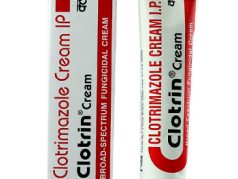
Show 15 g and 30 g tubes labeled “Clotrimazole 1% / Betamethasone Dipropionate 0.05% (0.643 mg/g)” with Lotrisone branding in the United States and Lotriderm or PMS variants in other markets.
Application Map
Illustrate a thin layer covering the lesion and a small margin, avoiding mucous membranes such as the eyes, mouth, and intravaginal areas.
Highlight caution zones like large surface areas and occluded folds where steroid absorption increases.
Dosing Calendar Graphic
Display twice‑daily application slots for up to two weeks (tinea corporis/cruris) and up to four weeks (tinea pedis), with a prominent weekly cap of 45 g.
Safety Iconography
Include a pediatric warning for under 17 years, a hypersensitivity contraindication symbol, and a storage thermometer showing 20–25°C.
Storage & Transport
Store Lotrisone cream at 20–25°C (68–77°F) and avoid freezing to preserve the clotrimazole and corticosteroid components.
Ship in temperature‑controlled conditions when prolonged exposure to extreme heat or cold is likely, and rotate stock using earliest expiration first.
Prescriber Checklist
Confirm the diagnosis of inflammatory superficial fungal infection before prescribing and consider mycologic confirmation if diagnosis is uncertain.
Verify patient age (safety not established under 17 years) and pregnancy or lactation status, and weigh risks versus benefits for steroid exposure.
Patient Counseling Points
Advise patients to apply a thin film twice daily and to stop if there is no improvement within the prescribed duration.
Explain that symptom relief can be rapid but completing the antifungal course as directed reduces recurrence risk.
Warn against sharing medication and instruct on proper storage at room temperature.
Distribution And Pricing Landscape
Shoppers often ask whether the branded cream is the only option and how much it costs.
Lotrisone is available as a branded prescription product in the United States in 15 g and 30 g tubes, with multiple generic clotrimazole and betamethasone dipropionate cream products available from manufacturers such as Teva.
Branded Lotrisone generally carries a higher retail cost, while generics lower out‑of‑pocket prices and increase access.
Insurance coverage varies by plan and prescription status affects point‑of‑sale distribution, but prior authorization is uncommon.
Pharmacies typically stock the 1%/0.05% cream strengths; lotion variants are less common and often region dependent.
In our online pharmacy, lotrisone is available without a prescription, with discreet delivery to United States in 5-14 days.
Supply Chain Notes
Major distributors and generic manufacturers, including Cipla and regional suppliers, supply global markets, but product naming varies by country.
Check national regulators for local brand availability since Lotrisone/Lotriderm are not uniformly marketed everywhere.
Alternative Options
Comparison Table
When inflammation is mild or steroid exposure is a concern, consider antifungal monotherapy or milder steroid combinations.
Clotrimazole monotherapy is an antifungal‑only option with fewer steroid risks and is available OTC in many countries.
Topical terbinafine is fungicidal, effective, and available OTC in many markets, but is less anti‑inflammatory than combination creams.
Miconazole with hydrocortisone offers a milder steroid alternative in some regions and may be useful when potent steroids are not desired.
Regional alternatives, such as Travocort (isoconazole/triamcinolone) in Europe, provide a similar strategy but availability depends on the market.
Pros And Cons
Combination creams like Lotrisone offer fast symptomatic relief but carry steroid risks and are limited to short durations.
Antifungal monotherapy avoids steroid‑related adverse effects and is preferred for uncomplicated, noninflamed infections or for long‑term management.
Regulatory Status
Lotrisone is FDA‑approved and prescription only in the United States, and Health Canada lists Rx status for analogous products.
Europe and other regions vary in availability of the Lotrisone or Lotriderm names; many countries rely on generics or different branded combinations.
Because of the corticosteroid component, manufacturers and regulators classify the product as Rx‑only in major markets to ensure medical oversight and prevent misuse.
Consolidated FAQ
Q: What is Lotrisone?
A: Lotrisone is a prescription topical cream combining clotrimazole 1% (antifungal) and betamethasone dipropionate 0.05% (steroid) for inflammatory fungal skin infections.
Q: How should it be applied?
A: Apply a thin film twice daily; up to two weeks for tinea corporis/cruris and up to four weeks for tinea pedis; do not exceed 45 g per week.
Q: Can children use it?
A: Safety and efficacy have not been established in those under 17 years; avoid use unless explicitly prescribed by a clinician.
Q: What are common side effects?
A: Local burning, stinging, redness, dryness, folliculitis, and skin atrophy with prolonged use; systemic steroid effects are possible with excessive application.
Q: Is it available OTC?
A: In major markets such as the United States and Canada, Lotrisone is prescription only, though generics vary by country.
Q: Are there alternatives?
A: Yes; antifungal monotherapy like clotrimazole or terbinafine and milder steroid combinations are alternatives depending on inflammation and patient factors.
Q: How should it be stored?
A: Store at 20–25°C (68–77°F) and avoid freezing.
Storage And Transport
Keep tubes tightly closed and out of reach of children, storing at controlled room temperature between 20 and 25°C (68–77°F).
Avoid freezing and prolonged exposure to temperatures above 25°C to preserve potency of both clotrimazole and betamethasone dipropionate.
When shipping to patients, use temperature‑controlled methods during extreme weather and rotate stock to use earliest expiration first.
Instruct patients to discard unused cream according to local pharmaceutical disposal guidelines and to never share prescription topical products.
Guidelines For Proper Use
Prescriber Checklist
Confirm an inflammatory superficial fungal infection and consider laboratory confirmation if the diagnosis is unclear.
Verify patient age and pregnancy or lactation status before prescribing; avoid use in those under 17 years unless a specialist deems it essential.
Prescribe the cream twice daily at a thin layer and specify duration limits on the prescription: up to two weeks for tinea corporis/cruris, up to four weeks for tinea pedis, and a weekly cap of 45 g.
Document counseling about avoiding facial, ocular, intravaginal, or large‑area use and instruct on signs that require reassessment.
Patient Counseling Points
Advise patients to apply only a thin film to affected areas twice daily and to stop if there is no improvement during the prescribed period.
Explain that symptom relief may appear quickly but completing therapy as directed reduces the risk of recurrence.
Warn about local side effects and signs of systemic steroid exposure, and instruct patients to call for worsening, spreading, or new lesions.
Remind patients that Lotrisone is prescription only in major markets and should not be shared with others.
Delivery Across United States
| City | Region | Delivery Time |
|---|---|---|
| New York | Northeast | 5-7 days |
| Los Angeles | West | 5-7 days |
| Chicago | Midwest | 5-7 days |
| Houston | South | 5-7 days |
| Phoenix | West | 5-7 days |
| Philadelphia | Northeast | 5-7 days |
| San Antonio | South | 5-7 days |
| San Diego | West | 5-7 days |
| Dallas | South | 5-7 days |
| San Jose | West | 5-7 days |
| Austin | South | 5-9 days |
| Jacksonville | Southeast | 5-9 days |
| Fort Worth | South | 5-9 days |
| Columbus | Midwest | 5-9 days |
| Charlotte | Southeast | 5-9 days |
Final Notes For Clinicians And Patients
When used as labeled, Lotrisone offers rapid symptomatic relief for inflamed tinea infections while the antifungal treats the organism.
Strict adherence to the 45 g per week maximum and duration limits reduces the risk of local and systemic corticosteroid adverse effects.
Reserve combination therapy for short‑term control of symptomatic inflammatory infections, and prefer antifungal monotherapy for uncomplicated, noninflamed cases.
Monitor elderly patients for skin thinning and avoid use in children under 17 years unless a specialist prescribes it with monitoring.
For any unclear or worsening cases, obtain dermatology consultation and consider mycologic confirmation prior to extended therapy.