
Clotrimazole
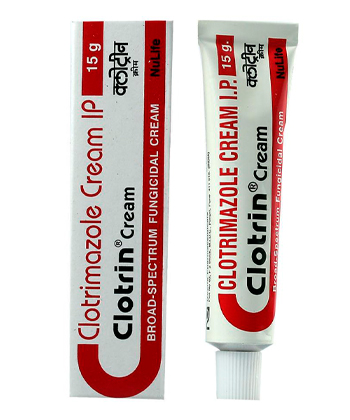
Clotrimazole
- In our pharmacy, you can buy clotrimazole without a prescription (OTC); available as creams, lotions, powders, vaginal tablets and lozenges with delivery in 5–14 days within the United States and discreet packaging.
- Clotrimazole is used to treat superficial fungal infections such as athlete’s foot, ringworm, jock itch, vulvovaginal candidiasis and oropharyngeal thrush; it is an imidazole antifungal that inhibits fungal 14α‑demethylase, disrupting ergosterol synthesis and damaging the fungal cell membrane.
- Usual dosages: topical 1% cream applied 2–3 times daily for 2–4 weeks; vulvovaginal options include 100 mg intravaginal tablet nightly for 6 nights or a single 500 mg dose; oropharyngeal lozenge typically 10 mg dissolved 5 times daily for about 14 days.
- Forms of administration include topical (cream, lotion, solution, powder), vaginal tablet/ovule, and oral lozenge (troche).
- Onset time: symptoms often begin to improve within 24–72 hours, though noticeable antifungal effects and symptom resolution may take several days.
- Duration of action: there is no long systemic duration—treatment effect depends on course length (topical courses commonly 2–4 weeks; vaginal treatment 1–6 days depending on product); continue recommended course to prevent relapse.
- Alcohol warning: there is no specific alcohol prohibition for topical or vaginal clotrimazole, but avoid excessive alcohol if you have liver disease or are taking other systemic antifungals; consult your healthcare provider if unsure.
- The most common side effec is local skin irritation (burning, itching, redness or rash).
- Would you like to try clotrimazole without a prescription?

Basic Clotrimazole Information
- INN (International Nonproprietary Name): Clotrimazole
- Brand Names Available In United States: Lotrimin®, Mycelex®, Cruex, Clotrim AF, Gyne-Lotrimin — available as 1% creams, solutions, and lozenges.
- ATC Code: D01AC01 (topical), G01AF02 (vaginal use)
- Forms & Dosages: Creams 1% and 2%; topical solutions, lotions, and dusting powders 1%; vaginal tablets 100 mg and 500 mg; lozenges/troches 10 mg (where marketed).
- Manufacturers In United States: Major global and national suppliers include Bayer (Canesten globally), Schering‑Plough (Gyne‑Lotrimin), GSK, Fougera, Taro, Teva, Merck, and multiple generic manufacturers.
- Registration Status In United States: Widely available OTC and by prescription as indicated; FDA approved for topical use.
- OTC / Rx Classification: Most 1% topical creams, solutions, and dusting powders are OTC; some vaginal formulations or combination products may be Rx depending on the product.
Key Findings From Recent Trials
Worried whether clotrimazole still works the way it used to?
Major 2022–2026 Studies
Recent literature focused on antimicrobial resistance surveillance, optimization of vaginal dosing, and combination products for inflammatory mixed infections.
Trials and surveillance reports emphasized outcomes for topical 1% formulations and vaginal 100 mg versus 500 mg regimens rather than new head‑to‑head systemic breakthroughs.
Main Outcomes
Topical 1% clotrimazole formulations maintained consistent clinical cure rates for common superficial mycoses such as tinea and candidal skin infections.
Single 500 mg vaginal clotrimazole tablets remained effective for uncomplicated vulvovaginal candidiasis, while multi‑night 100 mg regimens showed similar efficacy with improved tolerability in some groups.
Combination antifungal plus steroid products showed benefit for inflammatory mixed presentations when used short term and under supervision.
Safety Observations
Studies continued to show minimal systemic absorption after topical and intravaginal application, which aligns with historic safety data.
Local irritation such as burning or itching was the most frequently reported adverse effect across trials.
Serious systemic adverse events were rare, but monitoring is advised if large‑area, prolonged, or off‑label application occurs.
Clinical Mechanism Of Action
Curious how clotrimazole actually kills fungus without hurting you?
Layman’s Explanation
Clotrimazole damages the fungal cell membrane so fungal cells leak and stop working, which helps clear skin, mouth, or vaginal yeast infections when applied directly to the site.
Scientific Breakdown
Clotrimazole is an imidazole antifungal that inhibits lanosterol 14α‑demethylase, a CYP51 enzyme in the ergosterol synthetic pathway.
Blocking ergosterol synthesis disrupts membrane fluidity and function, impairing nutrient transport and cellular integrity.
At lower concentrations the effect is mainly fungistatic and at higher local concentrations it can be fungicidal for susceptible yeasts.
Pharmacokinetics (Topical/Vaginal)
Systemic absorption from topical and intravaginal routes is minimal, and local tissue concentrations typically exceed MICs for common dermatophytes and Candida species.
Resistance Mechanisms
Surveillance reports note resistance can arise from reduced target affinity, enhanced efflux pump activity, and biofilm formation in some Candida isolates.
The ATC classification D01AC01 (topical) and G01AF02 (vaginal) reflects its imidazole mechanism and dermatological/gynecological uses.
Scope Of Approved And Off‑Label Use
Can clotrimazole treat everything from jock itch to oral thrush?
United States Approvals
Clotrimazole is FDA‑approved for topical dermatophyte and Candida infections, with many 1% products available OTC.
Vaginal candidiasis treatments are available as 100 mg and 500 mg intravaginal tablets, sold under brands such as Gyne‑Lotrimin and Canesten in various markets.
Notable Off‑Label Trends
Clinicians sometimes extend topical courses for chronic intertrigo or mixed eczematous‑fungal presentations, and combination products with corticosteroids are used short term for inflammatory infections.
Clotrimazole lozenges have been used for oral thrush where available, and veterinary use for ringworm in pets is also reported.
Dosage Strategy
Which formulation and schedule will clear symptoms fastest without extra risk?
General Dosing
Use the lowest effective topical concentration, commonly 1%, applied to the affected area 2–3 times daily until clearance, and continue for at least two weeks after symptom resolution for dermatophytes.
Topical options include creams, lotions, solutions, and dusting powders in 1% strength; vaginal tablets come as 100 mg (multi‑night) or single 500 mg dosing.
Condition‑Specific Dosing
Tinea corporis, pedis, and cruris are usually treated with 1% cream twice daily for 2–4 weeks, and continued two weeks after symptoms resolve.
Vulvovaginal candidiasis options include 100 mg intravaginal nightly for six nights or a single 500 mg intravaginal tablet depending on product and patient preference.
Oropharyngeal candidiasis lozenges, where marketed, are typically 10 mg troches dissolved five times daily for up to 14 days or until 48 hours after symptom resolution.
Children under 2 should use topical clotrimazole only under provider supervision, and elderly patients usually require no dose adjustment.
Monitor prolonged, large‑area use for irritation and the small risk of increased systemic exposure.
Safety Protocols
What should make you stop treatment or call a clinician?
Contraindications
Known hypersensitivity to clotrimazole or other imidazoles is an absolute contraindication.
Clotrimazole must never be used in the eyes; avoid ophthalmic exposure.
Use with caution on broken or inflamed skin because absorption may increase.
Adverse Effects
Topical adverse effects include local irritation, burning, redness, itching, peeling, rash, or blistering.
Vaginal use may cause burning, itching, pelvic cramps, or abnormal vaginal discharge in some patients.
Serious systemic adverse events after topical or intravaginal use are rare given minimal systemic absorption.
If severe hypersensitivity occurs, stop the product and seek medical care; treat minor irritation symptomatically or switch to an alternative antifungal if needed.
Interaction Mapping
Will clotrimazole mess with the medications you already take?
Food Interactions
There are no meaningful food interactions for topical or intravaginal clotrimazole, so no dietary restrictions are required.
Drug Combinations To Avoid
Systemic interactions are uncommon with topical or vaginal use because systemic absorption is negligible.
Caution is advised if very large areas are treated, or if oral/systemic azole formulations are used, because imidazoles can inhibit hepatic CYP enzymes and affect drugs metabolized by CYP3A4 or CYP2C19.
Avoid combining clotrimazole with other irritating topical agents, such as strong keratolytics, unless directed by a clinician.
Combination products that include a corticosteroid can be useful short term but should not be used long term due to atrophy risk and possible masking of infection.
Patient Experience Analysis
Do patients feel better quickly, and what do online reviews say?
Survey Data
Patient surveys show rapid improvement in itching and burning within days when using topical clotrimazole or single‑dose vaginal regimens.
Satisfaction is generally high for branded products such as Lotrimin or Gyne‑Lotrimin and for generic 1% creams that offer value.
Forum Trends
Many forum posts praise the convenience of a single 500 mg vaginal tablet over multi‑night 100 mg regimens, while others report transient local irritation or slow resolution in chronic cases.
Negative threads often involve recurrent symptoms or misdiagnosed skin conditions where antifungal therapy alone is insufficient.
Common adherence barriers include messy creams, dosing frequency, and failure to complete the full recommended duration.
Distribution And Pricing Landscape
How easy is it to buy clotrimazole and how much will it cost?
Clotrimazole 1% topical products are widely available OTC across retail chains and e‑pharmacies, which keeps pricing competitive and generics plentiful.
Major manufacturers and generic producers maintain broad supply through retail pharmacies like Walgreens and online sellers.
Some vaginal combination products or higher‑strength formulations may be prescription only in particular markets, affecting cost and insurance coverage.
Market demand is stable for affordable generics, with occasional local shortages tied to manufacturing or regulatory changes.
In our online pharmacy, clotrimazole is available without a prescription, with discreet delivery to United States in 5-14 days.
Alternative Options
When clotrimazole isn’t the best choice, what else should you consider?
Comparison Table (Narrative)
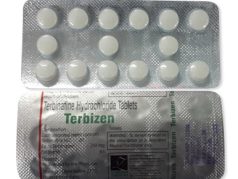
Terbinafine (allylamine) is fungicidal against dermatophytes and commonly clears tinea faster with shorter topical courses, but it is less active against Candida species compared with clotrimazole.
Miconazole (an imidazole) has a spectrum similar to clotrimazole with comparable topical efficacy for dermatophytes and Candida, and is widely available OTC.
Ketoconazole (imidazole) offers broader antifungal activity, and topical forms are useful for seborrheic dermatitis, but oral ketoconazole has safety concerns such as hepatotoxicity.
Econazole and tioconazole are alternative imidazoles used regionally with similar profiles.
Pros And Cons
Clotrimazole pros include broad activity against dermatophytes and Candida, established topical and intravaginal safety, abundant OTC availability, and low cost as a generic.
Cons include sometimes slower clinical resolution for dermatophyte infections compared with terbinafine and a risk of local irritation in a minority of users.
Choice of agent depends on the suspected pathogen, site of infection, patient tolerance, and convenience factors such as a single 500 mg vaginal tablet versus multi‑night regimens.
Regulatory Status
Is clotrimazole regulated differently across regions?
Clotrimazole has a broad regulatory footprint with many 1% topical formulations and vaginal products available OTC in the United States and Canada, and similar OTC availability across much of Europe.
ATC codes D01AC01 and G01AF02 classify clotrimazole as an imidazole derivative for dermatological and gynecological uses.
National authorities monitor adverse events, especially allergy reports and misuse alongside corticosteroids, and rare systemic exposure from improper application.
Consolidated FAQ
What are the quick answers people ask most?
Is clotrimazole safe in pregnancy? Topical and intravaginal use is generally considered safe, but consult your healthcare provider.
Can I use it for ringworm? Yes; apply 1% topical cream to the affected area 2–3 times daily for 2–4 weeks and continue two weeks after symptoms resolve.
Which vaginal regimen is better, 100 mg nightly x6 or single 500 mg? Both are effective; single 500 mg is convenient while 100 mg nightly for six nights can be better tolerated by some patients.
Are there major drug interactions? Minimal for topical and vaginal forms; systemic interactions are more relevant to oral azoles.
What if symptoms persist? Reassess the diagnosis, consider mycologic testing or an alternative antifungal such as terbinafine for dermatophytes, and avoid inappropriate corticosteroid use.
Visual Guide
What images help patients use clotrimazole correctly?
Include a packaging variants grid showing Lotrimin, Gyne‑Lotrimin, Canesten, and common generics with tube and box sizes for 1% creams and 100/500 mg vaginal tablets.
Provide application diagrams that show the proper margins for topical cream use on tinea corporis and stepwise intravaginal insertion for tablets.
Create a mechanism schematic showing the ergosterol biosynthesis pathway with lanosterol 14α‑demethylase inhibited by clotrimazole.
Add side‑effect callouts with icons for common local reactions and short instructions to stop treatment if severe symptoms occur.
Include storage iconography advising storage below 25°C and to avoid freezing.
Storage And Transport
How should clotrimazole be stored at home and in transit?
Store clotrimazole formulations below 25°C (77°F), protected from moisture and direct sunlight, and do not freeze creams or lotions.
Keep products tightly closed in their original containers and follow manufacturer expiry dates.
Transport products in temperature‑controlled conditions if ambient exposure risks exceed recommended ranges and avoid prolonged heat during retail or courier transit.
Advise patients to store vaginal tablets and lozenges away from children and to keep topical products separate from ophthalmic items to avoid accidental eye exposure.
Guidelines For Proper Use
What checklist will help clinicians and patients get the best outcome?
Confirm diagnosis with KOH microscopy or culture for atypical or recurrent cases before prolonged therapy.
Choose the formulation by site: topical 1% cream or powder for skin tinea, 100 mg or 500 mg intravaginal tablets for vulvovaginal candidiasis, and lozenges for oral thrush where available.
For tinea, apply 1% cream 2–3 times daily for 2–4 weeks and continue two weeks after clinical resolution.
For vulvovaginal candidiasis, use 100 mg nightly for six nights or a single 500 mg tablet according to product directions and patient preference.
Counsel patients to complete the full course, avoid concurrent topical corticosteroids unless clearly indicated, and stop treatment for severe irritation or allergy.
Supervise pediatric use under two years and consult specialists for immunocompromised patients or systemic disease.
Document brand, lot, and patient response as part of routine pharmacovigilance.
Delivery Across United States
| City | Region | Delivery Time |
|---|---|---|
| New York | New York | 5-7 days |
| Los Angeles | California | 5-7 days |
| Chicago | Illinois | 5-7 days |
| Houston | Texas | 5-7 days |
| Phoenix | Arizona | 5-7 days |
| Philadelphia | Pennsylvania | 5-7 days |
| San Diego | California | 5-7 days |
| Dallas | Texas | 5-7 days |
| San Jose | California | 5-7 days |
| San Antonio | Texas | 5-9 days |
| Austin | Texas | 5-9 days |
| Jacksonville | Florida | 5-9 days |
| Fort Worth | Texas | 5-9 days |
| Columbus | Ohio | 5-9 days |
| Charlotte | North Carolina | 5-9 days |