
Hydroquinone
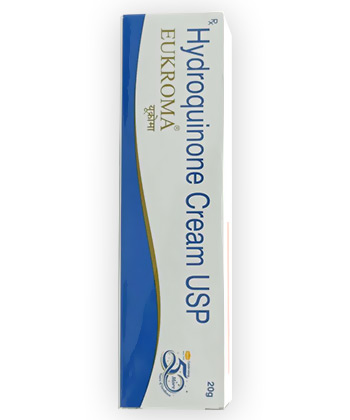
Hydroquinone
- In our pharmacy, you can buy hydroquinone without a prescription, with availability varying by country and strength; in some regions 2% products may be sold OTC, while 4% and higher strengths are often prescription-only. Please check local regulations before purchase.
- Hydroquinone is used to treat melasma, hyperpigmentation, lentigines, age spots, and post-inflammatory hyperpigmentation. It works by inhibiting tyrosinase, which reduces melanin production and helps lighten dark patches of skin.
- The usual dose of hydroquinone is a thin layer of 2% to 4% cream applied to the affected area 1 to 2 times daily, depending on the condition and product strength.
- The form of administration is topical cream, gel, or lotion; it is applied directly to the skin, avoiding the eyes, mouth, and broken or irritated skin.
- The effect of hydroquinone usually starts gradually, with visible improvement often appearing after 4 to 8 weeks of regular use.
- The duration of action is typically 2 to 4 months for melasma and hyperpigmentation, and treatment should generally not be continued beyond 4 to 6 months without medical supervision.
- Do not drink alcohol directly with hydroquinone, but excessive alcohol use may worsen skin health and interfere with treatment adherence; there is no major direct interaction known with topical use.
- The most common side effects are redness, mild burning or stinging, dryness, peeling, and temporary skin lightening. Less commonly, allergic or irritant dermatitis may occur.
- Would you like to try hydroquinone without a prescription?
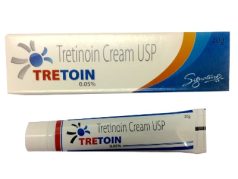
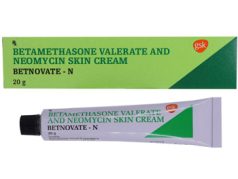
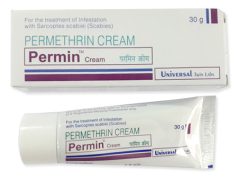
Basic Hydroquinone Information
- INN (International Nonproprietary Name): Hydroquinone
- Brand names available in United States: Eldoquin, Lustra, Melanex, Melquin
- ATC Code: D11AX11
- Forms & dosages: Cream 2%, 4%, 5%; Gel 2%, 4%; Lotion 2%, 4%; Combination products with tretinoin, corticosteroids, and sunscreen
- Manufacturers in United States: Valeant Pharmaceuticals, Obagi, Ranbaxy
- Registration status in United States: >2% strengths are prescription only; ≤2% strengths may be OTC pending new FDA rules
- OTC / Rx classification: Prescription in most regulated markets at 2% to 4% and higher; OTC status for ≤2% in some regions
Hydroquinone for Hyperpigmentation: What Recent Evidence Says
Major 2022–2026 Studies
Patients usually ask one simple question first.
Does hydroquinone still work, or has it been replaced by newer brightening agents.
Recent dermatology literature continues to support hydroquinone as a first-line topical depigmenting option for melasma, post-inflammatory hyperpigmentation, and solar lentigines, especially in 2% to 4% strengths.
The pattern across trials is consistent.
Hydroquinone cream works best when strict photoprotection is part of the plan, and refractory melasma often responds better when hydroquinone is paired with tretinoin and a corticosteroid in a supervised triple-combination approach.
Main Outcomes
Studies consistently show faster pigment reduction than vehicle creams or weaker lighteners.
That advantage is most noticeable in epidermal melasma and localized dark spots, where a hydroquinone skin lightener can produce visible fading over weeks rather than months.
For patients using a cream for dark spots after acne or irritation, the response is often better when the spots are confined to the surface layers of skin.
Safety Observations
The main safety issue remains irritation.
Long-term or high-strength use can rarely lead to exogenous ochronosis, which is one reason clinicians avoid open-ended treatment.
The current evidence supports short, supervised courses rather than indefinite use, with sunscreen as part of every melasma treatment plan.
How Hydroquinone Works On Skin Pigment
Layman’s Explanation
Hydroquinone reduces the appearance of dark patches by slowing the skin’s production of melanin, the pigment that gives skin its color.
It is used only on the skin, not by mouth, and it is meant to lighten specific areas with excess pigment rather than the whole face.
Scientific Breakdown
Hydroquinone is a phenol derivative and benzenediol compound.
As a tyrosinase inhibitor, it interferes with melanogenesis and melanocyte activity, which is why it is classified in ATC code D11AX11 in the dermatologicals group.
Why It Is Effective
Because it acts upstream in pigment formation, hydroquinone can outperform many cosmetic brighteners in clinically meaningful skin pigmentation problems.
Why Supervision Matters
The same biologic activity that makes hydroquinone effective also explains why irritation can happen.
That is also why chronic misuse can create pigment complications that are harder to fix than the original dark spots.
Approved Use And Common Off-Label Dermatology Patterns
United States Approvals
In the U.S., hydroquinone is commonly used for hyperpigmentation and melasma, with 2% and 4% cream strengths widely recognized.
Based on the product data, 2% strengths are generally more accessible, while strengths above 2% are prescription only under current market rules.
For many shoppers comparing hydroquinone prescription options, brand names such as Eldoquin, Lustra, Melanex, and Melquin are the ones they see most often.
Notable Off-Label Trends
Dermatologists also use hydroquinone off-label for post-inflammatory hyperpigmentation, age spots, and difficult melasma cases.
Triple combination creams remain a major pattern in India, MENA, and Latin America, and they are also seen in complex U.S. melasma care.
Common Branded Examples
Examples from the product data include Eldoquin, Lustra, Melanex, Melquin, and Obagi-related formulations.
Use Boundaries
Use is typically short-term and site-specific rather than full-face indefinite treatment.
For patients asking how to buy hydroquinone ointment online, the practical issue is usually concentration and local regulations, not just brand preference.
Dosing Strategy By Condition
General Dosing
Standard topical use is a thin layer applied to cleansed affected skin, usually 1 to 2 times daily depending on the condition and clinician direction.
SPF 30+ sunscreen is essential because photoprotection strongly affects treatment success.
Condition-Specific Dosing
For melasma and hyperpigmentation, the typical strength is 2% to 4% cream for 2 to 4 months, then reassess.
For lentigines and age spots, use is often once daily for up to 3 months.
For post-inflammatory hyperpigmentation, treatment may continue for 2 to 6 months with monitoring.
Adjustments By Patient Group
Safety in children under 12 years has not been established.
No formal dose adjustment exists for older adults, but skin sensitivity may be higher.
Practical Rules
Do not apply to broken, irritated, or sunburned skin.
Avoid the eyes and mucous membranes.
If a patient is using hydroquinone cream 4% for the first time, a thin layer is the safest place to start unless a prescriber gives a different plan.
Safety Protocols And Contraindications
Contraindications
Hydroquinone should not be used in patients with known allergy or hypersensitivity to hydroquinone or excipients.
It is also contraindicated on eczema, broken skin, or recently sunburned skin.
Pregnancy and breastfeeding require specialist oversight because controlled safety data are limited.
Adverse Effects
Common effects include redness, mild burning, stinging, dryness, and peeling.
More serious reactions can include allergic contact dermatitis, irritant dermatitis, nail discoloration, and rare exogenous ochronosis with long-term or high-strength use.
Monitoring Priorities
Patients with psoriasis, atopic dermatitis, prior phenol or resorcinol reactions, or vitiligo need extra caution.
Hazard Context
The provided hazard information notes possible allergic skin reactions, serious eye damage, suspected genetic defects and cancer, and aquatic toxicity.
That does not mean every short course is unsafe, but it does mean hydroquinone skin lightener products deserve respect and clear instructions.
Interactions, Combinations, And What To Avoid
Food Interactions
No meaningful food interactions are typically reported for topical hydroquinone because it is used on the skin, not taken orally.
Drug Combinations To Avoid
Avoid layering hydroquinone with other irritating actives unless a clinician has specifically recommended it, especially strong retinoids, exfoliating acids, or unplanned steroid use.
Hydroquinone is often combined intentionally with tretinoin and corticosteroids in triple-combination products, but those should be supervised.
Combination Therapy Logic
The combination can improve penetration and efficacy in melasma, but it also increases irritation risk.
Practical Caution
Do not combine it with broken skin, recent sunburn, or uncontrolled dermatitis.
If the goal is a strong melasma treatment plan, the safest route is usually a supervised regimen rather than mixing products on the fly.
What Patients Report In Real-World Use
Survey Data
Patient feedback commonly centers on faster fading of dark spots within weeks to months, especially when hydroquinone is paired with sunscreen.
Satisfaction tends to be highest in melasma cases where expectations are realistic and treatment is time-limited.
Forum Trends
Online discussions often mention stinging, dryness, and concern about long-term safety.
Patients also compare hydroquinone with azelaic acid, kojic acid, and tranexamic acid when irritation limits use.
Adherence Drivers
Clear instructions, visible improvement, and applying the product only on affected areas improve adherence.
Common Frustrations
Delayed results, relapse after sun exposure, and confusion about brand substitutions are frequent complaints.
A patient may start with one cream for dark spots, then switch brands after the first tube runs out, which is why consistency matters more than packaging.
Distribution And Pricing Landscape
Market Availability
Hydroquinone is sold globally in different strengths, brands, and packaging.
In the U.S. and Canada, examples include Eldoquin, Lustra, Melanex, and Melquin in 15 to 60 g tubes.
In Europe, brands include Albothyl Hydrochinon, HQderm, and Iklen, often in 20 to 50 g tubes.
India and Africa commonly use 2% to 4% creams in smaller tubes, sometimes in combination products.
Pricing And Supply Trends
Pricing varies by country, prescription status, and whether the product is branded or generic.
E-pharmacy growth in India, Africa, and some Middle Eastern markets has expanded access.
In our online pharmacy, hydroquinone is available without a prescription, with discreet delivery to United States in 5 to 14 days.
Procurement Note
For Romania and parts of Eastern Europe, the ANMDMR database should be checked for current approvals and local packaging.
That matters because brand names, strength, and tube size can change from one market to the next.
Hydroquinone Alternatives And How It Compares
Comparison Table
Hydroquinone remains a benchmark for topical depigmentation, but alternatives matter when irritation, availability, or regulation is an issue.
Common competitors include tretinoin, azelaic acid, kojic acid, arbutin creams, corticosteroid-containing depigmenting creams, and tranexamic acid.
The choice is usually based on the diagnosis and the patient’s tolerance rather than on brand loyalty alone.
Pros And Cons
Hydroquinone is often faster and stronger than many alternatives, especially for epidermal hyperpigmentation.
However, it carries more concern around irritation and long-term misuse.
Azelaic acid is often better tolerated, while tranexamic acid may help in melasma where pigment control is multifactorial.
Clinical Selection
Choose based on diagnosis, skin sensitivity, pregnancy status, and whether the goal is short-term brightening or longer maintenance.
Brand-Aware Substitutions
Patients searching for Eldoquin, Melalite, Movate, or Obagi alternatives often need an equivalent concentration rather than a specific brand.
Regulatory Status By Market
United States And Europe
Regulatory status varies by country and strength.
In the U.S., the provided data indicates that strengths above 2% are prescription only, while strengths at or below 2% may remain OTC pending new FDA rules.
In the EU, including Romania, hydroquinone is mostly prescription, and ANMDMR listings should be checked for current approval status.
Global Variability
India and many African countries still have broad OTC and Rx availability, while Middle East markets usually treat hydroquinone as prescription only with variable enforcement.
Why Regulation Differs
Safety concerns about ochronosis, irritation, and hazard classification have led to tighter control in many markets.
Local Names Matter
Hydrochinon, Hydroquinona, and ハイドロキノン are common regional terms in listings and patient searches.
That is one reason hydroquinone prescription searches can look very different from one country to the next.
Hydroquinone Frequently Asked Questions
Is Hydroquinone Safe For Long-Term Use?
It is generally intended for short courses under supervision, not prolonged use beyond 4 to 6 months without medical review.
Can It Be Used On All Skin Types?
Yes, but irritation risk varies, and darker skin tones need careful monitoring because of post-inflammatory changes and ochronosis risk.
How Fast Does It Work?
Many patients see improvement in several weeks, with fuller response over 2 to 4 months depending on the condition.
Can I Buy It Online?
Availability depends on the country and concentration, and prescription rules apply in many regulated markets.
For patients comparing hydroquinone cream reviews, timing and sunscreen use are usually the biggest factors behind satisfaction.
Visual Guide To Use
What To Show In A Visual
A useful visual guide should show where to apply hydroquinone: only on dark patches, not the entire face, and never on the eyes, lips, or broken skin.
Step-By-Step Layout
- Cleanse and dry skin.
- Apply a thin layer to affected areas.
- Allow absorption before moisturizer or sunscreen.
- Use SPF 30+ daily.
Warning Markers
Redness, severe burning, or patchy over-lightening should prompt stopping the product and seeking advice.
That is especially important with any skin lightening cream used on the face, where irritation is easier to spot but also easier to overdo.
Storage And Transport
Storage Basics
Store hydroquinone below 25°C, protected from light and moisture, and never freeze it.
Keep the tube tightly closed in its original container.
Transport Considerations
Travel storage should avoid heat exposure, direct sunlight, and damp environments, which can affect stability.
Quality Checks
Do not use products that have changed color, separated, or expired.
Patient Reminder
Because hydroquinone is topical and sensitive to improper storage, stable handling matters for both efficacy and irritation control.
Guidelines For Proper Use
Core Use Rules
Apply hydroquinone only as directed, in a thin layer, and only to the pigmented area.
Do not apply to broken, irritated, or sunburned skin.
Avoid the eyes and mucous membranes.
Treatment Discipline
Use sunscreen daily, limit duration to the prescribed course, and reassess if there is no improvement after the expected treatment window.
Missed Dose And Overdose
If a dose is missed, apply when remembered unless the next dose is near; do not double up.
If too much is applied topically, wash off the excess.
If swallowed or exposed to a large area, seek urgent medical help because severe toxicity can occur.
When To Stop
Stop if significant irritation, allergic reaction, or unusual darkening develops.
Used correctly, hydroquinone can be a practical dark spots treatment, but the safest results come from short courses and good photoprotection.
Delivery Across United States
| City | Region | Delivery Time |
|---|---|---|
| New York | Northeast | 5-7 days |
| Los Angeles | West | 5-7 days |
| Chicago | Midwest | 5-7 days |
| Houston | South | 5-7 days |
| Phoenix | West | 5-7 days |
| Philadelphia | Northeast | 5-7 days |
| San Antonio | South | 5-7 days |
| San Diego | West | 5-7 days |
| Dallas | South | 5-7 days |
| San Jose | West | 5-7 days |
| Austin | South | 5-7 days |
| Jacksonville | South | 5-9 days |
| Fort Worth | South | 5-9 days |
| Columbus | Midwest | 5-9 days |
| Charlotte | South | 5-9 days |