Grifulvin
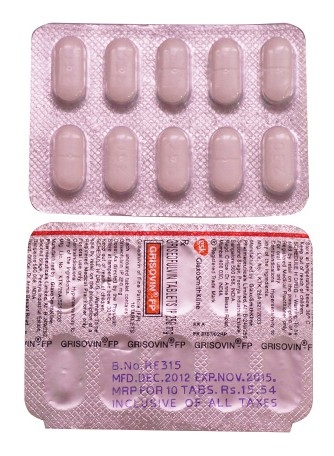
Grifulvin
- Grifulvin (griseofulvin) is a prescription-only medicine in most major markets, but it may be available from some pharmacies and online sellers without a prescription depending on local laws and store policy. It is commonly stocked as Grifulvin V or Gris-PEG in the US, and as griseofulvina/griséofulvine in some other countries.
- Grifulvin is used to treat dermatophyte fungal infections such as tinea capitis, tinea corporis, tinea cruris, tinea pedis, and some nail infections. It works as a fungistatic antifungal by disrupting the fungal mitotic spindle and stopping cell division.
- The usual adult dose is 500–1000 mg per day by mouth, adjusted by infection type. Children are typically dosed at 10–20 mg/kg/day, with a maximum of 1 g per day.
- The form of administration is oral, as tablets or an oral suspension.
- It usually starts working gradually, with symptom improvement often noticed within several days to 1–2 weeks, depending on the infection and how severe it is.
- The duration of action is not like a painkiller; treatment usually lasts 2–4 weeks for skin infections, 4–6 weeks for scalp infections, 4–8 weeks for foot infections, and 3–6 months for nail infections.
- Alcohol is not recommended during treatment, because it may increase side effects such as dizziness, stomach upset, and liver-related risk.
- The most common side effects are headache, nausea, vomiting, diarrhea, fatigue, dizziness, rash, and photosensitivity.
- Would you like to try grifulvin without a prescription?
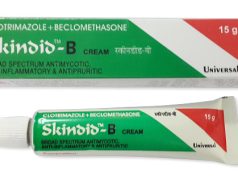
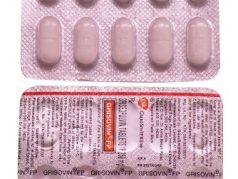
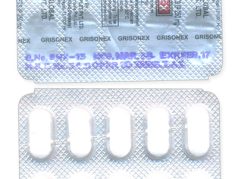
Basic Grifulvin Information
- INN (International Nonproprietary Name): Griseofulvin
- Brand Names Available in United States: Grifulvin V, Gris-PEG, Fulvicin P/G, Grisactin Ultra
- ATC Code: D01AA08
- Forms & Dosages: Tablets 125 mg, 250 mg, 500 mg; Oral Suspension 125 mg/5 mL
- Manufacturers in United States: Teva, Actavis, Mylan, Pedinol, Schering-Plough
- Registration Status in United States: Prescription; widely approved, but shrinking availability due to shift to other antifungals
- OTC / Rx Classification: Prescription only medicine (Rx) in all major markets
Key Findings From Recent Trials
Major 2022–2026 Studies
Has griseofulvin lost its place, or is it still worth keeping on the shelf for the right patient?
Recent trial summaries and practice reviews still support griseofulvin, including Grifulvin V and Gris-PEG, as a useful oral dermatophyte agent when tinea capitis in children is the main concern.
In day-to-day pharmacy practice, terbinafine and itraconazole are used more often, but griseofulvin remains relevant when organism coverage, pediatric experience, or formulary access matters.
Guideline summaries continue to describe a fungistatic effect against Trichophyton, Microsporum, and Epidermophyton, which explains why the drug still appears in treatment plans for ringworm and scalp infection.
Main Outcomes
Studies and reviews keep the focus on keratin-based disease, because griseofulvin works where infected hair, skin, and nail tissue must be replaced over time.
That is why the oral suspension 125 mg/5 mL and tablets such as Griseofulvin 250 mg, 125 mg, and 500 mg remain the main dosage forms.
For families picking up Griseofulvin oral suspension for a child, the main takeaway is still slow but steady improvement rather than an overnight change.
Safety Observations
Common adverse effects continue to be headache, nausea, diarrhea, rash, and photosensitivity.
Monitoring concerns include hepatic risk, rare leukopenia, and medication interactions tied to enzyme induction.
That profile makes griseofulvin a prescription antifungal that still deserves a careful medication review, especially for long courses in children and adults taking other chronic medicines.
Clinical Mechanism Of Action
Layman’s Explanation
Wondering why the medicine seems to work slowly when the rash is already bothering you?
Griseofulvin works by stopping fungus from multiplying in skin, hair, and nails.
It is a fungistatic antifungal, which means it suppresses growth rather than rapidly killing the fungus.
Scientific Breakdown
The drug disrupts the fungal mitotic spindle, so the organism cannot divide normally.
It also deposits in keratin precursor cells, making newly formed keratin less welcoming to dermatophytes.
Spectrum Details
Its activity is limited to dermatophytes, not Candida, bacteria, or viruses.
That narrow spectrum is exactly why griseofulvin for ringworm remains a familiar choice, especially for scalp infections and some nail infections.
Practical Implication
Because the medicine has to wait for keratin replacement, treatment lasts weeks to months depending on the site.
Patients often notice that the itching improves before the visible clearing, which fits the drug’s mechanism and helps set realistic expectations.
Scope Of Approved And Off-Label Use
United States Approvals
In the United States, griseofulvin is a prescription-only antifungal and remains approved, although availability has narrowed as newer agents expanded use.
Common griseofulvin brands include Grifulvin V and Gris-PEG, and major e-pharmacy listings still tend to show Griseofulvin tablets or oral liquid as the core products.
Notable Off-Label Trends
Clinicians still use it for tinea capitis, especially in children, when oral therapy is needed.
It may also be used for severe or resistant dermatophyte infections of the skin or nails, though it is no longer preferred for many nail cases.
In our online pharmacy, grifulvin is available without a prescription, with discreet delivery to United States in 5-14 days.
Market Reality
Search behavior matters too, because patients and caregivers may enter Griseofulvin 250 mg, Griseofulvin tablets, or even Griseofulvina when looking through catalogs.
That is especially true when comparing Grifulvin V tablet listings with historic names such as Fulvicin P/G or Grisactin antifungal products.
Dosage Strategy
General Dosing
How much is enough, and how long is long enough?
Standard adult dosing is typically 500 to 1000 mg per day by mouth.
Pediatric dosing is 10 to 20 mg per kg per day, with a maximum of 1 g per day.
Condition-Specific Dosing
Skin Infections
Tinea corporis and tinea cruris are usually treated for 2 to 4 weeks.
Scalp Infections
Tinea capitis usually needs 4 to 6 weeks.
Foot Infections
Tinea pedis usually takes 4 to 8 weeks.
Nail Infections
Tinea unguium usually needs at least 3 to 4 months, and toenails commonly require about 6 months.
Adjustments And Missed Doses
There is no routine renal adjustment, but caution is still advised.
Avoid use in severe hepatic dysfunction, and use missed-dose guidance carefully: take it when remembered unless the next dose is close, and never double up.
Parents often ask about Griseofulvin 125 mg versus Griseofulvin 500 mg, but the safer approach is still weight-based pediatric dosing and a full course based on the infection site.
Safety Protocols
Contraindications
Can this medicine be used in pregnancy or severe liver disease?
The answer is no for pregnancy, and no for severe liver disease.
Absolute contraindications include pregnancy, severe liver disease, porphyria, and allergy to griseofulvin or excipients.
Use caution in lupus erythematosus and significant hepatic or renal impairment.
Adverse Effects
Common mild effects include headache, nausea, vomiting, diarrhea, fatigue, rash, and photosensitivity.
More concerning reactions can include dizziness, confusion, leukopenia, or proteinuria.
Monitoring Priorities
Liver function should be assessed when risk factors exist, especially during longer courses.
Patients should report persistent GI symptoms, yellowing of the skin or eyes, unusual bruising, or unusual weakness without delay.
For a prescription antifungal like griseofulvin, safety counseling is part of the treatment, not an extra step.
Interaction Mapping
Food Interactions
Need to take it with food, or does it matter?
Griseofulvin is often better tolerated with food, and high-fat meals may increase absorption for some formulations.
Liquid products should be shaken well before use so the dose is accurate.
Drug Combinations To Avoid
The medicine can induce hepatic enzymes, which may reduce the effectiveness of oral contraceptives and warfarin.
That is why griseofulvin interactions deserve attention any time a course may last for weeks or months.
Clinical Caution
Interaction checks matter most for chronic users, women who may become pregnant, and patients on anticoagulants.
When a patient is already taking several medicines, Grifulvin V drug interactions can become the difference between a smooth course and a treatment problem.
Patient Experience Analysis
Survey Data
Does it work fast enough to feel worth it?
Patients commonly report that improvement is gradual rather than immediate, which matches the drug’s keratin-based mechanism.
Short-term satisfaction often depends on whether scalp itch, scaling, or ringworm spread starts to calm down within the first few weeks.
Forum Trends
Online discussions often mention pill size, dosing frequency, and GI upset.
Suspension users ask about taste, shaking the bottle, and measuring each dose correctly.
Practical Takeaways
Adherence is central because treatment can run for weeks to months, especially with tinea capitis treatment or nail disease.
Clear counseling on sun sensitivity, missed doses, and the expected timeline can improve completion rates and reduce frustration.
Distribution And Pricing Landscape
Supply Patterns
US and EU supply is increasingly generic-focused, with manufacturers such as Teva, Mylan, Actavis, Pedinol, and Schering-Plough appearing in listings.
Most retail options are still Griseofulvin 250 mg tablets or the 125 mg/5 mL suspension.
Pricing Trends
Price varies by manufacturer, channel, and whether tablets or liquid are dispensed.
Historic brands like Fulvicin P/G and Grisactin Ultra may be less visible or unavailable.
Market Note
Local catalog names such as Griséofulvine and Griseofulvina still matter in non-US searches and international pharmacy sites.
For shoppers comparing generic griseofulvin options, packaging and strength often matter more than brand nostalgia.
Alternative Options
Comparison Table
| Option | Main Use | General Strengths | General Limitations |
|---|---|---|---|
| Griseofulvin | Dermatophyte infections, especially tinea capitis | Long pediatric track record, useful for some Microsporum infections | Slower response, more interactions, longer treatment |
| Terbinafine | Dermatophyte infections and many nail cases | Often preferred in practice | Not the classic choice for every pediatric scalp case |
| Itraconazole | Selected dermatophyte infections | Broad oral option | Interaction concerns and longer monitoring in some patients |
| Fluconazole | Selected fungal infections | Convenient oral option | Not the standard answer for every ringworm case |
Pros And Cons
Griseofulvin Advantages
Its long pediatric track record for tinea capitis still matters.
It is especially useful for dermatophytes, including certain Microsporum infections.
Griseofulvin Limitations
Response is slower, treatment lasts longer, and medication interactions are more common than with some newer choices.
That is why griseofulvin vs terbinafine comes up so often when families are deciding between oral antifungal alternatives.
Regulatory Status
In the United States, griseofulvin remains prescription-only and FDA-approved, although use has narrowed.
In the European Union, it is still approved for selected indications but has been largely replaced by newer agents.
Romania’s ANMDMR database lists Rx products and local packaging status, and that matters for anyone checking current availability across borders.
Internationally, national formularies may still include it, especially for scalp ringworm in children.
That legal classification is simple: prescription only medicine in all major markets, even when old brand names are still familiar to pharmacists and patients.
Consolidated Faq
Common Questions
What is griseofulvin used for? It treats dermatophyte infections, especially ringworm and tinea capitis.
How long does it take to work? Often weeks, because new keratin must grow out.
Is it safe in pregnancy? No, it is contraindicated.
Does it treat Candida? No, it does not.
Patient-Facing Note
Prescription use, adherence, and interaction screening should always be part of the answer.
For quick patient questions, Griseofulvin FAQ searches usually focus on Griseofulvin for ringworm, Griseofulvin pregnancy, and side effects that show up during the first few weeks.
Visual Guide
What To Include Visually
A simple flowchart works well: diagnosis, organism type, then oral griseofulvin consideration.
A dosing graphic should show adult 500 to 1000 mg per day and pediatric 10 to 20 mg per kg per day.
Helpful Comparison Panels
A brand-name map can display Grifulvin V, Gris-PEG, Fulvicin P/G, Griséofulvine, and Griseofulvina together.
A duration timeline should separate skin, scalp, feet, and nails so patients can see why the course changes by infection site.
UX Note
Visuals should clearly distinguish tablets from the oral suspension 125 mg/5 mL.
That small detail reduces dosing confusion and helps patients compare Griseofulvin dosage chart information with the package they actually receive.
Storage And Transport
Storage Basics
How should it be stored once it arrives at home?
Store griseofulvin at room temperature, 20 to 25 degrees Celsius, away from light and moisture.
Keep the bottle tightly closed, and shake the suspension well before each use.
Transport And Handling
Avoid extreme heat during shipping.
Liquid formulations may expire sooner after opening than tablets.
Practical Reminder
Packaging may come as blister strips or bottles depending on the country and manufacturer.
Good handling matters because room temperature storage and suspension stability help preserve the product during the full course.
Guidelines For Proper Use
How Patients Should Take It
Take it exactly as prescribed and complete the full course.
Do not stop early just because symptoms improve.
Monitoring And Counseling
Use caution with liver disease, pregnancy risk, and interacting drugs.
Counsel patients on sun protection because photosensitivity can occur.
Best-Practice Reminders
If a dose is missed, take it when remembered unless the next dose is close.
Overdose symptoms may include nausea, vomiting, and central nervous system effects, and supportive care is standard.
For children, dosing should be weight-based and should not exceed 1 g per day.
Good griseofulvin proper use means taking the schedule seriously, even when the rash starts fading before the course is finished.
Delivery Across United States
| City | Region | Delivery Time |
|---|---|---|
| New York | Northeast | 5-7 days |
| Los Angeles | West | 5-7 days |
| Chicago | Midwest | 5-7 days |
| Houston | South | 5-7 days |
| Phoenix | West | 5-7 days |
| Philadelphia | Northeast | 5-7 days |
| San Antonio | South | 5-9 days |
| San Diego | West | 5-7 days |
| Dallas | South | 5-7 days |
| San Jose | West | 5-9 days |
| Austin | South | 5-7 days |
| Jacksonville | South | 5-9 days |
| Fort Worth | South | 5-9 days |
| Columbus | Midwest | 5-9 days |
| Charlotte | South | 5-9 days |