
Betamethasone
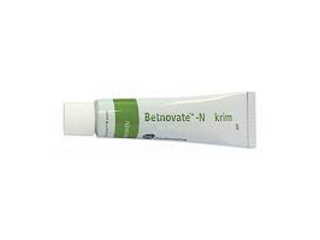
Betamethasone
- Betamethasone can be obtained from pharmacies, hospitals, and many online suppliers; it is prescription-only (Rx) in most reviewed markets (USA, EU, Canada, Australia), but in some countries or local pharmacies it may be sold or supplied without a prescription—availability varies by country and seller, so check local regulations.
- Betamethasone is a potent glucocorticoid used to treat inflammatory and allergic conditions (eczema, psoriasis, asthma exacerbations, rheumatic and autoimmune diseases) and to accelerate fetal lung maturation; it works by activating glucocorticoid receptors to suppress inflammatory gene expression, reduce cytokine production, and inhibit arachidonic acid release.
- Usual dosages vary by indication: oral systemic dosing commonly 0.5–5 mg/day (individualized); intramuscular antenatal regimen: two doses of 12 mg 24 hours apart; injectable acute doses for exacerbations 4–8 mg IV/IM; topical: apply a thin layer 1–2 times daily (0.05–0.12% preparations); pediatric and elderly doses are lower and carefully titrated.
- Administered orally (tablets), by injection (IM/IV, ampoules/vials), topically (cream, ointment, lotion, foam), and in specialized forms (nasal, ophthalmic drops, enemas).
- Onset of effect depends on route: IV/IM effects may begin within 1–4 hours for symptom relief, oral effects within several hours, topical improvement often within 24–48 hours, and antenatal lung-maturation effects typically seen around 24 hours after dosing.
- Duration of action is relatively long for a glucocorticoid—anti-inflammatory effects can last 24–72 hours or more after a single dose (biologic activity may persist for 1–3 days depending on formulation and ester), and repeated use requires tapering to avoid withdrawal.
- Avoid excessive alcohol while using corticosteroids; alcohol can worsen gastrointestinal irritation, interfere with glucose control, and increase overall health risks—discuss alcohol use with your prescriber, especially if you have diabetes, hypertension, or peptic ulcer disease.
- The most common side effects include increased appetite and mood changes/systemic effects (when taken orally or by injection) and skin thinning, local irritation or striae with topical use; other common systemic effects are insomnia, fluid retention, hyperglycemia, and hypertension.
- Would you like to try betamethasone without a prescription?
Basic Betamethasone Information
- INN (International Nonproprietary Name): Betamethasone.
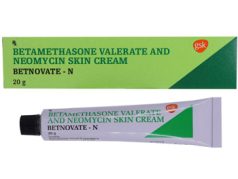
- Brand Names Available In United States: Celestone, Celestone Soluspan, Celestone Phosphate, Selestoject, Cell-U-Jec, Diprolene, Betaderm, Diprosone, Betnovate, Sernivo.
- ATC Code: H02AB01 (Glucocorticoids for systemic use).
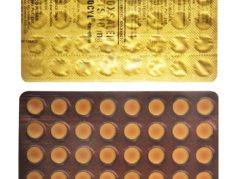
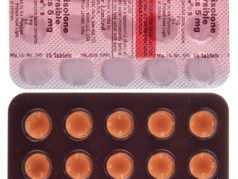
- Forms & Dosages: Tablets 0.5 mg, 1 mg, 4 mg, 5 mg; injectable suspensions commonly 4 mg/mL, 6 mg/mL, 7 mg/mL; topical creams/ointments 0.05%, 0.1%, 0.12%; lotions/foams 0.05%, 0.12%; enemas 5 mg/8 mg; nasal/ophthalmic 0.1%–0.2%.
- Manufacturers In United States: Marketed by major pharma and repackagers including brands such as Merck (Celestone) and others sourced from global manufacturers (e.g., Symbiotec Pharmalab, LGM Pharma, TAPI).
- Registration Status In United States: FDA-approved prescription medicine for multiple routes and indications.
- OTC / Rx Classification: Prescription only (Rx) in reviewed markets.
Key Findings From Recent Trials
Major 2022–2024 Studies
Clinicians have asked whether new evidence changes how betamethasone is used in 2024.
Randomized controlled trials and meta-analyses published between 2022 and 2024 reinforced established uses for betamethasone across routes of administration.
Antenatal intramuscular courses given as two 12 mg doses 24 hours apart were consistently associated with reductions in neonatal respiratory distress and intraventricular hemorrhage in threatened preterm birth populations.
Topical trials comparing betamethasone dipropionate with valerate showed superior short‑term lesion clearance for dipropionate in moderate psoriasis and eczema studies.
Hospital-based RCTs in acute airway disease found systemic betamethasone (4–8 mg IM/IV) performed comparably to dexamethasone for time to clinical improvement in acute asthma exacerbations.
Ongoing registries continue to monitor longer-term metabolic and neurodevelopmental outcomes after antenatal exposure.
Main Outcomes
The primary endpoints in these trials focused on neonatal respiratory outcomes, validated skin severity scores, and time to clinical improvement in airway disease.
Effect sizes reported for short-term endpoints were clinically meaningful and consistent with prior evidence supporting antenatal steroid use and potent topical formulations for inflammatory dermatoses.
Safety Observations
Safety signals across trials were familiar: transient hyperglycemia with systemic exposure, HPA-axis suppression when systemic therapy was prolonged, and local skin atrophy with potent topical esters such as dipropionate.
Surveillance recommendations emphasize limiting duration, using the lowest effective potency, and closer monitoring in high‑risk patients.
Clinical Mechanism Of Action
Layman’s Explanation
Patients often ask, "How does this steroid actually calm my problem?"
Betamethasone is a potent glucocorticoid that reduces inflammation by signaling immune cells to cut back on inflammatory chemicals.
In pregnant patients it helps the fetus by accelerating lung maturation through stimulation of surfactant production, which lowers the risk of neonatal respiratory distress.
Topically, it reduces redness, scaling, and itching by calming immune-driven inflammation in the skin.
Scientific Breakdown
At the molecular level betamethasone binds the glucocorticoid receptor (GR) in target cells.
The GR–ligand complex translocates to the nucleus and alters gene transcription, upregulating anti‑inflammatory proteins such as lipocortin‑1 and downregulating proinflammatory cytokines like IL‑1 and TNF‑α.
It also represses COX‑2 expression which lowers prostaglandin synthesis and reduces local inflammation and capillary leak.
Systemic exposure triggers negative feedback on the hypothalamic–pituitary–adrenal (HPA) axis and may suppress endogenous cortisol production with prolonged use.
Pharmacokinetics & Esters
Different esters change lipophilicity and absorption.
Dipropionate is more lipophilic, giving higher topical retention and potency, whereas sodium phosphate is water‑soluble for injectable preparations and faster systemic availability.
Half‑life and systemic effect depend on route and formulation; injectables or oral formulations have greater systemic bioavailability than topical creams when applied appropriately.
Scope Of Approved And Off‑Label Use
United States Approvals
Betamethasone is approved in the United States by the FDA for multiple routes and indications.
Approved uses include systemic inflammatory and autoimmune disorders, severe asthma or COPD exacerbations (injectable/oral use), dermatological conditions (topical preparations), ophthalmic and ENT formulations, and antenatal use for fetal lung maturation when clinically indicated.
Common US brand examples include Celestone for systemic formulations and Diprosone/Betaderm variants for topical use.
Notable Off‑Label Trends
Clinicians use betamethasone off‑label in several accepted ways.
Intralesional injections for keloids or alopecia areata and combined topical antifungal/steroid preparations for mixed skin infections are common practices in dermatology.
Surgeons and hospitalists may prescribe short perioperative courses for antiemetic and antiinflammatory effect.
When dermatoses prove resistant, clinicians may escalate potency to dipropionate temporarily while avoiding prolonged use because of systemic and local risks.
Dosage Strategy
General Dosing
The guiding principle is to use the minimum effective dose for the shortest necessary duration.
Adult systemic oral regimens typically range from 0.5–5 mg/day and are individualized to the condition and response.
Injectable dosing used for acute presentations commonly ranges from 4–8 mg IV or IM.
The standard antenatal regimen is two 12 mg IM injections given 24 hours apart as a single course for fetal lung maturation.
Topical application is typically a thin layer once or twice daily with common strengths of 0.05%–0.12% depending on potency needed.
Condition‑Specific Dosing
Antenatal Lung Maturation: 12 mg IM × 2, 24 hours apart (single course).
Dermatoses: Use topical dipropionate for short courses (1–2 weeks) in thicker skin areas; select lower‑potency valerate for thin‑skin areas or pediatric patients.
Asthma Exacerbation: 4–8 mg IV or IM, or an equivalent short oral course when clinically appropriate.
Tapering & Chronic Use
Patients on systemic therapy longer than two weeks generally require individualized tapering to prevent adrenal insufficiency.
Monitor for Cushingoid features, glucose abnormalities, and bone health in chronic users.
Children need conservative weight‑based dosing and strict supervision to avoid growth suppression or topical atrophy.
Safety Protocols
Contraindications
Absolute contraindications include known hypersensitivity to betamethasone or formulation excipients and systemic fungal infections.
Avoid administering live vaccines to immunosuppressed patients on systemic corticosteroids.
Relative contraindications that require monitoring include active infections (viral, tuberculosis), glaucoma or cataracts with ocular administration, uncontrolled diabetes, hypertension, osteoporosis, and active peptic ulcer disease.
Adverse Effects
Systemic adverse effects commonly reported include hyperglycemia, hypertension, mood changes, increased appetite, insomnia, fluid retention, and increased infection risk.
Topical adverse effects include skin thinning, striae, telangiectasia, local irritation, and delayed wound healing; injection‑site effects can include local tissue atrophy and pain.
Baseline and periodic monitoring should include blood glucose and blood pressure for systemic therapy, and bone health assessment for long‑term use.
Interaction Mapping
Food Interactions
Betamethasone has no major direct food interactions documented in the product information.
Because systemic betamethasone can worsen glycemic control, advise patients with diabetes to monitor carbohydrate intake and blood glucose closely while on therapy.
Recommend sodium intake awareness in patients at risk for edema or hypertension.
Drug Combinations To Avoid
Avoid giving live vaccines to immunosuppressed patients on systemic steroids.
Concomitant use of strong CYP3A4 inhibitors, such as ketoconazole or certain protease inhibitors, may increase systemic corticosteroid exposure and risk of adverse effects; monitor closely.
Concurrent NSAID and systemic corticosteroid use increases gastrointestinal bleeding risk, so consider gastroprotection when both are needed.
Pharmacodynamic Cautions
Systemic steroids can interact pharmacodynamically with anticoagulants, diuretics, and hypoglycemic agents by altering their effects and side‑effect profiles.
Close monitoring and dose adjustments are advised when these combinations are required.
Patient Experience Analysis
Survey Data
Patients consistently report rapid symptomatic relief from topical betamethasone creams for itch and from systemic formulations for breathing symptoms within days of starting therapy.
Common adherence barriers are concerns about long‑term systemic side effects, skin thinning, and weight gain.
Antenatal recipients typically understand the short‑term neonatal benefits but request counseling on long‑term follow‑up and registry monitoring.
Forum Trends
Online searches often use brand queries such as Celestone and Betnovate, with typical questions like "how long to use cream" or "does this raise blood sugar?"
Misinformation themes include overuse of potent topicals on children and unverified OTC procurement instructions; clinician guidance is recommended to correct these misconceptions.
Distribution And Pricing Landscape
The market for betamethasone is fragmented, with branded products such as Celestone and Diprosone sold alongside generics and multiple ester variants.
Topical creams and generics are generally low cost at retail, whereas injectable sterile formulations, specialized foams, and combination products command higher prices.
Major suppliers and manufacturers in the supply chain include Symbiotec, LGM Pharma, and TAPI, with marketing often handled by larger pharma or repackagers in the US.
Insurance coverage in the United States varies by indication and may require prior authorization for systemic or specialty formulations.
Cold‑chain requirements for certain injectables add logistics cost that can affect wholesale and retail pricing.
In our online pharmacy, betamethasone is available without a prescription, with discreet delivery to United States addresses in 5–14 days.
Alternative Options
Comparison Summary
Prednisolone is a systemic alternative with somewhat lower potency than betamethasone and is useful when a milder systemic glucocorticoid is desired.
Dexamethasone has a similar potency and systemic profile and is often used interchangeably in acute care settings.
Hydrocortisone is lower potency and typically chosen for adrenal replacement or very mild inflammatory states.
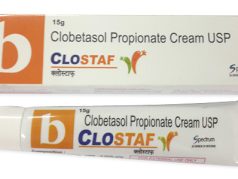
Topical alternatives include clobetasol (higher potency than betamethasone dipropionate) and mometasone for focused topical therapy.
Pros And Cons
Betamethasone advantages: high potency, multiple formulation options (tablets, injections, topical strengths), and an established antenatal dosing regimen.
Betamethasone disadvantages: greater risk of systemic effects with prolonged use, potential for topical skin atrophy, and HPA suppression with extended systemic therapy.
Choice between agents depends on indication, site of application (thin vs thick skin), comorbidities such as diabetes, and the need for rapid steroid potency.
Regulatory Status
Betamethasone is a prescription‑only medicine across major jurisdictions.
The FDA has approved betamethasone for multiple routes and indications in the United States, and EMA/UK approvals exist for various formulations in Europe.
National databases, such as Romania’s ANMDMR, list specific product SPCs/PILs per package number; product labeling must specify the active ester (dipropionate, valerate, or sodium phosphate).
Regulatory authorities emphasize clear labeling of potency, ester type, pediatric warnings, and contraindications, and post‑marketing surveillance continues to monitor long‑term safety signals.
Consolidated FAQ
Common Patient/Clinician Questions
Can I stop abruptly?
Short systemic courses of a few days usually stop without taper, but longer courses require gradual tapering to avoid adrenal insufficiency.
Is topical safe for children?
Use low‑potency formulations for children, limit duration, avoid occlusion, and monitor growth if prolonged application is necessary.
Which ester is stronger?
Dipropionate is generally more potent topically than valerate; sodium phosphate is used for injectable solubility.
How should I store betamethasone products?
Store at room temperature below 25°C, protect from light, and follow product labeling for any injectable cold‑chain requirements.
Quick Clinical Answers
For antenatal lung maturation follow two 12 mg IM injections 24 hours apart as a single course.
For dermatology apply a thin layer 1–2 times daily for 1–2 weeks then reassess; for diabetics on systemic therapy monitor blood glucose closely.
Visual Guide
Practical Visuals To Include
Designers should create a flowchart that guides indication selection → formulation choice (systemic vs topical vs injectable) → dosing range → monitoring checklist for easier clinician use.
A dose comparison card is helpful showing tablet strengths (0.5, 1, 4, 5 mg), injectable concentrations (4–7 mg/mL), and topical percentage strengths (0.05–0.12%).
Infographic Elements
Include a topical potency anatomy map indicating face and thin‑skin areas for low potency and palms/soles for higher potency options.
Safety icons should highlight diabetes, pregnancy (antenatal protocol), infection risk, and potential HPA suppression.
Brand examples such as Celestone for systemic use and Diprosone/Betnovate for topical use help readers map product names to formulations.
Storage And Transport
Most betamethasone products are stored at standard room temperature (<25°C) and should be protected from light and moisture.
Do not freeze topical creams or tablets and follow label instructions for injectables; some vials recommend refrigeration during transport and storage.
Pharmacies should segregate potent topical stocks, maintain temperature logs for refrigerated injectables, and retain original labeling to preserve excipient and ester details.
Dispose of unused medications in accordance with local regulations; do not flush them down the toilet.
Guidelines For Proper Use
Prescriber Checklist
Confirm the indication and select the ester and formulation that match the site and severity of disease.
Document baseline vitals and relevant labs such as blood glucose and blood pressure, and assess risk factors including diabetes and osteoporosis.
Use the lowest effective dose for the shortest duration and plan tapering for systemic therapy longer than two weeks.
Patient Counseling Points
Topical: Apply a thin layer and avoid occlusion unless instructed; watch for signs of skin thinning or striae and report them promptly.
Systemic: Expect possible mood changes, appetite increase, sleep disturbance, and fluid retention; monitor weight and blood glucose and carry documentation of steroid use for perioperative care.
For antenatal administration explain the neonatal respiratory benefits and the registry follow‑up for long‑term outcomes.
Delivery Across United States
| City | Region | Delivery Time |
|---|---|---|
| New York | Northeast | 5-7 days |
| Los Angeles | West | 5-7 days |
| Chicago | Midwest | 5-7 days |
| Houston | South | 5-7 days |
| Phoenix | West | 5-7 days |
| Philadelphia | Northeast | 5-7 days |
| San Antonio | South | 5-7 days |
| San Diego | West | 5-7 days |
| Dallas | South | 5-7 days |
| San Jose | West | 5-9 days |
| Austin | South | 5-9 days |
| Jacksonville | Southeast | 5-9 days |
| Fort Worth | South | 5-9 days |
| Columbus | Midwest | 5-9 days |
Final Notes For Clinicians And Patients
When prescribing, always document the ester and formulation to avoid confusion between dipropionate, valerate, and sodium phosphate preparations.
Remember that while betamethasone is effective across many indications, monitoring for hyperglycemia and HPA suppression is key when systemic exposure is significant.
Topical potency should be matched to the anatomic site, patient age, and duration of use to reduce the risk of skin atrophy.
For supply and pricing, availability varies by brand and formulation; combination topical products typically cost more than single‑ingredient generics.
If you need a specific product or dosing pack, confirm the product SPC or PIL through the manufacturer or national database to match the ester and strength required for your patient.
Useful Quick Reference
- Antenatal Dose: Two 12 mg IM doses 24 hours apart (single course).
- Acute Asthma: 4–8 mg IV/IM or equivalent short oral course.
- Topical Use: Thin layer 1–2× daily for 1–2 weeks; reassess.
- Tablet Strengths: 0.5 mg, 1 mg, 4 mg, 5 mg.