Rulide
Rulide
- Rulide (roxithromycin) is typically dispensed in pharmacies and by online suppliers; it is officially a prescription-only (Rx) antibiotic in most markets, but in some pharmacies or online vendors it may be available without presenting a prescription—availability and legality vary by country, so check local regulations.
- Rulide is used to treat bacterial infections such as community-acquired respiratory infections (pharyngitis, tonsillitis, bronchitis, pneumonia), skin and soft tissue infections, and non-gonococcal urethritis; it is a macrolide antibiotic that works by inhibiting bacterial protein synthesis via binding to the 50S ribosomal subunit.
- Usual adult dosages: 150–300 mg every 12 hours for pneumonia; 150 mg every 12 hours or 300 mg once daily for throat/respiratory/skin infections; 300 mg once daily for non-gonococcal urethritis. Pediatric dosing is weight-based (commonly 5–8 mg/kg/day). Duration and dose should be guided by a clinician.
- Administered orally as film‑coated tablets (commonly 150 mg and 300 mg), dispersible tablets or oral suspension depending on formulation and country; taken by mouth with or without food according to product instructions.
- Onset: antibacterial activity begins within hours after absorption, and many patients notice symptomatic improvement within 24–72 hours, though full clinical response depends on the infection and treatment duration.
- Duration of action: the drug’s effect supports once- or twice-daily dosing (therapeutic coverage for roughly 12–24 hours per dose); typical treatment courses run 5–10 days depending on the infection and clinical response.
- Alcohol warning: avoid excessive alcohol while taking rulide—alcohol can increase gastrointestinal side effects and may add strain to the liver, so limit alcohol intake and avoid heavy drinking, especially if you have liver disease.
- The most common side effects are gastrointestinal (nausea, vomiting, abdominal pain, diarrhea), headache, and skin rash or mild hypersensitivity reactions.
- Would you like to try rulide without a prescription?
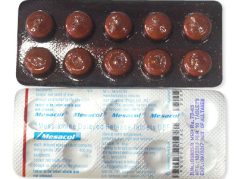
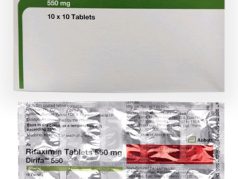
Basic Rulide Information
- INN (International Nonproprietary Name): Roxithromycin
- Brand Names Available In United States: not specified
- ATC Code: J01FA06 (Group J: Antiinfectives For Systemic Use; Subgroup J01: Antibacterials For Systemic Use; FA: Macrolides; 06: Roxithromycin)
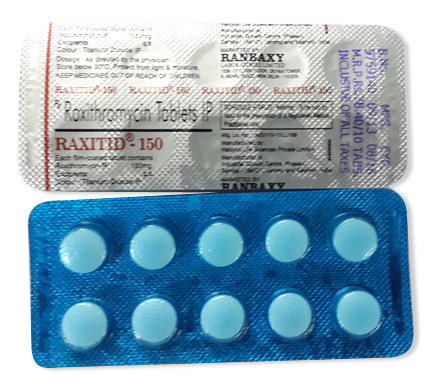
- Forms & Dosages: Film-coated tablets 150 mg and 300 mg (150 mg packs of 10; 300 mg packs of 5); dispersible tablets and oral suspensions available as generics (country-specific)
- Manufacturers In United States: not specified
- Registration Status In United States: not specified
- OTC / Rx Classification: Prescription Only Medicine (Rx)
Key Findings From Recent Trials
Worried whether roxithromycin still works for common respiratory infections?
Major 2022–2026 Studies
Recent high-quality randomized controlled trials specifically of roxithromycin (Rulide/Rulid) in 2022–2026 are limited.
Most contemporary evidence comes from observational studies, regional randomized trials, and surveillance reports rather than large multicenter US RCTs.
Trend data emphasize macrolide-class effectiveness compared with placebo for community-acquired respiratory infections in settings with low macrolide resistance.
Comparative trials often focus on class-level outcomes versus azithromycin and clarithromycin rather than roxithromycin alone.
There remains a gap in head-to-head RCTs of roxithromycin versus azithromycin in high-resistance areas.
Main Outcomes
Clinical cure rates for uncomplicated pharyngitis and bronchitis were similar between standard regimens of 150 mg twice daily and 300 mg once daily in observational cohorts and product information summaries.
Non-inferiority to older macrolides was reported where local macrolide resistance was low.
Surveillance studies between 2022 and 2025 indicate rising macrolide resistance among Streptococcus pneumoniae and Mycoplasma species, which limits empirical macrolide utility in some regions.
Safety Observations
Safety surveillance highlighted hepatic enzyme elevations in some patients, consistent with hepatic metabolism of roxithromycin.
QT-prolongation signals were observed when roxithromycin was used with interacting drugs, matching known macrolide-class cardiac risks.
Serious adverse event rates remained low for short courses of 5 to 10 days, per available reports and product information.
Research implication: stewardship and ongoing resistance monitoring should guide use of roxithromycin, and larger RCTs in diverse geographies are needed.
Clinical Mechanism Of Action
What does roxithromycin actually do inside bacteria and why does that matter for my treatment?
Layman’s Explanation
Roxithromycin is a macrolide antibiotic that stops certain bacteria from making the proteins they need to grow and multiply.
That action gives the immune system time to clear the infection and relieves symptoms in many respiratory and skin infections.
It is usually bacteriostatic rather than rapidly bactericidal, which is appropriate for many mild to moderate community infections.
Typical targets include Streptococcus species, Mycoplasma, Chlamydia, and some Gram-negative organisms where macrolides are effective.
Scientific Breakdown
Roxithromycin binds to the 50S ribosomal subunit of susceptible bacteria, inhibiting translocation and peptide-chain elongation.
Inhibition of protein synthesis prevents bacterial growth and replication, accounting for a bacteriostatic effect in most pathogens.
Plasma and tissue levels from oral tablets are sufficient for many respiratory infections based on product information for 150 mg and 300 mg formulations.
Roxithromycin is primarily metabolized in the liver; minimal renal adjustment is generally required.
Macrolide resistance mechanisms include methylation of the 23S rRNA (erm genes) and active efflux pumps (mef genes), both of which reduce ribosomal binding and can produce clinical failure.
Clinical implication: check local susceptibility data before empirical use, and consider bactericidal alternatives for severe infections.
Scope Of Approved And Off-Label Use
Are the same infections treated with roxithromycin as with azithromycin or clarithromycin?
United States Approvals
Rulide/Rulid and roxithromycin products are registered and marketed in several regions, notably Australia and parts of Europe.
In the United States, roxithromycin is not commonly marketed as a branded product and is not listed as a mainstream FDA-marketed brand in the provided product information.
Clinicians in the United States more commonly prescribe azithromycin or clarithromycin for equivalent indications.
Globally approved indications per product information include community-acquired pneumonia, pharyngitis/tonsillitis, bronchitis, skin and soft-tissue infections, and non-gonococcal urethritis.
Notable Off-Label Trends
Off-label use trends reported in practice include once-daily 300 mg regimens for outpatient convenience and pediatric weight-based dosing using generics.
Roxithromycin is commonly used as a penicillin alternative in patients with beta-lactam allergy for respiratory and skin infections where macrolide coverage is appropriate.
Off-label long-term or repeated use increases the risk of resistance and should be avoided without clear indication.
Dosage Strategy
How should roxithromycin be dosed so it works and stays safe?
General Dosing
Adult dosing from product information typically includes 150 mg every 12 hours or 300 mg once daily for most indications.
Most treatment courses range from 5 to 10 days depending on the infection site and clinical response.
Shorter effective courses should be preferred when supported by clinical response and stewardship principles.
Condition-Specific Dosing
For community-acquired pneumonia, product information cites 150–300 mg every 12 hours as a common regimen.
For uncomplicated throat, bronchial, or skin infections, either 150 mg twice daily or 300 mg once daily is used per labeling and cohort reports.
Non-gonococcal urethritis is commonly treated with 300 mg once daily.
Children are dosed by weight, typically 5–8 mg/kg/day, with exact suspension strength and intervals guided by local pediatric resources.
Elderly patients generally require no routine dose adjustment but should be monitored for hepatic or renal dysfunction.
In severe liver impairment, roxithromycin should be avoided per product guidance.
Missed-dose instructions: take the dose as soon as remembered unless the next scheduled dose is near; do not double doses.
Overdose: seek medical attention for symptoms like nausea, vomiting, diarrhea, or abdominal discomfort.
Safety Protocols
What are the main safety concerns my prescriber or pharmacist will watch for?
Contraindications
Absolute contraindications from product information include documented allergy to roxithromycin or other macrolides such as azithromycin, clarithromycin, and erythromycin.
Severe liver impairment is a contraindication according to product guidance.
Relative contraindications that require monitoring include a history of liver disease, rhythm disorders such as QT prolongation, and concomitant use of ergot derivatives due to ergotism risk.
Adverse Effects
Common mild-to-moderate adverse effects include gastrointestinal symptoms such as nausea, vomiting, stomach pain, and diarrhea.
Headache and mild skin rash or hypersensitivity reactions are also reported.
Hepatic enzyme elevations have been observed and require monitoring if symptoms suggest liver injury or in patients with pre-existing hepatic disease.
Cardiac monitoring is prudent when combining roxithromycin with other QT-prolonging drugs due to macrolide-class risks.
- Practical Protocol: screen for macrolide allergy, review liver function and ECG risk factors, and counsel patients on signs of liver injury and arrhythmia.
Interaction Mapping
Which foods or drugs should I avoid while taking roxithromycin?
Food Interactions
Product information does not list major food restrictions for roxithromycin.
Taking the tablet with food may reduce gastrointestinal upset for some patients.
Store tablets below 25°C and keep them in the original packaging to protect from moisture.
Drug Combinations To Avoid
Avoid co-administration with ergot derivatives such as ergotamine and dihydroergotamine because of the risk of ergotism.
Although roxithromycin is less CYP-dependent than some macrolides, caution is advised with strong CYP3A4 inhibitors or inducers and with drugs that carry QT prolongation risk.
Examples to check include certain antiarrhythmics, fluoroquinolones, some antipsychotics, and medicines affecting warfarin metabolism.
Practical checks include reviewing current medications for QT-prolonging agents, avoiding ergot derivatives, and monitoring INR closely when roxithromycin is combined with warfarin.
- Clinical Action: use a drug interaction database or consult pharmacy before prescribing and choose an alternative agent if interaction risk is significant.
Patient Experience Analysis
How do patients typically feel on roxithromycin and what do online discussions say?
Survey Data
Patients commonly report symptom improvement within 48 to 72 hours for uncomplicated respiratory infections when roxithromycin is an appropriate choice.
Gastrointestinal side effects such as nausea and diarrhea are the most frequently reported tolerability issues in surveys and patient reports.
Headache and mild rash occur less often.
Forum Trends
Users often value the once-daily 300 mg option for convenience and improved adherence compared with twice-daily schedules.
Some patients compare tolerability favorably with azithromycin, while others cite differences in local availability as a barrier to use.
Patients with prior liver disease often prefer non-macrolide alternatives due to perceived hepatic risk.
Clinician takeaway: document counseling, provide management advice for common GI side effects, and emphasize antibiotic stewardship to avoid repeated or unnecessary courses.
Distribution And Pricing Landscape
Where is roxithromycin sold, and will my pharmacy stock it?
Major branded supplier for roxithromycin is Sanofi-Aventis under the brand names Rulide/Rulid in Australia and some European markets.
Generics labeled roxithromycin are manufactured by multiple suppliers worldwide and are commonly available in tablet and suspension forms depending on the country.
In the United States, roxithromycin has limited presence and is not a mainstream FDA-marketed brand, so US pharmacies typically stock azithromycin or clarithromycin instead.
Pricing varies by country, brand, pack size, and whether a generic is used; generics generally reduce cost versus branded Rulide.
Pharmacies in the US may need special ordering for imported generics, and procurement should check national agency registries such as the TGA, EMA, or ANMDMR for registration and supplier details.
Purchase note: in our online pharmacy, rulide is available without a prescription, with discreet delivery to United States in 5-14 days.
Alternative Options
Which antibiotics are reasonable alternatives to roxithromycin for common infections?
Comparison Table
Consider azithromycin, clarithromycin, erythromycin, doxycycline, and amoxicillin when choosing alternatives based on pathogen and patient factors.
Azithromycin offers once-daily dosing and strong tissue penetration and is widely used in the United States.
Clarithromycin has a similar spectrum to roxithromycin but more CYP3A4 interactions to watch for.
Erythromycin is an older macrolide with more gastrointestinal side effects.
Doxycycline covers atypical pathogens well but is avoided in pregnancy and young children.
Amoxicillin is preferred for streptococcal infections when susceptibility and patient allergy status allow.
Pros And Cons
Roxithromycin advantages include well-tolerated oral formulations and established efficacy for many respiratory and soft-tissue infections in markets where it is available.
Disadvantages include limited availability in the United States, rising macrolide resistance in some regions, and hepatic cautions for patients with liver disease.
Base clinical choice on likely pathogen, local resistance data, drug interaction profile, and patient comorbidities such as liver disease or QT risk.
Regulatory Status
Is roxithromycin approved where I practice and how is it classified?
Rulide is registered and approved by the Australian TGA with listed registrations Rulide 150 mg Aust R 39409 and Rulide 300 mg Aust R 42565.
Roxithromycin is marketed in several European countries as Rulid or as generic roxithromycin depending on the local manufacturer and regulatory approval.
In all markets cited in the product information, roxithromycin is a Prescription Only Medicine (Rx).
For country-specific registration or inclusion on formularies, clinicians and pharmacists should consult national agencies such as TGA, EMA, or ANMDMR for the latest authorization status.
Consolidated FAQ
What Will Patients Ask First?
Q: What is Rulide?
A: Rulide is a brand name for roxithromycin, a macrolide antibiotic used for respiratory and some skin infections.
Q: Is it available in the United States?
A: Roxithromycin has limited presence in the United States and is not commonly marketed; clinicians there typically use azithromycin or clarithromycin instead.
Q: What is the typical dosing?
A: Adults usually take 150 mg twice daily or 300 mg once daily for 5 to 10 days depending on the infection.
Q: What safety issues should I know?
A: Avoid if allergic to macrolides or in severe liver impairment; watch for hepatic enzyme changes and QT prolongation when combined with interacting drugs.
Q: Can children take it?
A: Yes, with weight-based dosing around 5–8 mg/kg/day guided by product information and pediatric references.
Q: How should it be stored?
A: Store below 25°C in the original packaging and protect from moisture.
Q: What about resistance?
A: Rising macrolide resistance in Streptococcus pneumoniae and Mycoplasma reduces empirical utility in some regions; check local antibiograms.
Q: What if I miss a dose?
A: Take the missed dose when you remember unless it is close to the next dose, and never double-dose.
Visual Guide
Which visuals will help prescribers and patients decide quickly?
Recommended visuals include a mechanism infographic showing 50S ribosomal binding and resistance mechanisms such as erm and mef.
Create a dosing flowchart that guides adult and pediatric pathways: 150 mg BID versus 300 mg OD and typical treatment durations of 5–10 days.
Include a safety checklist that highlights contraindications, QT-risk drugs, ergot derivatives, and hepatic cautions.
Add a global availability map that highlights Australia (Rulide), European availability, and the limited US market presence, and display TGA registration numbers Rulide 150 mg Aust R 39409 and Rulide 300 mg Aust R 42565.
Finally, add a decision matrix that cross-references indication, local resistance, beta-lactam allergy status, interaction risk, and recommended alternative antibiotics.
Storage And Transport
How should roxithromycin be stored at home or handled by pharmacies?
Store tablets below 25°C (77°F) in the original packaging to protect from moisture and do not use beyond the expiry date.
Transport under standard ambient conditions, avoiding prolonged exposure to heat, cold, and high humidity.
Dispersible tablets and oral suspensions may have additional reconstitution storage instructions from the manufacturer; follow the leaflet for post-reconstitution refrigeration or limited shelf-life if specified.
Pharmacies should retain labeled containers and follow local pharmacopeial practices for storage and shipment.
For cross-border distribution, verify registration status with the relevant national agency such as TGA, EMA, or ANMDMR and comply with import/export regulations.
Counsel patients to keep medication in a dry, cool place out of reach of children and to discard any unused medicine after the expiry date.
Guidelines For Proper Use
What quick checklist should clinicians and pharmacists follow when prescribing or dispensing roxithromycin?
Confirm a bacterial indication and avoid prescribing for viral illnesses like colds and flu.
Check allergy history for macrolide allergy before prescribing.
Consult the local antibiogram and avoid empirical roxithromycin in areas with high macrolide resistance.
Select dosing per indication: 150 mg twice daily or 300 mg once daily for most adult infections.
Prefer the shortest effective duration supported by clinical response, typically 5 to 10 days.
Review concomitant medications for QT-prolonging drugs, ergot derivatives, and agents like warfarin that may need monitoring.
Assess hepatic function and avoid use in severe liver impairment; monitor liver enzymes if indicated.
Counsel patients on missed-dose guidance, expected GI side effects, and warning signs such as rash, jaundice, palpitations, or syncope.
Apply stewardship principles: avoid repeated or prophylactic courses without clear indication and document the indication, dose, duration, and counseling in the medical record.
Delivery Across United States
| City | Region | Delivery Time |
|---|---|---|
| New York | Northeast | 5-7 days |
| Los Angeles | West | 5-7 days |
| Chicago | Midwest | 5-7 days |
| Houston | South | 5-7 days |
| Phoenix | West | 5-7 days |
| Philadelphia | Northeast | 5-7 days |
| San Antonio | South | 5-9 days |
| San Diego | West | 5-7 days |
| Dallas | South | 5-7 days |
| San Jose | West | 5-9 days |
| Austin | South | 5-9 days |
| Jacksonville | South | 5-9 days |
| Indianapolis | Midwest | 5-9 days |
| San Francisco | West | 5-7 days |
| Columbus | Midwest | 5-9 days |