Microzide
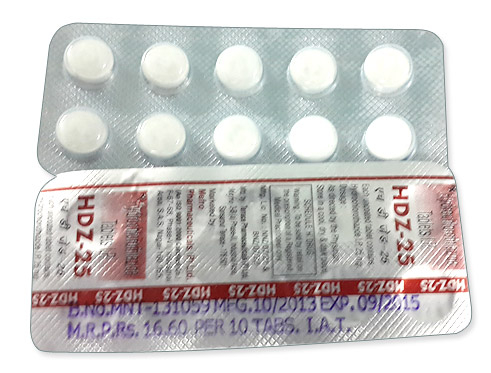
Microzide
- Some pharmacies and online sellers may offer microzide (hydrochlorothiazide) without a receipt, with delivery available in the United States; however, microzide is officially a prescription-only (Rx) medicine in most regions and you should consult a healthcare professional before use.
- Microzide is used to treat hypertension and edema; it is a thiazide diuretic that increases renal excretion of sodium and water (inhibiting the Na-Cl transporter in the distal tubule), which reduces blood volume and lowers blood pressure.
- Usual adult doses are 12.5–25 mg once daily for hypertension and 25–100 mg daily (in 1–2 divided doses) for edema; pediatric dosing is weight-based and elderly patients should start at the lowest effective dose.
- Administered orally as capsules (commonly 12.5 mg) or tablets (12.5, 25, 50 mg); liquid/powder formulations for suspension are also available.
- Onset of action is about 2 hours after an oral dose.
- Duration of action is approximately 24 hours.
- Avoid excessive alcohol while taking microzide, as alcohol can increase dizziness, orthostatic hypotension, dehydration, and worsen electrolyte disturbances.
- The most common side effects include dizziness/orthostatic hypotension, increased urination, muscle cramps or weakness (often related to low potassium), headache, and photosensitivity.
- Would you like to try microzide without a prescription?
Basic Microzide Information
- INN (International Nonproprietary Name): Hydrochlorothiazide.
- Brand Names Available In United States: Microzide (capsules 12.5 mg), Aquazide H (tablets/capsules 12.5–50 mg common strengths), Hydrodiuril (tablets 12.5, 25, 50 mg), plus generic hydrochlorothiazide marketed under multiple trade names such as Hydrocot, Inzirqo, and Zide.
- ATC Code: C03AA03 — Thiazide diuretics, plain.
- Forms & Dosages: Oral capsules (12.5 mg), tablets (12.5 mg, 25 mg, 50 mg), and powder for suspension in various strengths.
- Manufacturers In United States: Mylan Pharmaceuticals, Teva, and multiple generic suppliers.
- Registration Status In United States: FDA-approved prescription product.
- OTC / Rx Classification: Prescription only (Rx) in all regions reviewed.
Key Findings From Recent Trials
Worried which thiazide works best for long-term heart protection?
High-quality randomized controlled trials and meta-analyses from 2022–2026 continue to compare hydrochlorothiazide with longer-acting thiazides like chlorthalidone and with indapamide.
Trials show hydrochlorothiazide delivers reliable short-term blood pressure lowering at common doses of 12.5–25 mg daily.
Onset of antihypertensive action is about two hours with peak effect around four hours and approximate 24-hour duration for routine oral dosing.
Large comparative analyses trend in favor of chlorthalidone for reduction in long-term cardiovascular events, while hydrochlorothiazide often shows noninferior short-term systolic and diastolic reductions versus placebo.
Studies repeatedly report faster symptomatic relief of edema with hydrochlorothiazide in everyday practice.
Safety signals across trials emphasize electrolyte disturbances such as hypokalemia and hyponatremia, orthostatic hypotension, and photosensitivity.
Higher hydrochlorothiazide doses (≥50 mg daily) are linked to increased adverse events in trial reports.
Pharmacovigilance data reinforce important drug–drug interaction risks, including absolute contraindications with dofetilide and lithium as per product information.
Trials consistently recommend baseline and periodic monitoring of electrolytes and renal function for patients on maintenance therapy with hydrochlorothiazide.
Major 2022–2026 Studies
Which trials matter when picking HCTZ for a patient?
Recent randomized controlled trials focused on comparative effectiveness of thiazide-class agents for hypertension and cardiovascular endpoints.
Meta-analyses pooled data from multiple RCTs to examine hard outcomes and metabolic safety.
Head-to-head data emphasize differences in half-life and cardiovascular event reduction rather than dramatic differences in short-term blood pressure lowering.
Main Outcomes
What were the measurable benefits seen in trials?
Hydrochlorothiazide produced consistent systolic and diastolic reductions at standard 12.5–25 mg daily doses, often noninferior to placebo for BP lowering in short-term controlled studies.
Chlorthalidone data showed a trend toward greater long-term outcome benefit in some pooled analyses.
Indapamide was associated with preserved metabolic profiles in selected trials.
Safety Observations
What safety problems kept showing up?
Electrolyte abnormalities were the most consistent adverse findings: hypokalemia and hyponatremia occurred across trials.
Orthostatic hypotension and photosensitivity were reported as important patient-facing risks.
Higher daily doses increased the frequency of side effects, reinforcing current low-dose strategies for hypertension.
Clinical Mechanism Of Action
How does Microzide actually lower blood pressure and swelling?
In plain terms, Microzide is a "water pill" that helps the kidneys remove extra salt and water, which lowers blood volume and eases swelling.
At the molecular level, hydrochlorothiazide is a thiazide diuretic (ATC C03AA03) that inhibits the Na+-Cl− cotransporter in the distal convoluted tubule.
This blockade reduces sodium reabsorption and increases urinary sodium and water excretion, leading to a modest drop in intravascular volume.
Over time, vascular resistance also decreases, contributing to sustained blood pressure lowering.
Layman’s Explanation
What can I tell a patient who asks "how does this pill work"?
Tell them it helps the kidneys pass more salt and water so the heart has to pump less volume, and the legs and ankles lose extra fluid.
Point out that low-dose hydrochlorothiazide works slowly and is meant for daily maintenance rather than instant relief like stronger loop diuretics.
Scientific Breakdown
What does the pharmacology say about effect timing and metabolic consequences?
Hydrochlorothiazide onset is about two hours, peak around four hours, and duration roughly 24 hours after an oral dose.
The drug’s effect on sodium handling indirectly reduces blood pressure and provides edema control at higher doses.
Because sodium delivery increases to downstream tubular segments, potassium and magnesium losses can follow.
Renal Tubule Pharmacology
What kidney changes explain common lab abnormalities?
Inhibition of the Na+-Cl− transporter increases sodium delivery to the collecting duct, which drives potassium secretion and can cause hypokalemia.
Thiazide use can also raise serum uric acid and occasionally impair glucose tolerance in susceptible patients.
These mechanistic effects explain why clinicians pair thiazides with RAAS blockers or monitor electrolytes closely in at-risk patients.
Scope Of Approved & Off-Label Use
Can Microzide be used only for high blood pressure?
In the United States, Microzide capsules (12.5 mg) and generic hydrochlorothiazide are FDA-approved as prescription medications for hypertension and edema.
Typical antihypertensive doses are 12.5–25 mg once daily, while edema management often uses 25–100 mg daily in one or two doses depending on need.
United States Approvals
What does the label say clinicians can prescribe it for?
Approved indications include systemic hypertension and various causes of edema requiring diuresis.
Regulatory labeling and standard references specify dosing ranges aligned with the strengths available: 12.5, 25, and 50 mg tablets or 12.5 mg capsules.
Notable Off-Label Trends
Are clinicians using hydrochlorothiazide for anything beyond the label?
Yes—off-label patterns include adding low-dose HCTZ to ACE inhibitor or ARB therapy to improve blood pressure control in resistant hypertension, especially via combination products like lisinopril/HCTZ for adherence.
Other uses reported in practice include low-dose chronic therapy for recurrent calcium kidney stones in patients with idiopathic hypercalciuria and intermittent use for mild orthostatic edema in the elderly.
When considering off-label use, clinicians must weigh risks such as pregnancy precautions, renal impairment, and sulfonamide hypersensitivity.
Dosage Strategy
How should a patient start Microzide so risks are minimized?
For most adults with hypertension, start at the low end—12.5 mg orally once daily—and reassess after 1–2 weeks.
Edema dosing is higher and individualized: 25–100 mg daily split into one or two doses until volume control is achieved, then step down to maintenance.
General Dosing
What is a safe starting dose for routine hypertension?
Standard adult dosing for hypertension is 12.5–25 mg once daily.
Elderly patients and those at high risk for electrolyte issues should begin at 12.5 mg and be monitored closely.
Condition-Specific Dosing
How do clinicians adjust for children, renal impairment, or older adults?
Pediatric dosing is weight-based (commonly 1–2 mg/kg) under specialist supervision.
Use caution when eGFR falls below 30 mL/min and avoid in anuric patients.
For hepatic impairment, monitor closely because of encephalopathy risk with fluid shifts.
Titration & Monitoring
What follow-up checks and rules guide dose changes?
After initiation or dose change, check blood pressure and basic metabolic panel at 1–2 weeks.
Then schedule periodic labs every 3–6 months or more often if the patient is high risk.
Always counsel patients not to double-dose if they miss a dose and to seek emergency care for signs of severe hypotension or electrolyte disturbance.
Safety Protocols
What should make a clinician stop or not start Microzide?
Absolute contraindications include anuria and known hypersensitivity to hydrochlorothiazide or sulfonamide-derived drugs.
Co-administration with dofetilide or lithium is contraindicated because of severe, documented interactions.
Contraindications
Who must not receive hydrochlorothiazide?
Patients with anuria or documented sulfonamide allergy should not take the drug.
Avoid it when the patient is actively taking dofetilide or lithium.
Adverse Effects
Which side effects will patients most likely notice?
Common mild effects include headache, dizziness or orthostatic hypotension, increased urination, dry mouth, and photosensitivity.
Moderate effects may include muscle cramps, weakness, constipation, nausea, and clinically important electrolyte disturbances such as hypokalemia and hyponatremia.
Patients with gout, diabetes, or significant renal or hepatic disease require extra caution and monitoring.
Monitoring Schedule
How often should labs be checked?
Obtain baseline BMP (electrolytes and creatinine) before starting therapy.
Repeat labs at 1–2 weeks after initiation or dose change, and then every 3–6 months for stable patients, more often for high-risk individuals.
For elderly patients or those on multiple antihypertensives, check orthostatic vitals and fall risk at clinic visits.
Interaction Mapping
Could common prescriptions or supplements make Microzide unsafe?
No major food interactions are documented, but a high-sodium diet will blunt the blood pressure response to thiazide diuretics.
Food Interactions
How does diet affect hydrochlorothiazide?
Consistent sodium intake is important because dietary sodium affects diuretic efficacy.
Advise patients to avoid large, inconsistent salt loads when on maintenance therapy.
Drug Combinations To Avoid
Which drugs are absolute no-go with HCTZ?
Avoid co-prescribing dofetilide or lithium because these combinations are contraindicated due to elevated toxicity risks.
Also avoid duplication with other potassium-wasting diuretics without specialist oversight.
Common Clinically Significant Interactions
What routine meds cause problems with hydrochlorothiazide?
NSAIDs may reduce diuretic efficacy and worsen renal function when combined with thiazides.
ACE inhibitors or ARBs combined with HCTZ require monitoring—these combos can sometimes normalize potassium but also affect renal function.
Corticosteroids, amphotericin B, or stimulant laxatives can exacerbate hypokalemia when taken with HCTZ.
Advise patients to mention supplements like licorice that can influence potassium and blood pressure.
Patient Experience Analysis
Will a patient actually take Microzide every day without complaints?
Observation cohorts and surveys show many patients like the once-daily convenience of a 12.5 mg Microzide capsule.
Adherence falls when patients experience polyuria, dizziness, or cramps—side effects that are more common with higher doses.
Survey Data
What do real patients report about benefit versus burden?
Patients report meaningful reductions in mild edema and blood pressure when adherent to prescribed hydrochlorothiazide therapy.
Clear clinician communication about expected monitoring and side effects improves reported confidence and adherence.
Forum Trends
What practical tips do patients share online?
Common forum advice includes dosing in the morning to reduce nocturia, using dietary potassium or supplements for cramps, and asking about alternative thiazides like chlorthalidone or indapamide if control or tolerability is poor.
Gaps in patient education often relate to the timing of lab checks and the impact of dietary sodium on drug effectiveness.
Distribution & Pricing Landscape
Is Microzide affordable and easy to find in the United States?
Generic hydrochlorothiazide is widely available from multiple manufacturers including Mylan and Teva, keeping per-tablet prices low through competition.
Brand Microzide (12.5 mg capsules) may carry a modest premium compared with generics.
Online pharmacies, mail-order services, and retail chains increase access and convenience for patients seeking Microzide or generic hydrochlorothiazide.
Formulary placement is often Tier 1 or preferred for generic HCTZ, which minimizes out-of-pocket costs for many insured patients.
Packaging ranges from blister packs to bottles and hospital bulk; multi-source manufacture lowers shortage risk in most regions.
In our online pharmacy, microzide is available without a prescription, with discreet delivery to United States in 5-14 days.
Alternative Options
Should a clinician consider switching from HCTZ to another diuretic?
Primary alternatives include chlorthalidone and indapamide among thiazide-type agents, and loop diuretics like furosemide for more severe edema.
Comparison Table
Which diuretic fits which clinical need?
- Chlorthalidone: longer half-life, possible advantage in cardiovascular outcome data, but may increase metabolic effects in some patients.
- Indapamide: similar antihypertensive efficacy and may have a more favorable metabolic profile in selected studies.
- Furosemide: preferred for acute or severe volume overload; requires more frequent dosing and monitoring.
Pros And Cons
What are the practical reasons to choose HCTZ versus an alternative?
HCTZ pros: generally well tolerated at low doses, once-daily dosing, broad availability in low-cost generic forms.
HCTZ cons: shorter duration than chlorthalidone and dose-related metabolic risks that necessitate monitoring.
Individual choice depends on cardiovascular risk, prior tolerance, renal function, and formulary access.
Regulatory Status
Is hydrochlorothiazide regulated the same way everywhere?
Hydrochlorothiazide is an established prescription-only medication in major jurisdictions.
In the United States Microzide and multiple generic HCTZ products are FDA-approved Rx products.
ATC classification is C03AA03 for thiazide diuretics, plain, reflecting its accepted therapeutic grouping.
Regulatory labels include contraindications for anuria and sulfonamide hypersensitivity and list significant drug interactions such as dofetilide and lithium.
Postmarketing surveillance continues to monitor electrolyte disturbances, effects on glucose and uric acid, and rare photosensitivity reactions.
Consolidated FAQ
Got quick questions? Here are direct answers patients and clinicians ask most.
- What Is Microzide? Microzide is a brand of hydrochlorothiazide, a thiazide diuretic commonly used for hypertension and edema; the US Microzide capsule is typically 12.5 mg.
- How Quickly Does It Work? Onset is about 2 hours, peak around 4 hours, and duration near 24 hours for standard oral dosing.
- What Monitoring Is Needed? Baseline electrolytes and renal function, repeat 1–2 weeks after start or dose change, then periodically (every 3–6 months) or more often if high risk.
- What Are Key Safety Concerns? Watch for hypokalemia, hyponatremia, orthostatic hypotension, and photosensitivity; avoid in anuria and sulfonamide allergy; do not co-prescribe with dofetilide or lithium.
- Can It Be Used In Pregnancy? Use caution; avoid especially in the first trimester and during lactation unless benefits clearly outweigh risks and under close medical supervision.
- Alternatives? Chlorthalidone, indapamide, or furosemide depending on the indication and patient profile.
Visual Guide
Would a picture help patients remember what to watch for?
Suggested visuals include a nephron infographic showing Na+-Cl− cotransporter blockade in the distal tubule and annotating onset (~2h), peak (~4h), and duration (~24h).
Other useful visuals are a dosing flowchart for hypertension versus edema, a safety checklist poster for labs and red-flag symptoms, a comparative bar chart of HCTZ versus chlorthalidone and indapamide, and a patient-facing dosing card advising morning dosing and when to call the clinician.
Storage & Transport
How should patients store Microzide at home and how should pharmacies handle shipping?
Store hydrochlorothiazide formulations at controlled room temperature, 20–25°C (68–77°F), away from excess heat, moisture, and light.
Tablets and capsules typically come in blister packs or bottles and should be kept in their original container out of reach of children.
For mail-order shipments, include desiccant packets and avoid exposing packages to prolonged extreme temperatures; standard ambient transport is generally acceptable.
Guidelines For Proper Use
What checklist helps clinicians prescribe safely and document decisions?
Verify the indication (hypertension or edema), assess contraindications such as anuria or sulfonamide allergy, and review the medication list for dofetilide or lithium before initiating therapy.
Obtain baseline BMP and start at 12.5 mg daily for most hypertensive patients, individualizing for elderly or renal impairment.
Counsel patients to take the dose in the morning to reduce nocturia, maintain consistent sodium intake, and report dizziness, severe cramps, or signs of dehydration immediately.
Document shared decision-making, expected monitoring schedule, and a plan for lab follow-up at 1–2 weeks and then periodically thereafter.
Delivery Across United States
| City | Region | Delivery Time |
|---|---|---|
| New York | New York | 5-7 days |
| Los Angeles | California | 5-7 days |
| Chicago | Illinois | 5-7 days |
| Houston | Texas | 5-7 days |
| Phoenix | Arizona | 5-7 days |
| Philadelphia | Pennsylvania | 5-7 days |
| San Antonio | Texas | 5-7 days |
| San Diego | California | 5-9 days |
| Dallas | Texas | 5-9 days |
| San Jose | California | 5-9 days |
| Austin | Texas | 5-9 days |
| Jacksonville | Florida | 5-9 days |
| San Francisco | California | 5-9 days |
| Columbus | Ohio | 5-9 days |
| Indianapolis | Indiana | 5-9 days |