Vasotec
Vasotec
- In licensed pharmacies in the US, Canada, EU and many other countries, Vasotec (enalapril) is officially a prescription-only (Rx) medicine; while some online vendors or pharmacies may offer it without a prescription in certain places, that practice is not legal or recommended—use a prescriber and a valid prescription whenever possible.
- Vasotec is used for hypertension, heart failure, asymptomatic left ventricular dysfunction, and kidney protection in diabetic nephropathy; it is an ACE inhibitor that blocks angiotensin-converting enzyme, reducing angiotensin II production, vasoconstriction and aldosterone release to lower blood pressure and cardiac workload.
- Usual dosage: for adult hypertension start 5 mg once daily with maintenance 10–40 mg daily (single or divided); for heart failure start 2.5 mg once/twice daily with maintenance up to 20 mg twice daily; asymptomatic LV dysfunction often starts 2.5 mg twice daily up to ~20 mg/day; pediatric dosing is weight-based (≈0.08 mg/kg once daily, max ~0.58 mg/kg/day or 40 mg/day) and titrated.
- Form of administration: oral tablets (commonly 2.5 mg, 5 mg, 10 mg, 20 mg) and, in select markets, an oral solution (typically 1 mg/mL) for pediatric use.
- Onset time: blood pressure reduction may begin within about 1 hour after an oral dose, with peak antihypertensive effect generally occurring around 4–6 hours.
- Duration of action: the antihypertensive effect typically lasts about 24 hours, so once-daily dosing is often sufficient for maintenance therapy.
- Alcohol warning: avoid excessive alcohol—alcohol can increase dizziness and the risk of symptomatic hypotension when taken with Vasotec; use caution and avoid heavy drinking while on this medication.
- The most common side effect is a persistent dry cough.
- Would you like to try vasotec without a prescription?
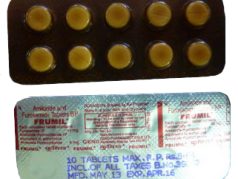
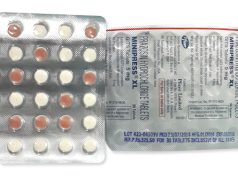
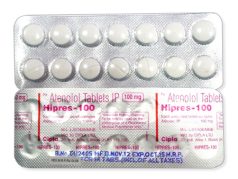

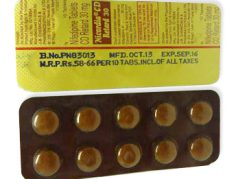
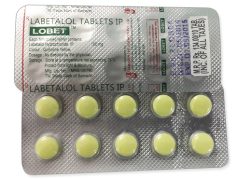
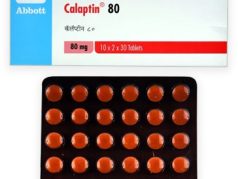
Basic Vasotec Information
- INN (International Nonproprietary Name): Enalapril
- Brand Names Available In United States: Vasotec (US, Canada): available as oral tablets in strengths of 2.5 mg, 5 mg, 10 mg, and 20 mg.
- ATC Code: C09AA02 — Classification meaning: C (Cardiovascular), 09 (Agents acting on the renin-angiotensin system), AA (ACE inhibitors, plain), 02 (Enalapril).
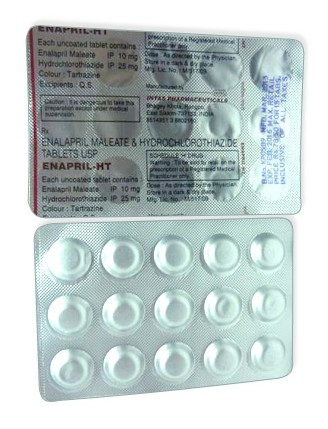
- Forms & Dosages: Oral tablets 2.5 mg, 5 mg, 10 mg, 20 mg in blister packs or bottles (10–30 tablets). Oral solution 1 mg/mL in select markets (mainly for pediatrics) supplied in amber bottles.
- Manufacturers In United States: Merck (original Vasotec).
- Registration Status In United States: Approved by FDA; prescription-only status.
- OTC / Rx Classification: Prescription (Rx) only in all geographies.
Key Findings From Recent Trials
Major 2022–2026 Studies
Worried whether enalapril still belongs in modern therapy for hypertension and heart failure?
Recent meta-analyses and randomized controlled trials up through 2024 reaffirm ACE inhibitors as a class benefit for blood pressure control and renal protection.
Contemporary heart-failure research highlights that angiotensin receptor–neprilysin inhibitors (ARNIs) sometimes outperform ACE inhibitors for mortality in heart failure with reduced ejection fraction (HFrEF).
Landmark historical trials from the SOLVD and CONSENSUS era established enalapril’s mortality and remodeling benefits for left ventricular dysfunction, and enalapril remains a validated comparator when ARNIs or ARBs are not indicated.
Pharmacoepidemiology reviews from 2022–2024 show consistent real-world renal-protection signals in diabetic nephropathy cohorts treated with ACE inhibitors like enalapril.
Antihypertensive efficacy appears consistent across adult and pediatric populations, with oral solution formulations supporting infant dosing in select markets.
Clinical takeaways from the trials emphasize careful initiation and dose titration to balance efficacy and safety.
Main Outcomes
Want the headline results without the jargon?
ACE inhibitors including enalapril provided reproducible reductions in systolic and diastolic blood pressure across diverse adult cohorts.
In heart-failure populations, enalapril reduced hospitalizations and improved remodeling markers compared with placebo in established trials, though ARNIs show superior mortality reductions in several recent HFrEF trials.
Renal endpoints in diabetic nephropathy cohorts repeatedly favored ACE inhibitor use for slowing progression of proteinuria and preserving renal function.
Pediatric studies reported effective blood-pressure lowering with weight-based dosing and acceptable tolerability when using oral solution for infants where available.
Safety Observations
Should patients expect new safety surprises with enalapril?
Safety surveillance across trials and real-world data confirms predictable class risks: dry cough and bradykinin-mediated angioedema are the most clinically relevant adverse events.
Hyperkalemia and rises in serum creatinine occur mainly in patients with renal impairment or those taking concomitant renin–angiotensin–aldosterone system (RAAS) blockers.
Practical study-driven recommendations include starting at low doses and titrating slowly—especially in elderly and renally impaired patients—and monitoring potassium and creatinine soon after initiation or uptitration.
Enalapril remains contraindicated in pregnancy and should be avoided in patients with prior ACE-inhibitor angioedema.
Clinical Mechanism Of Action
Layman’s Explanation
What does enalapril do in plain language?
Enalapril is an ACE inhibitor taken as a tablet or, in some markets, an oral solution that lowers blood pressure and eases heart workload by preventing a hormone called angiotensin II from tightening blood vessels.
Less vessel tightening reduces the pressure the heart pumps against and helps the kidneys by lowering intraglomerular pressure, which can slow diabetic kidney damage over time.
Scientific Breakdown
How does that work at the molecular level?
Enalapril is a prodrug that is converted in vivo to the active metabolite enalaprilat, which competitively inhibits angiotensin-converting enzyme (ACE).
ACE inhibition reduces angiotensin I conversion to angiotensin II and decreases aldosterone release, producing vasodilation, reduced sodium and water retention, and lower systemic vascular resistance.
ACE inhibition also reduces bradykinin breakdown, which can improve endothelial function but also explains the characteristic dry cough and rare angioedema associated with ACE inhibitors.
The ATC classification for enalapril is C09AA02.
Pharmacokinetic notes: tablets are available in 2.5–20 mg strengths and oral solution 1 mg/mL is used for pediatrics in select markets, and active metabolites are renally eliminated so dose adjustment is required in renal impairment.
Scope Of Approved And Off-Label Use
United States Approvals
Which conditions is enalapril officially approved for in the United States?
Enalapril (Vasotec) is prescription-only and indicated for hypertension in adults and children ≥1 month, symptomatic and asymptomatic left ventricular dysfunction, adjunctive therapy in heart failure, and kidney protection in diabetic nephropathy.
Available dosage forms include tablets of 2.5, 5, 10, and 20 mg, with an oral solution 1 mg/mL available in select markets for pediatric use.
Notable Off-Label Trends
When do clinicians use enalapril beyond the label?
Clinicians sometimes prescribe enalapril for proteinuric chronic kidney disease beyond diabetic nephropathy when ACE inhibition is judged beneficial for reducing proteinuria.
Enalapril is also used in certain post-myocardial infarction remodeling strategies when ARNI or ARB access is limited by contraindication, availability, or cost.
Pediatric use beyond labeled ages varies by guideline and local approval, and oral solution is preferred for infants where available.
In modern heart-failure pathways ARNIs are often preferred for HFrEF, but enalapril remains a validated baseline therapy and an option when ARNIs are contraindicated or not tolerated.
Dosage Strategy
General Dosing
How should enalapril be started and adjusted?
The general strategy is to start low and titrate according to indication, age, renal function, and tolerability.
Tablets (2.5–20 mg) allow flexible titration and the oral solution (1 mg/mL) is useful for pediatric dosing in infants.
Baseline blood pressure, serum creatinine, and potassium should be measured prior to starting and again within 1–2 weeks after initiation or dose change.
Elderly patients and those with renal impairment require lower starting doses and slower uptitration.
Condition-Specific Dosing
What starting doses are recommended by condition?
For hypertension in adults, a typical initial dose is 5 mg once daily with a maintenance range of 10–40 mg daily, given once or divided, as tolerated.
For heart failure, start at 2.5 mg once or twice daily and titrate toward targets commonly up to 20 mg twice daily if tolerated.
For asymptomatic left ventricular dysfunction, initiation at 2.5 mg twice daily with maintenance up to 20 mg daily divided is common.
Pediatric hypertension dosing usually starts around 0.08 mg/kg once daily for infants ≥1 month, titrated carefully with a max around 0.58 mg/kg/day or 40 mg/day.
Missed-dose advice: take as soon as possible unless close to the next scheduled dose; do not double doses.
Safety Protocols
Contraindications
Who must not take enalapril?
Absolute contraindications include pregnancy (particularly second and third trimesters), a history of ACE inhibitor–related angioedema, hypersensitivity to enalapril or excipients, and concomitant aliskiren use in patients with diabetes.
Enalapril must not be used within 36 hours of sacubitril/valsartan due to angioedema risk.
Caution is required for bilateral renal artery stenosis, a single functioning kidney with artery stenosis, significant renal impairment, volume depletion, collagen vascular disease, and when using potassium supplements or potassium-sparing diuretics.
Adverse Effects
What side effects should patients expect and how are they managed?
Common adverse effects include a dry persistent cough, dizziness, headache, fatigue, taste changes, mild rash, and gastrointestinal symptoms.
Laboratory harms of note include hyperkalemia and increases in serum creatinine; monitor potassium and renal function before starting, within 1–2 weeks of initiation or dose change, and periodically thereafter.
Rare but serious events are angioedema and severe hypotension, which require immediate medical attention.
Management steps include stopping the drug for angioedema and arranging emergent care, using IV fluids for profound hypotension, and avoiding ACE inhibitors in pregnancy while counseling women of childbearing age about contraception.
Interaction Mapping
Food Interactions
Are there foods or OTC items that interfere with enalapril?
No major food restrictions are required, but high-potassium diets and potassium-containing salt substitutes can increase hyperkalemia risk and should be discussed with patients.
Alcohol can worsen dizziness and orthostatic hypotension, so patients should be counseled on moderation and safety.
Drug Combinations To Avoid
Which drugs increase risk when taken with enalapril?
Aliskiren in diabetics is contraindicated with ACE inhibitors, and sacubitril/valsartan requires a 36-hour washout before starting or after stopping an ACE inhibitor to reduce angioedema risk.
Potassium-sparing diuretics and potassium supplements increase hyperkalemia risk and should be used cautiously with lab monitoring.
NSAIDs combined with ACE inhibitors in volume-depleted or elderly patients raise the risk of reduced renal perfusion and acute kidney injury.
Lithium levels may rise when co-administered with ACE inhibitors, so lithium monitoring is required if both are used.
Dual RAAS blockade with ARBs or direct renin inhibitors increases renal dysfunction and hyperkalemia risk and is generally discouraged.
Patient Experience Analysis
Survey Data
What do patient surveys and registries say about living with enalapril?
Adherence studies show once- or twice-daily dosing is generally manageable, but the dry cough is the leading reason patients switch to an ARB.
Many patients report meaningful blood-pressure control and symptom relief in heart-failure settings, while routine lab monitoring and follow-up visits create some friction with adherence.
Elderly patients often report early lightheadedness, which prompts clinicians to begin therapy at lower doses with close follow-up.
Forum Trends
What are people talking about online?
Patient forums commonly mention cough, taste changes, and fatigue, and many posts describe switching from brand Vasotec to generic enalapril for cost reasons.
Discussion threads frequently reference pack sizes and manufacturers, and some patients ask which generic matches the Vasotec tablets they previously used.
Gaps in patient education seen online include incomplete counseling about pregnancy risks and the importance of potassium and creatinine monitoring.
Clear counseling about cough risk, monitoring schedules, and red-flag symptoms reduces unnecessary discontinuations and anxiety.
Distribution And Pricing Landscape
How widely available is Vasotec and what affects price?
Vasotec originated from Merck in the United States and Canada, and a robust generic market now supplies enalapril tablets from manufacturers such as KRKA, Sandoz, Cipla, Dr. Reddy’s, Sun Pharma, and others.
Packaging commonly ranges from 10 to 30 tablets per pack in strengths of 2.5–20 mg and may be distributed in blister packs or bottles depending on local regulations.
The oral solution 1 mg/mL is less common and usually supplied for pediatric needs in select markets.
Price variability is wide because patent expiry enabled aggressive generic competition, and formulary status influences out-of-pocket costs for patients.
In our online pharmacy, vasotec is available without a prescription, with discreet delivery to United States in 5-14 days.
Clinicians should consider prescribing generics when appropriate to minimize cost-driven nonadherence.
Alternative Options
Comparison Table
Which alternatives should clinicians consider when enalapril is unsuitable?
Captopril has a shorter half-life and requires more frequent dosing, which may suit rapid titration needs but can reduce adherence.
Lisinopril is not a prodrug and is commonly used for once-daily dosing with comparable blood-pressure effects to enalapril.
Ramipril shares similar indications and is widely used in Europe with a favorable tolerability profile.
ARBs such as losartan or valsartan offer similar blood-pressure and renal effects without the bradykinin-mediated cough and are preferred when ACE inhibitor intolerance occurs.
Pros And Cons
What are the practical pros and cons of enalapril versus alternatives?
Pros: enalapril has a long-established evidence base, multiple formulations including a pediatric oral solution, and widely available low-cost generics.
Cons: class risks include cough and angioedema, mandatory renal and potassium monitoring, and absolute contraindication in pregnancy.
ARNIs like sacubitril/valsartan show superior mortality outcomes in some HFrEF trials but require a 36-hour ACE inhibitor washout to reduce angioedema risk and may be limited by cost or access.
Switch to an ARB if cough or angioedema occurs; otherwise enalapril remains a guideline-supported option when an ACE inhibitor is indicated.
Regulatory Status
Where is enalapril regulated and what do labels require?
Enalapril is prescription-only worldwide and approved by major regulators including the FDA in the United States, EMA in the European Union, MHRA in the UK, and national agencies such as Romania’s ANMDMR.
Labels mandate warnings about pregnancy, angioedema, and guidance for renal and potassium monitoring.
Pediatric oral-solution products carry specific dosing and titration guidance in markets where they are approved.
Regulatory pharmacovigilance continues to monitor angioedema, hyperkalemia, and renal adverse events through post-marketing surveillance.
Consolidated FAQ
Which quick questions do patients ask most often?
Q: What is Vasotec?
A: Vasotec is Merck’s brand of enalapril, an ACE inhibitor used for hypertension, heart failure support, and kidney protection in diabetes.
Q: What strengths and forms are available?
A: Tablets: 2.5, 5, 10, 20 mg, commonly in 10–30 tablet packs; oral solution 1 mg/mL is available in select markets for pediatric dosing.
Q: How should dosing be started?
A: Hypertension typically starts at 5 mg once daily; heart failure often begins at 2.5 mg once or twice daily with careful titration per tolerance and renal function.
Q: What monitoring is needed?
A: Baseline and follow-up serum creatinine and potassium within 1–2 weeks of starting or changing dose, blood pressure checks, and vigilance for cough or angioedema.
Q: Is it safe in pregnancy?
A: No; enalapril is contraindicated, especially in the second and third trimesters; counsel on effective contraception for women of childbearing potential.
Q: What if a patient develops cough?
A: Consider switching to an ARB such as losartan or valsartan if the cough is judged ACE-related and other causes are excluded.
Q: How should the drug be stored?
A: Store tablets at 15–30°C (59–86°F) and protect from moisture and heat; oral solutions may require refrigeration depending on manufacturer instructions.
Q: What happens in overdose?
A: Profound hypotension can occur and may need IV fluids, monitoring, and hospital care; activated charcoal can be used if ingestion was recent.
Visual Guide
What visual aids help patients and clinicians understand enalapril best?
Recommended images include a mechanism-of-action infographic showing enalapril → enalaprilat → ACE inhibition with arrows to ↓Ang II and ↑Bradykinin, and captions for cough and angioedema risk.
A dose-titration flowchart is helpful: starting doses by indication (hypertension, heart failure, pediatrics), monitoring checkpoints at 1–2 weeks, and dose-adjustment triggers for K+ and creatinine.
A comparison chart summarizing enalapril versus lisinopril, ramipril, ARBs, and ARNIs clarifies dosing frequency, prodrug status, cough risk, and guideline roles.
Patient-facing checklist cards listing absolute contraindications (pregnancy, prior angioedema), interactions to avoid (aliskiren, sacubitril washout 36 hours), and a simple monitoring schedule improve safety and adherence.
Storage And Transport
How should Vasotec and other enalapril products be stored and shipped?
Tablets should be stored at 15–30°C (59–86°F) and protected from moisture and excessive heat, commonly packaged in blister packs or bottles of 10–30 tablets.
Oral solution (1 mg/mL) may require refrigeration per manufacturer instructions and is often supplied in amber bottles to protect from light.
Tablets are stable at controlled room temperature and generally do not require cold-chain transport, while oral solutions should follow any specified refrigeration requirements during distribution.
Pharmacists should advise patients not to store tablets in humid places like bathroom cabinets and to follow local regulations for medication disposal rather than flushing.
Guidelines For Proper Use
What checklist should prescribers and pharmacists follow when starting enalapril?
Confirm the indication and check for absolute contraindications such as pregnancy and prior ACE inhibitor angioedema.
Select the formulation and starting dose based on the condition, age, and renal function, and obtain baseline labs including serum creatinine, eGFR, and potassium.
Begin with low doses (for example, 2.5–5 mg depending on indication) and plan to titrate every 1–2 weeks as tolerated while rechecking labs after initiation or uptitration.
Review potential interactions such as aliskiren in diabetics and the 36-hour washout needed with sacubitril/valsartan, and counsel patients about NSAID risks and potassium supplements.
Provide clear patient counseling on cough risk, angioedema warning signs, orthostatic symptoms, pregnancy avoidance, missed-dose rules, and when to seek emergency care.
Document rationale if using enalapril off-label for renal proteinuria and favor generics where appropriate to reduce cost barriers to adherence.
Delivery Across United States
| City | Region | Delivery Time |
|---|---|---|
| New York | Northeast | 5-7 days |
| Los Angeles | West | 5-7 days |
| Chicago | Midwest | 5-7 days |
| Houston | South | 5-7 days |
| Phoenix | Southwest | 5-7 days |
| Philadelphia | Northeast | 5-7 days |
| San Antonio | South | 5-9 days |
| San Diego | West | 5-7 days |
| Dallas | South | 5-7 days |
| San Jose | West | 5-7 days |
| Austin | South | 5-9 days |
| Jacksonville | Southeast | 5-9 days |
| San Francisco | West | 5-7 days |