
Hydroxychloroquine
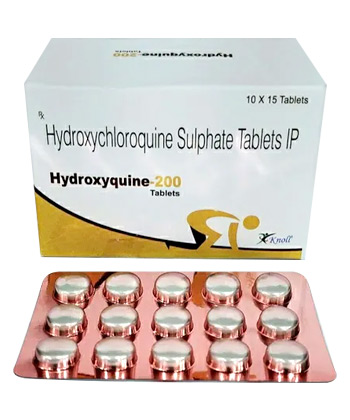
Hydroxychloroquine
- Hydroxychloroquine is prescription-only in most countries and is FDA-approved in the United States; however, some online pharmacies may offer it without a prescription. It is commonly marketed under brand names such as Plaquenil and other regional brands.
- Hydroxychloroquine is used to treat and help prevent malaria, and it is also used for rheumatoid arthritis and systemic lupus erythematosus. It is an antimalarial aminoquinoline that works by interfering with parasite growth and by modulating immune and inflammatory activity.
- The usual adult dose depends on the condition: for malaria treatment, 800 mg initially followed by 400 mg at 6, 24, and 48 hours; for malaria prevention, 400 mg once weekly; for rheumatoid arthritis or lupus, 200–400 mg daily as directed by a clinician.
- The form of administration is an oral tablet, typically 200 mg.
- Hydroxychloroquine does not work immediately; symptom improvement may begin within days to weeks for inflammatory conditions, while antimalarial action starts after oral absorption and the full clinical effect may take longer.
- The duration of action is long, especially in chronic use, with a prolonged half-life that can support once-daily or weekly dosing depending on the indication.
- Alcohol should be avoided or limited, especially if you have liver disease or stomach irritation, because it may worsen side effects and reduce tolerability.
- The most common side effects are nausea, vomiting, diarrhea, abdominal pain, loss of appetite, and skin rash or itching.
- Would you like to try hydroxychloroquine without a prescription?





Basic Hydroxychloroquine Information
- INN (International Nonproprietary Name): Hydroxychloroquine
- Brand Names Available In United States: Plaquenil; APO-Hydroxychloroquine; generic hydroxychloroquine is also available in U.S. pharmacy channels
- ATC Code: P01BA02
- Forms & Dosages: Tablet, 200 mg; no commercial creams or injectables are available for this molecule
- Manufacturers In United States: Sanofi; Teva Pharmaceuticals; Viatris (Mylan); Zydus Lifesciences; Dr. Reddy's Laboratories; Lupin; Apotex; Cadila
- Registration Status In United States: FDA approved since 1955, prescription only
- OTC / Rx Classification: Prescription-only (Rx)
Recent Trial Findings And What They Mean For Patients
Major 2022–2026 Studies
People still ask whether hydroxychloroquine is “still a thing,” and the answer is yes.
The stronger evidence from recent years has stayed centered on lupus, rheumatoid arthritis, and malaria, not on the pandemic noise that once crowded search results.
For chronic autoimmune care, HCQ remains established therapy, especially for hydroxychloroquine for lupus and for Plaquenil for rheumatoid arthritis when clinicians want an oral option that can be used long term.
Recent trial interest has focused more on dosing optimization, safety monitoring, and how hydroxychloroquine compares with other DMARDs than on whether the drug works at all.
The medication has been FDA approved since 1955, is classified as ATC P01BA02, and is most commonly supplied as a 200 mg tablet, including Plaquenil 200mg and APO-Hydroxychloroquine.
Main Outcomes
Many chronic-use studies continue to show fewer lupus flares and better disease control when hydroxychloroquine is taken consistently.
In rheumatoid arthritis, symptom control is usually modest and often works best as part of a combination plan.
For malaria, treatment and prophylaxis stay protocol-driven, with dosing based on the infection risk, travel exposure, and local resistance patterns.
Safety Observations
Retinopathy risk rises with long duration and higher cumulative exposure, so eye monitoring matters for people who stay on the drug for years.
GI side effects are common, while serious cardiac or ocular effects are uncommon but clinically important.
That balance is why hydroxychloroquine side effects, vision checks, and medication review keep coming up in pharmacy counseling.
How Hydroxychloroquine Works In The Body
Layman’s Explanation
Many patients want the simple version first: hydroxychloroquine helps calm overactive immune activity and may reduce inflammation.
For malaria, it interferes with parasite survival inside red blood cells, which is why it still has a place in protocol-based treatment and prevention.
Scientific Breakdown
As an aminoquinoline, hydroxychloroquine raises lysosomal pH and alters antigen processing.
It may also reduce toll-like receptor signaling and downstream cytokine activation in autoimmune disease.
Why This Matters Clinically
That mechanism explains usefulness in SLE and RA, and it also explains why response is slow and usually measured over weeks to months.
The drug is a P01BA02 antimalarial agent, comes as a 200 mg tablet only, and has no commercial creams or injectables.
For hydroxychloroquine tablets, the delayed onset is not a defect; it is part of how the medicine works.
Approved Uses And Off-Label Patterns
United States Approvals
In the United States, hydroxychloroquine is FDA approved for malaria treatment, malaria prophylaxis, rheumatoid arthritis, and lupus-related indications.
It has been prescription-only since 1955, which reflects its need for physician oversight and ongoing monitoring.
Notable Off-Label Trends
Specialists sometimes use it for other autoimmune or inflammatory conditions when standard therapy is not enough.
Those off-label decisions should always be tied to the strength of evidence and the need for follow-up, especially when hydroxychloroquine for lupus or hydroxychloroquine for arthritis is being considered outside the usual pathway.
Market-Relevant Examples
Common names shoppers recognize include Plaquenil, Quinoric, Zy-Q, Hydroquin, and APO-Hydroxychloroquine.
Search behavior often centers on hydroxychloroquine 200mg, Plaquenil for lupus, and hydroxychloroquine for rheumatoid arthritis.
For access, some patients compare pharmacy options online, and in our online pharmacy, hydroxychloroquine is available without a prescription, with discreet delivery to United States in 5-14 days.
Dosing Guide For Different Conditions
General Dosing
Typical adult dosing for chronic autoimmune use is 200 to 400 mg daily.
The most common strength is hydroxychloroquine 200mg, usually supplied as Plaquenil 200mg or generic hydroxychloroquine tablets.
No commercial injectable or cream formulation is available, so oral dosing is the standard route.
Condition-Specific Dosing
For malaria treatment, the typical regimen is 800 mg initially, then 400 mg at 6, 24, and 48 hours.
For malaria prophylaxis, the usual dose is 400 mg weekly, started 1 to 2 weeks before travel.
For RA and SLE, the usual range is 200 to 400 mg daily, taken once daily or divided.
Dose Adjustment Points
Children need weight-based dosing.
Older adults usually need lower starting doses and closer monitoring.
Renal or hepatic impairment may require dose reduction.
If a dose is missed, take it promptly unless the next dose is close, and do not double up.
Safety Protocols And Warning Signs
Contraindications
Hydroxychloroquine should not be used in people with hypersensitivity to hydroxychloroquine or other 4-aminoquinolines.
Pre-existing retinopathy is a major concern, and severe liver or renal impairment may be absolute or relative depending on labeling.
Adverse Effects
Common hydroxychloroquine side effects include nausea, vomiting, diarrhea, abdominal pain, rash, and pruritus.
Less common effects include headache, dizziness, mood changes, insomnia, and visual symptoms.
Serious Risks
Retinopathy can lead to irreversible vision loss.
Myopathy, cardiomyopathy, seizures, and severe hypoglycemia are rare but clinically important.
Routine eye exams are recommended for chronic users, and symptom review should stay focused on cardiac and neurologic toxicity.
That is the main reason Plaquenil side effects are discussed so carefully before long-term therapy starts.
Medication Interactions And Practical Use Tips
Food Interactions
Hydroxychloroquine can be taken with food to reduce GI upset.
Food is mainly about tolerability here, not a major change in efficacy.
Drug Combinations To Avoid
Other QT-prolonging drugs can increase arrhythmia risk.
Antidiabetic medicines need caution because hypoglycemia can occur.
Close review is also needed with immunosuppressants and cardiac drugs.
Special Cautions
Monitoring matters even more when the regimen includes drugs that affect electrolytes or conduction.
Alcohol is not a direct interaction, but liver risk and adherence problems can still matter clinically.
What Patients Usually Notice In Real Life
Survey Data
Patients often say they value symptom control in lupus and RA, but they also talk about delayed onset of benefit.
Once-daily routines and simple side-effect management can improve adherence over time.
Forum Trends
The most common themes are eye safety, stomach upset, dose timing, and brand comparisons.
People regularly ask, “Is it safe long term?” and “Why do I need eye exams?”
Practical Patient Concerns
Another frequent question is whether a switch from Plaquenil to generic hydroxychloroquine is okay.
Packaging and naming also matter, especially when comparing Plaquenil, Hydroquin, Quinoric, and APO-Hydroxychloroquine.
For hydroxychloroquine for lupus, patients usually want steady symptom control, fewer flares, and a plan that fits real life.
Supply Chain And Pricing Snapshot
Market Structure
Global supply includes Sanofi, Sun Pharma, Teva, Viatris, Zydus, Dr. Reddy’s, Lupin, and Apotex.
Packaging varies by region and may come in blisters or bottles with 30, 60, or 100-count packs.
Pricing And Availability
Price depends on country, insurance coverage, and how much generic competition is present.
Brand-name Plaquenil usually costs more than generic hydroxychloroquine.
E-Commerce Search Behavior
Shoppers often search “buy hydroxychloroquine online prescription,” “Quinoric vs. Plaquenil price comparison,” and “Hydroxychloroquine Sun Pharma export packaging.”
Those searches usually reflect a mix of price sensitivity, brand familiarity, and packaging recognition.
Hydroxychloroquine Alternatives Compared
Comparison Table
Some patients need another option because of disease severity, side effects, or monitoring concerns.
| Alternative | Typical Role | Main Trade-Off |
|---|---|---|
| Chloroquine | Similar antimalarial class | Less favored because of safety and tolerability |
| Methotrexate | Key RA alternative or partner | More immunosuppressive and needs monitoring |
| Azathioprine | Autoimmune alternative | Higher immunosuppression burden |
| Mycophenolate mofetil | Autoimmune alternative | Often used in more complex disease |
| Biologic DMARDs | Selected RA/SLE cases | Can be stronger, but usually costlier |
Pros And Cons
Hydroxychloroquine is widely used, oral, and helpful for long-term autoimmune benefit, but it still requires eye monitoring.
Alternatives may work better in refractory disease, yet they can be costlier or more immunosuppressive.
Malaria Context
For malaria, artemisinin-based combination therapies are the main modern alternative in many regions.
Regulatory Status In The United States And Abroad
United States And Canada
Hydroxychloroquine has been FDA approved since 1955 and remains prescription only.
In Canada, it is marketed as Plaquenil and listed with a DIN in product data.
EU And Other Regions
Across the EU and other markets, it is registered under local authorities and remains prescription only.
Romania’s ANMDMR database also lists it as a prescription medicine.
Classification And Label Implications
ATC P01BA02 confirms the antimalarial classification.
That classification, along with toxicity concerns, explains why access is restricted and monitoring is standard.
Hydroxychloroquine Frequently Asked Questions
Common Questions
What is hydroxychloroquine used for?
It is used for malaria, rheumatoid arthritis, and lupus-related indications, with other uses sometimes considered by specialists.
How long does it take to work for lupus or RA?
Benefit is usually measured over weeks to months, not days.
Is Plaquenil the same as hydroxychloroquine?
Yes, Plaquenil is a brand of hydroxychloroquine.
Can it be taken long term?
Yes, long-term use is common in autoimmune disease when monitoring is in place.
Safety Note
Any vision changes, palpitations, or severe weakness should prompt medical review right away.
Visual Guide For Patients And Caregivers
Suggested Infographic Blocks
A useful medication guide can break the topic into “What it treats,” “How it works,” “200 mg tablet strengths and packaging,” and “Common side effects vs. serious warning signs.”
That format helps people compare Plaquenil tablets with generic hydroxychloroquine at a glance.
Medication Appearance And Brands
Examples include Plaquenil, APO-Hydroxychloroquine, Zy-Q, Quinoric, and Hidroxiplus.
Useful Visual Cues
Brand versus generic labeling, blister pack versus bottle, and the eye monitoring timeline are the easiest visual points to remember.
Storage And Transport Basics
Storage Basics
Hydroxychloroquine should be stored at 15 to 30 degrees Celsius at room temperature.
Keep it protected from moisture and direct light.
Transport And Handling
Keep the tablets in original packaging and out of reach of children.
Practical Note
Check packaging integrity for export or import products such as Plaquenil, Hydroquin, or APO-Hydroxychloroquine.
Best Practices For Proper Use
Best-Practice Use
Use hydroxychloroquine only with a prescription and condition-specific monitoring.
Children need weight-based dosing, and renal or hepatic impairment may call for dose reduction.
Monitoring And Adherence
Baseline and follow-up eye checks matter for chronic users.
All interacting medications should be reviewed before starting therapy, especially when QT prolongation, diabetes medicines, or cardiac drugs are involved.
Patient Counseling Points
It is not for self-medication.
Do not double missed doses.
When possible, use the lowest effective dose for the shortest appropriate duration.
Delivery Across United States
| City | Region | Delivery Time |
|---|---|---|
| New York | Northeast | 5-7 days |
| Los Angeles | West | 5-7 days |
| Chicago | Midwest | 5-7 days |
| Houston | South | 5-7 days |
| Phoenix | West | 5-7 days |
| Philadelphia | Northeast | 5-7 days |
| San Antonio | South | 5-7 days |
| San Diego | West | 5-7 days |
| Dallas | South | 5-7 days |
| San Jose | West | 5-7 days |
| Austin | South | 5-7 days |
| Jacksonville | South | 5-9 days |
| Fort Worth | South | 5-9 days |
| Columbus | Midwest | 5-9 days |
| Charlotte | South | 5-9 days |