
Minoxidil
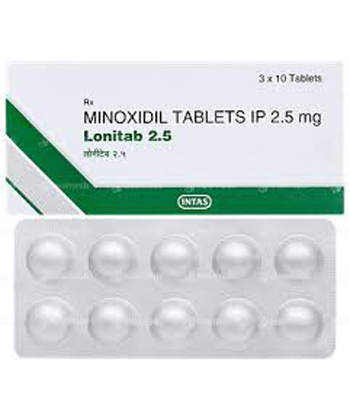
Minoxidil
- Minoxidil can be purchased over the counter in many countries, including pharmacies and online stores, without a prescription for topical forms; oral minoxidil is usually prescription-only.
- Minoxidil is used to treat hair loss, especially androgenetic alopecia, and it is also used orally for severe hypertension. It works as a vasodilator and is believed to improve blood flow to hair follicles and prolong the hair growth phase.
- The usual dose for hair loss is topical minoxidil 2% or 5%, applied as 1 mL to the scalp once or twice daily; oral doses for hypertension are typically 2.5–10 mg daily as prescribed.
- The form of administration is topical solution, foam, lotion, or gel for hair loss, and tablet for oral use.
- For hair loss, minoxidil usually starts to work in about 2–4 months, although some people may notice early shedding before improvement.
- The duration of action requires continuous use to maintain results; benefits are lost after stopping treatment.
- Alcohol is not specifically contraindicated, but excessive alcohol may worsen dizziness or low blood pressure, especially with oral minoxidil.
- The most common side effects are scalp irritation, itching, dryness, flaking, and increased unwanted hair growth; oral use can also cause dizziness, swelling, fast heartbeat, and low blood pressure.
- Would you like to try minoxidil without a prescription?
Basic Minoxidil Information
- INN (International Nonproprietary Name): Minoxidil
- Brand names available in United States: Rogaine, Kirkland
- ATC Code: D11AX01
- Forms & dosages: Topical solution/foam 2%, 3%, 5%, 7.5%; oral tablets 2.5 mg, 5 mg, 10 mg; topical gel/lotion 5%, 10%
- Manufacturers in United States: Upjohn (Pfizer/Kenvue for Rogaine), Perrigo, Watson Labs, Taro, Apotex, Hikma, Teva, Bausch & Lomb, Aurobindo Pharma, and other global suppliers
- Registration status in United States: Widely registered as a topical solution or foam for hair loss; oral minoxidil is Rx only for severe hypertension
- OTC / Rx classification: Topical minoxidil is OTC in the US and Canada; oral minoxidil is Rx only
What Recent Trials Say About Minoxidil
Major 2022–2026 Studies
Is minoxidil still the first product people should reach for when hair thinning starts?
The recent clinical picture keeps pointing to yes, especially for androgenetic alopecia.
Across newer studies and ongoing real-world use, minoxidil continues to hold its place as a first-line therapy for hair regrowth treatment minoxidil, particularly when people use it consistently and keep going long enough to see the full effect.
That matters because the biggest difference between success and disappointment is usually adherence, not whether the product “works.”
Topical 2% and 5% minoxidil remain the most familiar options, with minoxidil topical foam often preferred by patients who want less residue or less scalp irritation.
Oral low-dose use is also getting more attention in dermatology practice, but it still needs clinician oversight because blood pressure effects are real.
The practical timeline is steady rather than dramatic: many users start noticing change around 2 to 4 months, with peak benefit around 12 months and continued use needed to keep gains.
That long runway fits the large evidence base, the 36 US NDAs, 62 registered clinical trials, and ongoing generic production that keep minoxidil widely available in the US, EU, UK, Australia, and Romania.
Main Outcomes
For patients, the main takeaway is simple.
Minoxidil helps maintain and extend the follicle growth phase, so it supports thicker-looking hair over time instead of offering a quick cosmetic fix.
When used continuously, topical minoxidil 5% remains a standard choice for men with androgenetic alopecia, while 2% minoxidil solution is still commonly used for women, with some women also using 5% under guidance.
That broad uptake is why it remains one of the most established OTC hair regrowth treatments in pharmacy practice.
Safety Observations
Safety data continue to look consistent with long-standing labeling.
Local scalp effects are still the most common issue with topical products, while oral minoxidil is more likely to cause systemic effects such as dizziness, edema, tachycardia, or hypotension.
Most serious problems are tied to improper use, excessive dosing, or using oral minoxidil without blood pressure monitoring.
For routine pharmacy counseling, that means reviewing the dose, the form, and the reason for use before the patient leaves with the product.
How Minoxidil Works
Layman’s Explanation
Why does minoxidil help hair loss if it does not block hormones?
Because it seems to “wake up” miniaturized follicles rather than stop testosterone pathways directly.
In plain English, minoxidil helps keep hair follicles in the growth phase longer, may increase follicle size, and may improve scalp blood flow.
That is why people often think of minoxidil topical solution or minoxidil topical foam as a hair-stimulant treatment instead of a hormone blocker.
Scientific Breakdown
Minoxidil is the INN and is classified under ATC code D11AX01.
Topical formulations are designed to act on the scalp with much lower systemic exposure than oral therapy.
Oral minoxidil tablets were developed for hypertension and remain Rx only for that indication, while topical forms are preferred for alopecia because they are better aligned with the intended scalp target and have a more acceptable safety profile for long-term hair use.
Foam and solution can differ in practice because foam is often better tolerated on sensitive scalps, while solution may spread differently and sometimes feel more irritating depending on the vehicle and excipients.
That is why the same active ingredient can feel like a different product to the patient.
Approved Uses And Off-Label Trends
United States Approvals
In the US and Canada, topical minoxidil 2% and 5% are OTC hair loss products.
That is the use most patients know from Rogaine and similar brands.
Oral minoxidil remains Rx only and is approved for severe hypertension, not routine hair loss treatment.
For customers comparing Rogaine, Regaine, or Kirkland Signature minoxidil, the core distinction is the same active ingredient, different brands, and different packaging or marketing approaches.
Notable Off-Label Trends
Low-dose oral minoxidil for hair regrowth is becoming more common in dermatology, but it is still off-label in many settings.
That means the decision should be individualized, especially for women with female pattern hair loss, patients who cannot tolerate topical products, or people who want a clinician-supervised alternative.
Many global brands exist, including Rogaine, Regaine, Kirkland Signature, Lonitab, Lonit, Morr, Minoxidil Biorga, Alocutan, and Dermapharm Minoxidil.
In our online pharmacy, minoxidil is available without a prescription, with discreet delivery to United States in 5-14 days.
That accessibility is part of why minoxidil remains a practical first-line option when patients want OTC hair regrowth rather than a prescription-only route.
How To Dose Minoxidil
General Dosing
The dose depends on the form and the reason for use.
For hair loss, the goal is a simple daily regimen that the patient can actually maintain.
For hypertension, oral dosing is a physician-managed prescription decision and should not be copied from hair-loss internet advice.
Condition-Specific Dosing
Men with androgenetic alopecia typically use topical 5% solution or foam, 1 mL twice daily.
Women commonly use 2% minoxidil solution, sometimes 5%, once or twice daily depending on the product and clinician advice.
Oral minoxidil tablets are typically prescribed at 2.5 mg to 10 mg for hypertension, with hair-loss use remaining off-label.
Common topical packs are 60 mL bottles, and foam often comes in 60 g aerosol cans, which usually last about 1 to 3 months.
If a dose is missed, take or apply the next dose when remembered, but do not double up.
That rule matters more than people think, because stacking doses increases the chance of irritation or systemic effects without improving results.
Hair Loss Dosing
For androgenetic alopecia, topical minoxidil 5% is the familiar men’s option, while minoxidil 2% remains a standard choice for women.
Some women use 5% minoxidil solution or foam, but that should be matched to tolerability and clinical guidance.
Hypertension Dosing
Oral minoxidil is usually prescribed in the 2.5 mg to 10 mg range and requires close follow-up.
It is not the same as buying a topical bottle for scalp use, and it should not be substituted casually for alopecia treatment.
Safety First
Contraindications
Who should avoid minoxidil?
Anyone with known hypersensitivity to minoxidil or excipients should not use it.
Topical minoxidil should be avoided on scalp dermatoses such as severe eczema or psoriasis because irritated skin can worsen absorption and tolerability.
Oral minoxidil is contraindicated in pheochromocytoma and severe heart disease.
Adverse Effects
The most common minoxidil side effects are usually manageable, but they still deserve attention.
Scalp irritation, itching, dryness, flaking, and initial shedding are common local complaints with topical use.
Hypertrichosis, or unwanted body hair growth, can happen with either topical spillover or systemic exposure.
Oral use is more likely to bring headache, dizziness, edema, tachycardia, and hypotension.
Local Reactions
Local reactions usually show up first as redness, itching, or a dry, flaky scalp.
Some patients switch from solution to minoxidil topical foam because foam is often better tolerated and less greasy.
Systemic Reactions
Systemic reactions are more relevant to oral minoxidil, but they can matter if topical use is excessive or applied to damaged skin.
Blood pressure monitoring becomes especially important in patients with cardiovascular disease, renal or hepatic dysfunction, older age, pregnancy, breastfeeding, or when a child is being evaluated for rare specialist-directed use.
Children should not use minoxidil for alopecia, and elderly patients need added caution if oral therapy is considered.
Interaction Checks
Food Interactions
Topical minoxidil has minimal food interaction concerns because it is applied to the scalp.
Oral minoxidil is different because it can affect blood pressure and heart rate, so broader medication review matters more than food timing.
Drug Combinations To Avoid
Caution is needed with antihypertensives, vasodilators, and other agents that may increase hypotension risk or make tachycardia worse.
That is especially important for patients who already check blood pressure at home or who have a history of angina or arrhythmia.
Topical solutions are flammable, so they should be stored and handled away from heat or open flame, and they should not be applied to irritated scalp skin.
Oral overdose can cause severe hypotension and tachycardia, which is an urgent medical situation.
What Patients Say In Real Life
Survey Data
Why do so many people stick with minoxidil, even when the results are slow?
Because it is familiar, accessible, and available as an OTC topical hair loss treatment in the US.
Patients often like that they can compare familiar names such as Rogaine, Kirkland, and Regaine without navigating a complicated prescription process.
Adherence is the biggest reason people succeed or fail with treatment, and that is repeated again and again in real-world feedback.
Forum Trends
Forum discussions tend to sound very similar from one country to another.
People talk about an initial shed, slow onset, better results with consistency, and choosing foam when irritation is a problem.
Generic 5% solutions and branded products both have fans, but the common thread is regular use rather than brand loyalty alone.
What Patients Like
Patients like access, price competition, and the chance to start hair regrowth treatment without waiting for a specialist visit.
They also like having both men’s and women’s versions in major lines such as Rogaine and Regaine.
What Patients Dislike
The biggest complaints are initial shedding, the time it takes to work, and scalp dryness or irritation.
Some patients also dislike the need for ongoing use because stopping treatment usually means losing the gains.
How Minoxidil Reaches The Market
Retail Channels
Minoxidil is sold through pharmacies, e-shops, and hair clinics in many countries.
Patent expiry helped drive broad generic availability, so patients now see branded generics and store brands alongside older names like Rogaine and Regaine.
Brand And Generic Competition
The global market is supported by 88 finished product packagers and more than 150 API vendors, so supply is broad and competitive.
That is one reason minoxidil price varies by brand, pack size, and local market rather than by a single universal number.
Regional brands such as Morr, Alerana, Minoxidil Cooper, Minoxidil Biorga, and Adhair sit alongside international products, giving patients plenty of choice.
Packaging And Pack Sizes
Common packaging includes 60 mL bottles for solution and 60 g aerosol cans for foam.
Oral products are often sold in blister packs, while topical products usually come in sealed bottles or foams with detailed leaflets.
Global Supplier Network
Major suppliers include Intas Pharmaceuticals, Unichem, Vertex, Upjohn, Perrigo, Wockhardt, Sun Pharma, Taro, Apotex, Hikma, Teva, Zydus, Watson Labs, Bausch & Lomb, Aurobindo Pharma, Laboratoires Bailleul, Dermapharm, and Fagron.
That broad network supports steady availability in both branded and generic channels.
How Minoxidil Compares With Other Hair Loss Options
Comparison Table
| Option | Status | Main Use | Key Point |
|---|---|---|---|
| Minoxidil | OTC topical; oral Rx | Androgenetic alopecia | Broad evidence and easy access |
| Finasteride / Propecia | Rx | Male pattern hair loss | Targets DHT, not a scalp stimulant |
| Dutasteride | Rx, often off-label for hair loss | Hair loss in selected patients | Stronger DHT suppression, different safety profile |
| Alfatradiol | Prescription or pharmacy-limited in some regions | Hair loss support | Used as a topical anti-androgen option |
| Spironolactone | Rx, off-label for women | Female pattern hair loss | Often used when hormonal modulation is needed |
Pros And Cons
Minoxidil’s biggest advantage is OTC access with a strong evidence base and a long track record in androgenetic alopecia.
Its main limitations are the need for ongoing use, possible scalp irritation, and the fact that it does not block androgen signaling the way finasteride or dutasteride do.
That is why the right choice depends on the patient, not on a universal “best” product.
A man with classic pattern thinning may do well with minoxidil 5% alone or in combination with a prescription option, while a woman who cannot tolerate systemic therapy may prefer topical treatment first.
Where Minoxidil Stands Regulationally
United States And Canada
In the US and Canada, topical minoxidil is OTC and oral minoxidil is Rx only.
That split is one reason the topical product is so common in community pharmacy counseling.
Europe, India, And Romania
In the EU, topical minoxidil is generally pharmacy or OTC, while oral minoxidil remains Rx only.
In Romania, topical minoxidil 2% and 5% is registered as a non-prescription medicinal product for androgenetic alopecia according to ANMDMR public data.
Major agencies tied to current status include the US FDA, EMA, MHRA, ANMDMR, and TGA.
OTC Vs Rx By Region
Regulatory status can change, so patients should verify current labeling and access rules in their country before buying.
That is especially true for oral minoxidil and for markets where pharmacy-only rules apply.
National Registry Checks
For Romania, the ANMDMR Nomenclator is the practical place to confirm current Minoxidil listings, strengths, and pack information.
Minoxidil Frequently Asked Questions
How Long Does Minoxidil Take To Work?
Most patients start seeing change in 2 to 4 months, with maximum effect around 12 months.
Continuous use is needed to maintain hair growth.
Can You Stop And Restart?
Yes, but stopping usually leads to loss of the benefit over time.
If a dose is missed, resume when remembered and do not double the next dose.
Is Oral Minoxidil Safe For Hair Loss?
Oral minoxidil is increasingly used off-label for hair regrowth, but it should be supervised because of blood pressure and heart-rate risks.
That is not the same safety profile as OTC topical treatment.
What If A Dose Is Missed?
Apply the next topical dose as soon as remembered, or skip it if it is almost time for the next dose.
Never double up.
How The Product Looks And Is Used
Application Flow
The first thing to check is the label strength, then the indication, then whether the product is a scalp solution, foam, lotion, or oral tablet.
A patient comparing Rogaine, Regaine, or Kirkland 5% usually wants to know the same three things: what strength it is, how it is applied, and whether it matches the intended use.
Product Forms
Topical solution and foam are the most common forms for hair loss, while tablets are for hypertension.
Women’s minoxidil and men’s minoxidil versions often differ by strength, instructions, or marketing, not by a different active ingredient.
Foam Vs Solution
Foam often feels less messy and may be preferred when scalp irritation is a problem.
Solution may be easier to measure in a strict dose but can feel wetter or more irritating for some users.
Men’s Vs Women’s Versions
Many major brands sell both versions, especially Rogaine and Regaine.
That helps patients choose the label that matches their dosing pattern and comfort level.
Storage And Handling
Room-Temperature Storage
Store minoxidil at 15 to 30°C and protect it from heat, moisture, and light.
Keep bottles tightly closed and leave the product in its original packaging when possible.
Flammability And Handling
Topical solutions are flammable, so they should be kept away from heat sources during storage and transport.
This matters most for liquid topical forms and sealed aerosol foam cans.
Keep all products away from children.
Guidelines For Proper Use
How To Apply Correctly
Apply topical minoxidil to a clean, dry scalp.
Use the prescribed amount, spread it over the thinning area, and let it dry before styling or going to bed.
Consistency matters more than occasional heavy application.
Common Mistakes To Avoid
Do not apply more than directed, do not double doses, and do not expect overnight results.
Do not put topical minoxidil on inflamed or broken scalp skin.
Scalp Prep
Dry scalp improves tolerability and helps the product stay where it belongs.
That is one reason many people prefer to use it after a shower once the scalp is fully dry.
When To Seek Help
Seek medical advice for persistent irritation, dizziness, swelling, chest symptoms, or a rapid heartbeat.
Oral overdose is an emergency and can cause severe hypotension and tachycardia.
For hair loss, continuous use is required to maintain gains, so stopping and starting usually works against long-term results.
Delivery Across United States
| City | Region | Delivery time |
|---|---|---|
| New York | Northeast | 5-7 days |
| Los Angeles | West | 5-7 days |
| Chicago | Midwest | 5-7 days |
| Houston | South | 5-7 days |
| Phoenix | West | 5-7 days |
| Philadelphia | Northeast | 5-7 days |
| San Antonio | South | 5-7 days |
| San Diego | West | 5-7 days |
| Dallas | South | 5-7 days |
| San Jose | West | 5-7 days |
| Austin | South | 5-9 days |
| Jacksonville | South | 5-9 days |
| Fort Worth | South | 5-9 days |
| Columbus | Midwest | 5-9 days |
| Charlotte | South | 5-9 days |