Furosemide
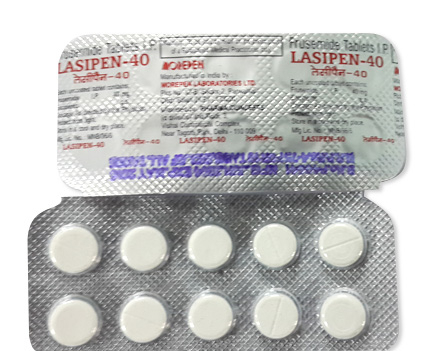
Furosemide
- In some online pharmacies, furosemide may be available without a prescription, but in most countries it is prescription-only (Rx). Availability, shipping, and legal status depend on your location.
- Furosemide is a loop diuretic used to treat edema from heart failure, kidney disease, or liver disease, and sometimes hypertension or acute pulmonary edema. It works by blocking sodium and chloride reabsorption in the kidney’s loop of Henle, causing the body to remove extra salt and water.
- The usual dose of furosemide for adults is 20–80 mg by mouth once or twice daily for edema, or 20–40 mg twice daily for hypertension; doses may be adjusted based on response and medical monitoring.
- The form of administration includes tablets, film-coated tablets, oral solution, injection ampoules, solution for injection, and vials.
- Furosemide usually starts working within about 30–60 minutes when taken by mouth, and within about 5 minutes after intravenous injection.
- The duration of action is typically about 6 hours, though this can vary depending on the dose and route of administration.
- Alcohol can increase dizziness and low blood pressure, so it is best to avoid or strictly limit alcohol while taking furosemide.
- The most common side effects are increased urination, thirst, dizziness, low blood pressure, and electrolyte disturbances such as low potassium or low sodium.
- Would you like to try furosemide without a prescription?
Key Findings From Recent Trials
- INN (International Nonproprietary Name): Furosemide.
- Brand names available in United States: Lasix.
- ATC Code: C03CA01.
- Forms & dosages: Tablets 20 mg, 25 mg, 40 mg, 250 mg; film-coated tablets 40 mg; injection ampoules 20 mg/2 ml and 40 mg/4 ml; solution for injection 20 mg/2 ml and 50 mg/5 ml; oral solution 40 mg/4 ml and 40 mg/5 ml; vials 20 mg/2 ml.
- Manufacturers in United States: Sanofi, Teva, and other global manufacturers with U.S. market presence.
- Registration status in United States: FDA-approved.
- OTC / Rx classification: Prescription (Rx) medication in almost all jurisdictions.
What matters most in recent clinical practice is not that furosemide is new, but that it still performs as the benchmark loop diuretic when fast fluid removal is needed.
Across 2022 to 2026, the strongest evidence for acute decompensated heart failure and edema control has continued to focus on diuretic strategy, response tracking, and IV-to-oral transition rather than on brand-new furosemide-only breakthroughs.
In other words, newer studies keep reinforcing how Lasix and generic furosemide tablets are used at the bedside: start with a dose that matches the severity of congestion, then titrate to urine output, weight loss, symptom relief, and kidney function.
Large comparative studies and hospital protocols still rely heavily on older loop-diuretic data when describing class effects, because many trials study loop diuretics as a group instead of furosemide alone.
That is why furosemide remains the practical reference point for rapid decongestion in pulmonary congestion and swollen legs from fluid overload.
Recent work has also kept attention on IV-to-oral transitions after stabilization, since patients who improve in the hospital still need an effective outpatient regimen to keep fluid from building back up.
Main outcomes have been consistent: better decongestion when dosing is adjusted to response, increased urine output, better short-term breathing comfort, and fewer fluid-related setbacks when patients are monitored closely.
Kidney function still needs respect, though, because transient creatinine or urea rises can occur, especially when the patient is dehydrated or already has renal impairment.
Safety observations remain familiar and clinically important.
Electrolyte shifts such as hypokalemia, hyponatremia, and hypomagnesemia are still the main problems to watch for, along with dizziness and hypotension.
Ototoxicity is uncommon, but the risk becomes more relevant with higher IV exposure and in patients with reduced kidney function.
For people searching for a water pill for edema, furosemide still stands out because it acts quickly and can be used in both chronic and urgent settings.
Basic Furosemide Information
- INN (International Nonproprietary Name): Furosemide.
- Brand names available in United States: Lasix.
- ATC Code: C03CA01.
- Forms & dosages: Tablets 20 mg, 25 mg, 40 mg, 250 mg; film-coated tablets 40 mg; injection ampoules 20 mg/2 ml and 40 mg/4 ml; solution for injection 20 mg/2 ml and 50 mg/5 ml; oral solution 40 mg/4 ml and 40 mg/5 ml; vials 20 mg/2 ml.
- Manufacturers in United States: Sanofi, Teva, and other global manufacturers with U.S. market presence.
- Registration status in United States: FDA-approved.
- OTC / Rx classification: Prescription (Rx) medication in almost all jurisdictions.
Clinical Mechanism Of Action
Ever wonder why one tablet can make swollen ankles go down and breathing feel easier?
Furosemide works by helping the kidneys remove extra salt and water, so the body stops holding on to fluid that is causing edema and congestion.
That is why patients often call it a water pill, especially when they need stronger diuresis than a thiazide can provide.
From a pharmacology standpoint, the furosemide mechanism is straightforward and well established.
It inhibits the Na-K-2Cl transporter in the thick ascending limb of Henle, which reduces sodium and chloride reabsorption and increases natriuresis, chloruresis, and urine output.
This is why it is classified as a high-ceiling loop diuretic pill under ATC code C03CA01.
The effect is useful in fluid retention because removing sodium pulls water with it, lowering circulating volume and easing swelling.
In acute congestion, the Lasix fast-acting diuretic effect is especially valuable because IV dosing can produce a response quickly.
Oral tablets also work fast enough for many outpatient situations, especially when the patient is not in severe respiratory distress.
Scope Of Approved And Off-Label Use
What is furosemide actually approved to treat in the United States?
It is an Rx-only medicine used for edema from heart failure, liver disease, and kidney disease, as well as hypertension and acute pulmonary edema.
Adult dosing anchors in the product data are 20 to 80 mg orally once or twice daily for edema, 20 to 40 mg twice daily for hypertension, and 20 to 40 mg IV for acute pulmonary edema.
Real-world use often extends beyond simple labels, especially in hospitals.
Clinicians may use it for refractory edema, for careful dose titration in renal impairment, and in inpatient protocols where monitoring is available.
In resistant edema, severe cases may be escalated under supervision, sometimes up to 600 mg/day according to the provided product data.
That does not mean higher is better for everyone.
It means the dose must match the patient, the kidney function, and the clinical response.
Special populations need extra caution.
Children require individualized dosing, older adults may be more sensitive to electrolyte shifts, and severe hepatic impairment can raise the risk of encephalopathy.
For patients asking about access, our online pharmacy offers furosemide without a prescription with discreet delivery to the United States in 5 to 14 days.
Dosage Strategy
How much should a patient start with?
For edema, the usual adult range is 20 to 80 mg orally once or twice daily, with titration based on response rather than a fixed one-size-fits-all plan.
For hypertension, the product data list 20 to 40 mg twice daily.
In practice, the goal is to find the lowest dose that relieves congestion without causing avoidable dehydration or electrolyte loss.
Acute pulmonary edema is treated differently because speed matters.
The typical IV furosemide dose is 20 to 40 mg, and it may be repeated incrementally until the desired diuretic response is reached.
Pediatric edema dosing is 1 to 2 mg/kg per dose, with a maximum of 6 mg/kg/day by mouth or IV.
Patients with renal impairment may need higher monitored dosing, but that should always go hand in hand with electrolyte and renal-function checks.
Older adults usually do better with a start-low approach because they can become dizzy or hypotensive more easily.
Useful titration checkpoints include daily weight, urine output, edema, blood pressure, and how short of breath the patient feels.
That is the practical side of furosemide dosage: watch the body’s response and adjust the loop diuretic dose accordingly.
Safety Protocols
When should furosemide not be used?
The absolute contraindications listed in the product data are anuria, hypersensitivity to furosemide or sulfonamides, severe electrolyte depletion, and hepatic coma or pre-coma.
Pregnancy and breastfeeding are also flagged for caution unless clearly necessary.
The side effects that matter most in everyday practice are increased urination, thirst, hypokalemia, hyponatremia, and hypomagnesemia.
Patients may also notice dizziness, headache, postural hypotension, muscle cramps, weakness, rash, photosensitivity, or a transient rise in creatinine or urea.
These are classic water pill adverse effects, and they are usually manageable when labs and blood pressure are monitored appropriately.
High-risk scenarios deserve extra attention.
That includes renal impairment, dehydration, severe hypotension, and use with ototoxic or nephrotoxic drugs.
The risk of ototoxicity is especially relevant when high IV doses are used or when kidney function is already reduced.
In hepatic impairment, the concern is not just fluid balance but also the possibility of precipitating encephalopathy.
That is why furosemide side effects should always be reviewed before the first dose and at follow-up visits.
Interaction Mapping
Can food or other medicines change how well it works?
Yes, and sometimes in very practical ways.
High salt intake can blunt the desired diuretic effect because the body keeps holding on to sodium.
Keeping fluid and sodium intake reasonably consistent also helps clinicians interpret whether the medicine is working.
Among furosemide interactions, NSAIDs, aminoglycosides, other nephrotoxic or ototoxic drugs, and antihypertensives are the most important to flag.
NSAIDs can complicate the diuretic response.
Aminoglycosides raise concern for ear toxicity.
Other blood pressure medicines can produce additive lowering of blood pressure.
This matters most with high IV doses or impaired kidney function, where the margin for error is smaller.
Loop diuretic interactions are one of the main reasons pharmacists ask patients to bring a full medication list to every visit.
Patient Experience Analysis
What do patients usually notice first?
Most people report less swelling, easier breathing, and a sense that their shoes or rings fit better after fluid starts coming off.
Frequent urination is expected, and many patients describe the medicine as a fast-acting water pill for edema that finally gives them relief.
Common complaints include thirst, fatigue, and muscle cramps, especially when electrolyte loss is developing.
Forum discussions often revolve around timing doses to avoid nocturia, what to do after a missed dose, and whether cramps mean potassium is low.
Lab monitoring also comes up often, especially for people on long-term Lasix tablets or furosemide tablets for heart failure or cirrhosis.
The E-E-A-T point here is simple.
Patient stories are useful, but they do not replace clinician-recommended monitoring or individualized medical advice.
When symptoms change, the safest move is to check in with a licensed clinician rather than adjusting therapy based on anecdotes.
Distribution And Pricing Landscape
How widely available is furosemide around the world?
Very widely.
Global brand names include Lasix, Furosemide Teva, Furosemid-ratiopharm, Frusemide, and several others across the United States, the EU, the UK, India, and additional markets.
Manufacturing is spread across many countries, including India, China, the USA, Germany, the Netherlands, Italy, the UK, Switzerland, Argentina, Turkey, Egypt, Malaysia, and Colombia.
That broad supply base is one reason generic furosemide remains a familiar pharmacy item in many regions.
Pricing can vary by strength, formulation, and country, especially for furosemide 20 mg, furosemide 40 mg, and injectable forms.
In practical terms, tablet availability and supply chain differences often matter more than a single global price.
Patients comparing Lasix price across pharmacies should also consider the form they need, since tablets, oral solutions, and vials do not cost the same.
For buyers, the main takeaway is that the supplier network is broad, but local labeling and packaging may look different from one country to the next.
Alternative Options
When might another loop diuretic be considered?
Clinicians may choose loop diuretic alternatives when edema is resistant, when oral absorption seems unreliable, or when response to furosemide is not strong enough.
| Medicine | Typical Onset | Relative Potency | Common Clinical Niche |
|---|---|---|---|
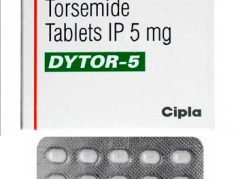
| Torasemide | Loop diuretic onset | Comparable loop diuretic class | Alternative in resistant edema |
| Bumetanide | Loop diuretic onset | Higher per-milligram potency than furosemide | Smaller-dose option when stronger effect is needed |
| Ethacrynic acid | Loop diuretic onset | Loop diuretic class option | Used when sulfonamide concerns come up |
Furosemide’s advantages are familiar to most clinicians: broad availability, multiple dosage forms, strong IV utility, and a long track record in real-world care.
The tradeoffs are equally familiar.
Electrolyte loss, variable oral absorption, and a monitoring burden that can be significant in some patients are the main drawbacks.
If someone is comparing Lasix alternative choices, the decision usually comes down to response, tolerance, and whether the patient needs an oral or injectable option.
Regulatory Status
Is furosemide approved in the United States?
Yes.
It is FDA-approved and Rx-only in the U.S.
Globally, it also has authorizations through agencies linked to the EMA, MHRA, and other national regulators, and it is referenced in the WHO Essential Medicines List.
The international nonproprietary name is furosemide, but regional naming can differ.
Common variants include Frusemide, furosémide, furosemid, and Cyrillic spellings.
Packaging can also vary by region.
Tablets, vials, oral solution, and injection ampoules may all contain the same active ingredient even when the brand name and label look different.
That is why furosemide tablets and injectable products should always be checked by strength, form, and region-specific labeling before use.
Consolidated Frequently Asked Questions
What is furosemide used for? It is used to treat edema from heart, liver, or kidney disease, hypertension, and acute pulmonary edema.
How fast does furosemide work? IV doses work quickly, and oral doses are also fast-acting compared with many other diuretics.
What if a dose is missed? Take it as soon as remembered unless it is close to the next dose, and never double up.
Is furosemide an OTC medicine in the United States? No, it is a prescription medicine.
Does it cause frequent urination? Yes, increased urination is expected and is part of how the medicine works.
Why are labs needed long term? Electrolytes and kidney function can change over time, especially with chronic therapy or higher doses.
When should urgent care be sought? Seek emergency help for signs of overdose such as profound diuresis, dehydration, hypotension, hypovolemia, or major electrolyte imbalance.
Visual Guide
A useful infographic for patients and caregivers can show oral versus IV use, then list the common starting points for edema, hypertension, and acute pulmonary edema.
The flow should also mark escalation checkpoints, such as poor urine output, persistent swelling, rising blood pressure, or worsening shortness of breath.
A second panel can track daily weight, urine output, blood pressure, creatinine, and electrolytes.
Safety icons should flag anuria, severe electrolyte depletion, and hepatic coma or pre-coma as stop signs.
That kind of furosemide dosing chart helps patients understand why follow-up matters and what their clinician is watching.
Storage And Transport
How should furosemide be stored at home or during shipping?
Store it at room temperature, between 15 and 25 degrees Celsius.
Tablets and vials should be protected from light and moisture.
Injectables should not be frozen.
During transport, heat exposure and temperature extremes should be avoided, especially for injectable products and unopened oral solutions.
Pharmacy handling matters because stability can be affected by poor storage conditions.
That is especially relevant when patients travel or receive medication by mail.
Guidelines For Proper Use
What should a patient do after a missed dose?
Take the dose as soon as it is remembered unless the next scheduled dose is close.
Never double the dose to make up for the missed one.
What does overdose look like?
Typical signs include profound diuresis, dehydration, hypotension, electrolyte imbalance, and hypovolemia.
Emergency medical attention is needed if those signs appear.
For long-term therapy, the safest habit is regular electrolyte monitoring and renal-function checks.
Older adults usually benefit from the lowest effective dose.
Chronic therapy in heart failure or cirrhosis often continues for a long time, so careful follow-up becomes part of the treatment plan.
That is the practical side of proper use with furosemide tablets: use the smallest dose that works, monitor closely, and adjust only with clinical guidance.
Delivery Across United States
| City | Region | Delivery time |
|---|---|---|
| New York City | Northeast | 5-7 days |
| Los Angeles | West | 5-7 days |
| Chicago | Midwest | 5-7 days |
| Houston | South | 5-7 days |
| Phoenix | West | 5-7 days |
| Philadelphia | Northeast | 5-7 days |
| San Antonio | South | 5-7 days |
| San Diego | West | 5-7 days |
| Dallas | South | 5-7 days |
| San Jose | West | 5-7 days |
| Austin | South | 5-7 days |
| Jacksonville | South | 5-9 days |
| Fort Worth | South | 5-9 days |
| Columbus | Midwest | 5-9 days |