
Female Viagra
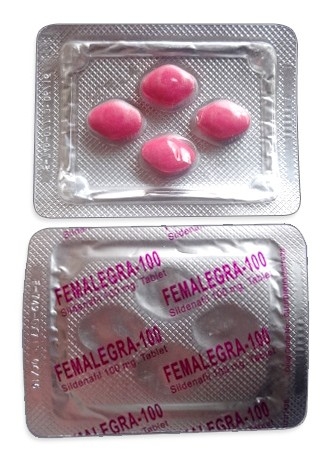
Female Viagra
- Where it can be purchased and whether a prescription is required: In regulated markets (United States, most of EU) Addyi (flibanserin) and Vyleesi (bremelanotide) are prescription-only and must be dispensed by a pharmacy with a prescription; however, many products marketed as “female Viagra” (typically sildenafil generics) are available over-the-counter or via online pharmacies in some countries and can be bought without a prescription or receipt in those markets.
- What the drug is used for and its mechanism of action: The term “female Viagra” may refer to flibanserin or bremelanotide for hypoactive sexual desire disorder (HSDD) in premenopausal women—flibanserin acts centrally as a serotonin 5-HT1A agonist/5-HT2A antagonist to increase dopamine and norepinephrine activity, while bremelanotide is a melanocortin receptor (MC4R) agonist thought to modulate sexual response; products labeled “female Viagra” that contain sildenafil work by inhibiting PDE5 to increase blood flow but are not approved for HSDD.
- Usual dosage: Flibanserin (Addyi) is typically 100 mg once daily at bedtime; bremelanotide (Vyleesi) is 1.75 mg subcutaneous injection administered as needed at least 45 minutes before sexual activity (maximum one dose per 24 hours and 8 doses per month); sildenafil-based products commonly sold as “female Viagra” are often marketed in 50–100 mg tablet doses (commonly 100 mg in some markets).
- Form of administration: Flibanserin is an oral tablet; bremelanotide is a single-use subcutaneous autoinjector; sildenafil-based products are oral tablets.
- Onset time (how fast it starts working): Flibanserin is not rapid-acting and may take several weeks of nightly dosing to show benefit; bremelanotide is intended to be used at least 45 minutes before sexual activity; sildenafil tablets generally begin to work within 30–60 minutes.
- Duration of action: Flibanserin requires continuous nightly dosing and benefits are reassessed after weeks (commonly evaluated at 8 weeks); bremelanotide’s effects are linked to the sexual event and may last several hours; sildenafil’s erectile/blood-flow effects typically last about 4–5 hours.
- Alcohol warning: Avoid alcohol with flibanserin (concurrent alcohol use is contraindicated due to risk of severe hypotension and syncope); alcohol should be used cautiously with bremelanotide and sildenafil as it can increase side effects and cardiovascular risks.
- Most common side effec: The most commonly reported side effects across these products include nausea (also dizziness, somnolence and headache for flibanserin and injection-site reactions and flushing for bremelanotide).
- Would you like to try “female viagra” without a prescription?
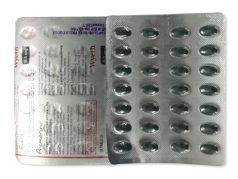
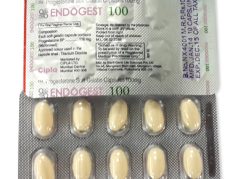
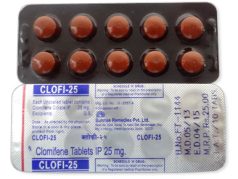
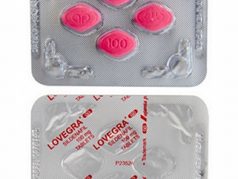
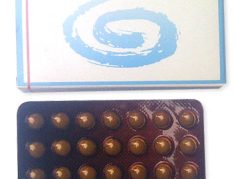
Basic Female Viagra Information
- INN (International Nonproprietary Name): The term “Female Viagra” generally refers to flibanserin (Addyi) and, less commonly, bremelanotide (Vyleesi), both approved for treating hypoactive sexual desire disorder (HSDD) in premenopausal women.
- Brand Names Available In United States: Addyi (flibanserin) — 100 mg film-coated tablets; Vyleesi (bremelanotide) — 1.75 mg pre-filled single-use autoinjector.
- ATC Code: Flibanserin — G02CX01; Bremelanotide — G02CX06.
- Forms & Dosages: Flibanserin 100 mg oral tablet taken once daily at bedtime; Bremelanotide 1.75 mg subcutaneous injection administered ≥45 minutes before sexual activity, up to 1 dose per 24 hours and 8 doses per month.
- Manufacturers In United States: Flibanserin (Addyi) — Sprout Pharmaceuticals; Bremelanotide (Vyleesi) — AMAG Pharmaceuticals.
- Registration Status In United States: Addyi and Vyleesi are FDA-approved only for premenopausal women with acquired, generalized HSDD.
- OTC / Rx Classification: Both Addyi and Vyleesi are prescription-only (Rx) in regulated markets.
Key Findings From Recent Trials
Major 2022–2026 Studies
What did recent trials show about effectiveness and who benefits most?
Randomized controlled trials and post-marketing analyses from 2022–2026 focused on flibanserin and bremelanotide in premenopausal women with acquired, generalized HSDD.
High-quality RCTs used validated patient-reported outcomes such as desire scores, satisfying sexual events, and patient global impression.
Study populations typically excluded women with relationship problems or other sexual dysfunction causes, aligning with labeling.
Main Outcomes
Both flibanserin and bremelanotide produced statistically significant improvements versus placebo, but effect sizes were generally small to moderate.
Flibanserin responders often reported clinically meaningful benefit after 8–12 weeks of nightly dosing.
Bremelanotide showed on-demand benefit after single-use dosing, with effects within hours in many participants.
Meta-analyses noted heterogeneity across trials related to HSDD definitions and concomitant therapies, and recommended combining medication with psychosexual interventions for better outcomes.
Safety Observations
Safety profiles in trials matched post-authorization surveillance: flibanserin’s alcohol interaction and CYP3A4-related risks remained central.
Bremelanotide’s most common signals were transient nausea, flushing, and headache, plus short-lived blood pressure changes.
Overall trial quality ranged from moderate to high for pivotal studies, with lower quality among some observational reports.
Clinical Mechanism Of Action
Layman’s Explanation
How do these drugs work compared with “male Viagra”?
Unlike sildenafil, which improves genital blood flow in men, the so-called “female viagra” options act in the brain to change chemistry related to desire and motivation.
Flibanserin is a nightly oral medication that shifts serotonin, dopamine, and norepinephrine balance to reduce inhibitory signals and enhance sexual motivation.
Bremelanotide is an as-needed subcutaneous injection that activates central melanocortin pathways to produce an acute boost in desire and arousal.
Scientific Breakdown
Flibanserin Pharmacology
Flibanserin Pharmacology
Flibanserin is a 5‑HT1A receptor agonist and 5‑HT2A receptor antagonist with downstream increases in dopamine and norepinephrine in key brain regions.
CYP3A4 metabolism is clinically important and explains contraindications and interaction risks with strong CYP3A4 inhibitors.
The nightly dosing regimen aims to normalize baseline inhibitory tone over weeks rather than produce momentary effect.
Bremelanotide Pharmacology
Bremelanotide is a melanocortin receptor agonist with activity at MC4 receptors in hypothalamic circuits linked to sexual behavior.
The autoinjector delivers 1.75 mg subcutaneously and produces rapid, short-duration central effects, typically within hours.
Systemic effects can include transient increases or decreases in blood pressure and nausea, reflecting its central and peripheral activity.
Both drugs are targeted to acquired, generalized HSDD in premenopausal women and do not act primarily on peripheral vasculature like ED medications for men.
Scope Of Approved & Off-Label Use
United States Approvals
Who is officially eligible for treatment?
The FDA approves flibanserin (Addyi) and bremelanotide (Vyleesi) only for premenopausal women with acquired, generalized HSDD.
Labeling requires exclusion of relationship problems, other sexual dysfunction causes, and psychiatric or medical contraindications before prescribing.
Clinical selection emphasizes careful assessment and documentation of HSDD as the primary issue.
Notable Off-Label Trends
Sildenafil and other PDE5 inhibitors are sometimes marketed or used informally as “female Viagra” in non‑US markets, but they lack FDA approval for HSDD and evidence for desire improvement is inconsistent.
Clinicians may consider off-label options in select cases when vascular or hormonal contributors are suspected, or combine topical estrogen for menopausal genitourinary symptoms.
International variability is notable: some countries allow OTC sildenafil, creating confusion and safety concerns when patients expect similar results to Addyi or Vyleesi.
Dosage Strategy
General Dosing
How should each medicine be dosed in routine practice?
Flibanserin (Addyi) is 100 mg oral tablet taken once daily at bedtime with reassessment recommended at about 8 weeks.
Bremelanotide (Vyleesi) is a 1.75 mg pre-filled autoinjector given subcutaneously at least 45 minutes before sexual activity, limited to one dose per 24 hours and up to eight doses per month.
Condition-Specific Dosing
For acquired, generalized HSDD in premenopausal women, Addyi fits a continuous nightly model when baseline desire is low, while Vyleesi offers on-demand flexibility for episodic boosts.
Dose adjustments: neither drug is indicated for children, and efficacy/safety in patients older than 65 is not established.
Hepatic and renal impairment require caution: flibanserin is contraindicated in severe hepatic impairment and should be used cautiously in moderate impairment, and bremelanotide may need avoidance or dose consideration in hepatic/renal dysfunction.
Timing counseling is practical: take Addyi at bedtime to reduce daytime somnolence and plan Vyleesi injections ≥45 minutes before activity to allow onset.
Emphasize strict limits—no double dosing—and alcohol avoidance with flibanserin because of hypotension and syncope risk.
Safety Protocols
Contraindications
Who should not take these medicines?
Absolute contraindications include known hypersensitivity to the active ingredients, pregnancy, breastfeeding, and patients younger than 18 years.
Flibanserin-specific contraindications include severe hepatic impairment and concurrent alcohol use because of hypotension and syncope risk.
Flibanserin is also contraindicated with strong CYP3A4 inhibitors.
Bremelanotide is contraindicated in pregnancy and should be used cautiously in patients with cardiovascular disease because of blood pressure effects.
Adverse Effects
Common adverse events for flibanserin are dizziness, somnolence, nausea, fatigue, insomnia, and dry mouth.
Bremelanotide commonly causes nausea, flushing, injection-site reactions, and headache, with transient blood pressure changes occasionally noted.
Monitoring approaches include baseline hepatic assessment when indicated for flibanserin and consideration of blood pressure monitoring with bremelanotide.
Risk mitigation requires screening for interacting medications, counseling on avoiding alcohol with flibanserin, and instructing patients to report syncope, severe dizziness, or allergic reactions immediately.
Interaction Mapping
Food Interactions
Are there food rules patients should follow?
Flibanserin has no strict food restriction, but taking it at bedtime reduces daytime somnolence risk.
Alcohol must be avoided completely with flibanserin given the documented additive hypotension and syncope risk in labeling.
Bremelanotide does not have major food concerns, but patients should still expect possible nausea and blood pressure changes regardless of meals.
Drug Combinations To Avoid
Strong CYP3A4 inhibitors such as certain azole antifungals, some macrolide antibiotics, and protease inhibitors increase flibanserin exposure and are contraindicated.
Moderate CYP3A4 inhibitors warrant caution or avoidance with flibanserin.
Concomitant sedative agents, including benzodiazepines and opioids, can increase somnolence risk when taken with flibanserin.
For bremelanotide, avoid pairing with medications that worsen hypertension and counsel patients to review all prescription, OTC, and herbal products such as St. John’s wort.
Pharmacists should perform a full medication reconciliation before dispensing either agent.
Patient Experience Analysis
Survey Data
What do trial results say about patient satisfaction?
Clinical trial survey data show modest but clinically meaningful increases in desire and patient global impression for a subset of women treated with Addyi or Vyleesi.
Response patterns differ: Addyi typically produces gradual benefits over weeks, while Vyleesi delivers a more immediate on-demand effect.
Responder rates vary across studies, consistent with the small-to-moderate effect sizes reported.
Forum Trends
Real-world patient communities report mixed experiences: some women cite improved desire and relationship satisfaction, while others stop therapy because of side effects like somnolence or nausea or find limited benefit.
Forums reveal confusion around the “female Viagra” label and disappointment when sildenafil generics do not match expectations for desire improvement.
Qualitative themes highlight the importance of setting realistic expectations, combining medication with therapy, and clear safety counseling about alcohol and liver health.
Cost and access repeatedly appear as practical barriers in patient discussions.
Distribution & Pricing Landscape
Market Channels
How are these drugs distributed in the United States?
Addyi and Vyleesi are prescription-only products distributed through retail pharmacies and specialty channels for the injectable autoinjector.
Manufacturer patient-support programs can influence access and prior authorization handling for patients with insurance.
Some international sildenafil generics marketed as “female Viagra” are sold OTC in countries like India, but these products are not approved for female HSDD by major regulators.
Cost Drivers & Access
Price drivers include brand exclusivity, dosage form (tablet versus single-use autoinjector), packaging, and manufacturer assistance programs.
Insurance coverage varies; many plans treat HSDD medications as elective, requiring prior authorization or denying coverage.
Out-of-pocket costs and clinic access requirements can deter use, and clinician familiarity affects prescribing patterns.
In our online pharmacy, female viagra is available without a prescription, with discreet delivery to United States in 5-14 days.
Alternative Options
Comparison Table
What other choices exist for women with low desire?
Flibanserin (Addyi): Pros — FDA-approved for premenopausal HSDD, continuous nightly dosing; Cons — alcohol restriction, somnolence, hepatic concerns.
Bremelanotide (Vyleesi): Pros — on-demand effect, single-use dosing; Cons — nausea, injection administration, transient BP effects.
Sildenafil/generics (marketed as “female Viagra” in some countries): Pros — lower cost, OTC availability in some markets; Cons — not FDA-approved for HSDD in women, mixed efficacy for desire.
Pros And Cons
Non-drug alternatives include psychosexual therapy and couples counseling, which address relational and psychological drivers with low medical risk.
Hormonal treatments such as topical or systemic estrogen and, in selected cases, testosterone may help when a clear hormonal etiology is identified, though systemic risks must be considered.
Clinicians usually tailor therapy to etiology, patient preference, safety profile, and access, and evidence supports combining pharmacologic and behavioral approaches for better outcomes.
Regulatory Status
US & International Snapshot
What do regulators allow and where are these drugs registered?
In the United States, Addyi and Vyleesi are FDA-approved only for premenopausal women with acquired, generalized HSDD and are prescription-only.
Flibanserin was not approved in the EU as of early 2021, and registration status varies internationally, with some countries lacking public registrations as of mid-2025.
Sildenafil generics are widely approved for male ED and may be sold OTC in some countries, but they are not authorized for female HSDD by major authorities.
Compliance Considerations
Marketing and prescribing must align with labeling; off-label promotion is not permitted.
Prescribers should follow risk-mitigation measures in labeling, particularly alcohol warnings for flibanserin, and report adverse events through pharmacovigilance channels.
Documentation of indication and informed consent is good practice when initiating treatment for HSDD.
Consolidated FAQ
Patient-Centric Q&A
Is “female Viagra” real?
Yes — flibanserin (Addyi) and bremelanotide (Vyleesi) are FDA-approved treatments for HSDD in premenopausal women; sildenafil marketed as “female Viagra” in some regions is not FDA-approved for this indication.
How fast do they work?
Addyi generally requires nightly dosing for weeks before benefit is seen, while Vyleesi can produce effects within hours of on-demand dosing.
What are key safety concerns?
Avoid alcohol with Addyi, watch for dizziness or somnolence, check liver status when indicated, and expect nausea or transient blood pressure changes with Vyleesi.
Clinician-Centric Q&A
Which patients qualify?
Premenopausal adults with acquired, generalized HSDD after excluding relationship, psychiatric, medication, and medical causes.
What prescribing checks are essential?
Review hepatic function, screen for strong CYP3A4 inhibitors, assess alcohol use, and document informed consent and alternative options.
Can these drugs be combined or switched?
There is no established synergistic combination; consider behavioral therapy adjuncts and individualized switching based on response and tolerability.
Visual Guide
Key Visuals To Include
Which visuals help patients and prescribers understand choices?
Create a drug comparison infographic showing Addyi versus Vyleesi versus sildenafil generics, emphasizing indication differences and safety flags.
Include a dosing timeline that contrasts nightly Addyi with on-demand Vyleesi and pictograms for tablet and autoinjector administration.
Use contraindication flags for alcohol, hepatic impairment, and pregnancy, and a stepwise treatment algorithm: assess → exclude causes → behavioral therapy → pharmacologic options.
Infographic Elements
Design elements should include simple pictograms for administration, safety checklists (medications to avoid), a real-world outcomes snapshot using non-numeric descriptors, and storage icons for recommended temperatures.
Packaging visuals should show a 30-tablet bottle for Addyi and a single-use autoinjector for Vyleesi.
Add a small regulatory note: “FDA‑approved for premenopausal women with acquired, generalized HSDD.”
Storage & Transport
Handling Instructions
How should these medicines be stored and transported?
Addyi tablets should be stored at room temperature, generally 20–25°C, and protected from moisture in original packaging.
Vyleesi autoinjectors should be stored at room temperature between 15–30°C, protected from light and excessive heat, and should not be refrigerated or frozen.
Patients should avoid storing medications in vehicles where temperature extremes occur.
Shelf Life & Patient Guidance
Follow manufacturer expiration dates and dispose of expired or compromised injectors per local regulations.
Carry autoinjectors in a protective case when traveling and return unused devices according to pharmacy or program instructions.
Counsel patients on safe disposal of autoinjectors and to keep all medications out of reach of children.
Pharmacists should verify storage instructions at dispensing and answer patient questions about stability during shipping.
Guidelines For Proper Use
Prescriber Checklist
What should clinicians verify before prescribing?
Confirm diagnosis of acquired, generalized HSDD in a premenopausal woman and exclude relational, psychiatric, hormonal, and medication causes.
Obtain a medication and alcohol history and review hepatic function; avoid flibanserin in severe hepatic impairment and with strong CYP3A4 inhibitors.
Document informed consent and discuss alternatives such as psychotherapy and hormonal options.
Plan reassessment at approximately 8 weeks for Addyi and counsel on dosing limits for Vyleesi (≤1 dose/24 h; ≤8 doses/month).
Patient Counseling Script
How to explain use and safety clearly in a short script?
Explain expected timeline: Addyi works gradually over weeks with nightly dosing; Vyleesi works on demand within hours when used ≥45 minutes before activity.
Describe common side effects: dizziness, somnolence, nausea, flushing, and headache, and advise what to do for missed doses and emergencies.
Stress interactions: avoid alcohol with Addyi and avoid strong CYP3A4 inhibitors, and do not exceed daily or monthly limits for Vyleesi.
Reinforce combining medication with psychosexual therapy for best outcomes and schedule follow-up to document response and tolerability.
Delivery Across United States
| City | Region | Delivery Time |
|---|---|---|
| New York | Northeast | 5-7 days |
| Los Angeles | West | 5-7 days |
| Chicago | Midwest | 5-7 days |
| Houston | South | 5-7 days |
| Phoenix | West | 5-7 days |
| Philadelphia | Northeast | 5-7 days |
| San Antonio | South | 5-9 days |
| San Diego | West | 5-7 days |
| Dallas | South | 5-7 days |
| San Jose | West | 5-9 days |
| Austin | South | 5-9 days |
| Jacksonville | South | 5-9 days |
| Fort Worth | South | 5-9 days |
| Columbus | Midwest | 5-9 days |