
Diclofenac
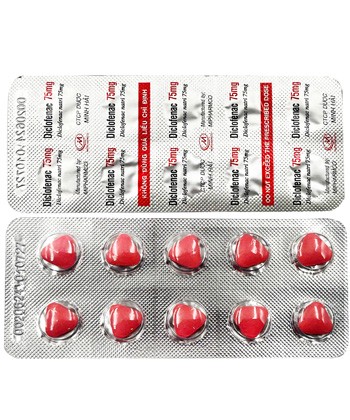
Diclofenac
- Diclofenac can be purchased in pharmacies and some online drugstores; in many places topical forms such as gel, patch, or spray are available without a prescription, while oral tablets, injections, and eye drops usually require a prescription. Availability and rules vary by country.
- Diclofenac is used to relieve pain and inflammation in conditions such as osteoarthritis, rheumatic pain, sprains, and acute pain. It is a nonsteroidal anti-inflammatory drug (NSAID) that works by blocking cyclooxygenase (COX) enzymes and reducing prostaglandin production.
- The usual adult dose depends on the form and condition: oral tablets are commonly 50–100 mg up to 2–3 times daily, with a maximum of 150 mg/day; topical gel is typically applied 2–4 g to the affected area 3–4 times daily; suppositories and injections are used in specific situations as directed by a clinician.
- Diclofenac is available as oral tablets, topical gel or cream, suppositories, intramuscular or intravenous injection, eye drops, and topical spray or patch.
- Diclofenac usually starts working within about 25–60 minutes for oral forms, while topical forms may begin easing pain within 1–2 hours, depending on the product and the area treated.
- The duration of action is generally several hours, and many oral formulations are taken 2–3 times per day. Extended-release or topical products may provide longer relief depending on the formulation.
- Alcohol should be avoided or used very cautiously with diclofenac because it can increase the risk of stomach irritation, ulcers, and bleeding, as well as add strain on the liver.
- The most common side effects are nausea, indigestion, abdominal pain, headache, dizziness, and rash or skin irritation with topical use.
- Would you like to try diclofenac without a prescription?






Basic Diclofenac Information
- INN (International Nonproprietary Name): Diclofenac
- Brand Names Available In United States: Voltaren, Cataflam, Zipsor, Zorvolex
- ATC Code: M01AB05
- Forms & Dosages: Tablets 25mg, 50mg, 75mg, 100mg; gel/cream 1%, 2%, 3%; suppositories 12.5mg, 25mg, 50mg, 100mg; injection 25mg/ml and 75mg/3ml; eye drops 0.1%; spray/patch 4% to 5%
- Manufacturers In United States: Novartis, Teva, Sandoz, Mylan, ratiopharm, and other generics
- Registration Status In United States: Marketed and approved globally by EMA, FDA, MHRA, and ANMDMR for oral, topical, and parenteral forms
- OTC / Rx Classification: OTC for topical forms and low-dose oral in some countries; Rx for oral, injectable, higher strength topical, and eye drops
Key Findings From Recent Trials
Major 2022–2026 Studies
What do newer studies still show about diclofenac NSAID treatment in everyday pain care?
The short answer is that diclofenac gel and oral diclofenac continue to deliver strong anti-inflammatory pain relief for osteoarthritis evidence and acute musculoskeletal pain.
Across recent comparative work, topical diclofenac often performs well for localized joint pain, while oral tablets remain a solid choice when pain is more widespread or inflammation is more intense.
Diclofenac is still widely used worldwide and remains available in the U.S. as Voltaren, Cataflam, Zipsor, and Zorvolex.
Main Outcomes
Most modern evidence supports meaningful pain reduction, better function, and relatively fast onset, especially with diclofenac gel for knee or hand symptoms and with diclofenac tablets for short acute flares.
In head-to-head comparisons, diclofenac often looks at least as effective as ibuprofen or naproxen for anti-inflammatory pain control, with some patients reporting quicker relief after oral dosing or local application.
Safety Observations
The tradeoff is the same one clinicians have discussed for years: oral therapy carries GI, cardiovascular, and renal risk signals, especially with longer use or higher doses.
Topical diclofenac usually has a better tolerability profile because systemic exposure is lower, so stomach and kidney concerns are often less pronounced than with pills.
Layman’s Explanation
Diclofenac is a nonsteroidal anti-inflammatory drug that helps calm pain, swelling, and fever by turning down the body’s inflammatory chemicals.
That is why it is commonly prescribed for arthritis, sprains, back pain, and short-term musculoskeletal flares.
Scientific Breakdown
At the biochemical level, diclofenac sodium and diclofenac potassium inhibit cyclooxygenase, which reduces prostaglandin suppression and helps control inflammation.
Its ATC code is M01AB05, with topical and ophthalmic classifications also listed for localized anti-inflammatory use.
Route-Specific Differences
Oral, topical, rectal, injectable, and eye-drop forms create different exposure levels, so the safety tradeoffs are not the same for every route.
U.S. Approvals
In the United States, labeled products include tablets, gel tubes, topical solution, and patch forms under brand names such as Voltaren, Cataflam, Zipsor, and Zorvolex.
Those products fit a broader topical NSAID and prescription NSAID landscape that pharmacists see every day.
Notable Off-Label Trends
In real-world practice, diclofenac is also used for localized joint pain, soft-tissue pain, and short-term musculoskeletal flares, but those patterns should be seen as practice trends rather than endorsed indications.
Many patients also ask about Pennsaid or Flector Patch when they are comparing topical options, and diclofenac often comes up in the same conversation.
Market Differences By Country
Packaging and naming vary internationally, with Voltarol used in the UK and Diclac, Flector, and Voveran appearing in other markets.
For U.S. shoppers, access is often straightforward, and in our online pharmacy, diclofenac is available without a prescription, with discreet delivery to United States in 5-14 days.
General Dosing
How much diclofenac should a typical adult take?
For osteoarthritis or rheumatic pain, the usual oral regimen is 50mg to 100mg up to 2 to 3 times daily, with a maximum of 150mg per day.
For acute pain, a single 50mg to 75mg oral or IM dose may be used and repeated if needed.
Topical diclofenac gel is commonly applied in 2 to 4 grams to the affected area 3 to 4 times daily.
Condition-Specific Dosing
Dosing differs by formulation, so diclofenac tablets, diclofenac gel, diclofenac injection, suppositories, and ophthalmic drops each follow their own route-specific approach.
Children may use oral or rectal forms with weight-based dosing of 1 to 3mg/kg/day divided into 2 to 3 doses, while older adults should stay at the lowest effective dose with closer monitoring.
For liver or kidney impairment, dose reduction or avoidance may be necessary if the impairment is severe.
Duration and Missed-Dose Rules
Short courses are preferred, often a few days to 2 weeks for acute symptoms, and chronic use needs medical supervision.
If a dose is missed, take it when remembered unless the next dose is close, and do not double the dose.
Contraindications
Who should not take diclofenac?
Absolute contraindications include NSAID hypersensitivity, active gastric or duodenal ulcer, GI bleeding, severe heart failure, severe liver or kidney dysfunction, third-trimester pregnancy, and prior asthma, urticaria, or allergic-type reactions after NSAID use.
Adverse Effects
Common diclofenac side effects include nausea, headache, dizziness, indigestion, abdominal pain, and rash with topical use.
More concerning effects can include fluid retention, hypertension, liver enzyme elevation, pruritus, and injection-site pain.
High-Risk Groups
Extra caution is warranted in elderly patients and in people with hypertension, diabetes, inflammatory bowel disease, anticoagulation therapy, CHF, or mild to moderate organ impairment.
These are the patients who need closer review of diclofenac contraindications and NSAID risks before long-term use.
Food Interactions
Taking oral diclofenac with food can improve stomach tolerance, but it does not remove GI risk.
That practical point matters when a patient takes a diclofenac pill after dinner and assumes the stomach is fully protected.
Drug Combinations To Avoid
Major diclofenac interaction concerns involve anticoagulants, other NSAIDs, and drugs that raise bleeding risk, renal stress, or blood pressure.
Monitoring becomes especially important in older adults and in patients with chronic disease.
Clinical Caution Points
Watch for additive GI toxicity, fluid retention, and worsening kidney function when diclofenac sodium is combined with other risk-enhancing medications.
Survey Data
Patient feedback usually follows a familiar pattern.
Many people report fast pain relief, especially with diclofenac gel or a short oral course, while stomach upset or topical skin reactions are the main complaints.
Forum Trends
In patient discussions, topical forms are often preferred, chronic oral use raises concern, and diclofenac is frequently compared with ibuprofen or naproxen.
What Patients Value Most
Convenience, local relief, and brand recognition around Voltaren often matter just as much as the medicine itself.
U.S. Access Patterns
Diclofenac is sold through retail pharmacies, e-commerce, and international supply chains, with OTC topical products and Rx oral or injectable options.
That mix of access routes is one reason people often search for diclofenac tablets and Voltaren in the same shopping session.
Brand And Packaging Variation
Common packaging formats include tablet blisters, 10g to 100g gel tubes, ampoules and vials, sprays, and patches.
Generic suppliers such as Teva, Sandoz, Mylan, and ratiopharm are widely represented across markets.
Pricing Drivers
Price depends on brand, dose strength, formulation, and insurance coverage, and topical products are often easier to compare across pharmacies than oral Rx products.
Comparison Table
| Drug | Anti-Inflammatory Strength | Gastrointestinal Risk | Cardiovascular Considerations | Route Availability |
|---|---|---|---|---|
| Diclofenac | High | Higher with oral use | Needs caution in at-risk patients | Oral, topical, rectal, injectable, eye drops |
| Ibuprofen | Moderate | Moderate | Requires routine caution | Oral, topical in some markets |
| Naproxen | Moderate to high | Moderate | Often considered when CV concerns matter | Oral |
| Ketoprofen | Moderate | Moderate | Usual NSAID caution | Oral, topical in some markets |
| Piroxicam | High | Higher | Requires careful review | Oral |
| Celecoxib | Moderate | Lower GI risk than many nonselective NSAIDs | COX-2 selective caution still applies | Oral |
| Etodolac | Moderate | Moderate | Standard NSAID caution | Oral |
Pros And Cons
Diclofenac’s biggest strengths are potent pain relief and a broad formulation range, including Voltaren Arthritis Pain Gel, diclofenac cream, and diclofenac patch products in many markets.
Its main limitation is the higher monitoring burden in at-risk patients, especially with prolonged use.
When Alternatives May Fit Better
For some patients, a COX-2 selective option or a lower-risk NSAID may be a better fit if GI history or cardiovascular concerns are prominent.
United States And Global Approval
Diclofenac is marketed and approved globally, with recognition from FDA, EMA, MHRA, and ANMDMR for oral, topical, injectable, and ophthalmic forms.
That broad regulatory footprint helps explain why diclofenac remains one of the most prescribed NSAIDs worldwide.
Romanian And International Labeling
ANMDMR-authorized diclofenac brands in Romania must meet local leaflet and packaging rules, and names such as Diclac, Voltaren, and Diclofenac Terapia are common there.
OTC Vs Rx Split
Topical forms and some low-dose oral products may be OTC in certain countries, while oral, injectable, higher-strength topical, and eye-drop forms are typically prescription-only.
Common Patient Questions
What is diclofenac used for?
It is used for pain and inflammation, especially arthritis and short-term musculoskeletal pain.
How fast does it work?
Relief may start relatively quickly, especially with a diclofenac gel or acute oral dosing, though timing varies by product and condition.
Can it be taken with food?
Yes, and food may help stomach tolerance, but GI risk still remains.
What if a dose is missed?
Take it when remembered unless the next dose is near, and do not double up.
Is topical diclofenac safer than pills?
Often yes, because systemic exposure is lower, but skin reactions can still happen.
Safety And Use Questions
Pregnancy restrictions are strict in the third trimester, older adults need caution, and overdose symptoms such as GI distress, CNS effects, or renal impairment call for immediate medical help.
Search-Friendly Phrasing
People often search for diclofenac pill, diclofenac cream, diclofenac sodium, or diclofenac gel when they are comparing options or checking a refill.
Formulation Map
Here is a simple way to think about diclofenac dosage forms.
Tablets are oral and usually come in 25mg, 50mg, 75mg, or 100mg strengths.
Gel and cream are topical, suppositories are rectal, injections are intramuscular or slow IV, eye drops are ophthalmic, and spray or patch products stay on the skin.
Packaging Reference
U.S. examples include Voltaren, Cataflam, Zipsor, and Zorvolex.
UK products are often sold as Voltarol, while India uses names such as Voveran, Diclo SR, and Dynapar.
Reader-Friendly Layout
An icon-based chart works well: oral, topical, rectal, injectable, and ophthalmic, with each route shown beside its common strength.
Storage Conditions
Store diclofenac at 15–30°C, protect it from moisture, heat, and light, and do not refrigerate topical forms unless the label says to do so.
Transport Handling
Ampoules and vials should stay in original packaging, and transport should follow standard pharmaceutical handling practices.
Patient Adherence Angle
Good storage helps preserve potency and product integrity, which matters most for topical gels and injectable forms.
Practical Use Rules
Use the lowest effective dose for the shortest duration, and reassess chronic use regularly.
That is the safest way to handle diclofenac proper use in day-to-day care.
Missed doses should not be doubled, and overdose warning signs must be treated as urgent.
Monitoring Priorities
Higher-risk patients may need GI, cardiovascular, renal, and liver monitoring, especially older adults and people with chronic disease.
When To Stop And Seek Care
Medical review is needed for bleeding, edema, worsening blood pressure, severe rash, or persistent abdominal pain.
Delivery Across United States
| City | Region | Delivery Time |
|---|---|---|
| New York | Northeast | 5-7 days |
| Los Angeles | West | 5-7 days |
| Chicago | Midwest | 5-7 days |
| Houston | South | 5-7 days |
| Phoenix | West | 5-7 days |
| Philadelphia | Northeast | 5-7 days |
| San Antonio | South | 5-9 days |
| San Diego | West | 5-7 days |
| Dallas | South | 5-7 days |
| San Jose | West | 5-9 days |
| Austin | South | 5-7 days |
| Jacksonville | South | 5-9 days |
| Fort Worth | South | 5-9 days |
| Columbus | Midwest | 5-9 days |