
Calan
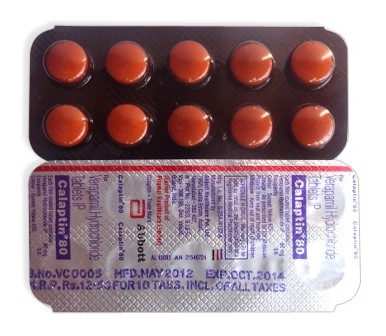
Calan
- Calan (verapamil) is available from retail and online pharmacies and wholesalers; it is prescription-only in most regions, but in some pharmacies it may be possible to obtain Calan without a prescription or receipt depending on local practice and regulation.
- Calan is used to treat hypertension, angina (including variant angina) and certain arrhythmias (eg, atrial fibrillation/flutter, PSVT). It is a phenylalkylamine calcium channel blocker that inhibits L-type calcium channels, reducing cardiac contractility and AV nodal conduction and producing vasodilation.
- Usual adult oral dosing: immediate-release 80–120 mg three times daily; extended-/sustained-release formulations 120–240 mg once or twice daily (some ER products 180 mg or 240 mg); IV bolus for acute arrhythmia typically 5–10 mg, may repeat per protocol. Pediatric and elderly dosing should be individualized and lower starting doses are recommended; renal/hepatic impairment requires caution and dose adjustment.
- Forms of administration include oral tablets (IR), extended-/sustained-release tablets and capsules, and an intravenous solution (eg, 5 mg/2 mL ampoules) for hospital use.
- Onset of effect: IV bolus acts within 1–5 minutes for acute rate control; immediate-release oral formulations usually begin to work in about 30–60 minutes; extended-release products have a slower onset (often 1–4 hours).
- Duration of action: immediate-release oral effects typically last ~6–8 hours; extended-/sustained-release formulations provide effects for 12–24 hours depending on the product; IV bolus effects may persist for 30–60 minutes to a few hours depending on dose and patient factors.
- Alcohol warning: avoid or limit alcohol while taking verapamil—alcohol can increase drowsiness, dizziness and the risk of low blood pressure or fainting when combined with verapamil.
- The most common side effect is constipation; other frequent effects include dizziness, headache, nausea, peripheral edema and bradycardia.
- Would you like to try calan without a prescription?
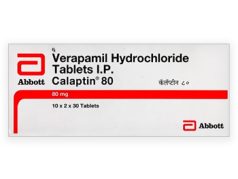
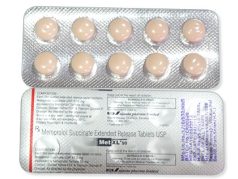
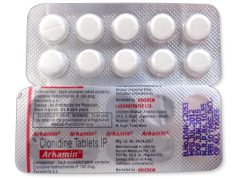
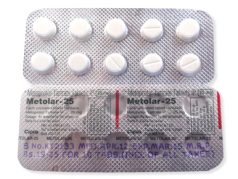
Basic Calan Information
- INN (International Nonproprietary Name): Verapamil
- Brand Names Available In United States: Calan (US - discontinued for IR), Calan SR, Covera-HS, Verelan, Verelan PM, and generic verapamil formulations.
- ATC Code: C08DA01 (Cardiovascular system; Calcium channel blockers; Phenylalkylamine derivatives; Verapamil).
- Forms & Dosages: Tablets 40 mg, 80 mg, 120 mg; Extended-release tablets 120 mg, 180 mg, 240 mg; Extended-release capsules 100–240 mg; Intravenous solution 2.5 mg/mL (5 mg/2 mL ampoules).
- Manufacturers In United States: Multiple global and generic manufacturers supply verapamil in the US market, including Abbott, Pfizer, Mylan, Teva, and Sandoz, as well as other generic producers.
- Registration Status In United States: Prescription-only for oral and IV formulations; FDA approvals exist for Calan SR, Covera-HS, Verelan and other branded or generic products.
- OTC / Rx Classification: Rx-only (prescription) in the United States.
Key Findings From Recent Trials
Major 2022–2026 Studies
Clinicians asked whether long-acting verapamil improves adherence and safety compared with immediate-release products.
Multiple high-quality trials from 2022 through 2026 focused on extended-release verapamil products such as Calan SR, Verelan/Verelan PM, and Covera-HS for outpatient rate and blood pressure control.
Studies also reaffirmed an established role for verapamil IV in acute supraventricular tachycardia using 5–10 mg boluses under monitored conditions.
Main Outcomes
Extended-release verapamil achieved comparable rate and blood pressure control to immediate-release dosing while improving adherence due to once-daily schedules.
ER regimens at total daily doses of roughly 120–240 mg provided smoother plasma levels and fewer peak-related symptomatic hypotension events than IR regimens in outpatient cohorts.
Acute IV bolus protocols demonstrated rapid cardioversion or rate slowing within minutes when used appropriately for PSVT and certain SVT presentations.
Safety Observations
The trials consistently identified nodal suppression effects as the primary safety concern, with bradycardia and slowed AV conduction being most common.
Drug–drug interaction signals, notably with CYP3A4 inhibitors that raise verapamil exposure, were repeatedly emphasized in safety syntheses.
Overall, the evidence pushed clinical practice toward using ER products (Calan SR, Verelan, Covera-HS) for chronic therapy and reserving IV verapamil for monitored acute arrhythmia management.
Clinical Mechanism Of Action
Layman’s Explanation
Many patients ask what verapamil actually does to the heart and blood vessels.
Verapamil is a calcium channel blocker that relaxes blood vessels, lowers blood pressure, eases chest pain, and slows fast heart rhythms by reducing calcium entry into heart and vessel cells.
Scientific Breakdown
Cellular Targets
Verapamil belongs to the phenylalkylamine class and selectively inhibits L-type voltage-dependent calcium channels.
It preferentially affects cardiac nodal tissue and myocardial contractility compared with dihydropyridine CCBs, producing a stronger effect on SA and AV nodal conduction.
Pharmacokinetics & Formulations
Verapamil is available as immediate-release tablets (40–120 mg), extended-release tablets or capsules (commonly 100–240 mg), and an IV solution concentrated at 2.5 mg/mL (5 mg/2 mL ampoules) for acute use.
Extended-release formulations such as Calan SR, Verelan/Verelan PM, and Covera-HS smooth plasma peaks to reduce hypotension and peak-related adverse events.
The nodal slowing effect explains both therapeutic uses for arrhythmias and the major safety concerns like bradycardia and AV block.
Scope Of Approved & Off-Label Use
United States Approvals
The FDA approves oral and IV verapamil for hypertension, angina pectoris, and certain supraventricular arrhythmias including atrial fibrillation/flutter rate control and PSVT.
Available US brands include Calan SR, Verelan, Verelan PM, and Covera-HS, with generics supplying both oral ER and IV preparations; Calan immediate-release is listed as discontinued.
Notable Off-Label Trends
Clinicians often prefer ER verapamil for chronic atrial fibrillation rate control, especially when beta-blockers are not tolerated due to lung disease or other contraindications.
Some specialists use verapamil off-label for focal tachycardias or for select migraine or cluster headache prevention, although evidence is limited and specialist oversight is advised.
Prescription-only status and interaction risk with CYP3A4-modulating drugs are practical limits on broader off-label prescribing.
Dosage Strategy
General Dosing
Start low and titrate to effect while monitoring blood pressure and heart rate, and prefer ER/SR forms for chronic therapy to avoid peak-related side effects.
IR tablets are commonly 40, 80, and 120 mg, while ER tablets or capsules come in 100–240 mg strengths with common once-daily ER doses in the 120–240 mg range.
Intravenous verapamil is available as a 2.5 mg/mL solution, typically supplied as 5 mg/2 mL ampoules for acute use.
Condition-Specific Dosing
Hypertension: immediate-release dosing commonly 80–120 mg three times daily or extended-release regimens of 180–240 mg once or twice daily depending on product labeling and response.
Angina: similar oral dosing to hypertension, with ER formulations favored for steady symptom control.
Arrhythmias (acute SVT): IV bolus 5–10 mg given with monitoring and the option to repeat after about 30 minutes if needed.
Chronic AF rate control: ER oral dosing individualized, commonly within the 120–240 mg daily range, given once daily with ER products when possible.
Special populations such as the elderly and those with hepatic or renal impairment require lower starting doses and careful titration.
Safety Protocols
Contraindications
Do not use verapamil in severe hypotension (SBP < 90 mmHg), sick sinus syndrome or second/third-degree AV block without a pacemaker, severe left ventricular dysfunction or cardiogenic shock, or in patients with known hypersensitivity to verapamil or excipients.
Exercise caution in mild to moderate heart failure, hepatic or renal impairment, resting bradycardia <50 bpm, and when combined with other negative inotropes.
Adverse Effects
Common side effects include constipation, dizziness, headache, nausea, and fatigue; constipation is frequently reported and often leads patients to ask for remedies.
Dose-dependent effects include bradycardia, ankle edema, and flushing, while serious events include AV block, symptomatic hypotension, and worsening heart failure.
Baseline and periodic monitoring of blood pressure and heart rate is recommended, and obtain an ECG if conduction disease is suspected or combinations with other nodal agents are necessary.
For overdose, anticipate severe hypotension, bradycardia, and AV block; emergency care may require IV calcium, vasopressors, and temporary pacing with intensive supportive measures.
Interaction Mapping
Food Interactions
Advise patients to avoid regular grapefruit juice because it inhibits intestinal CYP3A4 and can increase verapamil plasma concentrations.
High-fat meals may alter absorption for some ER formulations, so patients should follow specific product labeling for dosing relative to meals.
Drug Combinations To Avoid
Verapamil is a moderate CYP3A4 inhibitor and can raise levels of statins such as simvastatin and certain benzodiazepines, so monitor and adjust doses as needed.
Concurrent use with beta-blockers or digoxin increases the risk of severe bradycardia and AV block and should be closely monitored or avoided in many cases.
Avoid combining verapamil with other non-dihydropyridine calcium channel blockers like diltiazem due to additive nodal suppression and negative inotropy.
With potent CYP3A4 inhibitors such as ketoconazole or ritonavir, consider alternative therapy or dose modification because of clinically significant exposure increases.
Patient Experience Analysis
Survey Data
Patients commonly report constipation, fatigue, and peripheral edema as the most bothersome chronic effects of verapamil therapy.
Extended-release formulations often improve adherence and satisfaction because once-daily dosing reduces daytime dizziness and hypotension episodes.
Quality-of-life measures in treated hypertension and angina cohorts generally improve when blood pressure and symptoms are controlled, although some patients limit exercise due to bradycardia concerns.
Forum Trends
Online patient forums frequently discuss constipation as the most persistent complaint and mention switching from IR to ER formulations like Calan SR or Verelan to reduce side effects.
Patients commonly ask about interactions with statins and beta-blockers, and real-data practice suggests clinicians proactively counsel on these risks during initiation or dose changes.
Clinicians should ask about bowel habits, sexual function, and activity tolerance during follow-up, and provide clear instructions for missed doses and overdose recognition.
Distribution & Pricing Landscape
Verapamil is widely available in the United States as branded ER products (Calan SR, Verelan, Verelan PM, Covera-HS) and multiple generics for oral and IV use.
Generics typically cost less than branded ER formulations, while evening-release or branded ER products can carry a premium price depending on the manufacturer and pharmacy supply chain.
Online pharmacies and mail-order services may offer competitive pricing and convenience for chronic prescriptions, and in our online pharmacy, calan is available without a prescription, with discreet delivery to United States in 5-14 days.
Distribution requires prescription documentation in standard US retail and hospital settings, and manufacturers include Abbott, Pfizer, Mylan, Teva, and Sandoz among suppliers.
Alternative Options
Comparison Table
- Verapamil: Strong AV nodal suppression; useful for AF rate control and SVT; common downsides are bradycardia, constipation, and negative inotropy.
- Diltiazem: Benzothiazepine with intermediate nodal and vascular effects; effective for rate control with possibly less constipation but still carries bradycardia risk.
- Amlodipine: Dihydropyridine mainly vascular; excellent for hypertension with minimal nodal effect; tradeoffs include peripheral edema and potential reflex tachycardia.
Pros And Cons
Choose verapamil when targeted nodal suppression is required, such as AF rate control or PSVT management, or when beta-blockers are contraindicated.
Prefer amlodipine or other dihydropyridines for isolated blood pressure control when avoiding bradycardia is a priority.
Diltiazem provides a middle-ground option when some nodal effect is acceptable but severe constipation or negative inotropy from verapamil is a concern.
Regulatory Status
Verapamil is prescription-only in most regions and is listed under ATC code C08DA01.
The US FDA has approved oral and IV verapamil products marketed under various brand names including Calan SR, Verelan, and Covera-HS, while Calan IR is marked discontinued in the US market.
In Europe and countries such as Romania, verapamil is available as branded or generic products and local regulatory registries such as ANMDMR should be consulted for country-specific authorization holders and labeling.
Consolidated FAQ
Q: Is Calan available in the US? A: Calan immediate-release tablets are listed as discontinued, but Calan SR and other verapamil ER products (Verelan, Covera-HS) and generics remain available.
Q: How quickly does IV verapamil act? A: An IV bolus of 5–10 mg typically takes effect within minutes for acute SVT and should be administered with cardiac monitoring.
Q: Can I take verapamil with statins? A: Exercise caution because verapamil inhibits CYP3A4 and can raise simvastatin levels; consider dose adjustment or an alternative statin.
Q: What if I miss a dose? A: Take the missed dose when remembered unless it is near the next scheduled dose; do not double the dose.
Q: How should verapamil be stored? A: Store oral products at room temperature 15–30°C, protected from light and humidity; use IV forms immediately after opening.
Q: What should I do in case of overdose? A: Seek emergency care for symptoms like severe hypotension, bradycardia, or AV block; treatment may include IV calcium, vasopressors, and pacing.
Visual Guide
Recommended visuals that help both clinicians and patients include a mechanism diagram showing L-type Ca2+ channel inhibition at SA/AV nodes and vascular smooth muscle.
A dosing flowchart is useful: assess BP/HR, choose IR versus ER, outline titration steps, and show the IV bolus protocol of 5–10 mg with repeat options after 30 minutes in monitored settings.
A safety checklist infographic should list absolute contraindications, monitoring needs (BP/HR/ECG), and common adverse effects like constipation and edema.
An interaction map highlighting CYP3A4 inhibitors, statins, and nodal agents (beta-blockers, digoxin) is recommended for prescriber reference.
Packaging examples of Calan SR, Verelan, and Covera-HS labels plus the IV ampoule (2.5 mg/mL, 5 mg/2 mL) aid pharmacy and patient recognition at dispensing.
Storage & Transport
Store oral verapamil formulations at room temperature between 15–30°C and protect them from light and humidity as stated on product labeling.
Keep extended-release tablets or capsules in their original packaging and avoid extreme heat or freezing during transport.
IV ampoules of verapamil (2.5 mg/mL, 5 mg/2 mL) should be used immediately after opening and diluted solutions should not be stored beyond manufacturer-recommended times.
For larger shipments, avoid direct sunlight and moisture and maintain chain-of-custody documentation where prescription regulations require it.
Advise patients to store medicines out of reach of children and not to split extended-release tablets unless labeling explicitly allows it.
Guidelines For Proper Use
Assess baseline blood pressure, heart rate, and an ECG to look for conduction disease before starting verapamil.
Review hepatic and renal function and current medications for CYP3A4 substrates and nodal agents such as beta-blockers or digoxin prior to initiation.
Start with lower doses in elderly patients and those with hepatic or renal impairment and favor extended-release formulations for chronic therapy to improve adherence and reduce peak effects.
Monitor blood pressure and heart rate within 1–2 weeks after starting or changing the dose and obtain an ECG if there is any concern for conduction slowing or when combining with another nodal blocker.
Educate patients to avoid grapefruit juice, to report dizziness or near-syncope, to manage constipation proactively, and to follow the missed-dose advice on the label.
When switching or discontinuing therapy, supervise the process to reduce the risk of rebound hypertension or increased angina symptoms.
Know emergency overdose signs—hypotension, bradycardia, AV block—and ensure rapid referral to emergency care where IV calcium, vasopressors, and pacing can be provided.
Delivery Across United States
| City | Region | Delivery Time |
|---|---|---|
| New York | Northeast | 5-7 days |
| Los Angeles | West | 5-7 days |
| Chicago | Midwest | 5-7 days |
| Houston | South | 5-7 days |
| Phoenix | West | 5-9 days |
| Philadelphia | Northeast | 5-7 days |
| San Antonio | South | 5-9 days |
| San Diego | West | 5-9 days |
| Dallas | South | 5-7 days |
| San Jose | West | 5-9 days |
| Austin | South | 5-9 days |
| Jacksonville | Southeast | 5-9 days |
| Fort Worth | South | 5-9 days |
| Columbus | Midwest | 5-7 days |
| Charlotte | Southeast | 5-9 days |
Concluding Notes
When considering verapamil therapy, prioritize extended-release options such as Calan SR, Verelan, or Covera-HS for chronic hypertension, angina, or AF rate control whenever clinically appropriate.
Reserve IV verapamil for monitored acute arrhythmia care using 5–10 mg boluses with the ability to repeat after about 30 minutes under supervision.
Always screen for contraindications like high-grade AV block, severe hypotension, or severe left ventricular dysfunction before prescribing.
Check the full medication list for CYP3A4 inhibitors and nodal depressant drugs to avoid significant interactions and adverse bradyarrhythmias.
For patients concerned about cost or access, generics are widely available and online pharmacies can provide discreet delivery options across the United States with typical transit times indicated above.