
Allopurinol
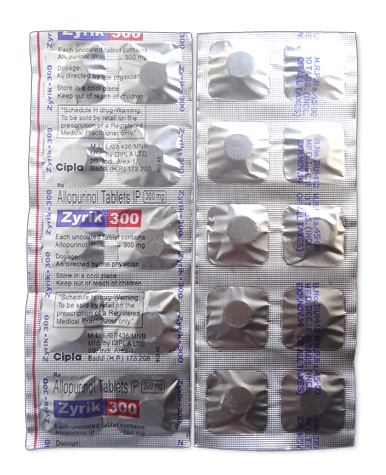
Allopurinol
- Allopurinol is normally dispensed in pharmacies and via licensed online pharmacies as a prescription-only (Rx) medicine in most countries (FDA/EMA/MHRA/TGA/PMDA); while some local outlets or online vendors may offer it without a prescription, purchasing it that way is not recommended and may be illegal or unsafe in your jurisdiction.
- Allopurinol is used to treat gout and chronic hyperuricemia, prevent uric acid kidney stones, and for tumor lysis syndrome prophylaxis; it works as a xanthine oxidase inhibitor, reducing uric acid synthesis.
- Typical adult dosing starts at 100 mg/day and is titrated up (commonly 200–300 mg/day for mild disease, 400–600 mg/day for more severe cases) with a maximum often cited up to 800 mg/day; tumor lysis prophylaxis may use 600–800 mg/day in divided doses and renal dose reductions are required.
- Allopurinol is administered orally, usually as tablets (standard strengths 100 mg and 300 mg; other strengths or compounded forms exist in some regions).
- Allopurinol begins to lower serum uric acid within about 24–72 hours, with more noticeable biochemical changes within 1–2 weeks; clinical improvement (fewer gout flares, shrinking tophi) may take weeks to months.
- The drug is taken once daily for maintenance; its active metabolite (oxypurinol) has a long half-life so the uric acid–lowering effect is effectively maintained over 24 hours with daily dosing.
- Avoid excessive alcohol while taking allopurinol—alcohol raises uric acid and gout risk, can worsen liver effects, and may reduce treatment effectiveness; stay well hydrated.
- The most common side effect is skin rash (which can signal serious hypersensitivity); other frequent effects include gastrointestinal upset, liver enzyme changes, and headache.
- Would you like to try allopurinol without a prescription?
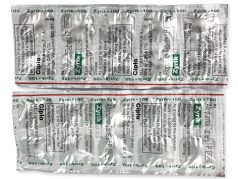
Basic Allopurinol Information
- INN (International Nonproprietary Name): Allopurinol.
- Brand Names Available In United States: Zyloprim and generic allopurinol tablets (commonly 100 mg and 300 mg).
- ATC Code: M04AA01.
- Forms & Dosages: Oral tablets are the standard form, most commonly 100 mg and 300 mg strengths; some regions may offer 200 mg or 400 mg tablets or compounded suspensions, but injectable or topical forms are not typical.
- Manufacturers In United States: Major suppliers and generic manufacturers include Teva, Sandoz, Mylan and other international generic firms; originator brand distribution includes Zyloprim (Sanofi) among others.
- Registration Status In United States: Widely registered with national regulators, including the US FDA, and included on the WHO Essential Medicines List.
- OTC / Rx Classification: Prescription-only (Rx) in virtually all jurisdictions due to risks of serious adverse reactions and monitoring requirements.
Key Findings From Recent Trials
Major 2022–2026 Studies
What did recent trials ask about allopurinol and why should patients care?
Large randomized controlled trials and systematic reviews from 2022 through 2026 focused on cardiovascular safety, renal outcomes, and comparative urate‑lowering efficacy versus alternatives such as febuxostat and placebo.
These investigations included multi‑center cohorts and pooled meta‑analyses that examined titrated allopurinol regimens across the typical 100–800 mg/day range.
Investigators paid particular attention to dosing needed to reach serum urate targets and to long‑term clinical endpoints like flare frequency and tophi regression.
Main Outcomes
How well does allopurinol lower uric acid and what clinical benefits follow?
Across trials, allopurinol reliably lowers serum urate when titrated appropriately, with many patients achieving targets at 200–300 mg/day.
Comparative studies show broadly similar urate reductions to febuxostat at equivalent enzyme inhibition, although some cohorts experienced faster urate declines with febuxostat.
Clinical outcomes reported include fewer gout flares over time and progressive regression of tophi with sustained urate control.
Evidence for slowed chronic kidney disease progression with urate lowering remains inconclusive because of study heterogeneity and differing endpoints.
Safety Observations
What safety flags did the recent analyses reinforce?
Recent safety data confirm known risks: severe cutaneous adverse reactions such as Stevens‑Johnson syndrome and toxic epidermal necrolysis remain rare but serious, with a higher risk in carriers of HLA‑B*5801.
Drug‑drug toxicity remains a major concern, particularly with coadministration of azathioprine or 6‑mercaptopurine, which can cause life‑threatening myelosuppression if not adjusted.
Meta‑analyses emphasize individualized therapy choices and the need for ongoing pharmacovigilance, especially during initiation and early titration periods.
Clinical Mechanism Of Action
Layman’s Explanation
What does allopurinol actually do inside the body?
Allopurinol blocks an enzyme in the liver that converts purines into uric acid, which lowers the amount of uric acid in the blood and reduces gout flares and uric‑acid kidney stones over time.
Lowering serum urate also helps to shrink tophi and reduce future joint damage when therapy is continued.
Scientific Breakdown
Enzymatic Steps
Which biochemical step is blocked?
Purine bases are broken down to xanthine and then to uric acid, and xanthine oxidase catalyzes the final step from xanthine to uric acid.
Allopurinol and its active metabolite oxypurinol inhibit xanthine oxidase, reducing uric acid production.
Pharmacokinetics
How is allopurinol absorbed and metabolized?
After oral dosing, allopurinol is metabolized to oxypurinol, the active metabolite that accumulates and inhibits xanthine oxidase non‑competitively.
Oxypurinol elimination is primarily renal, so accumulation occurs in chronic kidney disease and dosing must be adjusted accordingly.
Xanthine oxidase inhibition not only lowers uric acid but may reduce oxidative stress related to purine metabolism, a topic of ongoing clinical research into cardiovascular and renal effects.
Expect serum urate to decline over weeks and clinical benefits, like fewer flares and tophi regression, to appear over months with consistent therapy.
Scope Of Approved & Off‑Label Use
United States Approvals
What is allopurinol officially approved for?
In the United States, allopurinol is approved as a prescription medicine for chronic gout with hyperuricemia and for management of uric‑acid nephrolithiasis.
It is commonly prescribed to lower serum urate, prevent gout flares, and slow tophi progression when used long term.
Brand examples in the US market include Zyloprim and widely available generics in 100 mg and 300 mg tablets.
Notable Off‑Label Trends
When do clinicians use allopurinol outside labeled indications?
Allopurinol is often used off‑label for tumor lysis syndrome prophylaxis when rasburicase is unavailable or contraindicated, usually in short, higher‑dose courses.
Recurrent uric‑acid kidney stones are another common off‑label indication where urate lowering supports stone dissolution or prevention.
Pediatric use is limited and typically reserved for chemotherapy‑associated hyperuricemia or rare inherited metabolic disorders, dosed at about 10–20 mg/kg/day up to 400 mg/day.
HLA‑B*5801 testing and renal dosing adjustments are increasingly used in high‑risk populations before initiation.
Dosage Strategy
General Dosing
How should therapy start and how is it titrated?
Begin allopurinol at a low dose—commonly 100 mg/day for adults—and increase in roughly 100 mg increments every 2–4 weeks guided by serum urate and tolerability.
Targets: generally less than 6 mg/dL for most patients and less than 5 mg/dL for those with extensive tophi.
Maintenance doses for mild disease are commonly 200–300 mg/day.
Higher maintenance doses, often 400–600 mg/day, are used for severe hyperuricemia and tophaceous disease, with monitoring and sometimes doses up to 800 mg/day in selected patients under close supervision.
Condition‑Specific Dosing
How does dosing differ by condition?
Gout management: start at 100 mg/day and titrate to target serum urate, using flare prophylaxis—colchicine 0.5 mg daily or an NSAID—during the first 3–6 months of urate‑lowering therapy.
Uric‑acid kidney stones: dosing mirrors gout regimens, adjusted to achieve stone‑dissolution goals and urate targets.
Tumor lysis prevention: when rasburicase is not appropriate, clinicians sometimes use short courses of 600–800 mg/day divided doses under close monitoring.
Renal impairment: reduce dose; for patients with CrCl under about 20 mL/min, clinicians often limit to approximately 100 mg/day and consider alternatives for severe impairment.
Pediatrics: 10–20 mg/kg/day in divided doses up to 400 mg/day for select indications.
Safety Protocols
Contraindications
Who should not take allopurinol?
Absolute contraindications include known hypersensitivity to allopurinol or the tablet excipients and any history of severe cutaneous adverse reactions such as Stevens‑Johnson syndrome or toxic epidermal necrolysis.
Do not initiate allopurinol during an acute gout flare.
Consider HLA‑B*5801 testing before initiation in high‑risk ethnic groups, such as Han Chinese or Thai patients, and in some Korean populations.
Adverse Effects
What side effects should patients and clinicians watch for?
Common, usually mild effects include skin rash, gastrointestinal upset (nausea, diarrhea), headache, and transient liver enzyme elevations.
Paradoxical gout flares can occur after starting therapy; prophylaxis with colchicine or an NSAID reduces this risk.
Serious reactions, though rare, include DRESS syndrome and life‑threatening SJS/TEN accompanied by renal and hepatic injury.
Baseline and early monitoring should include CBC, renal and liver function tests with a recheck within a few weeks after initiation or dose change, and vigilance for any rash or systemic symptoms that require immediate drug cessation and urgent evaluation.
Interaction Mapping
Food Interactions
Are there foods that change how allopurinol works?
Allopurinol has few direct food interactions, but alcohol and high‑purine diets can undermine urate lowering and trigger flares.
Hydration and moderation of purine‑rich foods are practical counseling points to improve outcomes.
Drug Combinations To Avoid
Which drugs cause dangerous interactions with allopurinol?
Allopurinol inhibits xanthine oxidase and markedly increases concentrations and toxicity risk of purine analogs, most critically azathioprine and 6‑mercaptopurine, unless those agents are dose‑reduced under specialist supervision.
Warfarin effect may be modestly enhanced by allopurinol, so INR monitoring is prudent after starting or changing dose.
Thiazide diuretics can raise urate and have been associated with increased hypersensitivity risk; consider alternative diuretics where appropriate.
Oxypurinol accumulation in CKD may affect other renally cleared drugs; always check current interaction databases when starting or adjusting therapy or when switching to febuxostat.
Patient Experience Analysis
Survey Data
What do surveys tell us about real‑world outcomes?
Quantitative surveys show that patients who tolerate allopurinol report fewer gout flares and measurable tophi regression over months to years of treatment.
Common patient‑reported side effects include skin rash, gastrointestinal upset, and fatigue, while severe reactions are rare but heavily feared.
Adherence improves when patients receive clear instructions on prophylaxis, gradual titration, and monitoring schedules.
Forum Trends
What themes appear on patient forums and social media?
Forum discussions repeatedly highlight early treatment flares that catch patients off guard, prompting premature discontinuation when proper counseling was not given.
Cost and access are frequent concerns, with brand‑versus‑generic debates (Zyloprim vs generics) and price searches such as “allopurinol tablets 100mg price.”
Concerns about serious skin reactions drive demand for HLA‑B*5801 testing and safety information before treatment.
Distribution & Pricing Landscape
Global Manufacturers And Packaging
Who makes allopurinol and how is it packaged?
Allopurinol is produced by numerous manufacturers, including Teva, Sandoz, Mylan, Accord, Zentiva, Aspen, Sanofi (Zyloric/Zyloprim) and many regional firms such as Terapia and Arena.
Standard packaging globally centers on 100 mg and 300 mg oral tablets, with blister packs and bottles common depending on the market.
Pricing Trends And Access
How affordable and accessible is allopurinol?
Extensive generic production keeps unit costs low in many markets, but patient out‑of‑pocket price varies by insurance coverage, brand choice, and pharmacy sourcing.
Online searches for “Buy Allopurinol online” and price comparisons reveal demand for low‑cost access and discreet shipping.
In our online pharmacy, allopurinol is available without a prescription, with discreet delivery to United States in 5-14 days.
Alternative Options
Comparison Table
| Drug | Mechanism | Typical Use | Notes |
|---|---|---|---|
| Allopurinol | Xanthine Oxidase Inhibitor | Chronic gout, uric acid stones | Low cost; requires renal dosing; risk of hypersensitivity |
| Febuxostat | Xanthine Oxidase Inhibitor | Alternative for intolerance or inadequate response | May lower urate rapidly; higher cost; CV safety signals reported in some studies |
| Probenecid | Uricosuric Agent | Underexcreters with adequate renal function | Not effective in significant CKD |
| Rasburicase | Urate Oxidase (Enzymatic) | Tumor Lysis Syndrome | Rapid IV urate lowering; high cost and immunogenicity |
Pros And Cons
What are the practical tradeoffs?
Allopurinol: long track record, affordable generics, effective when titrated, but carries hypersensitivity risk and requires renal adjustments and drug interaction vigilance.
Febuxostat: useful alternative for those intolerant to allopurinol but can be costlier and may have cardiovascular safety considerations.
Probenecid and sulfinpyrazone: useful where renal function permits and urate underexcretion is the mechanism, but limited in CKD.
Rasburicase: reserved for TLS or rapid control needs where IV therapy is acceptable despite higher cost.
Regulatory Status
Global Registrations
Where is allopurinol approved?
Allopurinol (ATC M04AA01) is registered across major regulatory agencies including the US FDA, EMA and national EU bodies, the UK MHRA, Health Canada, Australia’s TGA, and Japan’s PMDA.
The drug appears on the WHO Essential Medicines List and in many national formularies.
Prescription Classification
Is a prescription required?
Allopurinol is classified as prescription‑only in virtually all jurisdictions because of the risk of severe hypersensitivity and the need for monitoring.
Regulatory labeling focuses on severe cutaneous adverse reactions, recommendations for HLA‑B*5801 testing in certain populations, and guidance on renal dosing and not initiating therapy during an acute gout attack.
Consolidated FAQ
Here are short answers to common practical questions patients and prescribers ask.
- Can allopurinol be started during an acute gout attack? No; initiation can worsen or prolong flares—start after the acute episode and use prophylaxis when beginning therapy.
- What laboratory monitoring is recommended? Baseline CBC, renal and liver function tests; recheck within 2–4 weeks after starting or changing dose, then periodically.
- Who should get HLA‑B*5801 testing? Testing is advised for ethnic groups at higher risk (e.g., Han Chinese, Thai, certain Koreans) and considered based on clinical judgment.
- How quickly does allopurinol work? Serum urate decreases over weeks, with clinical benefits over months; tophi regression takes longer.
- Major drug interactions? Azathioprine and 6‑MP increase toxicity with allopurinol—avoid or dose‑adjust; monitor warfarin INR and review diuretics such as thiazides.
- Available forms and brands? Oral tablets are standard—100 mg and 300 mg are most common; brands include Zyloprim and other generics.
- Is it safe in pregnancy? Use only if essential and after specialist consultation.
Visual Guide
Which diagrams help patients and clinicians most?
Recommended visuals include a mechanism diagram showing purine → xanthine → uric acid with xanthine oxidase and oxypurinol inhibition, a dosing algorithm for adults and children with renal branches, a monitoring timeline showing baseline labs and early follow‑up, a safety decision tree for HLA‑B*5801 testing and rash evaluation, tablet images for 100 mg and 300 mg packaging, and an interaction map highlighting azathioprine/6‑MP and warfarin.
Storage & Transport
Recommended Storage Conditions
How should patients store allopurinol at home?
Store tablets below 25°C (77°F) in the original container to protect from light and moisture.
Do not freeze and keep out of reach of children.
Transport Considerations
What should pharmacies and distributors watch for?
For bulk shipping or cross‑border transport, temperature‑controlled shipping is recommended where ambient conditions exceed labeled storage ranges.
Stock rotation, expiry checks, and chain‑of‑custody documentation are standard supply‑chain practices for manufacturers like Teva, Sandoz, Mylan and others.
Guidelines For Proper Use
Initiation & Monitoring
How should clinicians and patients start and follow allopurinol safely?
Begin low and titrate slowly—typically 100 mg/day in adults, lower in CKD, increasing by about 100 mg every 2–4 weeks until target serum urate is met.
Obtain baseline CBC, renal, and liver panels and perform a careful medication review to identify interactions such as azathioprine or 6‑MP.
Consider HLA‑B*5801 testing in high‑risk ethnic groups prior to starting therapy.
Provide flare prophylaxis with colchicine or an NSAID for the first 3–6 months of urate lowering to reduce the risk of early gout attacks.
Monitor renal and liver function within 2–4 weeks of initiation or dose change and at periodic intervals thereafter, and maintain continuous vigilance for rash or systemic features.
Patient Counseling Points
What should patients know before they go home with a prescription?
Stay hydrated, limit alcohol and high‑purine foods, and take tablets once daily as prescribed.
If a dose is missed, take it when remembered unless it is close to the next dose; do not double doses.
Stop the medication and seek urgent care for any new rash, mouth sores, fever, or systemic symptoms, as these may signal a severe hypersensitivity reaction.
Overdose requires immediate medical attention and may cause serious skin, hepatic, or renal toxicity.
Consolidated Delivery Across United States
| City | Region | Delivery Time |
|---|---|---|
| New York | Northeast | 5-7 days |
| Los Angeles | West | 5-7 days |
| Chicago | Midwest | 5-7 days |
| Houston | South | 5-7 days |
| Phoenix | West | 5-7 days |
| Philadelphia | Northeast | 5-7 days |
| San Antonio | South | 5-9 days |
| San Diego | West | 5-7 days |
| Dallas | South | 5-7 days |
| San Jose | West | 5-9 days |
| Austin | South | 5-9 days |
| Jacksonville | Southeast | 5-9 days |
| Fort Worth | South | 5-9 days |
Final Practical Notes
How can patients get the most out of allopurinol therapy while minimizing risk?
Start low and titrate to a serum urate target, with regular monitoring of renal and liver function and a plan for flare prophylaxis during the early months of treatment.
Review existing medications for interactions, especially azathioprine and 6‑MP, and counsel patients to stop the drug and seek urgent care for any rash or systemic symptoms.
Choose a reputable manufacturer or generic supplier—brands like Zyloprim and generics from major manufacturers are widely available in 100 mg and 300 mg tablet strengths.
Discuss HLA‑B*5801 testing in high‑risk ethnic groups as part of the pre‑treatment risk assessment.
When cost or access is a concern, generic options typically offer substantial savings compared with originator brands.
For cancer patients at risk of tumor lysis syndrome, coordinate with oncology regarding the choice between short‑course high‑dose allopurinol and alternatives like rasburicase.
Well‑informed patients who understand the expected timeline for benefit and the signs that require urgent care are more likely to remain adherent and to have improved long‑term outcomes.