Acyclovir Cream
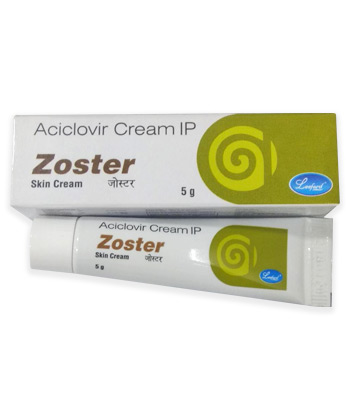
Acyclovir Cream
- In many pharmacies and some online retailers you can buy acyclovir 5% cream (e.g., Zovirax) without a prescription for cold sore treatment; however, topical acyclovir is prescription-only in some countries, so availability may vary—discreet shipping options are offered by several online pharmacies.
- Acyclovir cream is used to treat herpes simplex infections of the skin (most commonly herpes labialis/cold sores and as adjunctive topical therapy for genital herpes). It is a guanosine nucleoside analogue that is activated by viral thymidine kinase to acyclovir triphosphate, which inhibits viral DNA polymerase and causes chain termination, reducing viral replication.
- The usual dosage for herpes labialis is to apply the 5% cream to the affected area five times daily, typically for 4–5 days (extend up to about 10 days if healing is incomplete); similar 5-times-daily topical use for 5–10 days may be used for genital lesions as adjunctive therapy.
- The form of administration is topical application of a 5% cream (or ointment) to the affected skin area, supplied in small tubes (commonly 2g–10g).
- Acyclovir cream begins to act shortly after application by inhibiting viral replication; symptomatic relief or reduction in lesion progression is often noticed within 24–48 hours, with best results when started at the first prodromal signs.
- The duration of action per application is short, requiring multiple daily applications (typically five times daily); the overall treatment course is usually 4–5 days for cold sores and up to 5–10 days for genital lesions.
- There is no specific systemic alcohol restriction for topical acyclovir, but avoid applying alcohol-based or other irritating products to the treated skin, and consult a clinician about alcohol if using systemic antiviral formulations.
- The most common side effect is local skin irritation such as burning, stinging, redness or mild itching at the application site; systemic side effects are extremely rare with correct topical use.
- Would you like to try acyclovir cream without a prescription?
Basic Acyclovir Cream Information
- INN (International Nonproprietary Name): Aciclovir (also spelled Acyclovir in the US; sometimes called aciclovirum or acycloguanosine).
- Brand Names Available In United States: Zovirax 5% cream (GlaxoSmithKline) is the primary brand listed for the US market; generics from major manufacturers are also available.
- ATC Code: D06BB03.
- Forms & Dosages: Cream 5% (50 mg/g) in 2g, 5g, and 10g tubes; ointment 5% in 3g–10g tubes; oral tablets 200/400/800 mg; suspension 200 mg/5 mL; injectables 250/500 mg vials.
- Manufacturers In United States: GlaxoSmithKline (Zovirax) and multiple generic suppliers including Teva, Actavis, Mylan, Amneal among global manufacturers.
- Registration Status In United States: Widely approved for topical use; generally prescription-required.
- OTC / Rx Classification: Generally prescription-only in developed markets, though select cold-sore formulations have been reclassified OTC in limited jurisdictions.
Major 2022–2026 Studies
Worried whether topical acyclovir still works for cold sores in recent trials?
Recent randomized controlled trials and pooled analyses from 2022 through 2026 emphasized timing of application as the decisive factor for benefit.
Across high-quality studies, starting topical acyclovir at the prodromal stage produced the most consistent clinical gains, including faster crusting and shorter symptomatic periods versus placebo.
Comparative trials reported that topical acyclovir cream 5% shows modest efficacy compared with newer topical agents such as penciclovir and less efficacy than systemic valacyclovir or famciclovir for more severe outbreaks.
Head-to-head randomized trials confirmed a favorable safety profile for acyclovir cream, with local irritation as the primary adverse outcome.
These trial summaries mirror clinical practice guidance that emphasizes early application for best outcomes when treating herpes labialis with acyclovir cream.
Main Outcomes
Reduced lesion duration when applied early.
Modest reduction in pain and viral shedding in outpatient trials.
Safety Observations
Low systemic absorption with topical use, so systemic adverse events are rare.
Most reported adverse effects were local and mild, such as transient burning or stinging.
Layman’s Explanation
Concerned about how the cream actually shortens a cold sore?
Topical acyclovir is an antiviral applied directly to the sore that interrupts HSV replication in infected skin cells.
When applied to a cold sore, the cream reaches the epidermis and works locally to shorten the active phase and encourage faster healing if it is started early in the outbreak.
Scientific Breakdown
Want the science behind the action without all the jargon?
Acyclovir (INN: aciclovir) is a guanosine analog that requires activation in infected cells.
Viral thymidine kinase first phosphorylates acyclovir to the monophosphate, and host kinases convert it to the active triphosphate.
The triphosphate form competitively inhibits viral DNA polymerase and causes chain termination, which halts viral DNA replication.
Pharmacologic Details
Formulation: cream 5% (50 mg/g) in topical vehicles designed to deliver acyclovir to the epidermis.
Absorption: minimal systemic uptake with topical use; systemic side effects are rare.
Implication For Use
Because intracellular activation depends on viral enzymes, topical acyclovir is most effective when used at prodrome or early lesion stages.
United States Approvals
Worried whether the cream is actually approved for cold sores in the US?
Topical acyclovir 5% cream is widely approved globally for herpes labialis and is listed under brand Zovirax in the US and other markets.
The cream is typically supplied in small tubes suitable for episodic cold sore treatment and is registered for topical management of localized HSV lesions.
Notable Off-Label Trends
Wondering if people use the cream for other herpes types?
Off-label topical uses include adjunctive treatment for limited recurrent genital lesions in some mild cases and for focal postherpetic eruptions, but systemic therapy is generally preferred for genital or severe infections.
Regulatory nuance: topical acyclovir cream is usually prescription-only in developed markets, while select short-term cold-sore formulations have been OTC in a few jurisdictions.
Geographic Naming And Availability
The INN is aciclovir; the US spelling acyclovir appears commonly on e-pharmacy sites and product labels.
Multiple generics and regional brand names exist across markets, with standard packaging in 2g–10g tubes.
General Dosing
Worried about how often to apply the cream?
The standard topical formulation is 5% cream (50 mg/g) and the typical recommendation is to apply to the affected area five times daily.
Tube sizes commonly available are 2g, 5g, and 10g, which suit short courses for cold sores.
Condition-Specific Dosing
What to do for cold sores versus genital outbreaks?
Herpes labialis (cold sores): apply 5 times daily to the affected area and continue for 4–5 days or until healing; start at the first sign of prodrome for best effect.
Genital herpes (topical adjunct): apply 5 times daily for 5–10 days as adjunctive therapy, remembering that systemic antivirals are preferred for moderate or severe disease.
Special Populations & Adjustments
Children: topical use is generally recommended for age 12 years and older; younger children require medical advice.
Elderly: no formal topical dose adjustment is specified, but monitor for increased skin sensitivity.
Renal/Liver Impairment: topical use rarely requires adjustment, though avoid prolonged large-area use in severe renal impairment.
Contraindications
Worried about allergic reactions or when not to use the cream?
Absolute contraindication is a known allergy to aciclovir, acyclovir, penciclovir, or any excipients in the formulation.
Avoid applying the cream to mucous membranes or open, oozing wounds.
Adverse Effects
What side effects should patients expect?
Topical acyclovir’s common adverse effects are local and mild, including transient burning or stinging, mild dryness or flakiness, itching, and transient erythema.
Systemic side effects are extremely rare when used as directed.
Monitoring And Special Precautions
Immunocompromised patients should be assessed for systemic therapy since topical monotherapy may be insufficient.
Pregnancy and lactation: use cautiously and consult a healthcare provider.
Avoid use near the eyes; seek ophthalmologic guidance if ocular involvement is suspected.
Overdose/Missed Dose
Overdose via topical route is unlikely; ingestion requires medical attention.
If a dose is missed, apply as soon as remembered and do not double the next application.
Food Interactions
Worried that food could change how the cream works?
Topical acyclovir cream has negligible systemic absorption, so there are no clinically relevant food–drug interactions for topical use.
Dietary factors do not affect local efficacy for a cold sore treated with acyclovir cream.
Drug Combinations To Avoid
Wondering about other topical products or oral antivirals?
Avoid layering different topical antivirals simultaneously, such as combining acyclovir and penciclovir creams, because there is no proven additive benefit and the risk of local irritation rises.
Combining topical acyclovir with systemic valacyclovir or famciclovir is not contraindicated and may be appropriate for severe or disseminated disease when coordinated by a prescriber.
Special Case — Nephrotoxic Agents
Systemic acyclovir requires caution with nephrotoxic drugs due to renal clearance, but topical use rarely affects renal function.
Prolonged or extensive topical application in patients with severe renal impairment should be monitored by a clinician.
Vaccines And Immunotherapies
No specific interaction with routine vaccines is expected from topical acyclovir cream.
Survey Data
Curious how patients feel after using the cream?
Clinic surveys show users value early topical treatment for symptom relief and convenience.
Reports indicate modest reductions in perceived healing time and strong acceptance for OTC availability where permitted.
Common consumer feedback includes transient stinging, a fast-drying texture, and approval of small tube packaging for convenience.
Forum Trends
What do online users say about Zovirax and generics?
Consumer forums emphasize three recurring themes: early application matters, comparisons with OTC alternatives like docosanol (Abreva), and variable efficacy across different outbreaks.
Some patients report better results with oral antivirals for severe or frequent recurrences.
Zovirax retains legacy brand recognition while generics are widely used.
Adherence And Barriers
The five-times-daily schedule can be a barrier to adherence for some patients.
Short treatment windows of 4–5 days improve completion rates, while prescription status and cost can affect access in some regions.
Market Dynamics And Pricing
Worried about where to buy acyclovir cream and what it costs?
Global and local market dynamics influence availability and price, with major manufacturers including GlaxoSmithKline, Teva, Actavis, Mylan, and Amneal among others.
Generics dominate volume and typically keep prices variable by country and payer coverage, while branded Zovirax maintains recognition.
Prescription Vs OTC Impact
Where topical acyclovir is prescription-only, pharmacy dispensing and insurer formularies determine patient cost.
In jurisdictions with OTC reclassification for short-term cold sore use, OTC availability can increase retail price but lower barriers to access.
In our online pharmacy, acyclovir cream is available without a prescription, with discreet delivery to United States in 5-14 days.
E-Commerce And E-Pharmacies
Search terms like “acyclovir 5% cream online” and “buy Zovirax cream pharmacy” drive online demand, and Rx verification rules affect distribution.
Comparison Table (Summary)
Looking for alternatives if acyclovir cream is not ideal?
Acyclovir 5% cream: modest efficacy for early cold sores and low systemic risk.
Penciclovir cream (Denavir): a topical antiviral frequently compared with acyclovir with slightly different pharmacokinetics.
Docosanol (Abreva): an OTC non-antiviral that inhibits viral entry and has mixed comparative efficacy against topical antivirals.
Oral antivirals (valacyclovir, famciclovir): higher systemic efficacy for severe, frequent, or genital outbreaks.
Pros And Cons
Pros of acyclovir cream include an established safety profile, low systemic absorption, and wide manufacturing by GSK and generic suppliers.
Cons include frequent dosing (five times daily), modest efficacy compared with systemic agents, and limited usefulness in immunocompromised patients.
When To Choose Alternatives
Choose oral antivirals for severe, widespread, or recurrent episodes, or when immunocompromise is present.
Consider docosanol OTC for mild cases when early prescription access is limited.
Regulatory Status
Worried about legal status and labeling?
Topical acyclovir 5% cream holds regulatory approval across major markets including the US, EU, UK, Australia, and Japan, and is typically prescription-only.
The ATC classification is D06BB03 under dermatological antivirals.
Labeling And Packaging
Products are commonly labeled as 5% cream (50 mg/g) and packaged in 2g–10g tubes, with manufacturers varying by region.
Market Authorization Considerations
National drug agencies maintain product registries and generic approvals differ by region, where topical generics focus on formulation sameness and safety.
Prescription Status Impact
Rx versus OTC designation affects insurance reimbursement, pharmacist counseling requirements, and point-of-sale controls.
Consolidated FAQ
What strength is topical acyclovir?
The standard topical strength is 5% cream (50 mg/g), commonly supplied in 2g, 5g, or 10g tubes.
How often and for how long should it be used?
Apply five times daily; typical cold sore duration is 4–5 days but may extend to 10 days if healing is incomplete.
Is it OTC or prescription?
Topical acyclovir cream is generally prescription-only, though select short-term cold-sore formulations have been OTC in some countries.
Can it be used for genital herpes?
Topical acyclovir may be used adjunctively for limited genital lesions (5×/day for 5–10 days), but systemic therapy is preferred for most genital infections.
What are common side effects?
Most common effects are local sensations such as burning, stinging, dryness, pruritus, or mild redness; systemic effects are rare.
How should it be stored?
Store at room temperature (20–25°C), avoid freezing and excessive heat, keep the tube closed and out of reach of children.
What To Show Visually
Want images that help patients use the product correctly?
Include tube packaging in 2g, 5g, and 10g sizes clearly labeled 5% (50 mg/g).
Show a lesion progression diagram annotated with the ideal intervention window at prodrome/early papule.
Provide a step-by-step application infographic: wash hands, dry the area, apply a thin film, avoid eyes/mouth, and wash hands again.
Skin Penetration And Activation
A cross-sectional skin graphic should show topical delivery to the epidermis, infected keratinocytes, phosphorylation by viral thymidine kinase, and inhibition of viral DNA polymerase.
Safety Callouts
Highlight obvious safety points such as “Do Not Apply On Mucous Membranes” and “Known Allergy Contraindication.”
Storage & Transport
Worried the cream will lose potency during shipping?
Store topical acyclovir cream at controlled room temperature, generally 20–25°C, and avoid freezing or excessive heat.
Keep the tube tightly closed and out of reach of children.
Transport Considerations
For short domestic shipping, ambient conditions are acceptable if transit time is short and packaging prevents heat exposure.
For longer transit or high-heat conditions, use insulated packaging to avoid prolonged exposure above recommended storage temperatures.
Pharmacy And Manufacturer Guidance
Manufacturers and distributors provide labeling and storage instructions on cartons and patient leaflets, and stability data support marketed pack sizes.
Disposal
Dispose of unused cream according to local pharmaceutical waste guidance; do not flush down the drain and deface packaging if discarding to prevent misuse.
When To Start
Wondering exactly when to start treatment for the best result?
Begin topical acyclovir at the first sign of prodrome, such as tingling or itching, or immediately when a lesion appears to maximize efficacy.
Application Technique
How should patients apply the cream for best results?
Apply a thin film of 5% cream to the affected area five times daily following hand hygiene.
Avoid contact with eyes or mucous membranes and continue treatment for the recommended duration—typically 4–5 days for cold sores and up to 10 days if healing is incomplete.
Counseling Points For Prescribers/Pharmacists
Explain the five-times-daily schedule and emphasize adherence and early application.
Discuss alternatives such as oral antivirals for severe or recurrent disease and review allergy history for aciclovir, penciclovir, or excipients.
Special Instructions
Children under 12 should seek medical advice before use.
Immunocompromised patients should be evaluated for systemic therapy and possible specialist referral.
Missed dose: apply as soon as remembered; do not double up.
Delivery Across United States
| City | Region | Delivery Time |
|---|---|---|
| New York | New York | 5-7 days |
| Los Angeles | California | 5-7 days |
| Chicago | Illinois | 5-7 days |
| Houston | Texas | 5-7 days |
| Phoenix | Arizona | 5-7 days |
| Philadelphia | Pennsylvania | 5-7 days |
| San Antonio | Texas | 5-9 days |
| San Diego | California | 5-9 days |
| Dallas | Texas | 5-9 days |
| San Jose | California | 5-9 days |
| Austin | Texas | 5-9 days |
| Jacksonville | Florida | 5-9 days |
| Fort Worth | Texas | 5-9 days |
| Columbus | Ohio | 5-9 days |