Risnia
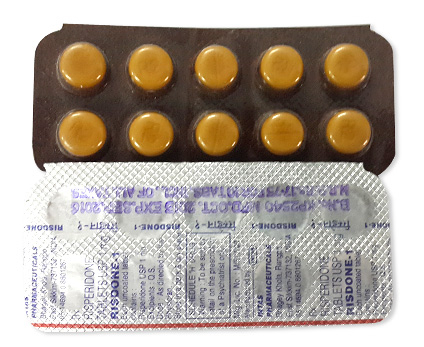
Risnia
- In our pharmacy, you can buy Risnia (risperidone) without a prescription in some regions and pharmacies; however risperidone is prescription-only in most countries so local availability without a receipt depends on regional regulations and pharmacy practices.
- Risperidone is used to treat schizophrenia, bipolar mania, and irritability associated with autism; it is an atypical antipsychotic that works mainly by blocking dopamine D2 and serotonin 5-HT2A receptors.
- Usual doses: for adult schizophrenia start 1 mg twice daily with a typical target of 4–6 mg/day (max 16 mg/day, split doses); bipolar mania often 2–3 mg once daily (up to ~6 mg/day); pediatric dosing is lower (e.g., autism 5–16 yrs start 0.25–0.5 mg/day; schizophrenia in teens start ~0.5 mg/day and titrate).
- Forms of administration: oral tablets (0.25–4 mg), orally disintegrating tablets (ODT/M‑Tab 0.5–4 mg), and oral solution (1 mg/mL).
- Onset time: calming or reduction in agitation can occur within hours, some antipsychotic effects may be seen within days, and meaningful improvement in psychotic symptoms often develops over 1–2 weeks with fuller responses by 4–6 weeks.
- Duration of action: oral risperidone is generally effective for about 24 hours with usual once- or twice-daily dosing (elimination half-life is roughly around a day); maintenance therapy for conditions like schizophrenia or bipolar disorder is typically continued for months to years as clinically indicated.
- Alcohol warning: avoid alcohol while taking risperidone because it can increase sedation, dizziness, and the risk of low blood pressure and impaired coordination.
- The most common side effect is drowsiness/fatigue (other frequent effects include weight gain, insomnia, headache, dizziness, nausea/constipation, and extrapyramidal symptoms such as tremor or muscle stiffness).
- Would you like to try risnia without a prescription?
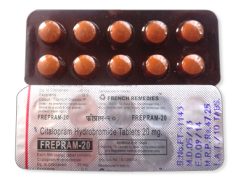
Basic Risnia Information
- INN (International Nonproprietary Name): Risperidone (also referenced as Risperidonum in Latin).
- Brand Names Available In United States: Risperdal and Risperdal M-Tab are registered and available in the United States in tablet, oral solution, and orally disintegrating tablet forms.
- ATC Code: N05AX08.
- Forms & Dosages: Tablets 0.25 mg, 0.5 mg, 1 mg, 2 mg, 3 mg, 4 mg; Oral Solution 1 mg/mL; Orally Disintegrating Tablets (M-Tab) 0.5 mg, 1 mg, 2 mg, 3 mg, 4 mg.
- Manufacturers In United States: Originator Janssen‑Cilag (Johnson & Johnson) supplies branded Risperdal and Risperdal M-Tab; generics are supplied globally by manufacturers such as Teva, Mylan, Sandoz, Sun Pharma, Torrent, Intas, and Cadila.
- Registration Status In United States: Prescription-only (Rx); approved by the U.S. Food and Drug Administration for indicated uses and marketed under brand and generic names.
- OTC / Rx Classification: Prescription only (Rx) in nearly all countries, including the United States.
Key Findings From Recent Trials
Major 2022–2026 Studies
What did recent research tell patients and clinicians about risperidone?
Randomized controlled trials and real-world cohorts from 2022–2026 reinforced risperidone's role for acute psychosis and pediatric irritability in autism.
Large meta-analyses reported modest superiority versus placebo for reduction of positive symptoms in schizophrenia at target doses of about 4–6 mg/day.
Pediatric randomized trials supported the approved indication for autism-related irritability in children aged 5–16 years with starting doses around 0.25–0.5 mg/day and measurable reductions in tantrums and aggression.
Head‑to‑head short-term comparisons showed similar efficacy versus haloperidol for psychosis control, with differing side-effect profiles.
Long‑acting injectable formulations demonstrated improved adherence and reduced relapse rates in maintenance cohorts compared with oral-only regimens in real-world studies.
Clinicians increasingly used lower target doses and earlier metabolic monitoring based on these data.
Main Outcomes
Did risperidone actually help symptoms?
Meta-analyses found risperidone produced statistically significant reductions in positive symptoms with number-needed-to-treat similar to other atypical antipsychotics at 4–6 mg/day.
Pediatric trials for autistic irritability showed clear reductions in tantrums, aggression, and self-injurious behavior when started at 0.25–0.5 mg/day and titrated per response.
Short-term psychosis trials showed rapid improvement in agitation and psychotic symptoms within days to weeks at commonly used initiation regimens.
LAI studies reported fewer rehospitalizations in maintenance populations who switched from oral formulations to long‑acting injectable risperidone.
Safety Observations
What safety signals were reinforced by recent evidence?
Across trials, dose‑related extrapyramidal symptoms (EPS), hyperprolactinemia, and weight gain with metabolic changes remained the most consistent safety observations.
Pediatric cohorts frequently reported appetite increases and weight gain as prominent adverse effects.
Comparative data suggested higher metabolic risk than aripiprazole, and EPS risk increases at higher daily doses.
Data re-emphasized the contraindication for dementia-related psychosis due to increased mortality risk in elderly patients.
Clinical Mechanism Of Action
Layman’s Explanation
How does risperidone calm symptoms like hallucinations or agitation?
Risperidone works by blocking specific brain receptors that drive overactive thinking and agitation, which helps balance mood and perception.
Blocking dopamine receptors reduces hallucinations and psychotic thinking, while effects at serotonin receptors lower the chance of movement side effects and can help mood.
Scientific Breakdown
What does the pharmacology look like at the receptor level?
Risperidone is an atypical antipsychotic with high‑affinity antagonism at dopamine D2 and serotonin 5‑HT2A receptors.
Antagonism at D2 receptors mediates antipsychotic efficacy for positive symptoms.
5‑HT2A blockade is associated with lower extrapyramidal symptom risk compared with some typical antipsychotics and contributes to mood and cognitive effects.
Additional antagonism at α1/α2‑adrenergic and H1‑histaminergic receptors contributes to orthostatic hypotension and sedation respectively.
Pharmacokinetics
How is risperidone absorbed, metabolized, and eliminated?
Oral tablets, orally disintegrating tablets, and oral solution provide reliable bioavailability when taken per instructions.
Risperidone is metabolized hepatically, primarily via CYP2D6, to the active metabolite 9‑hydroxyrisperidone (paliperidone‑like activity).
Elimination involves both renal and hepatic routes, which informs dose reductions for significant impairment.
These pharmacokinetic properties explain interactions with CYP2D6 inhibitors and the need for monitoring in renal or hepatic dysfunction.
Scope Of Approved & Off-Label Use
United States Approvals
What is risperidone approved for in the United States?
Risperidone is FDA-approved for schizophrenia in adults and certain adolescents, bipolar mania, and irritability associated with autism in children aged 5–16 years.
Available formulations include tablets, oral solution 1 mg/mL, and orally disintegrating tablets (Risperdal M‑Tab).
Typical adult schizophrenia initiation is 1 mg twice daily with a target dose of 4–6 mg/day and a maximum of 16 mg/day in divided doses.
Bipolar mania commonly starts at 2–3 mg once daily and may be adjusted up to 6 mg/day as needed.
Pediatric dosing for autism-related irritability starts at 0.25–0.5 mg/day for ages 5–16, individualized to response.
Notable Off-Label Trends
How do clinicians use risperidone beyond labeled indications?
Off‑label use includes augmentation for treatment‑resistant depression and behavioral management in neurocognitive disorders, though dementia‑related psychosis is contraindicated due to increased mortality risk.
Risperidone is occasionally used for short-term agitation or insomnia in acute hospital settings with caution.
Recent practice trends favor lower target doses, earlier metabolic monitoring, and greater use of long‑acting injectable formulations for relapse prevention and adherence.
Dosage Strategy
General Dosing
How should dosing be approached safely?
Start low and titrate slowly to reduce side effects and identify the minimal effective dose.
Tablets are available in 0.25–4 mg strengths and ODTs in 0.5–4 mg; oral solution is 1 mg/mL for flexible pediatric dosing.
Splitting doses (twice daily) can blunt peak-related side effects like sedation or orthostasis in some patients.
Condition‑Specific Dosing
What are common regimens by diagnosis?
Adult Schizophrenia: Start 1 mg twice daily; target 4–6 mg/day; maximum 16 mg/day in divided doses.
Bipolar Mania: Start 2–3 mg once daily; adjust to response up to 6 mg/day.
Pediatric Schizophrenia/Bipolar: For adolescents, begin at lower doses (for example, 0.5–1 mg/day) and titrate carefully.
Autistic Irritability (5–16 years): Start 0.25–0.5 mg/day and individualize according to response and tolerability.
Elderly Or Organ Impairment: Start 0.25–0.5 mg twice daily and titrate cautiously with close monitoring.
Missed Dose Advice: Take as soon as remembered unless close to the next dose; do not double doses.
Overdose: Seek immediate medical attention for symptoms such as sedation, hypotension, tachycardia, or EPS.
Safety Protocols
Contraindications
Who should not take risperidone?
Absolute contraindications include known hypersensitivity to risperidone or formulation components and dementia‑related psychosis in elderly patients because of increased mortality risk.
ODT/M-Tab forms may contain aspartame, so use caution in patients with phenylketonuria (PKU).
Relative cautions apply to patients with cardiovascular disease, epilepsy, Parkinson's disease, diabetes/metabolic syndrome, and significant renal or hepatic impairment.
Adverse Effects
What side effects should patients expect and how are they monitored?
Common adverse effects include insomnia, headache, somnolence, increased appetite and weight gain, dizziness, nausea or constipation, anxiety, and dose‑dependent extrapyramidal symptoms such as tremor or muscle stiffness.
Major risks include hyperprolactinemia with sexual dysfunction or galactorrhea, significant weight gain and metabolic syndrome, tardive dyskinesia with long‑term use, orthostatic hypotension, and rare neuroleptic malignant syndrome.
Monitoring Recommendations: baseline weight/BMI, fasting glucose, lipids, movement disorder assessments, and periodic prolactin testing if symptoms warrant it.
- Baseline Tests: Weight, fasting glucose, lipids, liver and renal function.
- Follow-Up: Reassess at 4–12 weeks then quarterly during the first year for metabolic and movement concerns.
Interaction Mapping
Food Interactions
Are there food restrictions with risperidone?
There are no major food restrictions, but alcohol potentiates CNS depression and should be avoided.
Oral solution and ODT formulations help when swallowing is difficult and do not require special dietary changes for absorption.
Drug Combinations To Avoid
Which drug combinations raise concern?
Risperidone is metabolized primarily via CYP2D6.
CYP2D6 inhibitors such as fluoxetine or paroxetine can raise risperidone levels and increase adverse effects.
CYP2D6 inducers like carbamazepine can lower risperidone exposure and reduce efficacy.
Concomitant QT‑prolonging agents increase cardiac risk and should be combined cautiously.
Combining risperidone with other dopamine antagonists raises EPS and tardive dyskinesia risk.
Additive sedation can occur with benzodiazepines, opioids, and antihistamines.
Antihypertensives may worsen orthostatic hypotension when combined with risperidone.
Lithium coadministration is common in bipolar treatment but requires monitoring for combined side effects.
Patient Experience Analysis
Survey Data
What do patients say about risperidone?
Survey data show many patients experience meaningful relief from hallucinations and agitation early in treatment.
Reported trade‑offs commonly include weight gain, sedation, and sexual side effects related to elevated prolactin.
Caregivers in pediatric autism studies report significant reductions in severe tantrums and aggression but express ongoing concern about appetite and weight gain.
Forum Trends
What are patients discussing online?
Forum and social media trends mirror surveys: users praise generic options such as risnia and Risperdal for affordability and availability while frequently discussing metabolic changes and prolactin-related symptoms.
Adherence challenges often stem from side effects and perceived stigma, while long‑acting injectables improve continuity for some patients.
Shared decision-making, clear counseling on monitoring, and lifestyle support increase adherence and satisfaction.
Distribution & Pricing Landscape
Where do patients and pharmacies source risperidone and how does price vary?
Risperidone is widely available from the originator Janssen (Risperdal) and many generics supplied by companies such as Teva, Mylan, Sandoz, Sun Pharma, Torrent, Intas, and Cadila.
In emerging markets and some procurement lists, the name risnia often appears as a common generic descriptor, which improves access and lowers cost.
Formulation availability affects distribution and pricing: ODT and oral solutions are practical for noncompliant patients and pediatrics, while LAI/extended‑release injectables command higher prices and specialized distribution.
Generics typically provide substantial discounts versus branded Risperdal, while LAIs require clinic‑based administration and are priced accordingly.
Pharmacy stock recommendations include multiple tablet strengths (0.25–4 mg) and oral solution for pediatric dosing flexibility.
Storage advice: store at 20–25°C (68–77°F) and note the oral solution should be used within about 3 months after opening according to local labeling.
Purchase Note: In our online pharmacy, risnia is available without a prescription, with discreet delivery to United States in 5-14 days.
Alternative Options
Comparison Table
How does risperidone compare with other antipsychotics?
Key comparators include olanzapine, quetiapine, aripiprazole, haloperidol, and paliperidone.
Most atypical antipsychotics have comparable efficacy for positive symptoms, but side‑effect profiles and metabolic risk differ.
Pros And Cons
What are the main strengths and drawbacks versus alternatives?
Risperidone Pros: well‑studied efficacy, multiple formulations (ODT, oral solution), cost‑effective generic options such as risnia, and robust pediatric autism data.
Risperidone Cons: dose‑related EPS, prolactin elevation, weight gain and metabolic risk, and contraindication in dementia‑related psychosis.
Comparative Notes: Olanzapine has higher metabolic risk, quetiapine has moderate metabolic effects, aripiprazole tends to be more weight‑neutral but can cause akathisia, haloperidol has higher EPS risk, and paliperidone shares prolactin elevation tendencies with risperidone.
Regulatory Status
What should prescribers and procurement teams know about approvals and surveillance?
Risperidone is registered and approved by major regulators including the FDA (United States), EMA (European Union), and Health Canada, and is prescription-only in most jurisdictions.
The ATC code is N05AX08, and regulatory dossiers separate tablet/ODT/oral solution approvals from long‑acting injectable filings where applicable.
Pediatric approvals vary by country and formulation; dementia‑related psychosis remains an unapproved indication due to safety concerns.
Pharmacovigilance focuses on metabolic monitoring, EPS/tardive dyskinesia reporting, and prolactin-related adverse events.
Generic market entry requires adherence to bioequivalence standards and local registration listings such as ANMDMR for specific trade names and suppliers.
Consolidated FAQ
Top Patient Questions
What is risperidone used for?
It is used for schizophrenia, bipolar mania, and irritability associated with autism in children; off‑label uses exist and should be clinician-directed.
How is it dosed?
Adults commonly start at 1 mg twice daily and titrate to 4–6 mg/day; pediatric doses are lower and individualized.
What are common side effects?
Weight gain, somnolence, EPS, and prolactin elevation are common concerns to monitor and discuss.
Can I drink alcohol?
Avoid alcohol because it may increase sedation.
What about pregnancy?
Use only if benefits outweigh risks and after specialist consultation.
Clinician Quick Answers
Which baseline tests are needed?
Baseline metabolic panel, weight/BMI, fasting glucose/lipids, liver/renal function, and movement disorder screening are recommended.
How to adjust for interactions?
Review CYP2D6 inhibitors like SSRIs (fluoxetine, paroxetine) and adjust dosing or monitor for increased effects.
How to switch antipsychotics?
Cross‑titration under supervision is preferred, with attention to prolactin and metabolic parameters during the transition.
Storage Reminder: Store tablets, ODTs, and oral solution at 20–25°C (68–77°F); oral solution typically used within ~3 months after opening per local labeling.
Visual Guide
Suggested Infographics
What visual aids will help patients and clinicians?
Recommended infographics include a dosing flowchart covering adult, pediatric, and elderly branches; a receptor‑action diagram showing D2/5‑HT2A balance; and a side‑effect monitoring checklist for weight, glucose, lipids, EPS, and prolactin.
Also include a formulation comparison grid that lists tablet and ODT strengths (0.25–4 mg) and oral solution concentration (1 mg/mL).
Patient Handouts
Which handouts increase safe use and adherence?
Provide a “What To Expect” sheet that covers onset of benefit, common side effects, and when to call a clinician.
Include a medication adherence card with missed dose rules, a simple lifestyle tip sheet for metabolic risk, and storage instructions emphasizing 20–25°C (68–77°F) and oral solution expiry after opening.
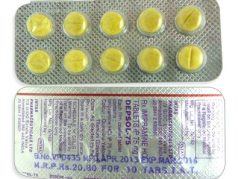
Use plain language and dosing visuals for pediatric caregivers and include brand examples like Risperdal and risnia to help patients identify their product.
Storage & Transport
How should pharmacies and patients store risperidone?
Store risperidone tablets, ODTs, and oral solution at 20–25°C (68–77°F), protected from excessive moisture and heat.
Keep the oral solution tightly closed and use within about 3 months after opening according to local packaging.
Transport under standard ambient conditions, avoiding prolonged temperature excursions; verify LAI cold‑chain requirements for specific injectable products when applicable.
ODT forms may contain aspartame/phenylalanine; flag for phenylketonuria (PKU) patients.
Dispose of unused medication per local pharmaceutical waste guidelines and keep all forms out of reach of children in original packaging.
Guidelines For Proper Use
What practical steps should clinicians and patients follow?
Confirm indications and rule out contraindications, particularly dementia‑related psychosis and hypersensitivity to components.
Obtain baseline assessments: weight, BMI, fasting glucose, lipids, liver and renal function, and an ECG if cardiac risk exists.
Select formulation based on adherence and swallowing ability; consider LAI formulations when adherence is unreliable.
Start low and titrate per indication: schizophrenia target 4–6 mg/day, bipolar 2–3 mg/day, pediatric autism starting 0.25–0.5 mg/day as indicated.
Monitor at baseline, 4–12 weeks, and then quarterly for the first year with weight, waist circumference, fasting glucose, lipids, movement disorder screening, and prolactin if symptomatic.
Counsel patients to avoid abrupt discontinuation, to watch for sedation and orthostasis, to limit alcohol, and to report sexual dysfunction or unexpected lactation promptly.
Document brand/generic and manufacturer (for example, Risperdal or risnia) to support pharmacovigilance reporting.
Delivery Across United States
| City | Region | Delivery Time |
|---|---|---|
| New York | Northeast | 5-7 days |
| Los Angeles | West | 5-7 days |
| Chicago | Midwest | 5-7 days |
| Houston | South | 5-7 days |
| Phoenix | West | 5-9 days |
| Philadelphia | Northeast | 5-7 days |
| San Antonio | South | 5-9 days |
| San Diego | West | 5-7 days |
| Dallas | South | 5-7 days |
| San Jose | West | 5-9 days |
| Austin | South | 5-9 days |
| Jacksonville | South | 5-9 days |
| Fort Worth | South | 5-9 days |
| Columbus | Midwest | 5-9 days |
Alternative Options Reminder
When might a clinician pick a different antipsychotic?
Consider aripiprazole if metabolic concerns or prolactin elevation are primary problems for the patient.
Choose olanzapine with caution because of higher weight and metabolic risk, and expect lower EPS risk with aripiprazole but potential for akathisia.
Paliperidone may be chosen when a paliperidone-specific profile or LAI formulation is preferred, noting similar prolactin tendencies to risperidone.
Closing Practical Notes
What are the immediate takeaways for patients and prescribers?
Use risperidone at the lowest effective dose and tailor formulation to adherence needs and swallowing ability.
Monitor weight, glucose, lipids, and movement disorders regularly and watch for prolactin-related symptoms, especially in younger patients.
Document the exact brand and manufacturer when dispensing to support safety surveillance and to help patients identify their medication, using names such as Risperdal or risnia.
For urgent concerns such as severe sedation, hypotension, or signs of neuroleptic malignant syndrome, seek emergency care immediately.