
Orlistat
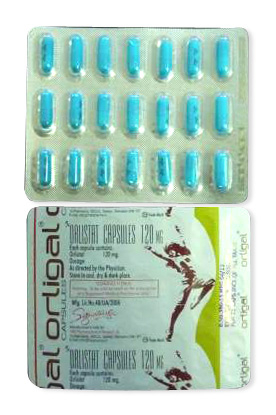
Orlistat
- Orlistat can be purchased from many pharmacies and online pharmacies; 60 mg capsules are often available over the counter, while 120 mg capsules are usually prescription-only in most regions.
- Orlistat is used for weight loss and weight maintenance in obesity as part of a reduced-calorie, low-fat diet and exercise program. It works by inhibiting gastrointestinal lipases, which reduces the absorption of dietary fat in the gut.
- The usual dose is 120 mg three times daily with main meals for prescription use, or 60 mg three times daily with meals for OTC use.
- The form of administration is a hard gelatin capsule taken orally.
- Orlistat starts working with the first dose by blocking fat absorption during the meal, but visible weight-loss effects are usually noticed after several weeks of regular use.
- The duration of action lasts through the digestive process of the meal, with each dose affecting fat absorption for several hours; it is used long term if effective and tolerated.
- Alcohol does not have a known direct interaction with orlistat, but heavy drinking can undermine weight-loss goals and add extra calories.
- The most common side effects are oily spotting, flatulence, urgent or frequent bowel movements, and fatty or oily stools.
- Would you like to try orlistat without a prescription?
Basic Orlistat Information
- INN (International Nonproprietary Name): Orlistat
- Brand names available in United States: Alli, Xenical
- ATC Code: A08AB01
- Forms & dosages: Capsule, 60 mg, oral; Capsule, 120 mg, oral
- Manufacturers in United States: Roche, GlaxoSmithKline; generic suppliers include Luxpharma
- Registration status in United States: US FDA approved, Rx and OTC
- OTC / Rx classification: 60 mg capsules are OTC in many regions; 120 mg capsules are prescription-only in most jurisdictions
- Standard dosages per condition: Obesity and weight loss/maintenance, 120 mg three times daily with main meals; OTC dose, 60 mg three times daily with main meals
- Dosage adjustments: Not recommended for persons under 12 years old; elderly usually need no specific adjustment; use caution in hepatic impairment and renal impairment
- Typical treatment duration & regimens: Long-term use for weight loss and maintenance with a moderately low-fat, reduced-calorie diet
- Instructions for missed doses & overdose: Skip the dose if a meal is missed or contains no fat; do not double dose; large overdoses have not resulted in severe toxicity, and symptomatic and supportive care is recommended
- Storage & transport guidelines: Store below 25°C (77°F), protect from moisture and direct sunlight, and no special transport conditions are usually needed
- Absolute contraindications: Chronic malabsorption syndromes, hypersensitivity to orlistat or excipients, pregnancy, and not recommended for children under 12 years old
- Relative contraindications & monitoring: History of oxalate kidney stones, diabetes, thyroid disease, and ciclosporin use
- Common side effects: Oily spotting, flatulence, frequent or urgent defecation, fatty or oily stool, abdominal discomfort, diarrhea, fecal incontinence, abdominal pain or cramping, headache
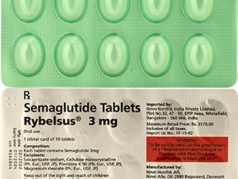
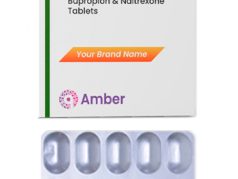
- Notable competitors: Liraglutide, semaglutide, phentermine, and bupropion/naltrexone
- Common search phrases & SEO use cases: Buy Orlistat online, Alli 60mg weight loss capsules, Xenical 120mg effectiveness, Orlistat side effects oily stools, Orlistat Romania ANMDMR, Orlistat vs Xenical vs Alli
- Additional information: Other synonyms include Orlap, Orlipastat, and Tetrahydrolipstatin; orlistat is not absorbed in significant amounts systemically, and its action remains in the gut
Thinking about a prescription weight loss medication that does not work through the bloodstream? Orlistat has stayed on the market for a simple reason: it offers a local, gut-acting option for adults who want help with weight management without injections.
Recent reviews from 2022 through 2026 continue to place orlistat as a modest-efficacy option rather than a high-potency weight loss drug.
That does not make it obsolete.
For the right patient, especially someone who prefers an oral, non-systemic option, orlistat weight loss can still be a practical choice.
The most consistent finding from modern evidence is that results are best when the capsule is paired with a reduced-calorie, lower-fat diet and steady lifestyle support.
That is where real-world success usually happens, not in the capsule alone.
Compared with newer GLP-1 medications, orlistat pills usually produce smaller average weight loss, but they also avoid systemic absorption and remain available as Alli 60 mg over the counter and Xenical 120 mg by prescription in the United States.
In everyday pharmacy counseling, that matters a lot.
A patient who wants an oral option, has tried diet changes before, and is realistic about expectations may find orlistat easier to start than an injectable therapy.
The tradeoff is tolerability.
GI effects like oily spotting and urgent stools are the most repeated safety findings, and they often track closely with how much fat is in the meal.
How Orlistat Works
People often ask whether this is really a fat blocker pill or just marketing language.
In this case, the label is pretty accurate.
Orlistat works in the digestive tract by blocking some of the fat you eat from being broken down and absorbed.
Less absorbed fat means fewer calories taken in from that meal.
That local action is the reason many patients like it: orlistat is not absorbed in significant amounts systemically.
From a pharmacology standpoint, it inhibits gastric and pancreatic lipases in the gut lumen.
Those enzymes normally help split dietary fat so it can be absorbed.
When they are inhibited, more fat passes through the intestines and out of the body.
The technical classification reflects that peripheral action.
Its ATC code is A08AB01, which places it under peripherally acting antiobesity products.
For patients, the simple version is enough: take the capsule with meals that contain fat, and it helps reduce the calories absorbed from that meal.
That also explains why a lower-fat eating plan is so important.
If the meal is heavy and greasy, the medicine works harder, but so does the bathroom afterward.
If the meal is lighter, tolerability is usually better.
Approved And Off-Label Use
Most shoppers are looking for a straight answer: can I get this in the United States, and which version am I supposed to use?
The answer is yes, and the dose depends on whether the product is OTC or prescription.
In the U.S., Alli 60 mg is available over the counter, while Xenical 120 mg is prescription-only.
Both are used for weight management in adults along with diet and exercise.
That is the core approved use.
Off-label use is not a major part of the orlistat story compared with some other obesity drugs.
Online searches still often center on “buy orlistat online” and brand comparisons like “Orlistat vs Xenical vs Alli.”
Those searches usually come from people trying to decide whether generic orlistat is enough, or whether the prescription strength is worth it.
Outside the United States, some regions list generic orlistat under alternate spellings such as Orlipastat or Tetrahydrolipstatin.
Romania, for example, may list Xenical and generic Orlistat in public registries, and public pharmacy databases can show that mix of branded and generic availability.
One practical access note matters for U.S. shoppers.
In our online pharmacy, orlistat is available without a prescription, with discreet delivery to United States in 5-14 days.
That can be useful for adults who want a straightforward ordering process and are comparing OTC access with branded or generic options.
Dosage Strategy
Is there one dose that fits everyone?
Not exactly, but the standard adult regimens are simple.
The prescription dose is 120 mg three times daily with main meals.
The OTC dose is 60 mg three times daily with main meals.
If the meal is skipped, the capsule should be skipped too.
If the meal contains no fat, the dose should also be skipped.
That meal-based timing is important because the medicine works on dietary fat already present in the gut.
It is not meant to be taken later in the day to “make up for” a missed meal.
That is one of the most common mistakes people make when they first start an oral obesity therapy.
Children under 12 should not use it, since safety and efficacy are not established there.
Elderly patients generally do not need a specific dose adjustment.
For hepatic impairment, the advice is caution rather than a formal adjustment.
For renal impairment, there are no formal recommendations, but caution is still wise.
In practical terms, the best dosing strategy is to match the capsule to the meal and keep the diet moderately low in fat.
Higher-fat meals usually mean more GI side effects, more urgent stools, and poorer adherence.
Lower-fat meals tend to make the whole regimen easier to live with.
Safety Protocols
What side effects should patients actually expect?
With orlistat, the answer is mostly gastrointestinal.
The most common effects include oily spotting, flatulence, frequent or urgent defecation, fatty or oily stool, abdominal discomfort, diarrhea, fecal incontinence, abdominal pain or cramping, and headache.
For many patients, the oily stool pattern is the one that stands out most.
That effect is often meal-related and becomes more obvious when the meal contains more fat.
There are also clear contraindications.
Orlistat should not be used in chronic malabsorption syndromes, including cholestasis.
It is contraindicated in hypersensitivity to orlistat or excipients.
It should not be used during pregnancy.
It is also not recommended for children under 12.
Some patients need extra monitoring rather than a strict ban.
People with a history of oxalate kidney stones may have increased risk.
Patients with diabetes may need medication adjustment as weight reduces.
Thyroid disease should be monitored because weight loss and treatment changes can affect management.
Ciclosporin use is a special concern because orlistat may reduce ciclosporin efficacy.
That means ciclosporin levels should be monitored carefully if the drugs are used together.
When patients call about Xenical side effects or Alli side effects, the practical counseling point is usually the same: dietary fat drives a lot of the tolerability problem.
Anticipating that effect upfront improves adherence and reduces surprise.
Interaction Mapping
Food is the main interaction to watch with this medicine.
Orlistat interaction with food is not subtle, because the drug depends on dietary fat to show its effect.
High-fat meals increase the chance of oily stool, leakage, and urgency.
A reduced-fat diet usually makes the treatment easier to tolerate.
That is also why a lot of orlistat reviews mention that diet structure matters as much as the capsule itself.
Among drug combinations, ciclosporin deserves the most caution.
Orlistat may reduce ciclosporin effectiveness, so monitoring levels is recommended.
People with diabetes may also need closer follow-up as body weight changes and treatment plans shift.
Thyroid management can change over time too, so monitoring remains a good idea in people with thyroid disease.
These are not dramatic interactions for every patient, but they are important enough that good counseling saves problems later.
That is the pharmacy-side reality: a simple fat blocker pill still needs medication review.
Patients shopping for Xenical pills or Alli pills should keep their full medication list handy, especially if they take immunosuppressants or have chronic disease.
Patient Experience And Real-World Use
Why do some people stick with orlistat while others quit after a week?
The answer usually comes down to expectations.
Patients who understand that this is a modest-efficacy oral obesity therapy often report better satisfaction than those expecting dramatic, fast loss.
Many people like the familiarity of an oral product.
They know how to take capsules.
They do not have to learn injection technique.
They also appreciate that Alli 60 mg and Xenical 120 mg are easy to compare at a glance.
Forum discussions tend to revolve around the same themes over and over: Orlistat side effects oily stools, whether generic orlistat works like the brand, and whether the GI effects are worth it.
The pattern is clear.
When users reduce dietary fat, tolerability improves and persistence goes up.
When they keep eating high-fat meals, they usually report more urgency and more leakage.
A simple example comes up often in counseling.
A patient starts on Friday evening, eats pizza, gets an unpleasant weekend, and then assumes the medicine “doesn’t work.”
What usually happened is more basic: the medication worked, and the meal choice made the side effects obvious.
That is why realistic education makes such a difference.
Good expectations turn a frustrating trial into a manageable routine.
Distribution And Pricing Landscape
Where can patients find it, and what does the package usually look like?
Orlistat is sold globally through pharmacies and e-shops as Xenical, Alli, and generic orlistat.
Common pack sizes include 21, 42, 84, and 90 capsules.
The product is usually sold in hard gelatin capsules.
That makes it easy to identify in pharmacy inventory and in online listings.
Pricing varies by brand, strength, and country.
OTC Alli 60 mg may be easier to access, but it can still differ significantly in cost from prescription Xenical 120 mg and from generic versions.
Supply often comes from multinational manufacturers such as Roche and GlaxoSmithKline, along with multiple generic producers, including Luxpharma for some markets.
For U.S. customers comparing weight loss pills, the main cost question is usually whether the added expense of branded therapy is worth it or whether generic orlistat fits the budget better.
Because the medicine is also used as part of a wider weight-management program, the total cost should include diet support and follow-up, not just the capsule price.
Alternative Options
How does orlistat compare with other prescription weight loss medication choices?
The main difference is mechanism and expected weight loss.
Orlistat blocks fat absorption in the gut.
GLP-1 drugs mainly act through appetite and satiety pathways.
That is why newer injectables often show greater average weight loss.
| Drug | Class | Access | Key Point |
|---|---|---|---|
| Orlistat | Lipase inhibitor | OTC/Rx | Gut-acting, lower systemic exposure |
| Semaglutide | GLP-1 agonist | Rx | Greater average weight loss |
| Liraglutide | GLP-1 agonist | Rx | Injectable, appetite effects |
| Phentermine | Sympathomimetic | Rx | Short-term use in select markets |
| Bupropion/naltrexone | CNS/opioid antagonist combo | Rx | Targets appetite and cravings |
The upside of orlistat is straightforward.
It is oral.
It acts locally.
It is familiar to many patients.
The downside is also straightforward.
GI tolerability can limit use, and the average weight loss is smaller than what many patients see with GLP-1 therapy.
For someone who wants a non-injectable option, that tradeoff may still be worth it.
Regulatory Status
Is this medicine actually approved where patients are buying it?
Yes.
The U.S. FDA approves orlistat in both OTC and prescription forms.
The EMA also recognizes it, with status depending on dose and indication.
That means the product has an established regulatory history rather than being a gray-market supplement.
Romania’s ANMDMR listings include Xenical and generic orlistat, which is useful context for patients comparing regional packaging and public pharmacy records.
Some markets use local-language packaging, including terms like capsulă, and online pharmacies may list generic spelling variants as well.
The regulatory summary is simple.
60 mg capsules are OTC in many regions.
120 mg capsules are prescription-only in most jurisdictions.
For U.S. shoppers, that is often the main distinction between Alli and Xenical.
Consolidated Questions And Answers
Is orlistat the same as Xenical?
Yes.
Xenical is the brand name for orlistat 120 mg.
Is Alli the same drug?
Yes.
Alli is orlistat 60 mg and is OTC in many markets.
Does it work without diet changes?
It works best with a reduced-calorie, lower-fat diet and lifestyle changes.
Can it be used long term?
Yes.
It is often used long term if meaningful weight loss continues.
What should patients do if they miss a dose?
If the meal is missed, or the meal contains no fat, the dose should be skipped.
Should patients double up later?
No.
That does not improve the result and may worsen side effects.
What is the most common complaint in orlistat reviews?
Usually the GI effects, especially oily stools and urgency.
Those complaints are common enough that they should be discussed before the first dose, not after the first bad weekend.
Visual Guide To Capsules And Strengths
What does the product look like on a shelf or in an online order?
Orlistat is typically sold in hard gelatin capsules.
The two most common strengths are 60 mg and 120 mg.
Pack sizes often include 21, 42, 84, and 90 capsules.
That visual difference helps patients identify whether they are looking at Alli pills, Xenical pills, or generic orlistat capsules.
The practical decision points are easy to remember.
OTC products are usually 60 mg.
Prescription products are usually 120 mg.
Brand identification also helps.
Alli is the 60 mg version.
Xenical is the 120 mg version.
Generic orlistat may appear under alternate spellings online, so patients should read the strength carefully before ordering.
Storage And Transport
Does this product need special handling?
Usually no.
Store it below 25°C, which is 77°F.
Keep it away from moisture and direct sunlight.
No special transport conditions are usually needed unless the package insert says otherwise.
That is one reason capsule products are convenient for home storage.
Keeping the original packaging intact also helps preserve labeling and batch information.
For patients receiving mail-order orlistat capsules, the simple rule is to avoid heat and humidity and to leave the product in its original container when possible.
Proper Use And Counseling Tips
What is the best way to use orlistat correctly?
Take it with main meals that contain fat.
If a meal is skipped, skip the dose.
If a meal contains no fat, skip the dose.
Do not double the next dose.
It should be part of a broader weight-management program rather than a stand-alone fix.
That means diet, activity, and follow-up still matter.
Patients should also watch for GI side effects and review drug interactions, especially if they take ciclosporin or have diabetes or thyroid disease.
Supportive care is the main approach if too much is taken, since large overdoses have not typically caused severe toxicity.
In everyday terms, the medicine is simple, but the counseling has to be done well.
When patients understand the meal timing, the fat link, and the side-effect profile, they are much more likely to stay with treatment and see a meaningful result.
Delivery Across United States
| City | Region | Delivery time |
|---|---|---|
| New York | Northeast | 5-7 days |
| Los Angeles | West | 5-7 days |
| Chicago | Midwest | 5-7 days |
| Houston | South | 5-7 days |
| Phoenix | West | 5-7 days |
| Philadelphia | Northeast | 5-7 days |
| San Antonio | South | 5-9 days |
| San Diego | West | 5-7 days |
| Dallas | South | 5-7 days |
| San Jose | West | 5-7 days |
| Austin | South | 5-7 days |
| Jacksonville | South | 5-9 days |
| Fort Worth | South | 5-9 days |
| Columbus | Midwest | 5-7 days |
| Charlotte | South | 5-9 days |